
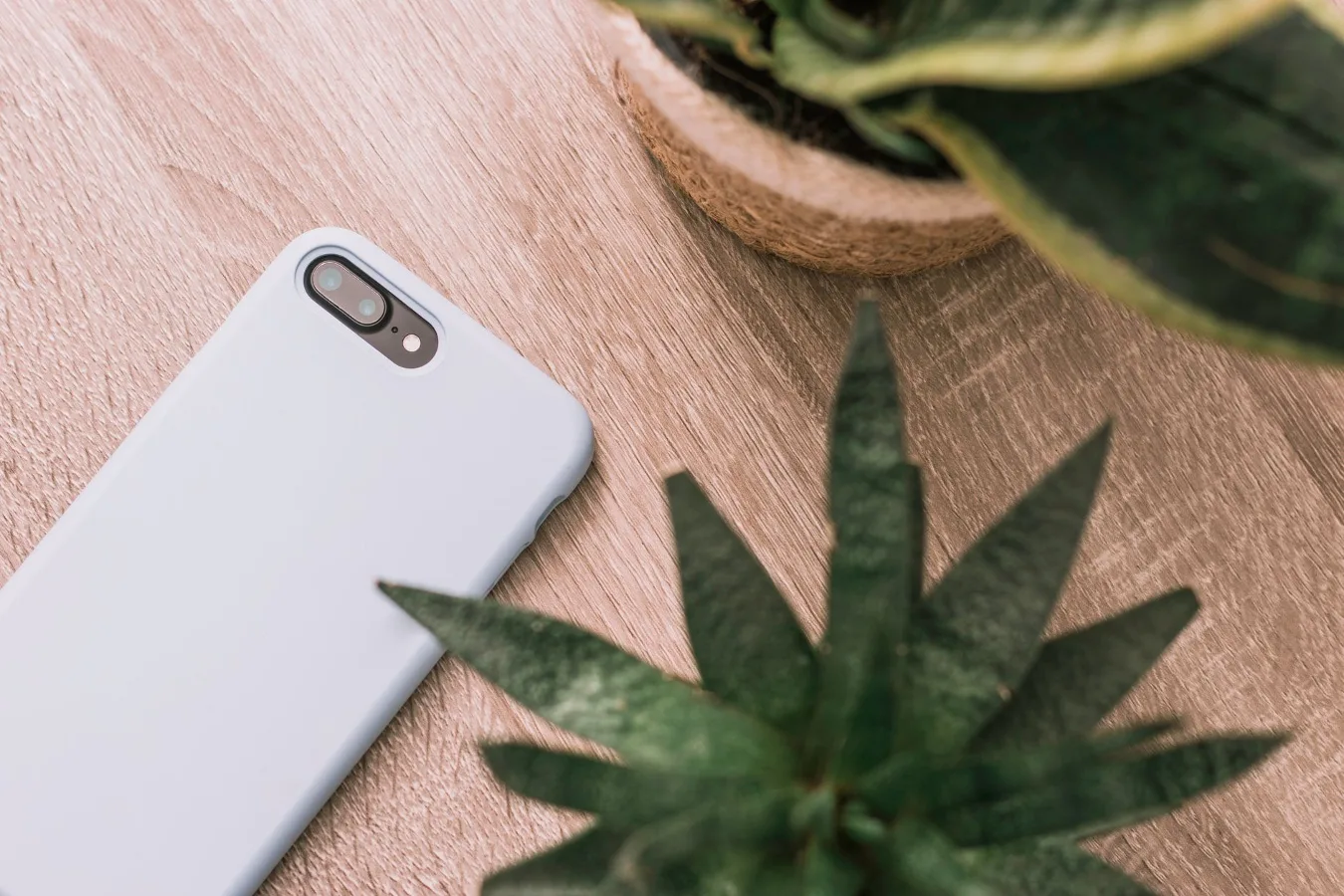
What a green phone case is best for
A green phone case works well if you want your phone accessory to do two jobs at once: add personality and protect the device. For many buyers, green is also a practical color choice. It can feel softer than black, more distinctive than gray, and easier to match with a wide range of phone finishes and outfits.
The right green phone case is not just about the shade. Material, grip, bulk, and device compatibility matter more than color alone. A pale sage case, for example, may suit someone who wants a clean, minimal look, while a darker forest or olive tone may appeal to buyers who prefer a more subdued style. The best choice depends on how you use your phone every day. choosing the right phone case material offers more detail on this point.
If you are shopping for a green phone case, start with the fit and protection level you actually need. Then narrow down the color family and finish that suits your taste.
The buyer scenario: who should consider a green phone case
A green phone case makes sense for several types of buyers. Some are shopping for a style refresh after keeping the same neutral case for years. Others want a case that stands out without looking loud. Green also fits people who prefer earthy, nature-inspired colors over bright neons or glossy metallics.
It can be a good choice if you:
- want a case that feels more personal than standard black or clear styles
- prefer muted colors such as sage, olive, forest, or mint
- need everyday protection but do not want a bulky rugged look
- like a finish that hides some wear better than very light colors
- are matching your case with other accessories, such as straps, wallets, or charging gear
Green is also versatile across age groups and style preferences. A muted green can look understated and polished, while a brighter shade can feel playful. That flexibility is part of why the color is such a popular search term for phone accessories.
Start with compatibility before color
The most common buying mistake is choosing a color first and checking compatibility later. A case can look ideal in photos and still be wrong for your phone model, button placement, camera size, or charging setup.
Before you compare shades, confirm the following:
- your exact phone model and generation
- whether the case supports wireless charging
- if you use MagSafe or another magnetic accessory system
- camera cutout size and lens protection
- port access and speaker alignment
Small model differences matter. Cases are often designed for a specific device family, and even closely related models may not share the same button layout or camera module. If you buy by color alone, you risk ending up with a case that looks right but fits poorly.
Material choices change the feel more than the color does
Green phone cases come in several common materials, and each one affects comfort, grip, durability, and maintenance. This matters more than the exact shade.
Silicone and TPU
Silicone and thermoplastic polyurethane, often called TPU, are popular for soft-touch cases. They usually feel grippier than smooth plastic and can be easier to hold one-handed. A green silicone case often has a matte or slightly velvety finish, which suits muted shades especially well.
The trade-off is that softer materials can attract lint and may show wear differently over time. If you keep your phone in a bag or pocket, that can be worth considering.
Hard polycarbonate shells
Polycarbonate cases tend to be stiffer and slimmer. They can give a green case a crisp, clean look, especially in glossy or translucent finishes. They are a good option if you want a sleeker profile and do not mind less texture in the hand. slim cases vs rugged cases offers more detail on this point.
The downside is grip. Hard shells can feel slick, especially if the finish is shiny. Some buyers like the lighter, more polished feel; others find they need a more secure grip than this material offers.
Hybrid cases
Hybrid cases combine rigid back panels with softer edges or reinforced corners. These are a practical middle ground for buyers who want a green phone case with a balanced feel. They often provide better drop management than a basic hard shell while staying less bulky than heavily rugged designs.
For many people, a hybrid case is the most practical category because it balances appearance, grip, and protection without forcing a dramatic compromise.
Leather and leather-like finishes
Green leather or leather-style cases can look refined, especially in darker shades. They may suit buyers who want a more premium appearance. However, leather requires more care, and the finish can age differently from silicone or hard plastic.
If you prefer low-maintenance accessories, think carefully before choosing a material that develops patina, scratches, or color variation as part of its normal wear pattern.
Protection level: decide how much bulk you can accept
A case should protect the phone in a way that fits your lifestyle. Many shoppers focus on color and overlook how much thickness they are willing to carry every day.
Protection usually falls into three practical categories:
- Slim protection: helps against scratches and minor scuffs while keeping the phone light and pocket-friendly
- Balanced protection: adds raised edges, reinforced corners, and a more secure feel without becoming overly bulky
- Rugged protection: offers the most impact-focused design, usually with more texture and more visible bulk
If your phone usually stays in a bag, on a desk, or in a car mount, a slim or balanced case may be enough. If your phone gets used outdoors, on job sites, or in active settings, extra protection may be worth the added size.
A common misconception is that a thicker case is always the better choice. More material can improve impact resistance, but it can also make the phone harder to grip, harder to slide into pockets, and less pleasant to use day to day. The best case is the one you can live with consistently. how to pick a case with better grip offers more detail on this point.
Finish and texture affect both style and maintenance
Green is a color family where finish matters a lot. The same shade can look completely different depending on whether the case is matte, glossy, translucent, or textured.
Matte finishes tend to look understated and modern. They often reduce glare and can make sage, olive, and forest tones feel more premium. Matte cases also usually hide fingerprints better than glossy ones.
Glossy finishes can make colors look deeper and more saturated, but they may show smudges more easily. They can also feel slick in the hand.
Translucent finishes can be appealing if you want a green tint without fully hiding the phone underneath. This is a good option for buyers who want a softer visual effect.
Textured finishes may improve grip and help the case feel more secure. If you are concerned about dropping your phone, a subtle texture can be more useful than a decorative pattern.
Maintenance is part of the decision too. Light green cases may show dirt sooner than darker shades, while glossy surfaces often need more frequent wiping. A buyer who wants a low-fuss accessory should prioritize finishes that resist smudges and clean easily.
How shade changes the look and use of the case
Green is not one style. It covers a wide spectrum, and each shade sends a different visual signal.
- Sage green: soft, muted, and easy to pair with minimalist styles
- Olive green: earthy, understated, and often practical-looking
- Forest green: deeper and more traditional, with a richer tone
- Mint green: lighter, brighter, and more playful
- Emerald green: richer and more vivid, often chosen for a polished look
Shade choice can also influence perceived wear. Very light greens may show discoloration, dust, or grime more easily. Very dark greens may hide some marks but can make scratches or glossy scuffs more noticeable. If you want a case that stays looking fresh with less maintenance, a mid-tone green is often the safest compromise.
Special features worth considering
Some green phone cases offer extra features that matter more than color. These can be useful, but only if they match your routine.
Magnetic compatibility is worth prioritizing if you use magnetic chargers, stands, wallets, or car mounts. A case that supports these accessories can make everyday use easier, but the strength and design vary, so compatibility should be checked carefully.
Raised camera protection helps reduce contact when the phone is laid flat. That matters if you take the phone in and out of bags frequently or place it on rough surfaces.
Button covers can improve the feel of volume and power buttons, but overly stiff covers can make the phone less pleasant to use. A good case should protect the buttons without making them difficult to press.
Lanyard loops or strap points can be useful for commuting, travel, or busy days when you want extra security. This is an overlooked feature for people who want convenience more than maximum drop protection.
Trade-offs to expect with a green phone case
Every case involves compromise. The useful part is understanding which trade-offs you are making.
- Style vs. protection: the most fashionable slim case may not provide the same security as a thicker one
- Grip vs. smoothness: soft or textured finishes usually hold better, while slick finishes may look cleaner
- Bulk vs. pocketability: stronger protection usually means a larger footprint
- Easy cleaning vs. premium appearance: some finishes look elegant but require more upkeep
- Color longevity vs. brightness: lighter shades may look fresh at first but can reveal wear sooner
One practical nuance is that the best-looking case in product photos is not always the easiest one to use daily. Lighting can change how green appears, and a glossy finish may photograph beautifully while feeling slippery in real life.
Alternatives if green is not quite right
If you like the idea of a green phone case but are unsure about committing to a solid color, a few alternatives may fit better.
- Clear case with green accents: good if you want to show off the phone while adding a subtle color cue
- Two-tone case: useful if you want green without a full-color shell
- Patterned case with green details: works for buyers who want more personality
- Neutral case plus green accessories: a better option if you like changing your look without replacing the main case
If you are buying for a gift, these alternatives can also be safer. A neutral base with green accents is easier to match than a bold color choice that may not fit the recipient’s style.
How to narrow the choice quickly
If you want to move from browsing to buying, use a simple decision path.
- Confirm your phone model and accessory compatibility.
- Choose the protection level you actually need.
- Pick a material based on grip and maintenance preferences.
- Select a finish that suits your daily use.
- Choose a shade of green that matches your style and tolerance for visible wear.
This order matters because it keeps you from overvaluing color before function. A green phone case should look good, but it also has to work well in your hand, in your pocket, and around your device’s camera and charging setup.
Common mistakes to avoid
Shoppers often make the same avoidable errors when choosing a phone case.
- buying the wrong model size because the listing looked close enough
- ignoring magnetic accessory compatibility
- choosing a slippery finish because it looks sleek in photos
- picking a case that is too bulky for pocket use
- forgetting that light colors may need more frequent cleaning
- assuming every green shade will match the phone’s finish equally well
Another overlooked issue is edge shape. A case with excellent color and material can still feel awkward if the lip around the screen or camera is too pronounced for your preference.
Next steps before you buy
Before adding a green phone case to your cart, compare three things side by side: fit, finish, and real-world convenience. A good-looking case that is uncomfortable to hold will not stay on your phone for long. A protective case that is too heavy or too slick may also become a daily annoyance.
If you use your phone heavily throughout the day, favor grip and compatibility over novelty. If your phone is mostly used in low-risk settings, you can lean more toward style and slimness. The right green phone case is the one that matches both your device and the way you actually carry it.
FAQ
What shade of green phone case is most versatile?
Sage, olive, and forest green are usually the easiest to live with because they look calm, pair well with many outfits, and are less flashy than brighter shades.
Is a silicone green phone case better than a hard one?
Silicone often feels grippier and softer in hand, while hard cases can feel slimmer and more rigid. The better choice depends on whether you value comfort and grip or a sleeker profile.
Do green phone cases show dirt easily?
Lighter greens can show grime sooner than darker tones. Matte finishes and mid-tone shades often hide everyday wear better than glossy light colors.
Should I choose a MagSafe-compatible green phone case?
Choose MagSafe compatibility if you already use magnetic chargers, wallets, or stands. If you do not use those accessories, it is optional rather than necessary.
What is the safest all-around choice?
A mid-tone green hybrid case with a matte finish is often the most balanced option because it combines style, grip, and practical protection without excessive bulk.
