
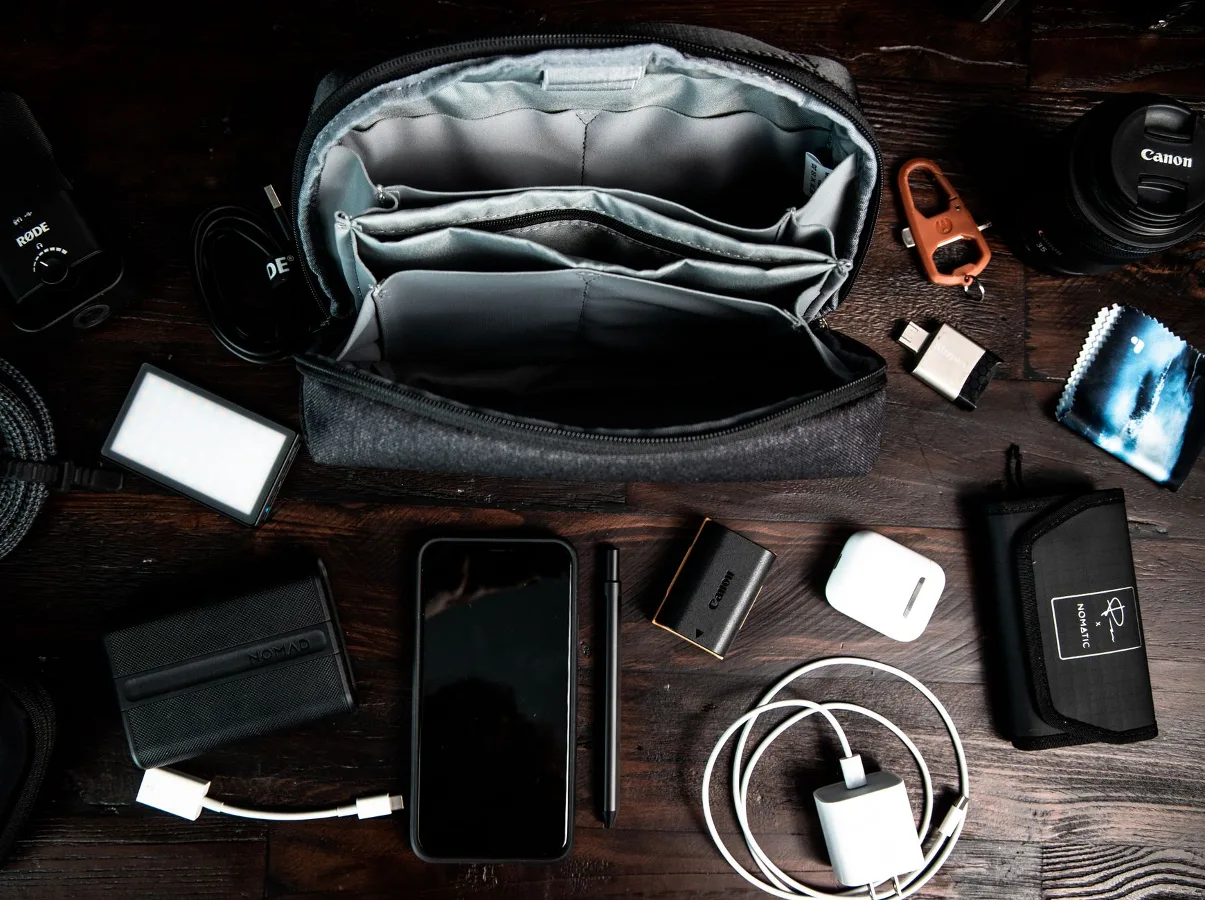
If you are shopping for an Omnicharge power bank, the main question is usually not whether it can charge a device, but which Omnicharge model or feature set fits the way you actually use power. That matters because Omnicharge products are often considered by people who need more than a basic phone charger: laptop users, frequent travelers, remote workers, and anyone who wants portable power with broader device support.
The right choice comes down to a few practical factors: how much capacity you need, whether your devices charge over USB-C, whether you want AC output, how portable the unit needs to be, and how often you expect to recharge the bank itself. If you focus on those basics first, the buying decision becomes much clearer.
Start with the kind of devices you need to power
Before comparing features, list the devices you want to charge most often. That may sound obvious, but it is the easiest way to avoid overbuying or choosing the wrong style of portable power.
For example, someone charging only a phone, earbuds, and a smartwatch has very different needs from someone trying to keep a laptop running during travel or while working away from a wall outlet. The more power-hungry the device, the more important output type and capacity become.
- Phones and earbuds: Usually the simplest use case, often best served by a lighter, more portable charger.
- Tablets: Need a bit more capacity and stable output, especially for longer sessions.
- Laptops: Require careful attention to USB-C power delivery or AC output compatibility.
- Mixed-device users: Benefit from multiple output options and enough capacity to handle several charges.
A common misconception is that any power bank labeled “high capacity” will handle a laptop well. Capacity matters, but so does output format. A large battery with the wrong output may still fall short for a laptop, while a more compact unit with the right USB-C power delivery support can be a better fit for mobile work. what to look for in a high-output charger offers more detail on this point.
The features that matter most in an Omnicharge power bank
Omnicharge is often discussed alongside premium portable power gear, so shoppers tend to compare more than just battery size. The most useful features depend on whether you prioritize convenience, flexibility, or device range.
1. Output type and charging compatibility
This is the first thing to check. If your devices charge through USB-C, that opens up a different set of options than older USB-A-only accessories. If you need to power something that normally plugs into a wall outlet, then AC output becomes more relevant.
For many buyers, USB-C power delivery is the most important spec because it can support fast, efficient charging for newer phones, tablets, and many laptops. Still, not every USB-C port behaves the same way, so it is worth confirming compatibility with your specific device.
2. Capacity versus portability
Higher capacity usually means more available power, but it also tends to mean more weight and bulk. That trade-off is especially noticeable if you plan to carry the unit in a backpack every day or pack it for air travel.
If your use case is light and predictable, a smaller charger may be easier to live with. If you need backup power through a long workday, travel layover, or power outage, you may prefer a more substantial unit even if it is less pocket-friendly.
3. Charging speed in both directions
People often focus on how fast a power bank charges devices, but how quickly the power bank itself recharges matters too. A higher-capacity charger that takes a long time to refill can become inconvenient if you use it frequently.
This is one of the more overlooked considerations. Buyers sometimes choose a very capable portable charger, then realize it is awkward to keep topped up between trips or workdays. If you rely on it often, recharge time becomes part of the ownership experience.
4. Number of outputs and simultaneous charging
If you regularly carry multiple devices, the ability to charge more than one item at a time can be useful. That said, charging multiple devices simultaneously can affect output sharing and may reduce speed on one or more ports.
For mixed-device households or travel setups, multiple outputs can be more valuable than peak capacity alone. For a single-device user, they may add cost without much practical benefit.
5. Display and power visibility
Some portable chargers provide more detailed power information than a simple four-light battery indicator. A better display can help you judge remaining power, expected runtime, and charging status more accurately.
This is especially useful for people who use portable power for work. If you are trying to manage a laptop, phone, and accessories throughout the day, visibility into remaining battery can reduce surprises.
Who an Omnicharge power bank is best for
An Omnicharge power bank tends to make the most sense for users who want more flexibility than a standard phone charger offers. That includes travelers who move between airports, hotels, and coworking spaces, but it also includes people who simply want a more capable backup at home or on the go. nb air power bank offers more detail on this point.
- Remote workers: Helpful when you need a practical backup for a laptop and phone.
- Frequent travelers: Useful when outlet access is uncertain or limited.
- Students: Can support long days between classes, libraries, and commutes.
- Creatives and field workers: Helpful for gear that needs dependable portable charging.
- Emergency preparedness shoppers: Useful as part of a broader backup power plan.
If your main goal is simply to keep a phone alive during a night out, a premium multi-output charger may be more than you need. In that case, a lighter and less expensive battery pack may be the smarter buy.
Where buyers sometimes overestimate what a power bank can do
One of the biggest mistakes is treating portable power like a substitute for a wall outlet without considering limits. Power banks are incredibly useful, but they are not infinite power sources. A laptop or high-draw accessory can drain them faster than expected, especially if you are using the device while charging it.
Another common mistake is focusing only on battery size and ignoring output compatibility. A unit can have plenty of stored energy and still be the wrong fit if it cannot supply the type of power your device expects.
Finally, some buyers underestimate the importance of cable quality. A good power bank cannot fully compensate for a poor cable, especially with USB-C devices. If charging seems inconsistent, the cable is worth checking before assuming the power bank is the problem.
Practical ways to narrow down the right model
If you are comparing Omnicharge options, it helps to think in use cases rather than model names alone. The right decision usually becomes clear once you match the charger to a routine.
Choose a lighter setup if you value portability first
If you want something that disappears into a bag and mainly supports phones or tablets, prioritize weight, size, and easy everyday carry. In this case, a compact charger will often feel better than a larger premium unit.
Choose a more capable unit if you need laptop support
If the goal is to keep a laptop usable away from a wall, make compatibility your top concern. Check the output standard, power delivery support, and whether the device can realistically meet your laptop’s charging expectations.
Choose a multi-output model if your devices stack up quickly
If you routinely charge a phone, earbuds, and another device, or if you travel with a companion, multiple outputs can be more useful than one very large battery. Just remember that simultaneous charging can affect speed.
Choose based on recharge habits if you use it often
If you use portable power every day, the time it takes to recharge the bank itself becomes a major factor. A model that is convenient to refill will usually feel better long term than one that looks impressive on paper but is awkward in practice.
Trade-offs to keep in mind before you buy
| Decision factor | What you gain | What you give up |
|---|---|---|
| Higher capacity | More charging headroom and fewer recharges | More weight and less travel convenience |
| USB-C focused design | Better compatibility with modern devices | May be less useful for legacy accessories |
| AC output support | Greater flexibility for wall-powered gear | Often adds bulk and complexity |
| Multiple ports | More devices charged at once | Power may be shared across outputs |
| Compact design | Easier carry and everyday use | Less reserve power for extended sessions |
This trade-off set is the real heart of the buying decision. There is rarely a universal “best” power bank. There is only the best fit for your devices, your bag, and your routine. LAX Power Bank Buying Guide offers more detail on this point.
Alternatives worth considering if Omnicharge is more than you need
Not every shopper needs a premium portable power setup. Depending on your use case, a simpler alternative may make more sense.
- Standard USB-C power bank: Best for phones, tablets, and light travel use.
- High-capacity laptop power bank: Better if your main priority is laptop support without extra features.
- Portable power station: Better for heavier gear, longer outages, or more AC-style use cases.
- Magnetic wireless power bank: Convenient for quick phone top-ups, but usually not ideal for laptops.
Choosing an alternative is not a downgrade. It is often the smarter purchase if you do not need the flexibility or premium feature set associated with more advanced portable chargers.
A simple buying framework that keeps the choice grounded
If you want a fast way to decide, use this order of priorities:
- List the devices you must charge.
- Check the charging standard each device needs.
- Decide whether portability or capacity matters more.
- Consider how often you will recharge the bank itself.
- Think about whether you need one device at a time or multiple outputs.
- Choose the simplest model that fully supports your real use case.
That final point is easy to overlook. More features are not automatically better if you will never use them. A carefully matched power bank usually feels more satisfying than a feature-packed one that is awkward to carry or slower to recharge.
What matters most for long-term value
Long-term value in a power bank is not only about battery size or initial appeal. It is about how well the charger fits everyday routines over time. A good purchase should reduce friction: fewer dead-phone moments, fewer outlet searches, and fewer compromises when you work or travel.
For Omnicharge shoppers, the best long-term value usually comes from matching the product to a specific role. That role might be a laptop backup, a travel companion, or a versatile all-purpose charging hub. Once the role is clear, the decision becomes less about chasing the biggest number and more about choosing the most useful tool.
If you are comparing options now, focus on output compatibility, portability, recharge behavior, and the devices you actually carry. Those are the factors that will matter after the packaging is long gone.
