
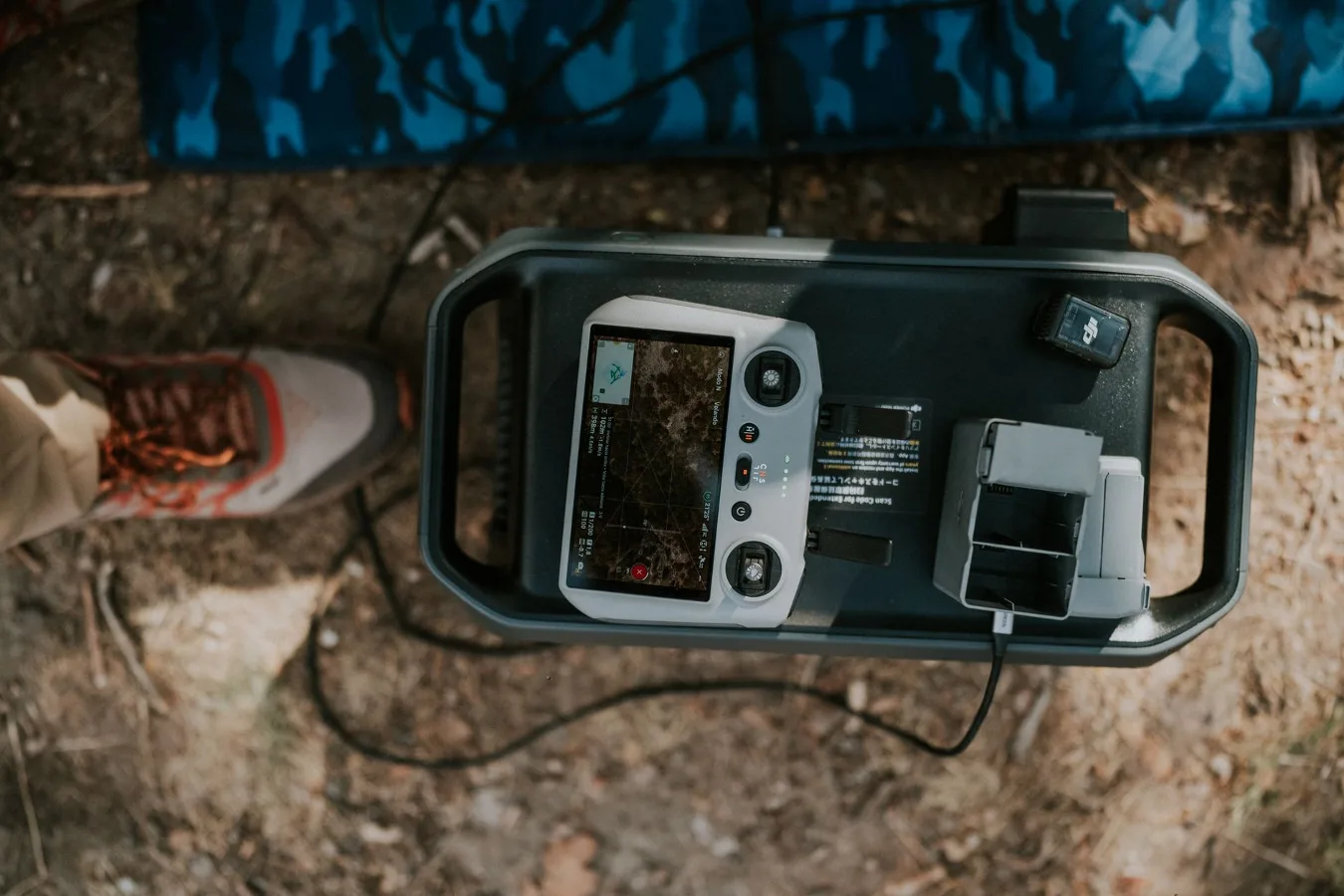
What an AAOYUN portable power station is meant to do
An AAOYUN portable power station is the kind of product people look at when they want quiet, rechargeable power for travel, outages, outdoor use, or small-device backup. The right way to evaluate it is not by the brand name alone, but by the jobs it needs to handle: charging phones, keeping a router running, powering a laptop, or supporting light appliances for a limited time. portable power station for fridge offers more detail on this point. Portable Power Station 3000W Guide offers more detail on this point.
If you are searching this keyword, you are probably trying to answer a practical question: is this the right portable power station for my use case? That depends on three things more than anything else: battery capacity, output capability, and recharge options. Those factors determine whether a unit is useful for emergencies, camping, RV trips, or simple desktop backup. battery capacity and wattage explained offers more detail on this point.
Because portable power stations vary widely, the safest approach is to compare the model against your actual devices rather than shopping by appearance or capacity alone.
When it matters most
An AAOYUN portable power station matters most when you need power without fuel, noise, or permanent installation. That makes it relevant for several common situations:
- Power outages: Keeping phones charged, maintaining internet access, or running a few essentials for a short period.
- Camping and travel: Charging electronics and supporting low-draw gear at a campsite or on the road.
- Home office backup: Preventing sudden shutdowns of a laptop, modem, or small monitor setup.
- Outdoor work: Powering tools or accessories only if the output is sufficient for the load.
- RV and van use: Supplementing onboard systems when you need a compact rechargeable source.
Where people sometimes misjudge these products is in assuming that any portable power station can handle almost anything. In reality, the usefulness depends on the wattage of the device you want to run, whether the output is AC, USB-A, USB-C, or DC, and whether the battery is large enough for the time you need.
How to evaluate the right AAOYUN model
The easiest way to judge an AAOYUN portable power station is to work through a simple decision process. This avoids buying a unit that looks versatile but does not fit your actual needs.
1) Match capacity to your use case
Capacity is the amount of energy the battery can store. For shopping purposes, it usually helps to think in terms of how many devices you need to charge and how long you need them to run. Small capacity may be enough for phones, earbuds, and a tablet. Larger capacity becomes more relevant for laptops, fans, routers, or multiple devices at once.
A common mistake is buying the largest battery available without considering weight, recharge time, and storage space. Bigger is not automatically better if the station will mostly sit in a closet or be carried short distances. On the other hand, undersizing is frustrating because the unit may run out too quickly during an outage.
2) Check output before you think about features
Output is what determines what the unit can actually power. A portable power station may have several ports, but that does not mean every port can support high-draw equipment. Look at the AC inverter output, USB-C delivery, and DC outputs separately. If you need to run a laptop, the USB-C port may be more efficient than using AC. If you want to support a small appliance, the AC output matters more.
This is an overlooked consideration for many buyers: a power station can have a useful battery size but still fail your needs if the inverter output is too limited or the port mix does not match your devices.
3) Think through recharge methods
Recharge options affect convenience more than many shoppers expect. A good portable power station should fit the way you plan to refill it, whether that is wall charging, car charging, or solar input. Solar compatibility is especially important if you want the unit to work off-grid or during longer outages.
If you intend to rely on solar, do not assume the panel setup will be simple by default. Solar charging depends on panel compatibility, sunlight conditions, input limits, and cable matching. That is why it helps to understand the whole charging system rather than treating the battery as a standalone box.
4) Consider portability honestly
“Portable” can mean very different things. Some power stations are genuinely easy to carry one-handed. Others are portable only in the sense that they are not permanently installed. Weight, handle design, and overall size matter if you plan to move it between the garage, car, campsite, and house.
If the station will mostly stay in one room, heavier weight may be acceptable. If you expect frequent travel, a compact layout can be more valuable than a larger battery that stays at home because it is too cumbersome to move.
5) Evaluate the port layout, not just the number of ports
The best power station for a real-world setup is often the one with the right port mix. Two USB ports may sound adequate until you need to charge a phone, a tablet, and a laptop at once. Likewise, AC outlets are useful, but not every device needs AC power. USB-C, DC, and AC together usually create the most flexible setup.
Look at whether the unit can handle your charging habits without forcing you into awkward adapters or daisy-chained accessories.
Examples of where an AAOYUN portable power station may fit well
These examples can help you decide whether this type of product belongs on your short list.
- Phone and tablet backup: A compact station can be useful if your main goal is keeping essential electronics alive during short outages.
- Laptop and router support: A better choice if you work from home and want to maintain connectivity during brief power loss.
- Weekend camping: Helpful for charging personal devices and running low-power accessories without a noisy generator.
- RV travel: Good as an auxiliary power source when shore power is unavailable or limited.
- Emergency kit: Worth considering if you want a rechargeable backup that is simpler to store than fuel-based equipment.
For higher-demand situations, such as heating appliances, kitchen equipment, or large power tools, a small portable station is often not the best fit. That is where buyers sometimes overestimate what a compact battery system can do.
Trade-offs to keep in mind
Portable power stations are convenient, but they come with clear trade-offs. Understanding them helps prevent disappointment after purchase.
Battery size versus mobility
Larger capacity usually means more runtime, but also more weight and bulk. If your use case involves carrying the station often, a mid-size unit may be more practical than the largest option available.
Quiet operation versus limited power
One advantage of battery-powered stations is quiet operation. The trade-off is that they cannot replace a fuel generator for every application. They are best viewed as clean, convenient power for moderate loads rather than a universal substitute for all backup needs.
Flexible outputs versus complexity
Multiple ports and charging methods improve flexibility, but they also make the product harder to compare at a glance. Buyers should slow down and match the specs to actual devices instead of choosing by the longest feature list.
Solar use versus dependency on conditions
Solar charging can be a strong advantage, but it is not guaranteed power. Weather, angle, panel size, and input limits all affect performance. For dependable emergency planning, solar is best treated as a supplement, not the only backup strategy.
Common mistakes shoppers make
- Buying by battery size alone: Capacity means little if the output cannot support your equipment.
- Ignoring startup demands: Some devices need more power to start than they do to keep running.
- Overlooking recharge time: A large battery that takes too long to refill may be less useful than expected.
- Assuming every port is equally powerful: Different outputs serve different purposes.
- Skipping device compatibility checks: Always compare your device requirements with the station’s rated outputs.
- Forgetting storage conditions: Battery products need reasonable storage habits to remain ready when needed.
A practical buyer does not just ask whether a portable power station is “good.” The real question is whether it fits the load, the location, and the way you will actually use it.
Step-by-step checklist before you buy
- List the devices you want to power.
- Check each device’s power needs and charging method.
- Decide whether you need short backup, extended runtime, or travel convenience.
- Compare capacity against the number of charges or hours you realistically expect.
- Verify AC, USB-C, USB-A, and DC port availability.
- Confirm recharge options: wall, car, and solar if needed.
- Consider weight and size if you plan to move it often.
- Review safety features and battery management basics in the product documentation.
- Think about storage space and how often you will keep it charged.
- Compare the station with alternatives if your use case is high power or long-duration backup.
Alternatives worth considering
An AAOYUN portable power station is not the only path to backup power. Depending on your needs, one of these alternatives may be a better fit:
- Power banks: Better for phones and tablets when you need something smaller and lighter.
- Gas or inverter generators: Better for higher power demand, but noisier and less convenient for indoor-adjacent use.
- UPS units: Better for desktop computers, modems, and networking equipment that need seamless switchover.
- Dedicated solar kits: Better when you want a more complete off-grid setup rather than a standalone battery box.
The useful distinction is this: portable power stations are usually the middle ground. They offer more versatility than a power bank and more convenience than a fuel generator for moderate needs.
FAQ
What is an AAOYUN portable power station best used for?
It is best for rechargeable backup power, travel charging, camping, and running modest electronics when you need portability and quiet operation.
Can a portable power station replace a generator?
Not always. A power station can be a better fit for small to moderate loads, but it may not be suitable for higher-demand appliances or long runtime needs.
Is solar charging worth considering?
Yes, if you want off-grid flexibility or a backup recharge option. Just make sure the solar input is compatible with the station and your panel setup.
What should I check first before buying one?
Start with your devices’ power requirements, then compare battery capacity, output type, recharge options, and portability.
Do all portable power stations work the same way?
No. Differences in inverter output, port mix, capacity, battery chemistry, and charging methods can make two similar-looking models very different in real use.
Final buying perspective
If you are considering an AAOYUN portable power station, the smartest approach is to judge it by fit rather than by category. The right unit should match your device list, your mobility needs, and your backup expectations without forcing you to compromise on the basics.
For light emergency power, travel charging, and moderate off-grid use, this type of product can make a lot of sense. For heavy appliances or extended whole-home backup, it is better to look at larger system alternatives. That distinction is what separates a useful purchase from an expensive shelf item.
