
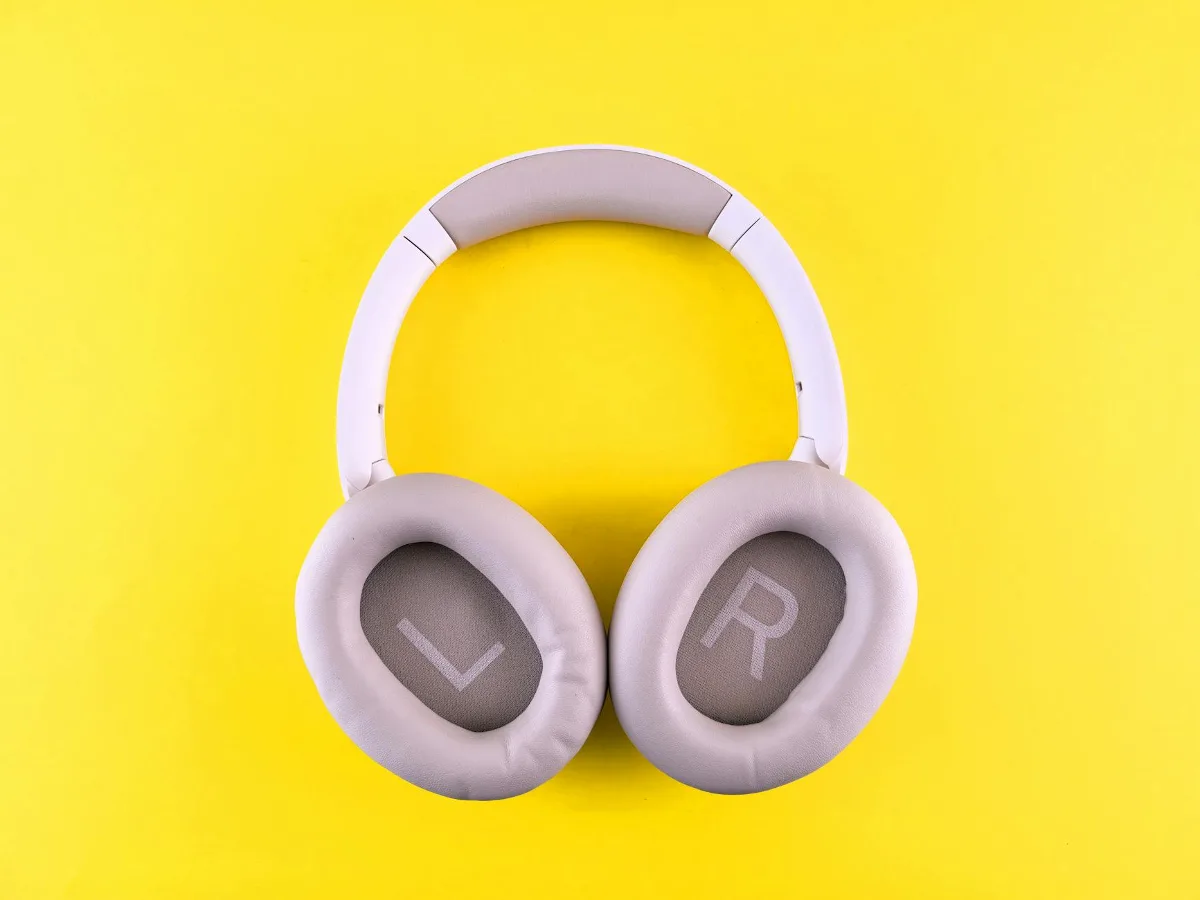
Noise cancelling headphones can be genuinely helpful for ADHD, but not because they “treat” ADHD. Their value is more practical: they can reduce the amount of background noise competing for your attention, which may make it easier to read, work, study, commute, or recover in loud environments.
The catch is that not every pair works the same way, and not every person with ADHD responds the same way. For some, strong noise reduction feels calming and helps with task initiation. For others, the wrong fit, pressure, or sound profile can become another distraction. The best choice depends on the kind of noise you want to reduce, how long you’ll wear them, and whether you need them for focus, comfort, or both. how noise cancellation actually works offers more detail on this point.
When noise cancelling headphones matter for ADHD
They tend to matter most when the problem is background noise that is hard to ignore. That might be an open office, roommates, household appliances, classroom chatter, traffic, HVAC noise, or the layered sound of a busy café. These environments can make it harder to hold attention because the brain keeps noticing new sounds, even when you are trying to concentrate on something else.
For many people with ADHD, the benefit is not silence. It is less competition from the environment. That distinction matters because the goal is usually to lower stimulation to a manageable level, not to block every sound around you.
They are also useful in situations where you want a consistent audio environment. Some people do better with a bit of music, brown noise, white noise, or simple ambient sound playing through the headphones. Others prefer them with no audio at all, just the reduction in outside noise.
How to choose the right pair: the criteria that actually matter
If you are buying noise cancelling headphones for ADHD, the most useful evaluation criteria are not flashy extras. Focus on the practical details that shape daily use.
1. Comfort for long wear
Comfort is usually the first thing to evaluate because even a strong noise cancelling feature is not useful if the headphones feel irritating after twenty minutes. Look at:
- earcup pressure
- headband clamp force
- ear pad material
- weight
- heat buildup over time
Over-ear designs are often preferred for longer sessions because they typically feel less intrusive than in-ear options, but that is not universal. Some people dislike the feeling of anything around the ears and do better with earbuds that have a good seal. The right choice is the one you can wear without becoming aware of it every few minutes.
2. Type of noise you need to reduce
Noise cancelling is not one single thing. There are two main forms of noise control:
- Active noise cancellation (ANC), which uses microphones and processing to reduce steady low-frequency sounds
- Passive noise isolation, which comes from the physical seal of the earcups or ear tips
ANC is often most noticeable on steady sounds like engines, air conditioning, or fan noise. Passive isolation can be more helpful for voices and sharper, irregular sounds. For ADHD, the best result often comes from a combination of both.
This is an overlooked point: many shoppers focus on ANC alone, but a good physical fit can matter just as much, sometimes more, especially in places where voices are the main distraction.
3. Sound profile and listening flexibility
Some people with ADHD use headphones to play music or ambient audio while working. In that case, sound quality and tuning matter. A very bass-heavy or overly sharp sound signature can become tiring over time, especially during focused work.
If you plan to listen to spoken content, podcasts, lectures, or audiobooks, prioritize clear mids and speech intelligibility. If you mainly want a calming background layer, comfort and low fatigue may matter more than detailed sound staging.
4. Controls that do not add friction
When attention is already fragile, complicated controls can get in the way. A simple on/off ANC switch, easy volume access, and quick connection to your device are useful. Some people prefer physical buttons over touch controls because they are easier to use without looking.
That small design detail can matter a lot if you are trying to reduce interruptions rather than create more of them.
5. Battery life and charging habits
Wireless headphones are convenient, but battery management becomes part of the experience. If you rely on them for work, school, or commuting, a dead battery can be more frustrating than no headphones at all.
Think about your routine. If you will use them for long stretches, choose a model that fits your actual charging habits. Wired headphones remove battery anxiety, though they may be less convenient depending on your devices and mobility needs.
6. Portability and everyday use
If you move between home, office, school, and travel, portability matters. Foldable designs, protective cases, and durable hinges can make a difference. If the headphones are too bulky to bring along, you may stop using them when you most need them.
What to expect from noise cancelling headphones if you have ADHD
They can help create a more manageable sensory environment, but they are not a cure for distraction. They work best as one tool in a larger system. For example, many people use them alongside:
- timers or task blocks
- a quiet workspace
- music or brown noise
- screen-free focus periods
- visual clutter reduction
Another common misconception is that stronger noise cancelling automatically means better focus. That is not always true. If the headphones make you feel disconnected, over-isolated, or uncomfortable, they may reduce one source of distraction while creating another.
For some users, a milder reduction in noise is actually easier to tolerate than a very aggressive ANC mode. Sensory preferences vary, and that variation matters.
Step-by-step criteria for choosing the right pair
- Start with your main use case. Are you buying for study sessions, office work, commuting, travel, or home life? The environment changes the priority list.
- Identify the dominant noise. Low hums, voices, keyboard noise, traffic, and household sounds behave differently. ANC is strongest against some noise types and weaker against others.
- Decide how much isolation feels comfortable. If total quiet feels unsettling, a lighter level of noise reduction may be the better fit.
- Check comfort details. Headband pressure, earcup depth, ear tip fit, and material can make or break day-to-day use.
- Think about portability. If you will carry them often, weight and case size matter more than most buyers expect.
- Choose the simplest controls you can live with. The fewer steps it takes to turn them on and use them, the more likely you are to reach for them consistently.
- Match them to your audio habits. If you listen to speech-heavy content, clarity matters. If you want background sound only, comfort and consistency may be enough.
Examples of different ADHD use cases
Studying in a shared space
If you study in a dorm, library, or coffee shop, look for a comfortable over-ear pair with dependable passive isolation and ANC that can reduce chatter and ambient noise. Speech-heavy environments are often more about reducing the sense of being surrounded than eliminating every sound.
Working in an open office
Open offices often create intermittent interruptions: conversations, keyboards, printers, and foot traffic. A pair with easy controls and all-day comfort may be more useful than one with the most aggressive noise cancelling. If you need to stay available for colleagues, consider how quickly you can remove or pause them.
Commuting or traveling
For trains, buses, and airplanes, stronger ANC can be especially useful against steady engine and cabin noise. Portability, battery life, and comfort over several hours should carry a lot of weight here.
Managing home noise
At home, the problem may be less about volume and more about unpredictability: a dishwasher cycling on, kids moving through the room, or a neighbor’s lawn equipment. In that setting, headphones that are easy to put on quickly can matter more than a premium feature list.
Common mistakes to avoid
- Buying for features instead of fit. A technically impressive model can still be a poor choice if it feels uncomfortable.
- Expecting total silence. Noise cancelling reduces certain sounds; it does not erase every distraction.
- Ignoring microphone or transparency needs. If you need to take calls or remain aware of your surroundings, check how the headphones handle those situations.
- Overlooking pressure and heat. What feels fine for ten minutes may become exhausting after an hour.
- Choosing based on hype alone. For ADHD use, practical comfort and noise control usually matter more than brand status.
When passive isolation may be the better choice
Not everyone needs active noise cancellation. If your main issue is workplace chatter, a snug passive seal may be enough. Some users also prefer passive isolation because it does not create the subtle pressure or processing sensation that ANC can produce.
Passive options can also be simpler, cheaper, and less dependent on charging. That makes them worth considering if your main goal is reducing distraction rather than getting the most advanced feature set.
On the other hand, if your environment has a lot of steady low-frequency noise, ANC may be the better fit. The practical answer often depends on where you spend time, not on the spec sheet.
Checklist before you buy
- Will I wear these for short bursts or long sessions?
- Is my main problem voices, engine noise, household hum, or general overstimulation?
- Do I prefer over-ear, on-ear, or in-ear styles?
- Do I want stronger isolation or a lighter, less intense listening experience?
- Will I need them for work calls or awareness of my surroundings?
- Do I prefer wireless convenience or the reliability of wired use?
- Are the controls simple enough that I will actually use them?
- Can I charge them often enough for my routine?
FAQ
Do noise cancelling headphones help ADHD?
They can help reduce distracting background noise and make it easier to focus, especially in busy or unpredictable environments. They do not treat ADHD itself, but they may support concentration and sensory comfort.
Are ANC headphones better than regular headphones for ADHD?
Often yes, if the problem is environmental noise. But regular headphones with a good seal can still be useful, especially if voices and sharper sounds are the main issue.
Are over-ear headphones better than earbuds for ADHD?
Over-ear models are often more comfortable for long sessions and may provide better passive isolation. Earbuds can still work well if you prefer a lighter feel or need something more portable.
Can I use noise cancelling headphones all day?
Many people do use them for long periods, but comfort, heat, and battery life matter. If you notice pressure, fatigue, or irritation, shorter sessions may be better.
What should I avoid if I am sensitive to sound?
Avoid choosing a pair based only on brand or features. A poor fit, harsh sound tuning, or overly strong ANC can be more distracting than helpful.
If you are choosing noise cancelling headphones for ADHD, the best option is usually the one that lowers the right kind of noise without creating new friction. Comfort, fit, and ease of use matter just as much as the headline ANC feature, and sometimes more. choosing headphones for sensory sensitivity offers more detail on this point. best noise cancelling headphones for mowing lawns offers more detail on this point.
