
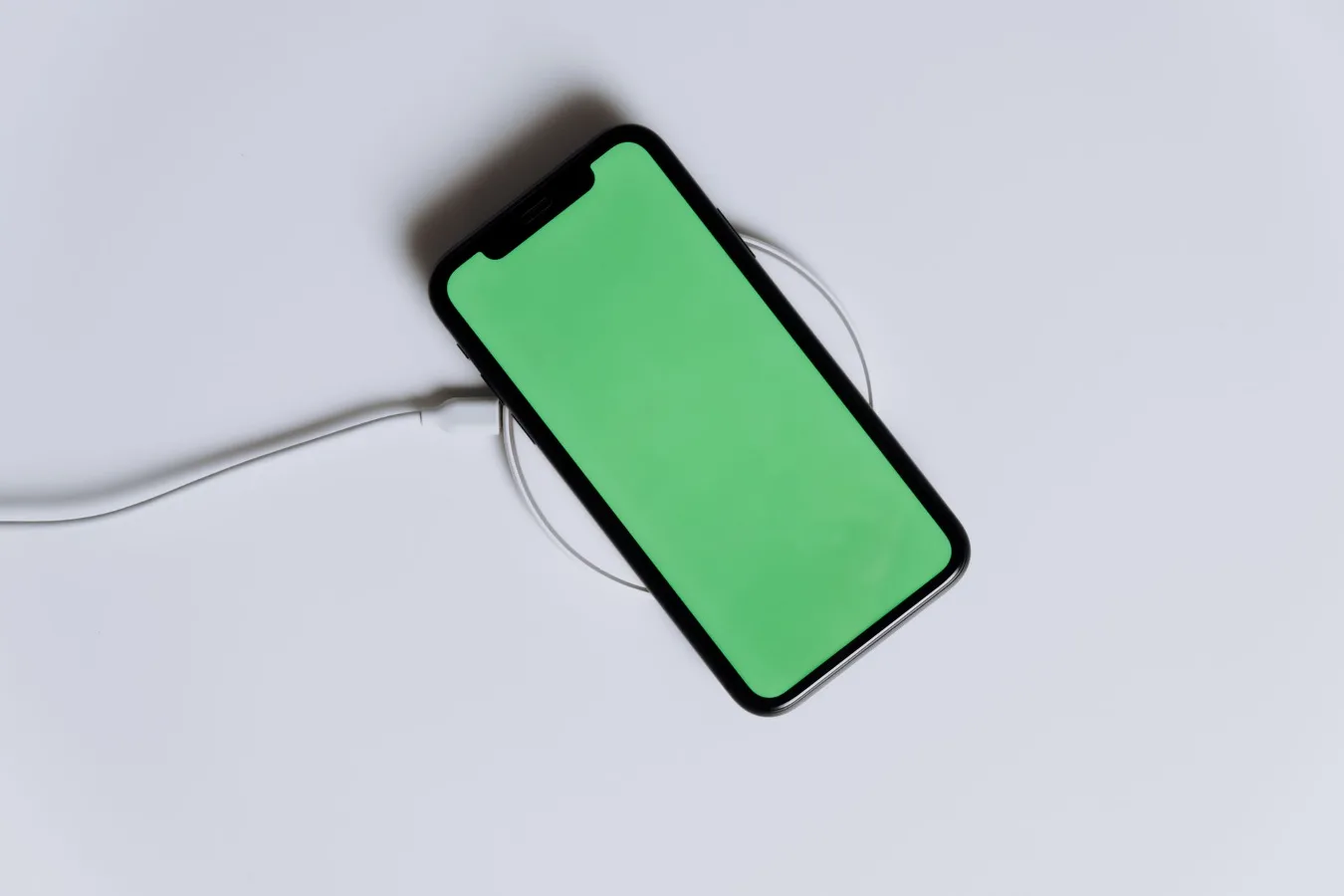
An auto wireless charging pad is a car charging solution that lets you power your phone without plugging in a cable every time. In most setups, the pad or mount also holds the phone in place, so it doubles as a convenient dashboard, vent, or windshield accessory.
For most shoppers, the real question is not whether wireless charging sounds convenient. It is whether the charger will fit the way you drive, the phone you use, and the layout of your car interior. That is where the differences between auto wireless charging pads start to matter. choosing the right phone charger offers more detail on this point.
Who an auto wireless charging pad is best for
This type of charger makes the most sense if you want a cleaner setup, quick grab-and-go use, or a phone mount that reduces cable clutter. Commuters, rideshare drivers, delivery drivers, and frequent road-trippers often like the convenience of dropping the phone into place and letting it charge while navigation runs in the background.
It is also useful for drivers who get tired of worn charging cables, loose connections, or the hassle of plugging and unplugging in a moving vehicle. If your phone lives on a mount for maps, calls, or music, a charging pad can simplify the routine.
That said, auto wireless charging is not ideal for every use case. If you constantly rely on very fast charging, use a thick rugged case, or switch between multiple phones with different sizes, the fit and charging behavior may be less predictable than with a wired car charger. wireless charging basics for phones offers more detail on this point.
The practical trade-offs before you buy
The biggest benefit is convenience. Wireless charging is easy to use, and a well-designed holder keeps your phone visible and accessible. For many people, that is enough reason to choose it over a basic USB charger.
The trade-off is efficiency. Wireless charging generally generates more heat than wired charging and can be slower depending on the phone, charger, power adapter, and alignment. That does not make it a bad choice, but it does mean expectations should stay realistic. If you start a short drive with a very low battery, a wireless pad may not recover as much charge as a wired option in the same amount of time.
Another practical issue is alignment. Some chargers rely on a precise centered position, while others use clamps, arms, or magnetic positioning to help the phone sit correctly. If alignment is off, charging can slow down or stop entirely. This is one of the most common frustrations people run into, especially in cars that vibrate a lot or have unusual vent layouts.
There is also the matter of cable management behind the scenes. Even though the phone connects wirelessly, the charger still needs power from the vehicle. A good setup usually depends on a reliable USB-C or USB-A power source, a quality car adapter, and tidy cable routing so the mount does not look messy or interfere with driving.
Material and build details that matter more than the listing suggests
For an auto wireless charging pad, the materials and construction affect grip, stability, and long-term usability more than many shoppers expect. Smooth glossy plastics may look sleek, but they can show fingerprints and sometimes feel less secure than textured surfaces with better phone contact points. Rubberized pads, soft-touch arms, and cushioned grips can reduce slipping and help protect your device from scratches.
If the charger uses a clamp or cradle, check the strength and shape of the holding arms. A weak clamp can fail over rough roads, while an overly stiff one can make one-handed placement awkward. The best balance is usually a secure hold that still lets you place and remove the phone easily.
Heat tolerance is another overlooked factor. A charger built with cheap-feeling plastics or poor venting may not age well in a hot parked car. Since car interiors can get warm quickly, materials that resist warping and grips that stay firm under heat are worth prioritizing.
Mounting hardware matters too. Vent mounts are convenient, but they may not suit every vehicle vent design. Dashboard and windshield mounts can be more flexible, though they depend on adhesive strength, suction quality, and surface preparation. If you drive in extreme temperatures or prefer a more permanent setup, placement choices deserve more attention than the charging pad itself.
Compatibility: the part that decides whether it works well
An auto wireless charging pad is only as useful as its compatibility with your phone. Start by checking whether your device supports wireless charging at all. Most modern smartphones do, but not every model does, and cases can change the experience.
Case thickness is one of the most common reasons charging feels inconsistent. Thin cases are usually easier to work with than very thick protective ones, and cases with metal plates or mixed materials can interfere with wireless power transfer. If you use a magnetic accessory system, verify that the mount style and phone case are intended to work together.
Phone size also matters. A larger phone may sit differently in a cradle, shift the center point away from the charging coil, or press against side arms in a way that affects stability. If you upgrade phones often, look for a charger with adjustable supports and a wide compatibility range rather than one that only seems tailored to a single model.
Power delivery from the car adapter is part of compatibility too. A charger can be well designed but still underperform if it is paired with the wrong adapter or an underpowered port. For buyers comparing options, the charging pad and the in-car power source should be treated as one system, not separate purchases.
Speed is useful, but only if the whole setup supports it
Marketing language around wireless charging can make speed sound like the only factor that matters. In practice, usable charging performance depends on several pieces working together: the phone, the pad, the cable, the adapter, and the alignment in the mount.
That is why a slightly slower charger with excellent stability may be a better daily choice than a spec-heavy model that is fussy to position. For commuting, consistency often matters more than headline speed. A charger that starts reliably, holds the phone securely, and keeps the screen visible can be more useful than one that requires constant adjustment.
Heat management also affects performance. As phones warm up, charging behavior can change. If your route includes long periods of GPS use, streaming audio, or direct sun exposure, a charger that allows airflow around the phone may be preferable to a design that traps heat.
Mounting style: choose based on how you actually drive
Different mounting styles solve different problems. Dashboard mounts usually give a stable line of sight and work well if you like your phone close to eye level. Windshield mounts can offer flexibility, but they may block more of the glass area and can be sensitive to temperature changes. Vent mounts are compact and convenient, though they depend heavily on the strength and shape of the vents.
If you use navigation every day, placement can matter more than charging speed. A charger mounted too low or too far to the side can force awkward glances away from the road. On the other hand, a setup that sits too high may feel intrusive or block climate controls. The best location is the one that fits your habit pattern without creating a distraction.
Magnetic models deserve a special note. They are appealing because they are simple, but they work best when the phone and case are compatible with the magnetic system and when the alignment is dependable. If you want a more universal option, a clamp-style charger may be the safer bet.
Common mistakes shoppers make
- Buying for the phone before checking the car. A charger can be compatible with your phone and still be awkward in your vehicle.
- Ignoring the power adapter. The mount is only one part of the system, and the wrong adapter can limit results.
- Assuming every case will work the same. Thickness, materials, and built-in metal components can affect charging.
- Choosing style over stability. A sleek mount is not helpful if it slips on rough roads.
- Overlooking airflow and heat. Wireless charging plus navigation can create more warmth than expected.
- Expecting wired-charger behavior. Wireless charging is convenient, but it is not always the fastest option.
When a wired charger may be the better choice
There are good reasons to stick with a wired car charger. If your priority is maximum charging consistency, a wired connection is usually the simpler solution. It is also easier to manage with phones or cases that are less cooperative with wireless power transfer.
Wired charging can make sense if you drive short trips and need the quickest possible battery recovery, or if your phone tends to overheat when mounted in the sun. It is also a sensible backup for people who already use a phone mount but do not want to depend on wireless alignment.
For some drivers, the best answer is not either-or. A wireless charging pad can be the everyday convenience choice, while a wired cable stays in the glove box for emergency top-offs or long drives.
How to narrow down the right model
Use your normal driving routine as the filter. If you navigate every day, prioritize a stable mount and easy viewing angle. If you move between cars, portability and easy installation matter more. If your phone has a thick case, look closely at the charger’s tolerance for case thickness and placement flexibility. If your vents are fragile or oddly shaped, avoid vent-only designs. car phone mount placement tips offers more detail on this point.
Then compare the less glamorous details: cable length, whether the mount can be adjusted with one hand, whether the grip feels secure, and whether the unit leaves room for charging ports or other controls in the car. These practical details often separate a charger that feels convenient from one that becomes annoying after a week.
Think about future changes too. If you plan to upgrade your phone or change cases, a more adjustable charger may age better than a model that only fits your current setup. That is especially useful in a family vehicle where different phones may rotate through the same mount.
Next steps before you add one to your car
Start by confirming that your phone supports wireless charging and that your preferred case is likely to work with it. Then decide where the charger should live in the car: dash, vent, or windshield. After that, compare how the mount secures the phone, how it gets power, and how much adjustment it offers.
If you want the cleanest everyday setup, choose a model that balances secure mounting, straightforward placement, and reliable compatibility over flashy features. If you are mainly looking for a road-trip accessory, focus on heat behavior, grip, and viewing comfort. If you share the car with other drivers, favor flexible sizing and a layout that is easy for different people to use.
The best auto wireless charging pad is not simply the one with the strongest claims. It is the one that fits your phone, your car, and the way you actually drive without asking for constant attention.
