
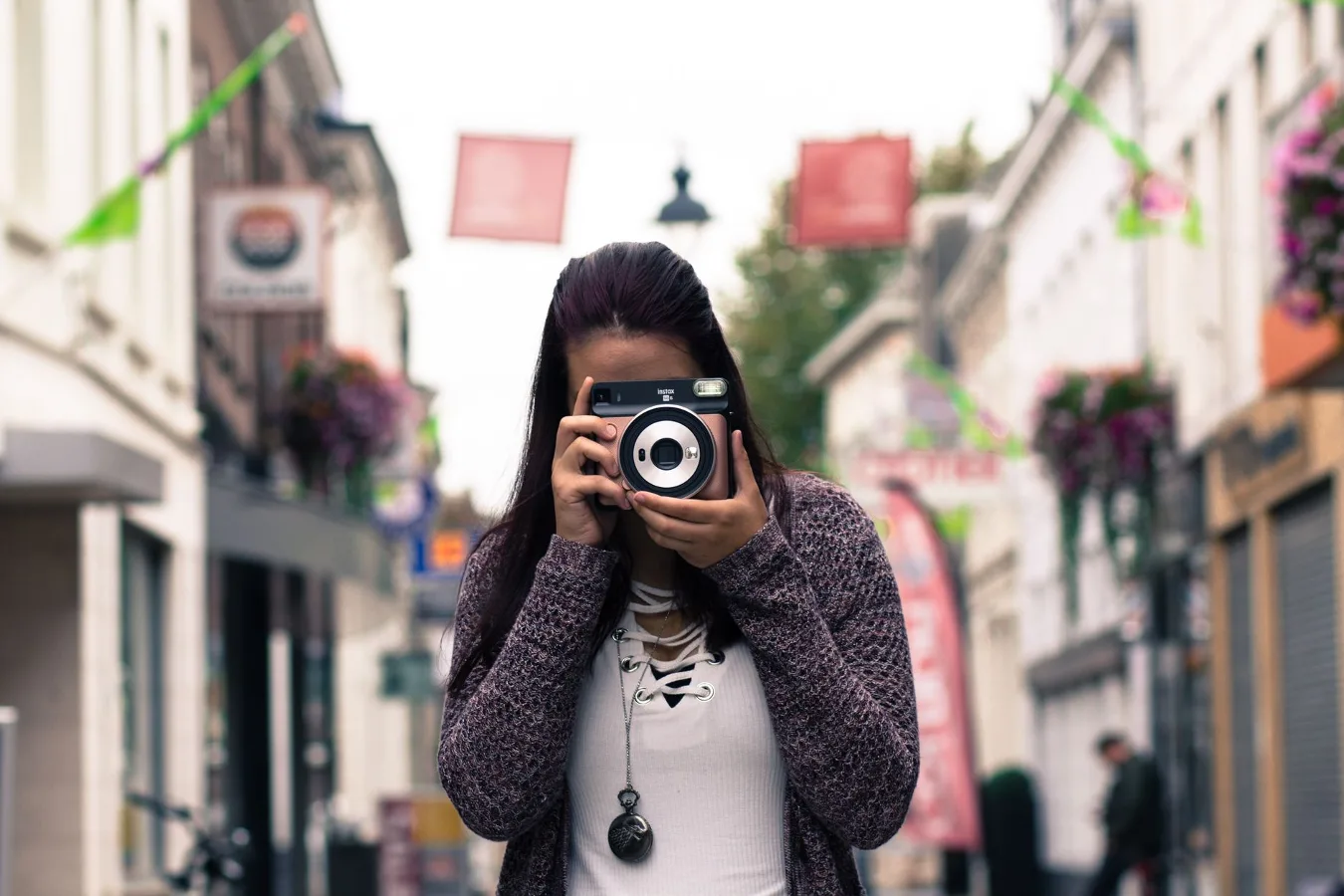
What an action snap camera is best for
An action snap camera is usually a compact, ready-to-shoot camera designed for moments when speed matters more than complex settings. People look for this kind of camera when they want something easy to carry, quick to wake up, and simple to use for travel, events, family outings, street scenes, or active days outdoors. best cameras for travel and everyday carry offers more detail on this point.
The phrase can mean slightly different things depending on the store or brand, but the core idea is consistent: a camera that helps you capture fast-moving, spontaneous moments without a heavy setup. That makes it different from larger interchangeable-lens cameras and also different from a phone, which may be convenient but not always as comfortable, durable, or purpose-built for shooting.
If you are trying to decide whether an action snap camera is worth buying, the main question is not whether it is the “best camera” overall. It is whether it fits your shooting habits better than a smartphone, a compact point-and-shoot, or an action camera built for rugged use. compact camera buying guide offers more detail on this point. Tactacam Action Camera Buying Guide offers more detail on this point.
Key factors that matter most
Size and pocketability
The first thing to check is whether the camera is actually easy to carry. A true action snap camera should be compact enough that you do not leave it behind. If it is too bulky, it stops being the kind of camera you will keep with you regularly.
Pay attention to the shape, not just the dimensions. A camera can be small on paper but awkward in a jacket pocket, sling bag, or belt pouch. Rounded edges, a secure grip, and a lens that does not protrude too much all help make the camera more practical in real use.
Controls and speed
Speed is one of the defining reasons to choose this type of camera. Look for controls that are easy to understand without digging through menus. A good layout usually includes a responsive shutter button, simple mode switching, and a screen or interface that makes quick adjustments painless.
This matters because many people miss shots not due to image quality, but because the camera takes too long to be ready. If you want a snap camera for casual use, fast startup and straightforward operation are more valuable than complicated creative features you may never touch.
Image quality in real conditions
Image quality is still important, but it should be judged in context. For this category, the real question is how the camera handles everyday scenes: indoor light, outdoor daylight, motion, and mixed lighting. A camera can look fine in ideal conditions and still disappoint when the light drops or the subject moves quickly.
Instead of chasing the highest possible spec sheet, think about the situations you will actually shoot. For example, if you plan to use the camera at parks, concerts, road trips, or family gatherings, consistent autofocus behavior and usable low-light performance may matter more than advanced manual controls.
Durability and environmental fit
If you want an action snap camera for travel, active use, or unpredictable weather, durability becomes a major factor. That does not always mean full ruggedization. It may simply mean a camera that feels solid, is easy to handle, and can tolerate being tossed into a bag more often than a delicate larger system.
Think about where you will use it most. A camera for city walks has different needs than one for beach trips, hiking, amusement parks, or sports sidelines. In those settings, protection from dust, splashes, bumps, and quick changes in temperature can matter more than extra creative modes.
Battery life and charging convenience
Small cameras often trade size for battery capacity, so this is an easy detail to overlook. If you plan to shoot all day, battery life and charging method should be part of the decision. A camera that is easy to recharge but drains quickly can still work well for short outings, while longer trips may require spare batteries or portable charging options.
Also consider how often you will review photos on the screen. Frequent previewing, screen brightness, wireless transfer, and video use all affect battery longevity. The more self-contained the camera needs to be, the more important this becomes.
Lens behavior and zoom range
For an action snap camera, the lens often shapes the whole experience. A fixed lens can keep the camera simpler and lighter, while zoom adds flexibility for framing distant subjects. The right choice depends on how you shoot. If you like simplicity and are mostly capturing everyday scenes, a straightforward lens may be enough. If you want more range for travel or events, zoom can be valuable.
There is a trade-off, though. More zoom or more lens complexity can sometimes mean a larger body, slower operation, or lower overall convenience. That is why the best option is usually the one that balances flexibility with the kind of speed you actually want.
Practical ways to choose the right one
The easiest way to narrow your options is to work backward from use case. Ask where the camera will live most of the time and what problem it solves better than your phone or other gear.
- For travel: prioritize portability, battery convenience, and a lens that handles a range of scenes.
- For everyday carry: focus on pocketability, fast startup, and simple controls.
- For outdoor activity: look for better grip, toughness, and tolerance for changing conditions.
- For family or event snapshots: favor quick autofocus, easy operation, and dependable flash or low-light behavior.
- For casual content creation: look for stable handling, easy transfer options, and a layout that keeps shooting simple.
A common mistake is buying for features that sound impressive but do not support the way you actually shoot. For instance, a camera with many scene modes may still feel frustrating if it is slow to turn on or awkward to hold. For this category, convenience is often the real performance metric.
Compatibility and workflow
It helps to think beyond the camera body itself. Memory card support, charging cable type, file transfer options, and companion software can all affect day-to-day usability. A camera that is slightly less exciting on paper may be much easier to live with if it fits smoothly into your existing setup.
If you regularly move files to a laptop, tablet, or phone, make sure the workflow is realistic. A good action snap camera should reduce friction, not create another step you dread after every shoot.
Comfort in the hand
This is an overlooked consideration. Compact cameras are not always comfortable just because they are small. Some feel slippery, cramped, or hard to grip for longer periods. If you expect to use the camera one-handed or while moving, comfort matters almost as much as image quality.
Look for thoughtful placement of the shutter button, dials, and strap points. A camera that feels secure to hold is more likely to be used often, which is ultimately the point of choosing a snap-friendly model in the first place.
Action snap camera vs. other camera types
Understanding the alternatives can make the decision clearer.
- Smartphone: often the most convenient option, but not always as comfortable for sustained shooting or as dedicated to the task.
- Compact point-and-shoot: similar in spirit, usually best for simple photography with minimal setup.
- Action camera: better for mounting, rugged use, and video-heavy situations, though not always ideal for casual still photography.
- Mirrorless camera: more capable and flexible, but less convenient for spontaneous carry.
If your main priority is quick still photos and easy handling, an action snap camera can be a better fit than a larger mirrorless setup. If your priority is video, mounting, and extreme durability, a dedicated action camera may make more sense. If you want the smallest possible workflow, your phone may still be the practical winner.
Common mistakes to avoid
One mistake is assuming that every small camera is automatically convenient. Some compact models are still menu-heavy or slow to respond. Another is focusing only on resolution or zoom without considering ergonomics, battery life, and startup speed.
People also underestimate how much the screen, button layout, and carrying method affect actual use. A camera that feels easy for the first five minutes may become annoying after a weekend trip if it is difficult to access, hard to recharge, or uncomfortable to hold for long periods.
Finally, do not assume a camera marketed for action or spontaneity is the best choice for rugged outdoor use. “Action” can be a broad label. Check whether the design truly matches your environment, especially if you expect dust, moisture, or frequent bumps.
Who should buy one
An action snap camera is a smart choice if you value quick access, simplicity, and portability more than advanced controls. It is especially appealing for people who want a dedicated camera without the weight and complexity of a larger system.
It may also suit users who find phone photography too dependent on apps, touchscreens, or fragile handling. A physical camera can be easier to operate when you want a more focused shooting experience and fewer distractions.
On the other hand, if you rarely carry extra gear, already get the results you want from your phone, or need serious zoom and low-light capability, you may be better served by a different camera type.
Practical buying checklist
- Is it truly small enough to carry every day?
- Can you turn it on and shoot quickly?
- Are the controls simple enough for repeated use?
- Does it fit the lighting and motion conditions you actually face?
- Will the battery and charging setup work for your routine?
- Does the grip feel secure enough for active use?
- Is the workflow for files and memory cards convenient?
- Would a phone, compact camera, or action camera serve you better?
If the answer to most of these questions is yes, you are probably looking at the right category. If several are no, the issue is usually not the camera itself but the mismatch between the camera type and your shooting habits.
FAQs
Is an action snap camera the same as an action camera?
Not always. An action snap camera usually emphasizes quick, casual still shooting in a compact body, while an action camera is often built around rugged mounting and video use. Some models overlap, but the intended use can be different.
Is a compact camera better than a smartphone for snapshots?
It depends on what you value. A compact camera can offer a more dedicated shooting experience, better handling, and fewer distractions. A smartphone may still win on convenience because it is already with you.
What matters more than resolution?
For this category, speed, handling, autofocus behavior, battery life, and overall usability often matter more than resolution alone. A camera that is easy to carry and quick to use is more likely to be useful day to day.
Should I choose zoom or fixed lens?
Choose fixed lens if you want simplicity and portability. Choose zoom if you need more framing flexibility for travel or events. The trade-off is usually between convenience and versatility.
What is the biggest mistake buyers make?
The most common mistake is buying for specs instead of use case. A camera can look impressive on paper and still be awkward in real life if it is too slow, too bulky, or uncomfortable to carry.
Final decision guidance
If you are shopping for an action snap camera, start with the shooting habit, not the feature list. The right model should feel easy to bring along, fast to use, and comfortable enough that you actually reach for it often.
For most buyers, the best choice is the camera that disappears into the routine: simple controls, manageable size, dependable battery behavior, and a form factor that suits the places you shoot. That is where this category earns its value.
Choose the model that matches your real-world conditions, and you will get more from it than from a camera that looks better on a spec sheet but stays at home.
