
Start with the right use case
The best iPhone 14 Plus phone case is the one that matches how you carry and use the phone, not just how it looks in photos. A larger phone like the iPhone 14 Plus can feel more secure with the right case, but the wrong choice can make it bulky, slippery, or awkward to use one-handed. how to choose a case for larger iPhones offers more detail on this point. Best iPhone 15 Plus Phone Case Guide offers more detail on this point.
If your priority is keeping the phone light and easy to pocket, a slim case usually makes the most sense. If you tend to drop your phone, work outdoors, or carry it in a bag with keys and other items, protection and raised edges matter more than a minimal profile. Many buyers end up choosing between comfort, grip, and impact protection rather than focusing only on color or finish.
That trade-off is the core decision. A good case should solve a real problem: better hold, safer corners, scratch resistance, MagSafe support, or extra coverage around the screen and camera. If you start with the scenario instead of the style, the choice becomes much easier.
What matters most in an iPhone 14 Plus case
Because the iPhone 14 Plus has a large display and prominent camera housing, a case needs to do more than just cover the back. The most useful buying factors are fit, materials, protection level, grip, and compatibility with charging or accessories.
Fit and button feel
A case should fit the iPhone 14 Plus precisely. Loose corners, poor cutouts, or stiff buttons can make the phone frustrating to use. Button coverage is helpful, but the buttons still need to feel responsive enough for volume and lock-screen control. A precise fit also helps keep dust from creeping into the edges.
Protection around the screen and camera
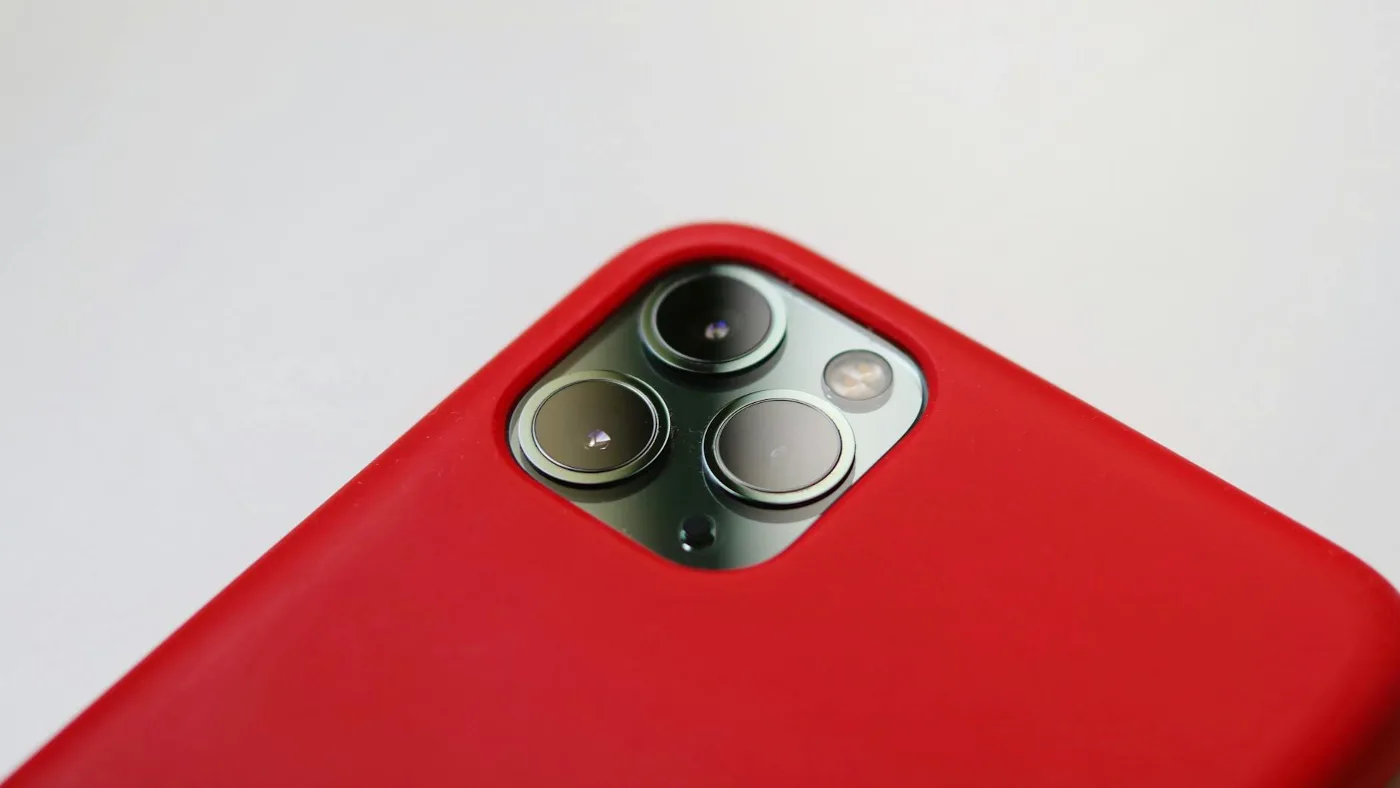
Raised edges are one of the most overlooked features in a case. They help keep the display and camera lens from contacting flat surfaces when the phone is placed face down or rear down. This is especially relevant on a larger phone where the camera module can sit close to the surface if the case is too shallow.
For buyers who prioritize protection, look for cases that mention corner reinforcement, shock-absorbing construction, or raised bezels. Those details matter more than decorative finishes. A case can look premium but still leave the phone exposed if the edges are too low.
Grip and pocket feel
The iPhone 14 Plus is not a tiny device, so grip matters. Smooth glossy cases can feel sleek, but they may be easier to slip from your hand. Textured sides, softer materials, or subtle contours often improve confidence without adding too much bulk. For many people, grip is the difference between a case that feels safe and one that feels annoying.
Charging and accessory compatibility
If you use wireless charging or MagSafe accessories, confirm that the case supports them properly. Some cases are designed with built-in magnets or alignment rings, while others are simply thin enough to charge through without issue. Very thick or heavily reinforced cases can reduce convenience, especially if you use car mounts, wallets, or stands. MagSafe accessories for iPhone users offers more detail on this point.
Material choices and what they usually mean
Material is where many buyers overthink the details, but the practical differences are fairly straightforward. The right material affects grip, flexibility, long-term appearance, and how much protection the case can realistically offer.
TPU and flexible hybrid cases
Thermoplastic polyurethane, often called TPU, is common in soft or semi-flexible cases. It usually adds grip and absorbs minor bumps well. Hybrid cases combine TPU sides with a harder back panel, aiming to balance protection and a more structured feel. This style works well for everyday users who want dependable coverage without going full rugged.
Polycarbonate shells
Polycarbonate is a harder plastic often used for the back of protective cases. It can help the case maintain shape and resist scratches, but by itself it may feel slicker than softer materials. It is often paired with TPU or another impact-absorbing layer to create a more balanced design.
Clear cases
Clear cases are popular because they show off the phone’s color and design, but they have a few trade-offs. They can pick up smudges, show scratches, and may yellow over time depending on the material and exposure to sunlight or everyday wear. If you want a clear case, pay attention to whether it uses anti-yellowing materials and how easy it is to clean.
Leather and leather-style finishes
Leather cases appeal to buyers who want a more refined look and a slightly more secure hand feel. They can develop wear over time, which some people like and others prefer to avoid. Leather also tends to require more care than basic plastic cases, so it is a better fit for someone who values finish and texture as much as protection.
Rugged materials and reinforced builds
Heavier-duty cases often use layered construction, reinforced corners, or thicker bumpers. These are useful if you work in more demanding environments or simply prefer a more confidence-inspiring case. The trade-off is obvious: more protection usually means more bulk. For some users that is worth it; for others it makes the phone less pleasant to carry.
How to balance protection with everyday comfort
One common misconception is that the most protective case is automatically the best case. In practice, protection only helps if you are comfortable using the phone every day. A bulky case that you hate holding may get removed more often, which defeats the purpose.
Think about where the phone spends most of its time. If it lives in a car mount, work bag, or desk setup, added thickness may be less of a problem. If you keep it in front jeans pockets or use it constantly with one hand, slimmer edges and better grip may matter more than maximum impact coverage.
There is also a practical middle ground: a slim or medium-profile case with raised edges, decent corner coverage, and textured sides. That style often gives the best mix of usability and protection for most people. It may not be the toughest option on the market, but it is often the most realistic one to live with.
Special features worth considering
Some features are useful only for certain buyers, while others solve everyday annoyances.
- MagSafe support: helpful if you use magnetic chargers, wallets, or mounts.
- Anti-slip texture: useful for a larger phone that can feel awkward in smaller hands.
- Camera lip protection: reduces wear when setting the phone down on desks or counters.
- Raised screen edges: adds extra insurance against front-facing scratches.
- Reinforced corners: useful for people who worry about drops from hand height.
- Easy-to-clean finish: matters if you use your phone often while commuting, traveling, or working on the go.
Not every feature is worth paying for. For example, if you never use magnetic accessories, a MagSafe-compatible case may not add much value unless it also improves alignment or keeps future accessory options open. Likewise, very heavy-duty cases can be unnecessary if your daily routine is mostly desk-based.
Common mistakes people make when buying one
Many disappointing case purchases come from focusing on appearance first and practical details second. A case can look excellent online and still feel wrong in the hand.
- Buying for style only: attractive finishes do not guarantee good grip or strong edges.
- Ignoring compatibility: not every case works well with every charger, wallet, or mount.
- Choosing too much bulk: extra protection can make the iPhone 14 Plus cumbersome.
- Overlooking the camera bump: shallow cutouts can leave the lens area exposed on flat surfaces.
- Forgetting about cleaning: glossy and clear cases may need more maintenance to stay presentable.
- Assuming all slim cases protect equally: some thin cases only help with scratches, not harder drops.
A good rule is to decide what failure you want to prevent. If the concern is scratches, almost any decent case helps. If the concern is drop damage, look for stronger corners and better material construction. If the concern is day-to-day handling, grip may be the real priority.
Which case type fits which buyer
| Buyer scenario | Best case direction | Why it fits |
|---|---|---|
| Minimalist everyday use | Slim TPU or hybrid case | Adds basic protection without making the phone feel oversized |
| Frequent drops or outdoor use | Rugged or reinforced case | Focuses on corners, shock absorption, and higher coverage |
| MagSafe-heavy setup | MagSafe-compatible case | Supports chargers, wallets, and mounts more reliably |
| Style-first buyer | Clear, leather, or premium-finish case | Balances appearance with moderate daily protection |
| Large-phone comfort concerns | Textured slim case | Improves grip without excessive bulk |
How to evaluate before you buy
If you are narrowing down options, use this simple order of priorities: fit, protection, grip, then features. That order keeps you from paying extra for add-ons before you know the core case is actually suitable.
- Confirm the model: make sure the case is made specifically for the iPhone 14 Plus.
- Check the protection style: decide whether you need slim, balanced, or rugged coverage.
- Review the edges: look for raised lips around the screen and camera.
- Consider the finish: choose grip, clarity, or premium feel based on how you use the phone.
- Verify accessory support: make sure wireless charging or MagSafe use will not be a problem.
- Think about maintenance: some materials show wear, smudges, or yellowing more quickly than others.
This sequence is especially useful if you are comparing several cases that all look similar online. The meaningful differences are usually in edge height, material, grip, and fit quality rather than surface styling.
Practical next steps
If you are buying an iPhone 14 Plus phone case for yourself, start with your actual habits. If you use the phone mostly at home or work, a slim or medium-profile case may be enough. If you carry it constantly, travel often, or have a habit of setting it down on rough surfaces, prioritize stronger coverage and raised edges.
For most buyers, the best compromise is a case that feels secure in the hand, keeps the phone compatible with charging needs, and does not add so much thickness that the device becomes hard to enjoy. The iPhone 14 Plus already has a large footprint, so a case should improve handling rather than fight against it.
If you are still undecided, compare three categories: slim everyday cases, MagSafe-compatible balanced cases, and rugged protective cases. That usually reveals which direction makes the most sense before you narrow down colors or brand styling.
FAQ
Do I need a MagSafe case for the iPhone 14 Plus?
Only if you use magnetic chargers, wallets, stands, or car mounts and want the best alignment. If you do not use those accessories, a non-MagSafe case can still work well.
Are clear cases a bad choice for long-term use?
Not necessarily, but they usually need more upkeep. Smudges, scratches, and yellowing are the most common concerns, so material quality matters.
What is the safest case style for everyday use?
A balanced hybrid case is often the most practical option for many people. It usually offers better protection than a basic slim case without becoming too bulky.
Should I choose a rugged case for a large phone?
Choose rugged protection if you regularly drop your phone or use it in tougher environments. If you mostly want easier handling, a slimmer case may be more comfortable.
How can I tell if a case will protect the camera?
Look for a raised camera lip or a design that keeps the lens area recessed when the phone is placed on a flat surface.
