
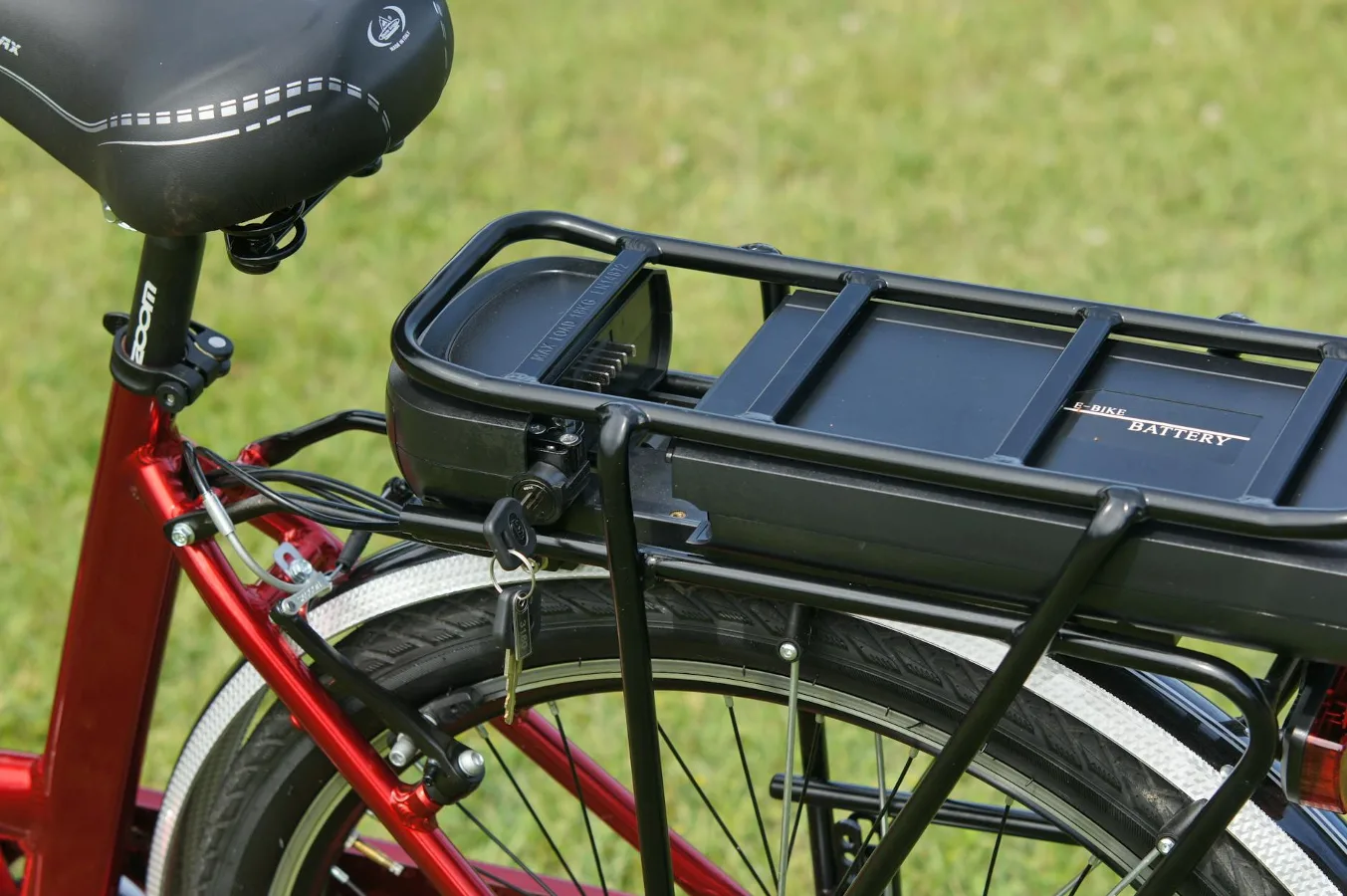
Why the right e-bike charger matters
A battery charger for an e-bike is not just a replacement accessory. It has to match the battery’s voltage, connector, and charging requirements closely enough to work safely and reliably. The wrong charger can charge too slowly, fail to connect properly, or create avoidable wear over time. The right one supports dependable daily use and helps protect the battery you already own. marine battery charger offers more detail on this point. 24v battery charger offers more detail on this point. Battery Charger for Marine: A Practical Buying Guide offers more detail on this point.
For most buyers, the first question is simple: what charger works with my e-bike battery? The answer depends on battery chemistry, voltage, connector style, and whether you want a standard charger, a compact travel charger, or a faster unit for convenience. If you are replacing a lost charger or upgrading from the original one, compatibility should come before everything else.
This guide breaks down the practical factors that matter most, including the details people often overlook until they are already stuck with the wrong product.
Start with compatibility, not brand
The most common mistake is shopping by e-bike brand alone. A charger that works for one model may not work for another, even within the same brand family. What matters is the battery’s specifications and the charging port.
Check these points first:
- Battery voltage — The charger should match the battery system voltage used by the bike.
- Connector type — The plug must fit the battery charging port correctly.
- Battery chemistry — Most modern e-bikes use lithium-ion batteries, but charger requirements can still vary.
- Original charger guidance — If the bike came with a charger, the safest replacement usually follows the same basic output profile.
Voltage mismatch is the biggest red flag. Even if a plug looks similar, that does not mean the charger is suitable. Connector shapes, pin layouts, and polarity can differ in ways that are not obvious from the outside.
The key factors that affect your choice
Voltage and output
A charger’s output has to align with the battery system. In practice, buyers often see charger labels that reference the battery’s voltage class. That label is the first thing to verify before anything else. If you are unsure, check the battery label, the original charger, or the owner’s manual.
Do not assume that a higher-output charger is automatically better. Faster charging may be convenient, but it can also increase heat and place more demand on the battery and its management system. For many riders, the standard charger remains the most balanced option for routine use.
Charging speed
Charging speed is usually a trade-off between convenience and battery care. A higher-amperage charger can reduce wait time, which is helpful for commuters or frequent riders. But faster is not always ideal if the battery will be charged daily, stored for long periods, or used in warm conditions.
Consider how you actually ride:
- Daily commuting may benefit from a convenient standard or moderately faster charger.
- Occasional riding often does not need a high-speed model.
- Travel or backup use may favor a smaller, lighter charger over a fast one.
The best charger is often the one that fits your routine, not the one with the highest output on the box.
Connector fit and cable design
Connector mismatch is a practical headache because it can make an otherwise compatible charger useless. Some e-bike batteries use barrel-style connectors, while others use proprietary plugs or pin-based designs. A charger should connect securely without forcing the plug or wobbling in the port.
Cable length also matters more than many shoppers expect. A short cable can be frustrating in garages, apartments, or storage rooms where outlets are not close to the bike. On the other hand, an overly long cable can be awkward to manage and store. Think about where you will actually charge the battery.
Safety features
For a device used with lithium-ion batteries, safety is not optional. A quality charger typically includes protections against overcharging, overheating, short circuits, and unstable power delivery. Those features help reduce risk during normal use, especially if you charge overnight or leave the battery connected for long periods.
Look for a charger from a reputable source with clear labeling and basic safety information. Avoid products that are vague about output, connector compatibility, or intended battery type. If the listing is unclear, that uncertainty is a reason to keep looking.
Portability and storage
Some riders only need a charger that stays at home. Others want one that can live in an office, travel bag, or second location. If portability matters, weight, size, and cable management become more relevant.
A compact charger can be easier to carry, but smaller size should not come at the expense of basic safety or compatibility. Also consider how the charger will be stored between uses. Heat, moisture, and physical strain on cables can shorten the usable life of accessories over time.
Smart charger, standard charger, or fast charger?
Many e-bike buyers see these terms and assume they describe clearly separate categories. In reality, the differences are often more about charging behavior and convenience than dramatic performance changes.
Standard chargers are the safest default for many riders. They are usually straightforward, broadly compatible with the intended battery type, and appropriate for everyday charging.
Smart chargers may manage charging more carefully, often with features that help reduce unnecessary stress once the battery nears full charge. For buyers who want a more hands-off experience, this can be a useful upgrade.
Fast chargers are appealing when turnaround time matters. They are worth considering if you rely on the bike heavily and understand the trade-off that faster charging can bring more heat and potentially less gentle battery treatment.
The right choice depends on your use case. If your e-bike is a daily transportation tool, convenience may matter. If you are focused on long-term battery care, a standard or smart charger is often the better fit.
Common mistakes to avoid
- Buying by plug shape only. A connector that looks right may still be electrically wrong.
- Ignoring voltage. This is one of the most important compatibility checks.
- Choosing the fastest option automatically. Faster charging is not always the best choice for battery longevity.
- Replacing the charger with a generic model without checking the battery. Generic can work in some cases, but only when the output and connector are truly compatible.
- Overlooking the battery manual. The manufacturer’s guidance is often the most reliable starting point.
A less obvious mistake is assuming all charging concerns are solved by the charger itself. Battery condition, storage habits, and temperature also affect how safely and efficiently the system charges.
How to decide what you actually need
A useful way to choose is to work backward from your riding habits.
If you commute every day
Prioritize dependable compatibility, a charger that is easy to use regularly, and a charging speed that fits your schedule without feeling rushed. A standard or moderately faster smart charger is often the most practical choice.
If you charge in multiple places
Portability becomes more important. A compact charger with a manageable cable and secure connector may be worth more than a larger unit with extra features you will rarely use.
If battery care is your top concern
Focus on stable operation, proper match to the battery, and features that support controlled charging. Avoid oversizing the charger just for convenience.
If your original charger failed
Use the battery label and the old charger details as your reference points. Matching the original output profile and connector type is usually the safest route unless the manufacturer says otherwise.
What to check before you buy
Before ordering, confirm the following:
- Battery voltage
- Connector and polarity
- Charging port style
- Whether the charger is intended for lithium-ion batteries
- Cable length and storage needs
- Any manufacturer guidance on replacement chargers
If you are uncertain about any of these, it is better to pause than to guess. A charger is a small accessory compared with the battery it supports, but compatibility mistakes can be expensive and inconvenient.
Practical alternatives if you are not replacing the original charger
Sometimes the best solution is not a direct replacement. Depending on your situation, these alternatives may make sense:
- Second charger for work, travel, or a second home.
- OEM replacement if you want the closest match to the original setup.
- Smart charger upgrade if you want more controlled charging behavior.
- Portable backup charger if reliability away from home matters more than speed.
These options are worth comparing because the cheapest charger is not always the best value if it does not match how you actually use the bike.
FAQ
Can I use any charger with my e-bike battery?
No. The charger has to match the battery’s voltage, connector type, and charging requirements. A plug that fits is not enough by itself.
Is a faster e-bike charger always better?
Not necessarily. Faster charging is convenient, but it can create more heat and may be less gentle on the battery than a standard charger.
How do I know if a replacement charger is compatible?
Check the battery label, the original charger details, and the manufacturer’s guidance. Voltage, connector type, and polarity all need to line up.
Should I keep the charger plugged in after the battery is full?
Follow the battery and charger manufacturer’s instructions. Many users unplug after charging to keep habits simple and reduce unnecessary time connected.
What is the safest default choice for most riders?
For most users, the safest starting point is a charger that closely matches the original specifications and comes from a reputable source with clear compatibility information.
Choosing with confidence
The best battery charger for an e-bike is the one that matches your battery, suits your charging habits, and avoids unnecessary strain on the system. For many riders, that means starting with compatibility, then deciding whether convenience, portability, or charging speed matters most. If you keep those priorities in order, the buying decision becomes much simpler.
Used carefully, a well-matched charger is a quiet but important part of e-bike ownership: dependable, routine, and easy to overlook until you need it. That is exactly why choosing it well matters.
