
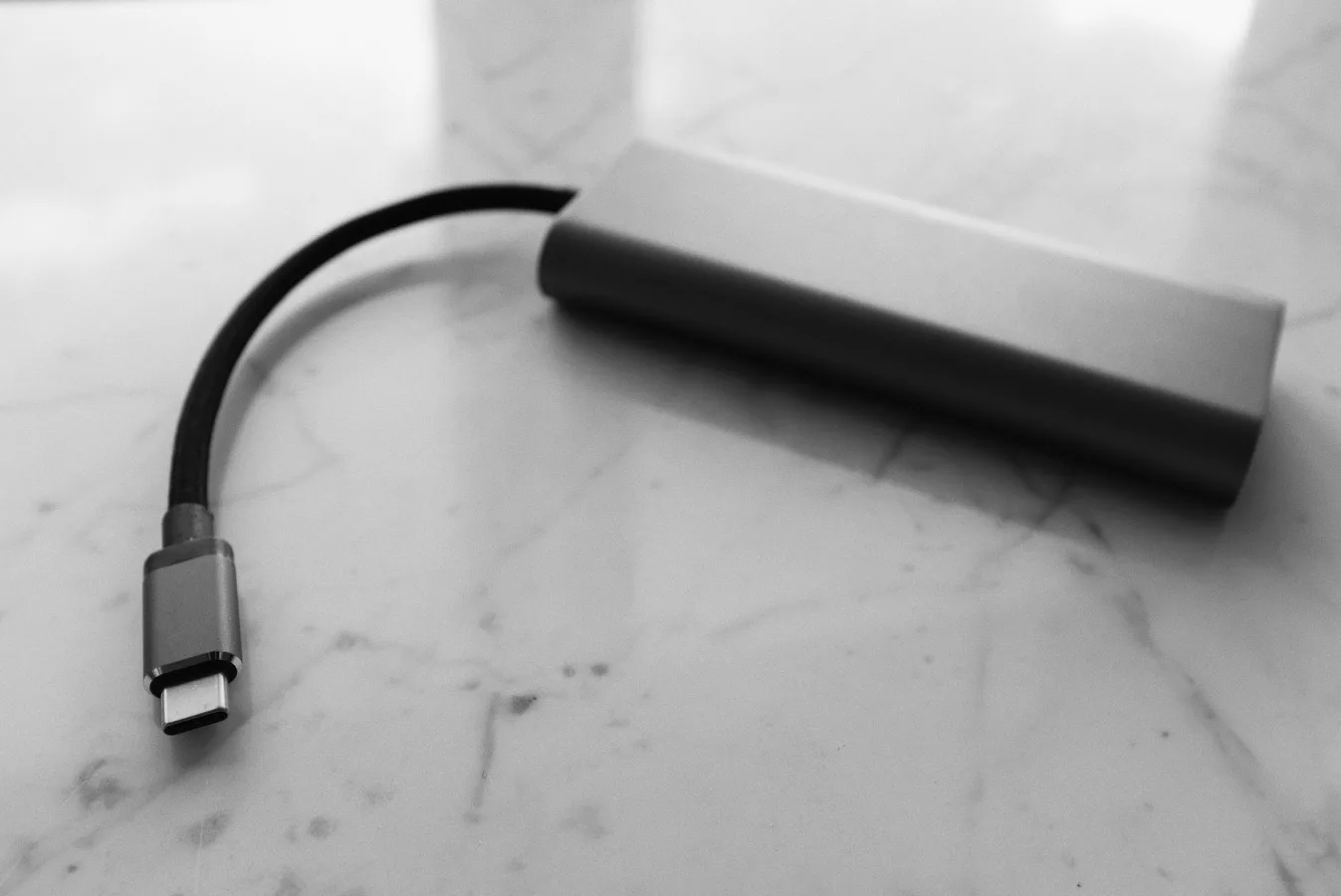
When a dock portable power bank makes sense
A dock portable power bank is worth considering if you want one charging setup that can live on a desk or nightstand and still travel with you when needed. The “dock” part usually refers to a base, stand, cradle, or magnetic resting position that makes charging and storage easier than juggling a loose battery pack and cable. battery care and storage tips offers more detail on this point.
That combination is most useful for people who split time between home, office, and transit. You get a place to set the battery down, a cleaner charging routine, and, in some designs, a more convenient way to keep a phone visible while it charges.
It is not the best choice for every user. If your main priority is the smallest possible battery for a backpack or emergency kit, a plain pocketable power bank may be a better fit. If you mainly charge multiple devices at once, a compact power strip or desktop charging hub may solve the problem more effectively. best power bank for hiking offers more detail on this point.
What to look at first
The right dock portable power bank depends on how you charge, where you use it, and how much convenience you want to carry around. A polished design is nice, but the practical details matter more.
Charging method
Start by deciding whether you need wired charging, wireless charging, or both. Wired USB-C output is usually the most flexible because it works with many phones, tablets, earbuds cases, and small accessories. Wireless or magnetic charging can be more convenient on a desk, but it often trades some efficiency and universal compatibility for ease of use.
If you use a newer smartphone with magnetic alignment, a dock-style magnetic battery can feel very streamlined. If your devices vary widely, a conventional USB-C power bank with a docked base may be more versatile than a magnet-only design.
Dock style and footprint
Some products use a simple charging base where the battery rests upright. Others act more like a stand, letting the phone sit in a visible angle while charging. A few include a dock that doubles as a home storage station. Think about how much space you can spare on a desk, bedside table, or kitchen counter.
A larger dock may be easier to use, but it may also be less travel-friendly. A small battery with a compact base can be the better compromise if you want a place for the charger at home and the freedom to take it out the door.
Portability versus convenience
This is the main trade-off. A docked design often improves everyday convenience, but the extra hardware can add bulk compared with a bare battery pack. If you plan to carry it every day, pay attention to how the dock and battery fit together, whether the base is separate, and whether the system still feels manageable in a laptop bag or commuter tote.
For home office use, that extra size may be worth it. For travel, especially air travel or minimal packing, simpler is often better.
Step-by-step criteria for choosing one
- Identify the primary device. A phone-only setup has different needs than a mix of phone, earbuds, and tablet.
- Choose the charging style. Decide whether you want the fastest and broadest compatibility from USB-C, or the ease of a wireless or magnetic dock.
- Check the dock’s purpose. Some docks are just storage and display; others actually support charging alignment and convenience features.
- Think about daily location. A desk dock needs stability and neat cable management. A travel-friendly dock needs a smaller footprint and simple packing.
- Review device compatibility. Make sure your phone case, charging standard, and connector type will not interfere with the setup.
- Consider how you will store it. If the battery sits unused for long periods, easy access to both battery and cable becomes part of the value.
Common use cases and what each one needs
Desk or home office use
For a desk, a dock portable power bank works best when it keeps the battery organized and the phone easy to read at a glance. A stand-style dock can reduce cable clutter and make it easier to glance at notifications while charging. If your workspace is already crowded, compactness and cable routing matter more than the visual style. best portable power solutions for travel offers more detail on this point.
Nightstand charging
On a nightstand, the main benefit is convenience. You can set the battery in one place instead of searching for it every morning. If the design supports phone positioning, that can make it easier to keep alarms visible. Just make sure the dock does not block other essentials like a lamp, watch charger, or water bottle.
Commuting and short trips
For commuting, the question is whether the dock adds useful structure or unnecessary bulk. If the battery will spend most of its time in a bag, a docked system should still be simple enough to disconnect and repack without friction. If it feels awkward every time you move it, the convenience at home may not justify it.
Travel backup
As a travel backup, the main benefit is having a charger that works in two places: one at the hotel or rental and one in your bag. The limitation is that dock-style accessories can be less compact than plain power banks. If you travel light, size and ease of packing may outweigh the organization benefit.
Compatibility details that are easy to overlook
One common mistake is assuming that any dock portable power bank will behave the same way with every phone. Compatibility is broader than connector shape.
- Phone case thickness: Some wireless or magnetic setups work poorly through thick or unusual cases.
- Alignment: Dock-style wireless charging depends on the device sitting in the right position.
- Cable direction: If the dock uses a cable, the port location can affect desk placement and convenience.
- Multi-device behavior: Some products charge one device best and become less efficient when several are connected at once.
- Accessory overlap: A magnetic dock may conflict with ring holders, wallets, or other attachments.
This is where buyers often overestimate convenience. A product can look elegant on the product page and still be annoying if the phone needs to be nudged into position every time.
Practical trade-offs to expect
A dock portable power bank usually offers a better everyday routine than a loose battery pack, but it rarely wins every category at once.
- More convenient, less compact: Docking improves organization, but often adds size.
- Cleaner setup, less flexibility: A dedicated dock may look and feel better in one place, but be less adaptable elsewhere.
- Wireless ease, potential efficiency loss: Wireless charging is convenient, yet wired charging is still often the more universal choice.
- Desk-friendly, bag-dependent: Some units shine at home and feel less natural on the move.
That balance is not a flaw. It is the product category doing what it was designed to do: bridge the gap between stationary charging and portable backup.
Examples of the right fit
If you work from a desk most of the day and want a battery that lives in one spot until you need it, a dock portable power bank can be a strong match. It gives you a simple place to charge the battery and a tidy way to keep your phone supported.
If you move between rooms, coffee shops, and meetings, the best option may be a slimmer power bank with a separate stand or cable. That setup keeps the battery portable without forcing you into a larger dock system.
If you use a single compatible smartphone and value magnetic alignment, a docked magnetic battery can be very convenient. If you charge mixed devices, favor broader connectivity and treat the dock as a bonus rather than the main reason to buy.
Checklist before you buy
- Does it support the charging method you actually use?
- Will it fit your desk, nightstand, or bag without feeling awkward?
- Is the dock part of the value, or just a cosmetic add-on?
- Will your phone case or accessory setup interfere with charging?
- Is the design easy to pick up, disconnect, and repack?
- Does it handle your main device first, rather than promising everything?
- Would a plain power bank or charging stand solve the same problem more simply?
Common mistakes buyers make
One mistake is choosing the most feature-rich option instead of the one that fits the actual routine. A dock, wireless pad, extra ports, and magnetic alignment can sound ideal, but each added feature can increase size, complexity, or cost.
Another mistake is overlooking where the product will spend most of its time. A dock portable power bank that stays on a bedside table does not need the same portability profile as one meant for daily commuting.
A third mistake is assuming the dock itself adds charging performance. In many cases, the dock is about convenience and organization, not better battery technology. Compare function first, style second.
Alternatives worth considering
If a dock portable power bank seems close to what you need but not quite right, a few alternatives may work better:
- Standard USB-C power bank: Best for simple, broad-use portability.
- Wireless charging stand: Better for a fixed desk or nightstand setup.
- Magnetic battery pack: Useful if you want quick attach-and-go convenience with a compatible phone.
- Multi-port desktop charger: Better for charging several devices from one place.
- Charging hub with cable management: Good if the main problem is desk clutter rather than battery backup.
These alternatives are not inferior. They are simply more focused. The right choice depends on whether your problem is power, organization, portability, or all three.
FAQ
What is a dock portable power bank?
It is a portable battery backup designed to sit in a dock, cradle, or stand for easier storage and charging. Some versions also help position a phone while it charges.
Is a dock portable power bank better than a regular power bank?
Better depends on the use case. A dock-style model is often more convenient for desks and nightstands, while a regular power bank is usually simpler and easier to carry.
Do dock portable power banks work with any phone?
Not always. Compatibility depends on the charging method, connector type, wireless support, case thickness, and alignment requirements.
Are dock portable power banks good for travel?
They can be, but only if the added dock does not make the setup too bulky for your bag. Travelers who pack light may prefer a smaller power bank and separate stand.
What should I prioritize first when comparing options?
Start with compatibility and your main charging method, then look at portability, dock design, and how well the product fits your daily routine.
