
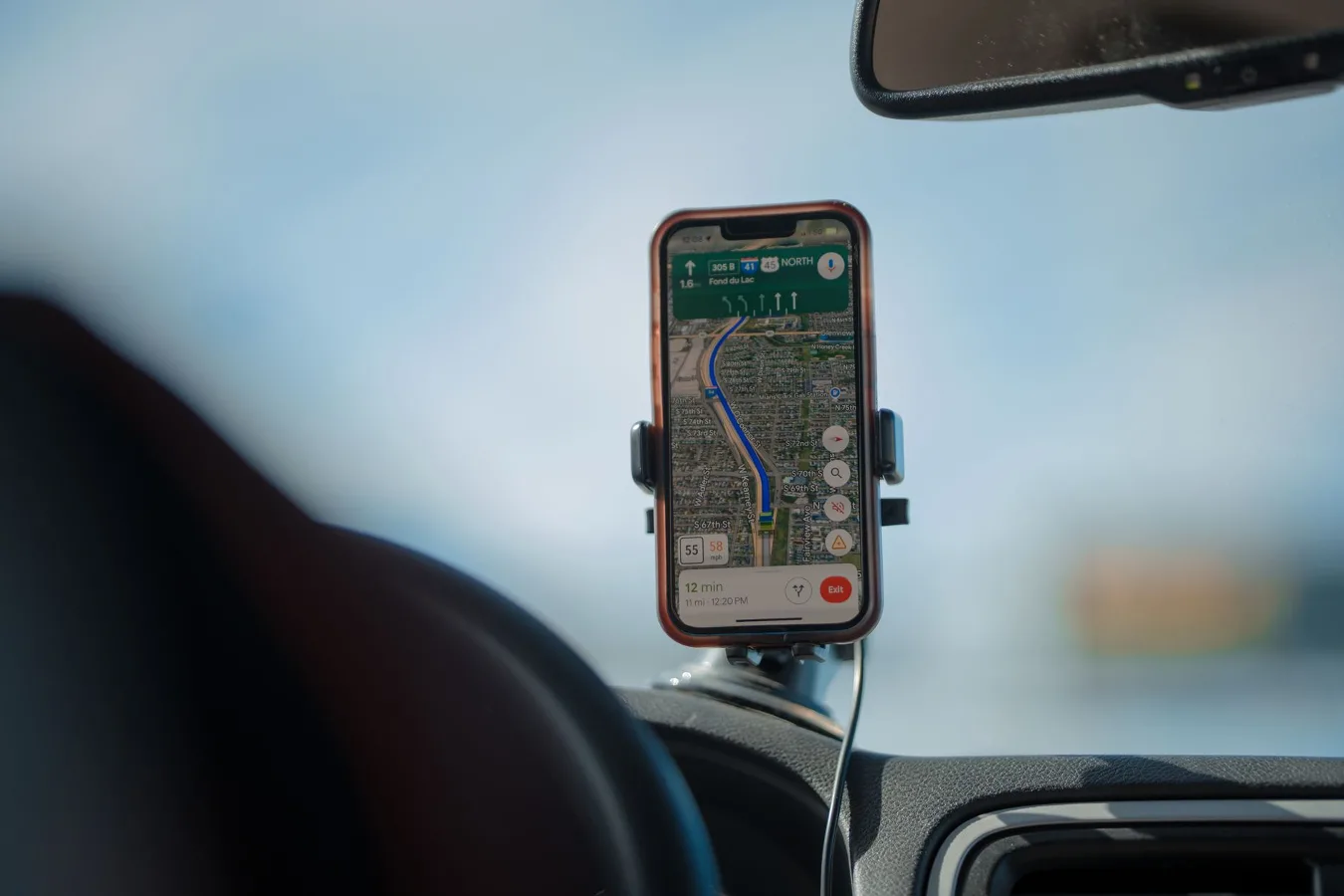
A cell phone car cup holder mount is a good choice if you want your phone within easy reach without clipping to a vent or sticking anything to the dashboard. It fits into the cup holder, creates a raised mounting point, and can be especially useful in cars where vent clips are awkward, dash surfaces are textured, or you want a removable setup for commuting and travel. car phone mount comparison guide offers more detail on this point. suction cup car phone mount offers more detail on this point.
The best version is the one that matches your car’s cup holder size, keeps the phone steady, and places the screen where you can glance at it without creating clutter. That may sound simple, but the details matter: some mounts sit too low, some wobble in shallow holders, and some block access to nearby controls. Choosing well is less about chasing features and more about getting the right balance of fit, height, and ease of use.
Why a cup holder mount makes sense
For many drivers, a cup holder mount solves a practical problem. It avoids adhesive residue, usually installs without tools, and tends to work in vehicles where other mount styles are limited. It can also be a better fit for drivers who move the mount between vehicles or prefer not to attach anything permanent to the interior.
This style is not perfect for every cabin layout, though. Because it rises from the center console area, it can take up a cup holder you may want for drinks. It can also position the phone lower than a windshield or high dash mount, which some drivers prefer for navigation and visibility. That trade-off is worth thinking about before buying.
Quick answer: what to look for first
If you want the short version, start with these four checks:
- Cup holder fit — the base should expand or lock securely into your specific cup holder shape.
- Adjustability — the arm and head should let you set the phone at a comfortable viewing angle.
- Stability — the mount should stay put on turns, rough pavement, and stop-and-go traffic.
- Phone compatibility — make sure it works with your phone size and case thickness.
Once those basics are right, you can compare extras such as magnetic attachment, one-hand operation, telescoping arms, and 360-degree rotation. Those features are helpful, but they should not outweigh fit and stability.
How cup holder mounts compare with other car mounts
Each mount style solves a different problem. A cup holder mount usually sits between the simplicity of a vent clip and the permanence of a dashboard or windshield mount.
| Mount type | Main advantage | Common limitation | Best for |
|---|---|---|---|
| Cup holder mount | Easy installation and no adhesive | Uses a cup holder and may sit lower | Drivers who want a removable, stable setup |
| Vent mount | Often compact and easy to reach | Can stress vents or block airflow | Cars with sturdy vents and limited console space |
| Dashboard mount | Can place the phone higher in view | May need adhesive or a suction base | Drivers who want a more elevated viewing position |
| Windshield mount | Flexible placement and visibility | May be restricted by local laws or interfere with sight lines | Drivers who prefer a high-mounted setup where allowed |
The best choice depends on the car, not just the phone. A cup holder mount is often a strong option for SUVs, trucks, and vehicles with deep center consoles, but it can feel awkward in cars with poorly placed cup holders or limited space around the shifter.
Fit matters more than the product photo suggests
One common mistake is assuming that “universal” means problem-free. Cup holder sizes vary, and interior shapes do too. A mount that feels secure in one car may lean, twist, or ride too high in another. how to choose a hands-free driving mount offers more detail on this point.
Look for an expandable base or a design that clearly explains how it fits into different cup holder diameters. If your vehicle has a tapered holder, a flexible base may help. If the holder is very shallow, a mount with a long stem can feel less secure than it looks in the listing images. In that case, a shorter, more rigid design may be a better match.
Also consider whether the mount needs space around it to rotate or extend. A cup holder next to a gear selector, parking brake, or large center console lid may limit how much the arm can move. That limitation is easy to overlook until the mount is already in the car.
Stability and adjustability are the real quality checks
A cup holder mount should do two things well: keep the phone steady and let you position it naturally. Those are related, but not identical. Some mounts offer lots of movement and still wobble. Others are very rigid but hard to angle correctly.
For stability, pay attention to the base design and the arm length. A shorter arm often flexes less, while a long gooseneck can be more flexible but may bounce more on rough roads. In general, the farther the phone sits from the base, the more movement you may notice.
For adjustability, look for a head that rotates and tilts smoothly without loosening too easily. A 360-degree swivel can be useful if you switch between portrait and landscape, but only if it stays where you set it. If the joint drifts, the feature is more frustrating than helpful.
Phone size, cases, and charging access
Modern phones are larger than they used to be, and many drivers use protective cases that add width or thickness. That means the holder’s grip range matters. A clamp that barely fits your phone without a case may become annoying once a thicker case is on.
If you often use a charging cable in the car, make sure the mount leaves enough room for the port and cable routing. Some holders pinch the sides in a way that crowds the charging port, especially on phones with bottom-centered ports. Magnetic designs can feel simpler, but they may depend on a metal plate or magnetic-friendly case setup that is not ideal for every user.
There is also a practical nuance here: a mount that is easy to remove your phone from can be better for quick stops, but it should still hold securely on rough roads. Ease of use should not come at the expense of grip.
Situations where a cup holder mount works especially well
- Commuting in vehicles with limited dash space — useful when the dashboard is already crowded or textured.
- Rental cars and temporary use — easy to install and remove without leaving marks.
- Drivers who dislike vent clips — a good alternative if you do not want to stress fragile vents.
- SUVs and trucks with deep center consoles — often easier to fit securely than in compact sedans.
- Shared vehicles — helpful when more than one driver wants a removable mount that can be adjusted quickly.
These strengths explain why cup holder mounts remain popular, but they also show why they are not one-size-fits-all. The right fit depends on console layout as much as on the mount itself.
Common drawbacks to keep in mind
The biggest downside is obvious: the mount takes up a cup holder. If you regularly keep drinks in both front holders, that may be a deal-breaker. Some people solve this by using only one side for the mount, but that depends on how the vehicle is laid out.
Another limitation is viewing height. A lower mount may mean slightly more downward eye movement than you would get from a dash or windshield option. For navigation, that may still be fine if the screen is easy to glance at and the mount is positioned well. But if you want the phone closer to eye level, another style may suit you better.
Finally, the center console area can be busy. A bulky mount may interfere with cup lids, charging cables, or access to storage compartments. The best designs keep the profile compact while still allowing adjustment.
Common mistakes shoppers make
- Buying by phone size alone — cup holder fit matters just as much as device compatibility.
- Ignoring console layout — a mount can be technically compatible and still awkward in the car.
- Choosing the longest arm available — more reach can mean more wobble.
- Overlooking case thickness — a snug clamp may not work well with a thicker protective case.
- Expecting every “universal” mount to fit perfectly — universal usually means broad compatibility, not guaranteed fit.
- Forgetting about drink use — occupying a cup holder can be a problem if both front holders are already needed.
A careful buyer thinks about daily use, not just mount specs. How often will you remove the phone? Will the mount stay in one car or move between vehicles? Do you need quick charging access? Those questions often matter more than flashy feature lists.
Materials and build quality cues
For this kind of accessory, the materials influence how solid it feels and how long it keeps its shape. Hard plastic can be lightweight and affordable, but a flimsy-feeling body may flex too much. Metal-reinforced arms or joints can improve rigidity, though design quality still matters more than material alone.
Pay attention to the contact points as well. The base should grip the cup holder without scratching it unnecessarily, and the phone cradle should hold the device without overcomplicating removal. Buttons, knobs, and tightening rings should feel easy to operate but firm enough that they do not slip after a few days of use.
If the mount has a long arm, consider whether the tightening mechanism looks easy to access while seated. A mount that is hard to adjust tends to stay in a mediocre position, which is not what you want from a product meant to improve convenience.
Who should choose a different mount type
A cup holder mount is not the best answer for every driver. If you rely on both front cup holders for drinks, a vent mount or dashboard mount may be a better fit. If you want the phone higher in your field of view, a windshield or dash-mounted solution may feel more natural. If you drive a vehicle with very shallow or oddly shaped cup holders, you may spend more time fighting the mount than using it.
For people who switch cars often, the removable nature of a cup holder mount is a strength. For people who want the cleanest possible cabin, however, the visible stem and cradle may feel bulkier than they prefer. That is a style and layout decision as much as a functional one.
In practice, the best mount is the one you will actually use every day without adjusting it constantly. Convenience, fit, and stability usually matter more than any single feature on the box.
What a smart buyer should prioritize
If you are narrowing down options, start with the car itself, then the phone, then the extras. That order helps prevent mismatch. A mount that fits your vehicle well and holds your phone securely will outperform a feature-rich design that is awkward in the center console.
Useful priorities include:
- Secure base fit for your cup holder shape and depth
- Stable arm design that matches your road conditions and placement preference
- Simple phone insertion and removal for everyday convenience
- Clear access to charging if you use navigation or streaming regularly
- Compact enough dimensions to avoid crowding nearby controls
That approach gives you a mount that does the core job well instead of one that looks good in product photos but feels awkward in daily use.
A cell phone car cup holder mount works best for drivers who want a removable, low-commitment phone holder that stays out of the dash and windshield area. Choose one for the fit first, then judge the arm, cradle, and adjustment range. If you do that, you are far more likely to end up with a setup that feels natural every time you get in the car.
