
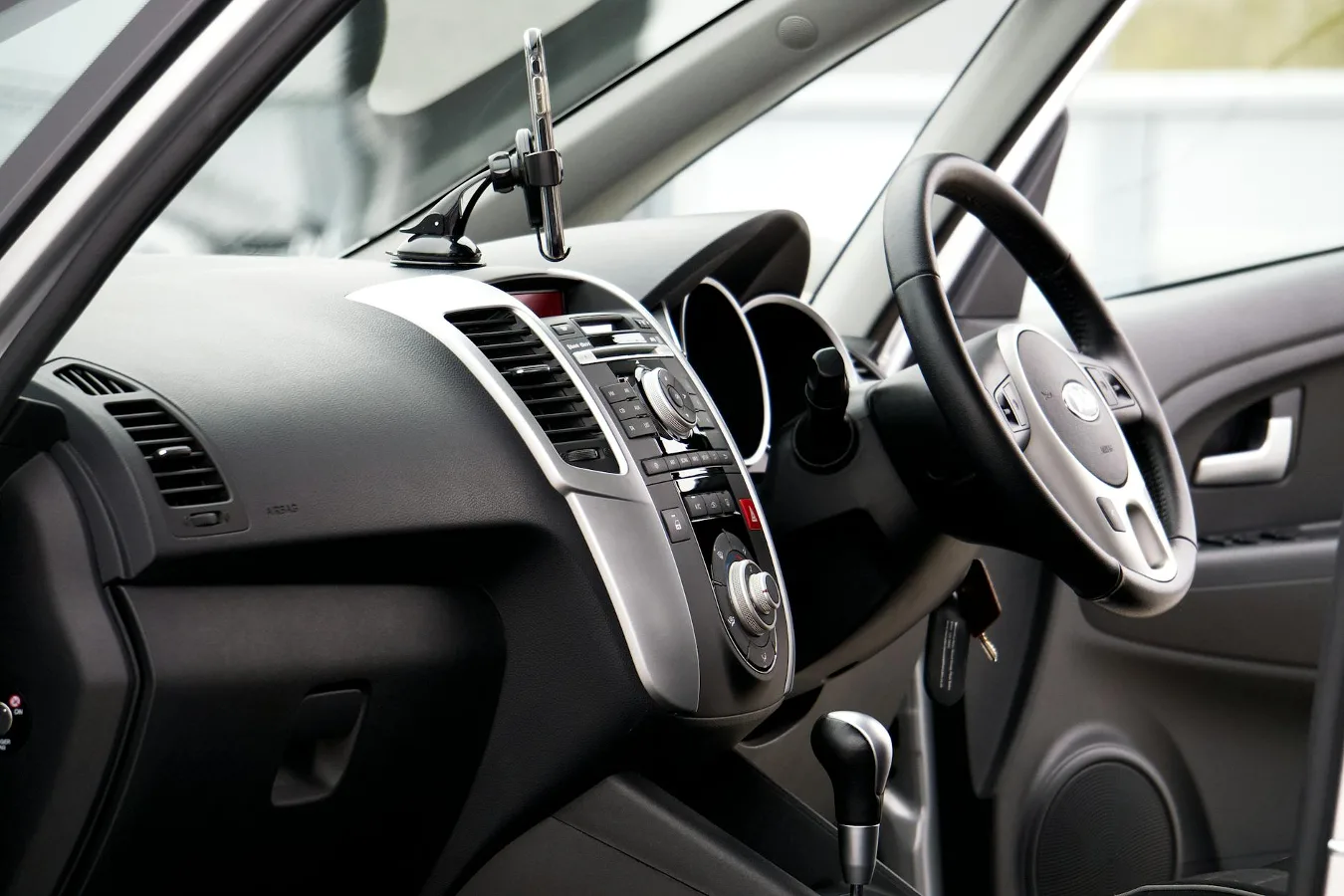
A car vent phone mount is best for drivers who want quick access to navigation, calls, and music without using a windshield or adhesive dashboard setup. It clips to one of the vehicle’s air vents, so the phone stays closer to eye level and usually takes up less space than larger mounting styles. best phone mounts for driving offers more detail on this point. vent phone mount for car offers more detail on this point.
The catch is that vent mounts are only as good as the vent design they attach to. Slatted vents, fragile louvers, deep dashboard layouts, and unusual vent shapes can make a big difference in how secure the mount feels and whether the phone sits where you want it. If you are choosing one for the first time, the real question is not just whether a vent mount exists for your car, but whether it will work well in your specific cabin.
When a vent mount makes sense
A vent-mounted phone holder is a practical choice when you want a simple setup that does not rely on adhesive pads, suction cups, or permanent installation. It often suits drivers who change cars often, lease a vehicle, or prefer a removable accessory that can move between vehicles.
It can also be useful if your dashboard has limited flat space or if you do not want to block the windshield. For many drivers, that cleaner placement is the main appeal. The phone stays visible for mapping, but the mount usually feels less bulky than a dash arm or cup holder cradle.
That said, vent mounts are not universally ideal. In some cars, they can interfere with climate control airflow, and in others the vent structure itself may not support the weight or leverage of a larger phone. Large phones, thick cases, and heavy magnetic plates can all add strain. If your vehicle has delicate vent fins, the mount style matters even more. magnetic vs clamp-style phone mounts offers more detail on this point.
The first filter: your vent design
The most important compatibility check is the vent type in your car. This detail is often overlooked because product photos make vent mounts look universally adaptable. In practice, there are several common vent layouts, and they do not all behave the same way.
- Horizontal slats: Often the easiest for clip-style vent mounts, especially if the clip is wide and padded.
- Vertical slats: Can work well, but some clips twist or sit awkwardly if the mount was designed with horizontal vents in mind.
- Round or turbine-style vents: These can be harder to fit securely, depending on the clip shape.
- Very thin or fragile fins: May not tolerate heavy pressure from a tight spring clip.
- Deep-set vents: Can make the phone sit too far from the driver or place pressure on the vent surround.
If your car has adjustable louvers, consider whether they will still move freely after the mount is attached. A good vent mount should grip securely without forcing the slats into a fixed position that you do not want.
Step-by-step criteria for choosing the right one
1. Check how the phone is held
Vent mounts usually hold phones in one of two ways: a clamp cradle or a magnetic plate. Each has trade-offs.
Clamp-style holders physically grip the phone. They can be a good option if you want a secure hold without attaching anything to the back of the phone or case. They are also easier to understand at a glance. The downside is that they may require two hands to place and remove the phone, depending on the design.
Magnetic mounts offer faster placement and removal. They are appealing if you get in and out of the car frequently. But they depend on a metal plate or a magnet-compatible phone case, and some drivers prefer to avoid adding that extra layer of hardware. A magnetic mount also needs a strong enough connection to handle rough roads, larger phones, and sudden braking.
The better choice depends on how you use your phone in the car. If you switch between short errands and longer drives, one-handed convenience may matter more than a closed clamp. If you want maximum physical retention, a grip-style holder may feel more reassuring.
2. Look closely at the clip mechanism
The vent clip is the part that determines whether the mount feels stable or annoying. A good clip should hold firmly without making the vent feel stressed. Some use spring tension; others use a hook or locking mechanism that braces against the vent slat and the back of the vent housing.
This is one of the most practical distinctions to check because not all clips distribute pressure evenly. A simple spring clip can be fine on sturdy vents, but a hook-style design may provide better stability on heavier phones or on roads with more vibration. If your car has thin vent blades, a gentler grip may be the safer choice.
Also pay attention to any padding. Rubberized contact points can help reduce scratching and vibration, though they are not a substitute for a well-designed fit.
3. Match the mount to your phone size and case
Phone size matters more than many shoppers expect. A mount that feels secure with a smaller phone may wobble with a larger model, especially when the phone is in a thick case. If your case has a textured back, a wallet flap, or a built-in kickstand, the fit can become even less predictable.
If you use a bulky protective case, look for a mount with a wider cradle opening and deeper support arms. If you prefer magnetic mounting, make sure the connection is strong enough for your phone’s weight and the type of roads you drive on. A mount that works well on smooth streets may not feel as steady on rough pavement.
A common misconception is that any vent mount labeled “universal” will fit every phone. Universal usually means broad compatibility, not perfect compatibility. Small details such as button placement, camera bump clearance, and port access can affect day-to-day usability.
4. Think about viewing angle before buying
Vent mounts vary widely in adjustability. Some swivel, some tilt, and some only move in limited directions. That matters because the best location is not always the first vent you see.
Ideally, the phone should sit where you can glance at directions without blocking controls or forcing your neck into an awkward position. If the mount cannot rotate or tilt enough, you may end up with a screen that reflects sunlight, points too low, or sits at an angle that is difficult to read.
For drivers who use navigation often, adjustability is more than a convenience. It affects whether the mount is genuinely useful or merely technically installed.
5. Balance airflow against convenience
One overlooked consideration is airflow. Vent mounts sit directly in the path of conditioned air, which can be helpful or inconvenient depending on the season. In hot weather, the airflow may help cool the phone a bit. In cold weather, it can leave your hands or face feeling less comfortable if the vent is partially blocked.
Some cars also rely on specific vent settings for cabin comfort and defrosting. If the mount blocks too much air, the compromise may become frustrating on longer drives. If climate control matters a lot in your vehicle, a vent mount may not be the best mounting style even if it is the easiest one to install.
Examples of different use cases
The best car vent phone mount depends heavily on how the car is used. These examples show how the decision can change from one driver to another.
- Daily commuter: A swivel-capable clamp mount may be the most practical because it offers quick access to navigation and easy removal when parking.
- Rideshare driver: A secure magnetic or clamp mount with strong retention and easy one-handed placement can help reduce distraction between trips.
- Lease or rental driver: A non-adhesive vent clip is appealing because it avoids residue and permanent marks.
- Driver with a large phone: A mount with a reinforced clip and a deeper cradle may be more stable than a minimalist design.
- Driver with delicate vents: A lightweight mount with gentler contact points may be safer than a heavy clip that places more stress on the slats.
These scenarios matter because the same mount can feel excellent in one car and awkward in another. The vehicle cabin is part of the product.
What to compare before you buy
When comparing options, focus on practical details rather than product buzzwords. A mount can sound premium without actually solving the problems that matter in daily use.
| Decision factor | What to look for | Why it matters |
|---|---|---|
| Vent compatibility | Fits your vent shape and slat thickness | Prevents slipping, twisting, or damage |
| Retention style | Clamp or magnetic system that suits your phone | Affects ease of use and holding strength |
| Adjustability | Swivel, tilt, or rotation | Helps position the screen for visibility |
| Case compatibility | Enough clearance for a thick case | Avoids cramped fit and button interference |
| Mount weight | Light enough for your vent type | Reduces strain on fragile vents |
| Airflow impact | Does not block too much vent output | Preserves cabin comfort |
This comparison is especially helpful if you are narrowing down between a minimalist magnetic option and a bulkier cradle-style holder. The lighter design is not automatically the better one; it only works well if the connection remains secure enough for your setup.
Common mistakes shoppers make
One mistake is assuming all vents are interchangeable. A mount that works beautifully in one sedan may slip in a truck or sit poorly in an SUV with deeper dashboard recesses. Another is focusing only on the phone clamp while ignoring the clip that actually supports the whole structure.
People also underestimate how often they will remove and reattach the phone. If that happens repeatedly throughout the day, ease of use matters more than a slightly stronger grip. A mount that is secure but fiddly can become irritating very quickly.
A further mistake is forgetting about case thickness. Many compatibility problems come from the case, not the phone itself. If your case is upgraded later, the mount can suddenly feel too tight or too loose.
Finally, some buyers choose the first mount that looks compact, only to discover that compact can mean limited viewing flexibility. Small size is useful, but only if it still gives you a readable angle and a stable hold.
When a vent mount may not be the best option
Vent mounts are convenient, but they are not the right answer for every vehicle or every driver. If your vents are fragile, if you rely heavily on full airflow, or if your dashboard layout places the vent too low or too far to one side, another style may make more sense.
Dashboard mounts can offer better angle control and avoid vent strain. Windshield mounts can give a higher line of sight, though some drivers dislike the visual clutter. Cup holder mounts can be stable and discreet, but they often sit lower and may be less convenient for quick glances. Each alternative solves one problem while creating another, which is why the best choice depends on the cabin layout and your habits.
If you are unsure, the safest approach is to think about your car’s interior first, then the mount second. That order prevents a lot of disappointment.
A practical checklist before you choose
- Confirm your vent shape and slat thickness.
- Decide whether you want clamp-style or magnetic retention.
- Check whether your phone case will fit comfortably.
- Make sure the mount can be adjusted to a readable angle.
- Consider whether the mount will block too much airflow.
- Look for contact points that protect the vent finish.
- Prefer a design that is easy to remove if you change vehicles often.
If a mount checks most of these boxes, it is more likely to work well in real use rather than only in a product listing. That is especially important for vent mounts, where compatibility is partly mechanical and partly about how the car cabin is laid out.
A good car vent phone mount should feel simple once installed. It should hold the phone without constant readjustment, stay out of the way, and suit the way you actually drive. If you choose based on vent design, phone size, airflow, and viewing angle, you are much more likely to end up with a mount that feels like a useful part of the car rather than another accessory to manage.
