
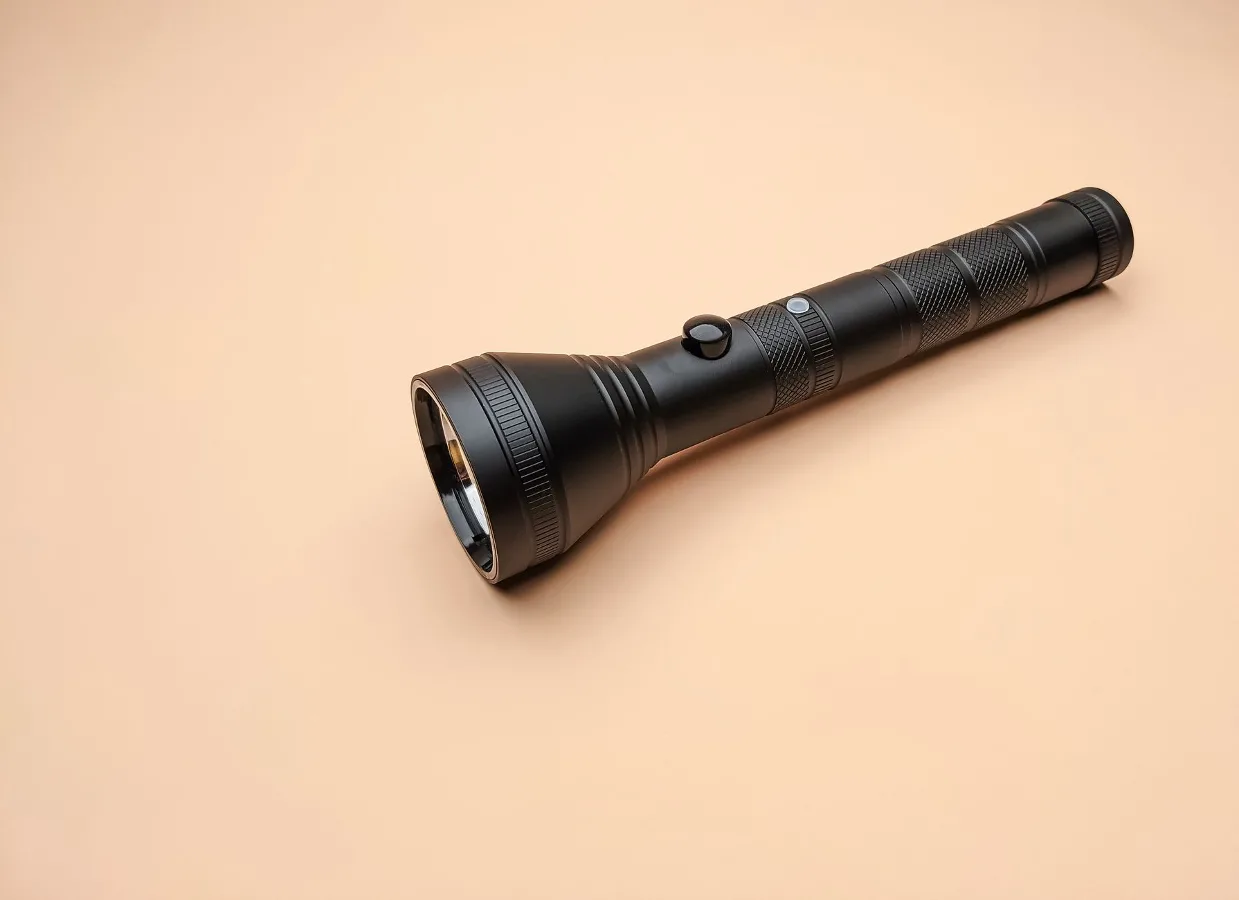
Quick answer: what a power bank and flashlight is best for
A power bank and flashlight is a multi-function backup device that combines portable phone charging with an integrated light source. For most buyers, the appeal is simple: one compact item can help keep a phone alive, provide light during an outage, and reduce the number of separate gadgets you need to carry. Poseidon Pro Power Bank Guide offers more detail on this point.
The best version for you depends on how you plan to use it. A commuter or traveler may care most about size and easy pocket carry. Someone building a home emergency kit may value longer runtime, sturdier construction, and a light that is easy to operate in the dark. Campers and car-kit shoppers often want a balance of recharge options, durability, and enough battery capacity to make the device genuinely useful when power is unavailable. battery safety and storage tips offers more detail on this point.
That trade-off matters. A combo device can be convenient, but it is not always the best flashlight or the best charger in one package. The most useful models are the ones that do both jobs well enough for the situation you actually have in mind.
How to compare power bank and flashlight options
Buying a combo device is less about finding the most features and more about matching the design to the way you will use it. The most important differences usually come down to battery capacity, charging speed, light quality, portability, and ease of use in low visibility.
Battery capacity and real-world usefulness
Battery capacity is one of the first things people look at, but it is easy to misread. A larger capacity can mean more charging reserve for your phone, yet the actual usable amount is always affected by conversion losses and how the device is designed. If you only need a quick emergency top-up, a smaller unit may be enough. If you want to keep a phone running through a long outage, a larger capacity is usually more appropriate.
Think about what you are trying to support. A single phone charge, a few partial top-ups, or a weekend away from outlets are very different use cases. A combo device that is too small may leave you disappointed, while one that is unnecessarily large can become bulky enough that you stop carrying it.
Flashlight quality matters more than people expect
Many buyers assume any built-in light is good enough. That is not always true. A flashlight on a combo device should be usable, not merely decorative. The most helpful lights usually offer an even beam, simple controls, and a brightness level suited to close-range tasks such as finding items in a bag, moving through a hallway, or checking a fuse box.
If the light is too harsh or oddly focused, it can be less useful than a basic standalone flashlight. For emergency use, ease of access is often more important than fancy modes. A light that turns on quickly, can be found by touch, and does not require a confusing sequence of button presses is usually the better choice.
Charging input and output compatibility
For a power bank, the charging port matters because it affects how easily you can recharge the unit and what devices it can support. Many shoppers prefer USB-C because it is common and more convenient, but the practical question is whether the device matches the cables and chargers you already own. If you travel frequently, compatibility can save frustration.
Also check whether the power bank charges one device at a time or supports multiple outputs. If you only plan to charge a phone, a simple setup may be enough. If you want to top up a phone and another small accessory, a more flexible layout can be useful. The key is to avoid paying for a feature set you will never use, while also not underestimating how fast a simple two-device scenario can become inconvenient.
Portability and everyday carry
Portability is a major decision factor because a combo device only helps if it is actually with you. A compact unit may be ideal for a backpack, glove box, or desk drawer. A larger one may fit better in a home emergency kit or car kit where size matters less than reserve power.
It helps to decide where the device will live most of the time. If it is meant for daily carry, weight and pocketability matter. If it is part of a preparedness setup, a slightly larger body can be acceptable if it gives you longer runtime or more rugged housing.
Controls and visibility in the dark
A surprisingly overlooked detail is how easy the device is to use without light. During an outage, a flashlight and power bank should be simple to activate, easy to identify by touch, and not overly dependent on tiny symbols or tricky button combinations. A clear indicator for battery status is also useful, but it should not be the only way to judge whether the device is ready.
Some combo units are more intuitive than others. The best ones reduce friction in the exact moment you need them most, which is often when your hands are busy or the room is already dark.
Choosing the right power bank and flashlight for your use case
There is no single best combination for everyone. A better approach is to start with the situation you are trying to solve and then narrow the design accordingly.
- For travel: prioritize compact size, reliable phone charging, and a light that is easy to access in a hotel room or on a plane.
- For home outages: prioritize longer battery reserve, straightforward controls, and a body that is easy to find and store.
- For camping: look for a balance of portability, weather-resistant construction if available, and enough reserve power for devices you actually bring.
- For a car kit: focus on durability, simple operation, and storage that will not rattle around or get buried under other gear.
If you are shopping for a family or shared household, consider how the device will be used by someone who is not already familiar with it. A simpler product can be more useful than a feature-heavy one if anyone may need to grab it quickly during an emergency.
Trade-offs worth considering before you buy
Combo products often promise convenience, but convenience comes with compromises. The most common one is that a shared design can limit optimization. A dedicated flashlight may offer better beam quality or easier handling. A dedicated power bank may offer better charging performance or a shape that is easier to pack. A combo device tries to split the difference.
That is not necessarily a flaw. For many buyers, having one item that can charge a phone and provide light is more valuable than carrying two separate tools. The question is whether the device is meant to replace both tools completely or simply cover backup duties.
Another trade-off is maintenance. A combo device stored for emergencies still needs periodic checking. Batteries can self-discharge over time, and a device left untouched for months may no longer be ready when needed. That is especially important for home kits and vehicle storage.
Finally, there is the issue of urgency. In a real outage, you want something that works immediately. A complicated gadget with multiple light modes, hidden switches, or unclear charging behavior can slow you down at the wrong moment.
Common mistakes to avoid
People often make the same buying mistakes with a power bank and flashlight. Avoiding them usually leads to a better purchase than chasing the highest number on the box.
- Choosing by capacity alone: a big battery is not very helpful if the light is poor or the device is too bulky to carry.
- Ignoring recharge time: a backup device should be easy to restore after use, not something that becomes inconvenient to top up.
- Overlooking the flashlight controls: a bright light is less useful if it is hard to turn on or cycle through modes.
- Assuming all outputs are equally useful: compatibility and cable fit matter more than marketing terms.
- Buying for a theoretical scenario: choose for the actual devices, spaces, and situations you expect to face.
- Forgetting storage needs: a device that lives in a car, bag, or drawer should be sized and shaped for that environment.
A common misconception is that combo devices are automatically the best emergency choice because they do two things at once. In practice, the best emergency item is the one you can find quickly, use confidently, and recharge without hassle.
When a combo device makes sense, and when separate tools are better
A power bank and flashlight combo makes sense when you want a practical all-in-one backup for daily life, travel, or a simple emergency kit. It is especially useful when space is limited and you want to avoid carrying separate items that can get lost or forgotten.
Separate tools may be better if you need a high-performance flashlight, a high-capacity power bank, or a specialized setup for outdoor use. Someone who regularly camps, works night shifts, or builds a serious preparedness kit may prefer dedicated tools because they can choose each one for a specific role. power bank 8000mah capacity offers more detail on this point.
There is also a middle ground: keep a combo device for quick access and pair it with a separate flashlight or charger elsewhere. That way, you have one compact item for immediate use and one more capable backup for longer situations.
What to look for in build quality and long-term value
Long-term value is not only about price. It is about whether the device remains useful after repeated charging cycles and storage periods. A sturdy shell, solid buttons, and a design that feels easy to handle are all good signs that the product may hold up better in daily use.
Pay attention to the basics: how the ports are protected, whether the device feels awkward in the hand, and whether the flashlight portion seems integrated in a way that makes sense. A well-designed combo should feel like a practical tool, not a novelty item.
Also think about how often you will actually use the flashlight function. If the light is only for emergencies, prioritize reliability and easy storage over decorative features. If you expect regular use, comfort and usability become more important.
Who should buy one
This type of device is a strong fit for people who want simple emergency coverage without carrying multiple accessories. It works well for students, commuters, travelers, parents who keep a family emergency drawer, and anyone building a basic power outage kit.
It is less compelling for buyers who want top-tier performance from both functions. If you already own a preferred flashlight and a preferred power bank, a combo device may feel redundant. But for many people, redundancy is exactly the point: one compact backup that solves two common problems.
If you are comparing options, the most practical question is not whether the device sounds impressive. It is whether it will still be easy to find, easy to trust, and easy to use when the power goes out or your phone battery runs low.
That is the real value of a good power bank and flashlight. It removes friction at the moment you need backup most.
