
Quick answer: what a Growatt portable power station is best for
A Growatt portable power station is worth considering if you want a battery-powered backup source for short outages, camping, RV trips, remote work, or running small electronics without the noise and fumes of a gas generator. The best fit depends less on the brand name itself and more on three things: how much power your devices need, how long you need them to run, and whether you want solar recharging as part of the setup. battery chemistry and lifespan offers more detail on this point. aaoyun portable power station offers more detail on this point. portable power for camping trips offers more detail on this point.
For most buyers, the real question is not whether a portable power station is useful. It is whether the model you are looking at has enough capacity, enough output, and the right ports for your actual devices. A compact unit may be perfect for phones, laptops, routers, and lights, while a larger one is better suited to medical devices, kitchen appliances, or a small home backup plan.
If you are comparing Growatt against other portable power station brands, focus on the use case first. Features like charging speed, expandability, weight, display clarity, and solar input matter as much as raw battery size. A well-matched unit will feel simple and dependable; a mismatched one can become expensive gear that is awkward to carry and underpowered when you need it most.
How to compare a Growatt portable power station
Commercial searchers usually want to know which model is “best,” but the better approach is to compare the features that affect everyday use. The right Growatt portable power station should align with your devices, your environment, and your backup expectations.
1. Capacity: how long it can run your devices
Capacity is the battery reserve, usually expressed in watt-hours. A higher-capacity power station can generally power more devices or run them longer, but it also tends to be heavier and less portable. The practical question is how much runtime you need for the items you care about most.
If your goal is to keep a phone, tablet, laptop, and Wi-Fi equipment online during a brief outage, a smaller unit may be enough. If you want to cover refrigerators, power tools, or multiple household loads, you will usually need a larger battery and stronger output. Do not let the number alone guide the decision. A bigger battery is only useful if the inverter output and port selection also match your needs.
2. Output: what it can actually power
Output matters because a power station can only support devices within its inverter limits. This is where many buyers make a mistake: they compare battery size but overlook the power draw of the appliance itself. A coffee maker, space heater, microwave, or hair dryer can require much more power than a laptop or CPAP machine.
For electronics, a pure sine wave inverter is generally the safer, more compatible option because it is better suited to sensitive devices. For heavier loads, make sure the starting surge and continuous draw both fit within the unit’s capabilities. If the product page does not clearly explain this, that is a warning sign to slow down and compare more carefully.
3. Charging options: wall, car, and solar
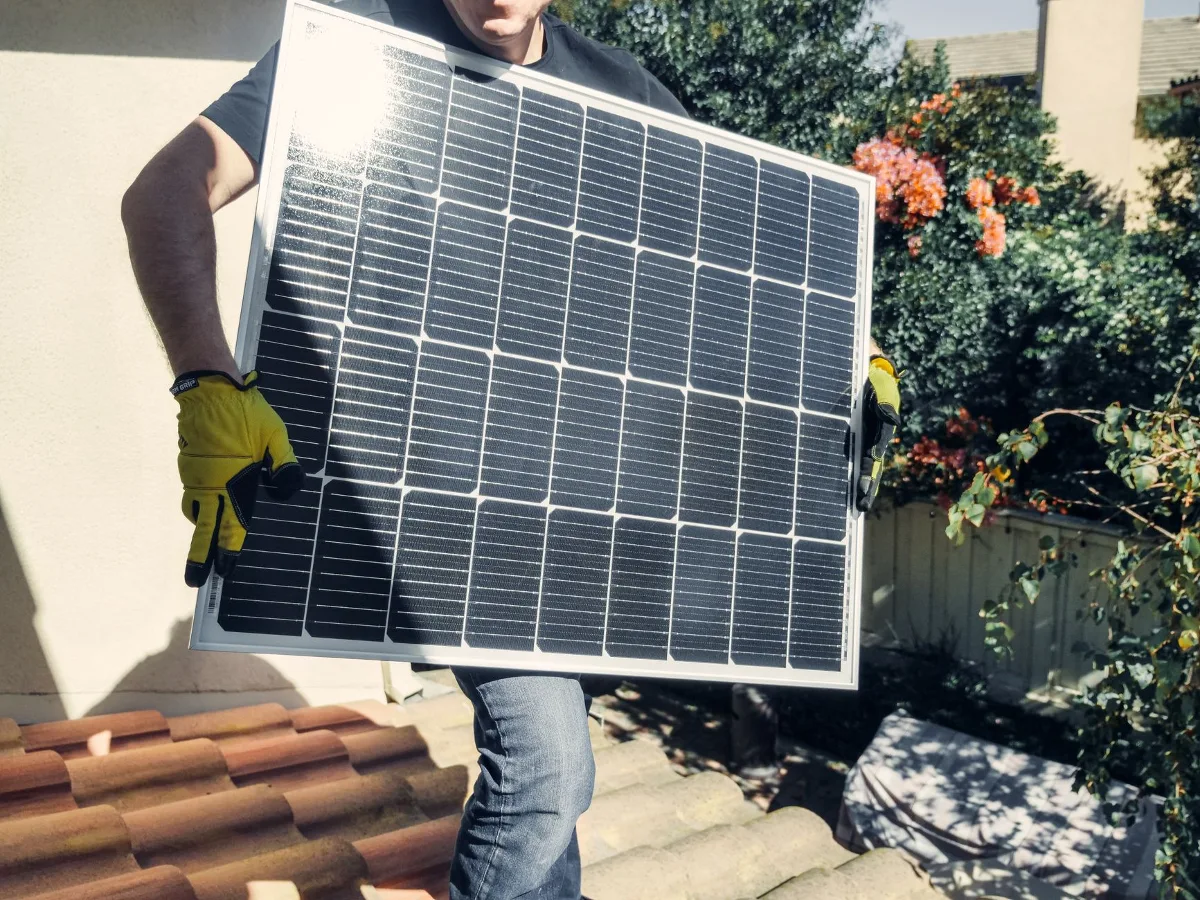
One reason people look at Growatt portable power stations is the flexibility to recharge from a wall outlet, vehicle outlet, or solar panels. That flexibility is valuable, but only if it matches your routine. A solar-ready unit makes more sense if you expect long outages, frequent travel, or off-grid use. If you only need emergency backup at home, wall charging may be enough.
Solar charging is often misunderstood. It can be a useful replenishment method, but it depends on panel compatibility, available sunlight, placement, weather, and the charge controller design. A power station that supports solar input does not automatically mean fast or effortless solar charging. Buyers should check whether the system is intended for occasional top-offs or more meaningful off-grid use.
4. Portability: weight, handles, and real-world handling
Portable does not always mean easy to move. Larger stations may be “portable” in the sense that they can be transported, but they may not be something you want to carry far. If you plan to move the unit between a car, campsite, garage, and home, handling becomes a major decision factor.
Think beyond the spec sheet. A unit with a good handle layout, clear display, and sensible port placement can be much easier to live with than a heavier model with a similar battery size. For frequent use, a manageable form factor often matters more than one extra feature.
5. Expandability and long-term flexibility
Some buyers want a simple backup battery, while others want a system that can grow. If a Growatt model supports extra battery modules or larger solar input, that can improve long-term value. Expandability is especially useful if you expect your needs to change from light backup to more serious emergency preparedness.
The trade-off is cost and complexity. A modular system can be more adaptable, but it may be more expensive up front and less straightforward for casual users. If your use case is occasional and basic, a simpler unit may be the smarter purchase.
Who a Growatt portable power station tends to suit best
Different buyers need different combinations of portability, output, and recharge flexibility. Growatt portable power stations are typically most appealing to people who want a cleaner, quieter alternative to a fuel-powered generator and who value easy charging for phones, laptops, networking gear, or essential household electronics.
- Homeowners: useful for short outages, routers, lights, and charging devices
- Campers: helpful for quiet power without fuel storage
- RV travelers: convenient for portable energy in a compact setup
- Remote workers: keeps laptops and internet equipment running during interruptions
- Preparedness-focused buyers: provides a backup layer for essential devices
It may be less suitable if you need to run high-wattage appliances for long periods, want whole-home backup, or need a unit that can replace a generator in every scenario. Portable power stations are strong at convenience and selective backup, not at unlimited runtime.
Mistakes to avoid before buying
A lot of disappointment comes from expectations that were never realistic. The most common buying mistakes are easy to avoid if you slow down and compare use cases instead of features in isolation.
Buying by battery size alone
A large battery does not guarantee useful performance. Output, surge handling, charging options, and port mix all matter. A unit that cannot start your appliance or lacks the right outlets may be the wrong choice even if the capacity looks impressive.
Ignoring appliance wattage and startup load
Some devices draw more power at startup than they do while running. That startup surge can trip a power station that otherwise seems strong enough on paper. Always check the appliance requirements before assuming compatibility.
Overestimating what solar can do
Solar is valuable, but it is not magic. If you expect uninterrupted cloudy-day charging or plan to power large appliances from panels alone, the setup may disappoint. Solar works best as part of a system sized around realistic conditions.
Overlooking portability constraints
If you will carry the unit often, weight and shape matter more than buyers sometimes admit. A power station that stays in one spot can be heavier. A unit that moves often needs to be easier to lift, store, and connect.
Forgetting about cable and accessory needs
Another overlooked detail is the ecosystem around the power station: charging cables, solar connectors, adapters, and storage. A strong product can still be inconvenient if the required accessories are hard to source or awkward to use. Before buying, make sure the setup is practical from wall outlet to final device connection.
How to decide between a Growatt model and alternatives
If you are comparing options, the best alternative is not always another brand with similar marketing language. It may be a different category entirely.
- Another portable power station: good if you want a similar battery-backed setup and are comparing price, size, or features
- Gas generator: better for longer runtime and heavier loads, but noisier and less convenient for indoor-adjacent use
- Power bank: simpler and lighter for phones and tablets, but not suitable for appliances
- Vehicle inverter: can be useful for travel, but depends on the car and is not a standalone backup solution
- Stationary home battery system: better for serious home backup, but far less portable and usually more complex
The right choice comes down to how often you need power, what you are trying to run, and how much setup you are willing to manage. A portable power station is often the sweet spot for people who want a versatile middle ground between a tiny power bank and a full generator.
Features that deserve extra attention
Not every product detail carries equal weight. These are the areas that usually deserve a closer look before you commit.
| Feature | Why it matters | What to look for |
|---|---|---|
| Battery capacity | Determines how long the station can run devices | Enough reserve for your most important loads |
| Inverter output | Controls what appliances the unit can support | Continuous and surge ratings that match your gear |
| Charging methods | Affects convenience during outages or travel | Wall, car, and solar options that fit your routine |
| Port selection | Determines device compatibility | USB, AC, and DC outputs you will actually use |
| Weight and design | Influences portability and daily handling | A shape you can carry and store comfortably |
| Expandability | Can extend usefulness over time | Support for additional batteries or broader solar use |
Common use cases and what they need
The best Growatt portable power station for one buyer may be a poor fit for another. Matching the product to the use case is the fastest way to avoid buyer’s remorse.
Emergency home backup
For outages, prioritize reliability, enough output for essential electronics, and a charging method that does not depend on perfect weather. If your main goal is staying connected and keeping lights or medical devices running, concentrate on practical runtime rather than maximum capacity alone.
Camping and outdoor trips
For camping, quiet operation and portability often matter more than total output. A lighter unit with enough ports for phones, lighting, and small appliances may be the most sensible choice. If you plan to use solar, check how easy it is to set up in real outdoor conditions.
RV and travel use
RV buyers often need a balance of output, charging flexibility, and space efficiency. A portable station can be a convenient supplement for campsite power or onboard electronics, but it should fit your storage and charging habits.
Home office and remote work
If the main goal is protecting a laptop, modem, router, and monitor, you may not need a huge battery. What matters most is clean output, simple charging, and enough runtime to bridge outages without disrupting work.
FAQ
Is a Growatt portable power station good for home backup?
It can be a strong fit for essential electronics, short outages, and selective backup. It is usually not a full-home replacement for a stationary battery system or fuel generator.
Can a portable power station run a refrigerator?
Sometimes, but only if the inverter output and battery capacity are suitable for the appliance’s running load and startup surge. Always check the refrigerator’s power requirements before assuming compatibility.
Do I need solar panels with a Growatt portable power station?
Not necessarily. Solar is helpful for extended outages, travel, and off-grid use, but many buyers can rely on wall charging alone if their use is occasional.
What matters more: battery capacity or inverter output?
Both matter, but they solve different problems. Capacity affects runtime, while output affects what the unit can power. A strong balance between the two is more important than either number on its own.
Are portable power stations better than gas generators?
They are better for quiet, fume-free, lower-maintenance use and indoor-adjacent applications. Gas generators are better when you need long runtime and higher power for heavier loads.
Final buying guidance
If you are choosing a Growatt portable power station, start with the devices you actually need to power, then work backward to capacity, inverter output, and charging flexibility. That order matters more than brand comparisons or feature lists.
For light emergency backup and mobile electronics, a compact setup may be enough. For more demanding use, you will want a model with higher output, broader charging options, and possibly room to expand. The best purchase is the one that fits your routine without creating extra friction every time you use it.
That practical fit is the real value test. A portable power station earns its place not because it looks capable on a product page, but because it can reliably support the devices and situations you care about most.
