
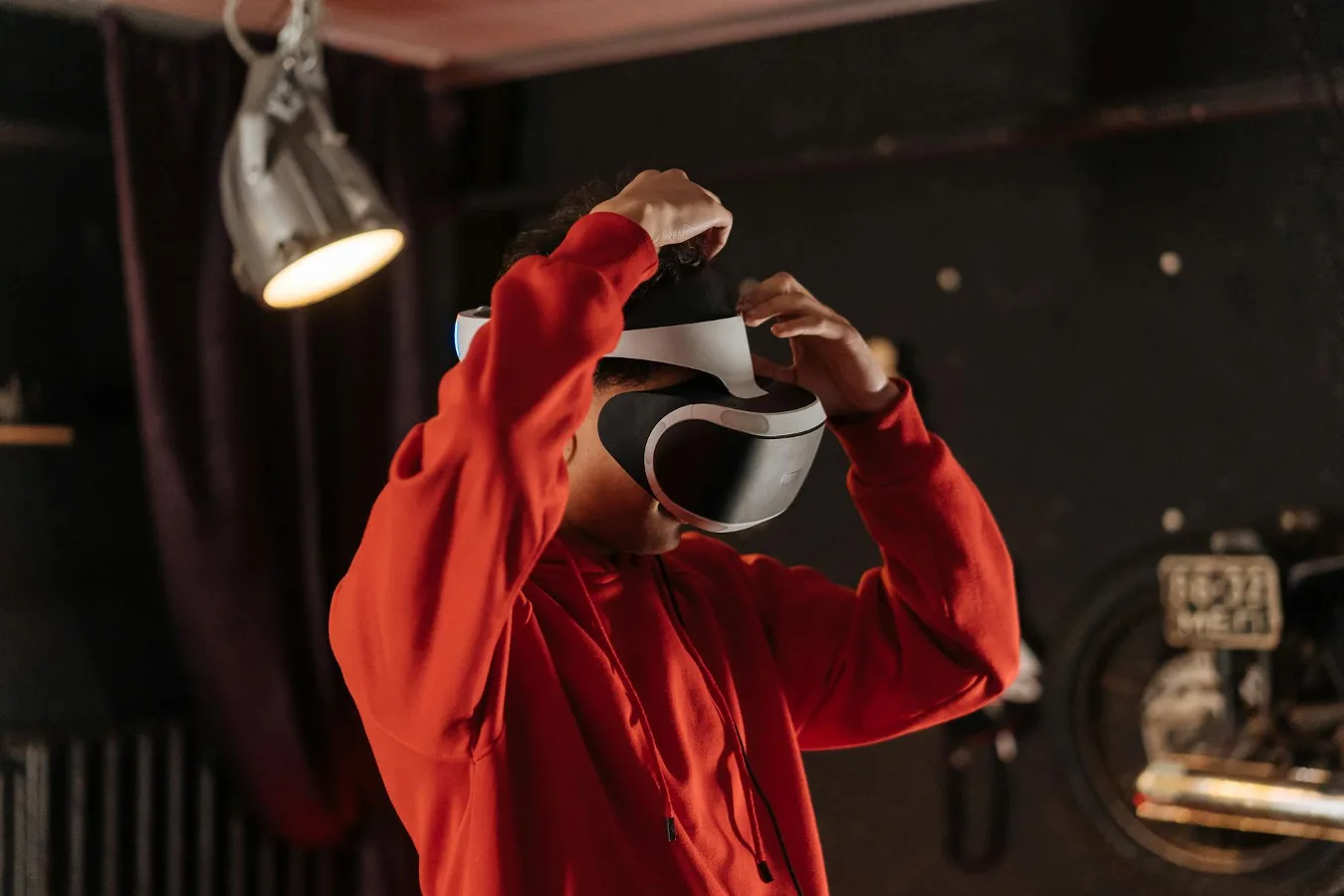
If you have a larger-than-average head, the best gaming headset is usually the one that gives you enough adjustment range, a forgiving clamp, and ear cups that sit around your ears instead of pressing on them. Fit matters more than flashy features here. A headset can sound excellent on paper and still be miserable if the headband is too short or the clamping pressure builds up after an hour. personalized gaming headset offers more detail on this point.
The short answer: look for a headset with a roomy headband, swivel or self-adjusting ear cups if available, plush pads, and a design that doesn’t rely on heavy clamping force to stay in place. For many people with big heads, comfort improves more from fit-friendly construction than from any one audio specification.
What matters most for a big-head fit
For this buyer guide, the most relevant decision factors are fit range, clamp force, ear cup depth, headband padding, weight, and stability during movement. Those are the traits that usually determine whether a headset feels comfortable for a full session or becomes a distraction.
1) Adjustment range
A headset needs enough extension in the headband sliders to sit naturally without maxing out the adjustment immediately. If the headset already feels tight at its widest setting, long-term comfort will usually suffer. This is one of the easiest details to overlook because product photos rarely show how much actual room a headset has.
Look for descriptions that mention a generous fit, a self-adjusting suspension band, or a design known for a wider size range. If the product is described as “one size fits most,” that does not automatically mean it will suit a larger head comfortably.
2) Clamp force
Clamp force is the side pressure the headset places on your head. Too little can make the headset unstable, while too much can create soreness at the temples, jaw, or behind the ears. For big heads, the sweet spot is usually a secure but not aggressive fit.
Clamp force is rarely listed clearly in consumer shopping pages, so reading fit-focused feedback and looking for headband flexibility can help. A headset may loosen a little over time, but buying one that starts off uncomfortably tight is still a gamble.
3) Ear cup size and depth
Large ear cups do not automatically equal comfort. What matters is whether the cups fully surround the ears and leave enough internal depth so the drivers and inner foam do not touch the ear. Shallow cups can create hot spots quickly, especially if you wear the headset for voice chat, competitive play, or streaming sessions.
For many users, oval or roomier ear pads feel better than compact round pads because they leave more space around the ear and reduce contact pressure.
4) Headband padding
A well-padded headband spreads weight more evenly across the top of the head. Without enough padding, even a light headset can become tiring if the contact area is too narrow. This matters even more for larger heads because the headset often sits closer to the limits of its design.
Some headsets use a suspension-style band that distributes pressure better than a traditional rigid headband. Others rely on thicker foam. Either can work, but the key is whether the pressure feels spread out instead of concentrated in one strip.
5) Weight and balance
Weight is only part of the story. A heavier headset can still feel manageable if it balances well, while a lighter one can feel awkward if the cups pull outward or the band presses unevenly. For big heads, balance often matters as much as total weight.
If you plan on wearing the headset for long matches, study how the ear cups sit relative to the band and whether the design looks top-heavy, bulky, or deeply padded in a way that may trap heat.
Buyer scenario: what a big-head gamer should prioritize
The best choice depends on how you game and what bothers you most.
- For long casual sessions: prioritize soft pads, low pressure, and a broad fit range.
- For competitive play: prioritize stability, clear positional audio, and a fit that stays put when you move.
- For mixed use with calls and music: look for balanced sound, a decent microphone, and comfort over hours.
- For glasses wearers: choose pads that are plush enough to reduce frame pressure near the temples.
A common misconception is that a tighter headset automatically sounds better or blocks more outside noise in a way that is worth the discomfort. In practice, comfort affects how long you can use the headset, which affects how much value you actually get from it. A slightly less isolating headset that you can wear for three hours is usually more useful than a tighter one you want to remove after thirty minutes.
Trade-offs worth thinking about
Shopping for a gaming headset with a larger head in mind often means balancing comfort against isolation, mobility, and mic quality.
Open-back comfort vs. isolation
Open-back gaming headsets and headphones can feel less warm and less physically enclosed, which many people find more comfortable over time. The trade-off is that they leak sound and usually do not block much outside noise. If you play in a shared space, that can be a dealbreaker. If you game alone in a quiet room, the comfort advantage may be worth it.
Wireless freedom vs. battery management
Wireless headsets remove cable tugging, which can improve comfort for larger heads because the headset is less likely to shift when you move. The downside is that battery life, charging habits, and wireless latency expectations become part of the ownership experience. A wired model avoids charging, but the cable can introduce drag if the headset already sits tightly.
Big plush pads vs. heat buildup
Deep memory foam pads can feel great at first, but thicker pads can also trap heat. If you tend to run warm, the most luxurious-feeling pad is not always the most practical one. Breathability can matter just as much as softness.
Metal frame vs. flexible frame
Heavier metal builds may feel durable, but that added mass can make a headset more noticeable over long sessions. Lighter frames often feel easier to wear, though they need to be sturdy enough not to creak, flex excessively, or lose shape quickly.
Materials and spec factors that actually matter
When people shop for a gaming headset for big heads, they often focus on drivers, RGB lighting, or surround sound labels first. Those features matter less than the physical design if the fit is poor. Start with the construction details that affect comfort directly.
Ear pad material
Leatherette or synthetic leather: usually softer at first touch and often better at passive isolation, but it can trap more heat.
Velour or fabric: often feels cooler and less sticky during long use, though it may isolate less sound.
Hybrid pads: try to blend comfort and isolation, which can be useful if you want a middle ground.
The best option depends on your room temperature, how long you wear the headset, and whether you value a cooler feel over stronger isolation.
Headband design
A wide, padded headband can make a headset easier to wear if your head size pushes the band near its limit. Suspension headbands can be especially helpful because they spread pressure more evenly. Traditional headbands can still work well if the padding is broad enough and the fit range is generous.
Mic placement and boom design
For larger heads, microphone boom length and positioning flexibility can matter more than expected. If the boom sits too close to your mouth or cheek, it may pick up breathing or brush against the face. A flexible boom with enough reach usually gives you more room to set it correctly.
Detachable cables and replaceable parts
Detachable cables, replaceable ear pads, and user-serviceable parts are practical long-term value features. A headset that fits well is worth preserving, and easy replacement parts can extend its useful life. This is especially relevant if you depend on a specific model because the fit is hard to match elsewhere.
How to judge fit before you buy
Since head size and shape vary, the safest buying approach is to evaluate fit clues rather than relying on the category label alone.
- Check the adjustment range. Make sure the headband has enough extension left over for a comfortable fit.
- Look for fit language. Terms like roomy, wide, flexible, or self-adjusting are useful signals, though they should still be weighed cautiously.
- Examine the ear cup shape. Larger oval cups often work better than shallow or narrow designs.
- Study the padding photos. Thin padding may look sleek but feel harsher during long sessions.
- Read comments about pressure points. If many users mention clamp or hot spots, treat that as a real warning sign.
- Consider your use environment. A quieter room allows more breathable designs; a shared room may call for more isolation.
One overlooked consideration is hairstyle and hair volume. A headset that feels fine with short hair can feel tighter if you wear thick hair, a hat, or a headset band over braids or protective styles. The fit issue is not just about head circumference; head shape and what sits under the band matter too.
Common mistakes shoppers make
- Choosing by sound profile alone: excellent audio does not compensate for a painful fit.
- Assuming “adjustable” means spacious: some headsets adjust a little but still run small.
- Ignoring ear cup depth: shallow pads often create pressure even if the headset technically fits.
- Overvaluing aggressive clamping: tightness is not the same as stability.
- Forgetting about glasses: frame pressure can make a borderline fit much worse.
- Buying for looks first: slim headbands and compact shells can sacrifice room.
If a traditional gaming headset still feels too tight
There are a few practical alternatives if you keep running into fit problems.
- Open-back headphones with a separate mic: often more comfortable for long sessions, especially in quiet spaces.
- Studio-style headphones plus a desktop microphone: a good option if you care more about comfort and sound than an all-in-one headset.
- Lightweight headset models: sometimes sacrifice features but improve wearability.
- Headsets with suspension headbands: useful if your main issue is top-of-head pressure.
These alternatives can be especially attractive if you game at a desk and do not need a single integrated boom mic for every use case. They also let you prioritize comfort separately from voice quality.
Best next steps before buying
If you are narrowing down options, start by ranking what matters most: roomier fit, lower clamp, cooler pads, or stronger isolation. That simple ranking usually makes the right choice clearer. A headset that is only slightly less convenient in one area may be far better if it solves the fit problem that has bothered you before.
Then check whether the model has enough headband extension, whether the ear pads look deep enough to clear your ears, and whether the build seems likely to stay comfortable over a full session. If you are choosing between two similar models, the one with better comfort features is usually the smarter buy for a larger head, even if the spec sheet looks less exciting.
For broader audio shopping, it also helps to compare related topics such as comfortable gaming headset options, wired vs. wireless headsets for gaming, headset materials that matter, and how to choose the right clamp force. Those topics work together and can make the decision easier than comparing product names one by one. wired vs. wireless headsets for gaming offers more detail on this point. comfortable gaming headset options offers more detail on this point.
FAQ
What makes a gaming headset better for big heads?
The most important traits are a wide adjustment range, moderate clamp force, deep ear cups, and a headband that spreads pressure well. Comfort usually depends more on fit than on audio features.
Are wireless gaming headsets better for large heads?
Not inherently, but wireless models can be more comfortable if cable tugging has been an issue. The real question is whether the headset itself has enough room and a comfortable clamp.
Should I choose larger ear cups or softer ear pads?
Both matter, but cup depth is often the bigger issue if your ears touch the inside of the headset. Softer pads help with pressure, while deeper cups help with clearance.
Do glasses make headset fit worse?
They can. Temple arms may create pressure points where the headset presses against the side of the head, so softer pads and lighter clamp often help.
Is a tighter headset always better for gaming?
No. A very tight headset may feel secure, but it can also cause fatigue, headaches, or hot spots. A comfortable fit that stays stable is usually the better choice.
