
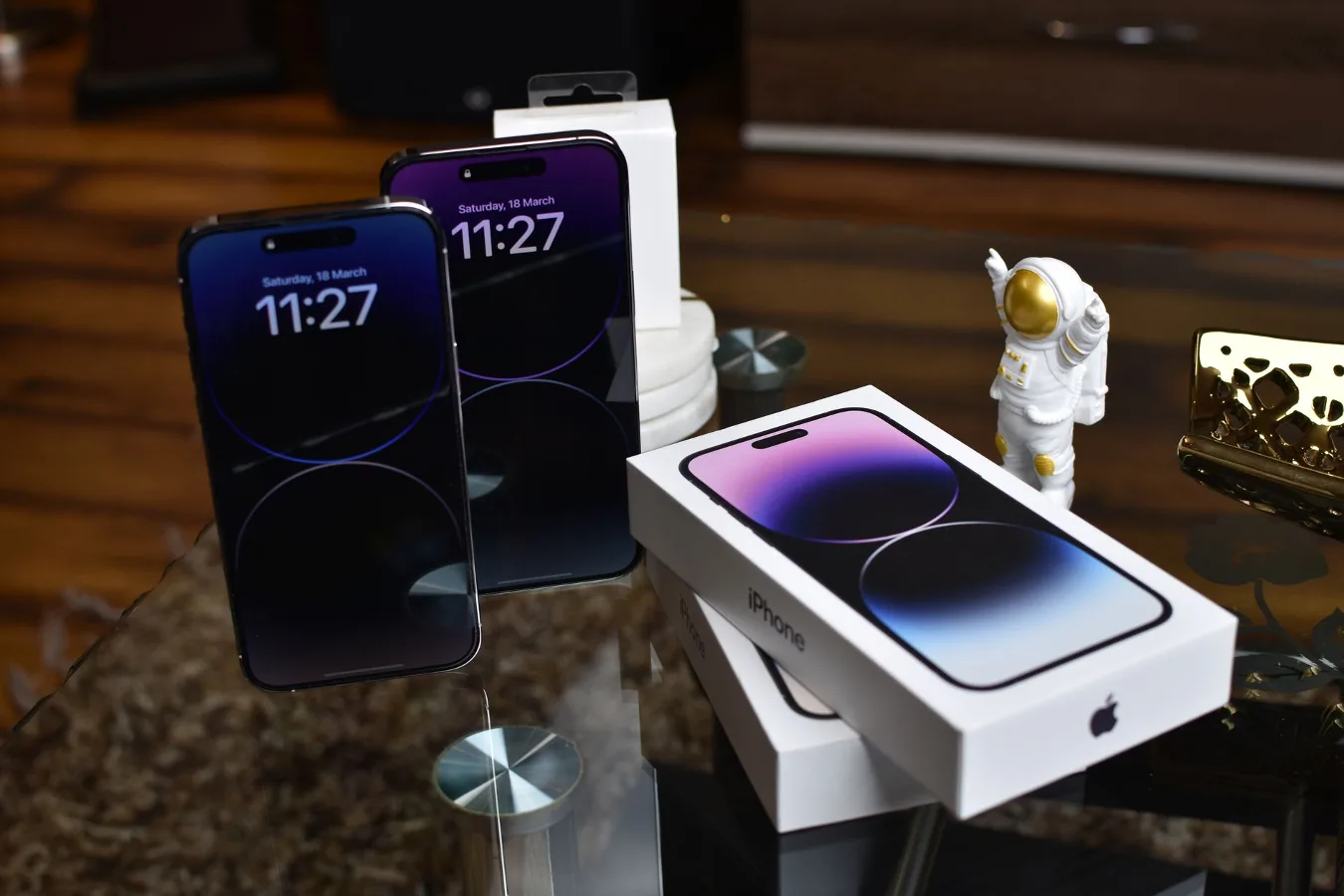
If you’re shopping for an iPhone 14 Pro Max phone case, the right choice usually comes down to one question: do you want the thinnest possible case, or the most protection you can carry every day? For most buyers, the best option sits somewhere in the middle—secure enough to handle drops and scuffs, but not so bulky that the phone becomes awkward to use. iPhone accessory buying guides offers more detail on this point. iphone 13 pro max phone case offers more detail on this point.
The iPhone 14 Pro Max is a large, premium phone, so the case you pick affects more than appearance. It changes grip, pocketability, MagSafe convenience, button feel, and how well the camera area is protected when the phone is placed on a table. That makes case shopping less about style alone and more about how the phone fits into your routine. how to choose a MagSafe case offers more detail on this point.
What matters most in an iPhone 14 Pro Max case
Before comparing materials or styles, decide what problem the case needs to solve. That sounds obvious, but it prevents a common mistake: choosing a case for a feature you rarely use while overlooking the one feature you need every day.
- Drop protection: Useful if the phone often moves between bags, desks, cars, and hands.
- Grip: Helpful because large phones can be slippery, especially with glossy or smooth finishes.
- Bulk: A thick case may protect better, but it can make the phone feel heavier and harder to hold.
- MagSafe support: Important if you use magnetic chargers, mounts, wallets, or other accessories.
- Material feel: Silicone, leather, hard plastic, and hybrid cases all feel different in the hand.
- Screen and camera lip: Raised edges can help reduce contact with flat surfaces.
Those factors matter more than brand labels or generic claims of “military-grade protection.” That phrase can be useful shorthand, but it does not tell you how the case feels, how much bulk it adds, or whether the magnets and buttons are actually practical for your day-to-day use.
Choose the case style that fits your use case
Slender cases for a lighter feel
If you want the iPhone to keep as much of its original shape as possible, a slim case is usually the best starting point. These cases are appealing for people who dislike the feeling of a bulky device, but they usually trade away some impact absorption.
A slim case works well if you mostly want scratch protection, a better grip, and a cleaner look. It is less ideal if you regularly drop your phone, toss it into crowded bags, or use it in outdoor or travel-heavy settings.
Rugged cases for maximum confidence
Rugged cases are the better fit for users who prioritize protection over elegance. They often use a layered design or reinforced corners to help absorb impact. The trade-off is obvious: more bulk, more weight, and a less pocket-friendly shape.
These cases make sense for trades, commuting, travel, parenting, or any routine where the phone is exposed to more bumps and surfaces. They are not always the best choice for someone who wants a refined, minimalist feel.
Clear cases for showing off the phone
Clear cases are popular because they preserve the design of the iPhone 14 Pro Max while still adding basic protection. The drawback is that they tend to reveal wear more quickly than opaque cases. Over time, some clear materials can discolor or show smudges more easily, so they often need more frequent cleaning.
If you want the phone’s color and finish to stay visible, a clear case can be a practical compromise. Just be realistic about maintenance and long-term appearance.
Leather, silicone, and hard-shell options
Material choice affects both the look and the day-to-day feel of the case.
- Silicone: Usually grippy and comfortable, though it can attract lint and dust.
- Leather: Often chosen for a premium feel, but it may show wear and marks over time.
- Hard-shell plastic: Can feel slim and crisp, though some versions may be less forgiving on impact.
- Hybrid builds: Combine soft edges with a firmer back to balance grip and protection.
There is no universal best material. The better question is which trade-off you are willing to accept: more grip, easier cleaning, more premium feel, or greater drop cushioning.
MagSafe compatibility is a decision point, not a bonus feature
For many buyers, MagSafe support should not be treated as optional. If you already use magnetic chargers, car mounts, stands, or wallets, the case needs to work cleanly with those accessories. A case that weakens magnetic attachment can be frustrating even if it looks good and feels comfortable.
That said, MagSafe compatibility is only useful if you actually use the ecosystem. If you never attach accessories, you may not need to pay extra or accept slightly more bulk for magnets you won’t use.
A practical nuance: not every magnetic case performs the same way in real use. Some are designed to support charging and accessories well, while others simply include magnets as a checkbox feature. If magnetic attachment is important, look for cases that clearly support the type of accessory you already own.
Protection details people overlook
Many shoppers focus on the back of the case and ignore the edges, but edge design is often where the difference shows up. Raised lips around the screen and camera area can help protect the most vulnerable parts when the phone lands face-down or rests on a table.
Corner coverage also matters. The corners usually take the force in a fall, so a case with reinforced corners or better shock absorption can be more useful than a thicker back panel alone.
Another often-missed detail is button feel. A case can have excellent protection but make the volume buttons or side button unpleasant to press. That becomes annoying quickly, especially on a phone you use all day.
How to match the case to your routine
The most practical way to choose an iPhone 14 Pro Max phone case is to start with your daily environment.
- Mostly office and home use: A slim or clear case may be enough if you want light protection and easy handling.
- Frequent commuting: A grippier case with stronger corner protection is usually a safer pick.
- Travel and outdoor use: A rugged case may be worth the extra bulk.
- Magnetic accessories every day: Prioritize strong MagSafe compatibility over cosmetic details.
- Style-first buyers: Material finish, color, and overall profile may matter as much as protection.
This is where many people make a costly mistake: they buy for the occasional scenario instead of the routine one. If the phone spends most of its time on a desk, a heavy-duty case may feel unnecessary every day. If it travels in a backpack or is handled while walking, a very thin case may not be enough.
Common mistakes when buying a case
- Choosing by appearance alone: A sleek look does not guarantee practical protection.
- Ignoring bulk: A case can feel fine online and annoying in the hand.
- Overlooking MagSafe strength: Some magnetic cases are better suited to charging than accessory mounting, or vice versa.
- Assuming every clear case stays clear: Maintenance and material quality matter.
- Forgetting pocket fit: A case that is too thick can make the phone less comfortable to carry.
- Buying more protection than needed: Extra bulk can reduce usability without adding meaningful value for your situation.
Practical buying guidance by user type
If you want a straightforward way to narrow the field, use the following shorthand.
| User type | Best case direction | Why it fits |
|---|---|---|
| Minimalist user | Slim case | Preserves the phone’s feel and keeps pockets comfortable |
| MagSafe-heavy user | MagSafe-compatible case | Supports chargers, stands, and mounts without constant removal |
| Drop-prone user | Rugged or hybrid case | Better suited to accidental bumps and everyday impacts |
| Style-focused user | Clear or leather case | Balances appearance with usable protection |
| Busy everyday carry user | Grip-focused case | Makes the phone easier to hold and less likely to slip |
This approach is more useful than trying to find one case that does everything. A great case is not the one with the longest feature list; it is the one that matches how you use the phone.
Alternatives worth considering
Not everyone needs a traditional phone case. Depending on your habits, a few alternatives may make more sense.
- Thin snap-on shell: Good if you mainly want surface protection.
- Wallet case: Useful if you want to carry cards, though it can add size and complexity.
- Bumper-style case: Focuses on edge protection while keeping the back more visible.
- Screen protector plus light case: A balanced option for people who want basic protection without much bulk.
Wallet cases are especially worth thinking about if you prefer carrying fewer items. The trade-off is convenience versus thickness: the more a case does, the more it usually changes the feel of the phone.
Maintenance and long-term value
A case should be easy to live with after the excitement of buying it fades. That includes cleaning, resistance to visible wear, and whether it still feels good after months of use.
Silicone often needs regular wiping. Clear cases may show dust, fingerprints, or discoloration more easily. Leather can develop patina, which some users like and others dislike. Harder materials may stay cleaner visually but can feel less forgiving in the hand.
Long-term value is not only about how long the case lasts. It also depends on whether it stays pleasant enough to keep using. A case that protects well but becomes annoying may end up being replaced sooner than expected.
How to make the final choice
If you are trying to choose a case today, the simplest method is to rank your priorities in order:
- Protection level
- Grip
- MagSafe compatibility
- Bulk and pocketability
- Material feel
- Style
Once that order is clear, the right option usually becomes obvious. A buyer who ranks protection first should look at rugged or hybrid cases. Someone who values comfort and pocketability may be happier with a slim or clear case. If accessories are part of daily use, MagSafe support should move near the top.
The best iPhone 14 Pro Max phone case is not the one with the most features on paper. It is the one that fits your habits, feels natural in the hand, and protects the phone in the situations you actually face.
