
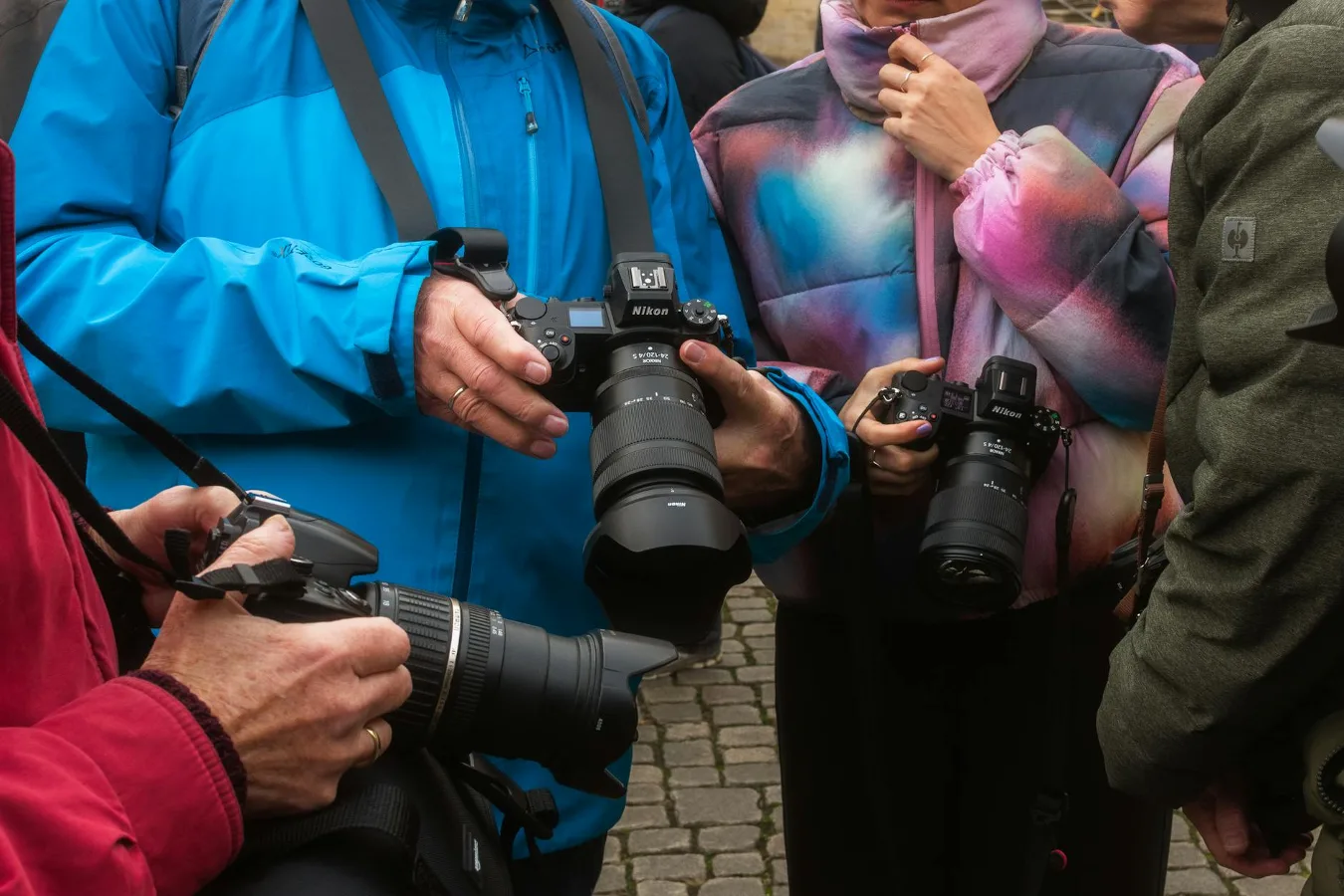
What matters most in a sports mirrorless camera
If you are shopping for the best mirrorless camera for sports, the short answer is simple: prioritize autofocus reliability, subject tracking, burst shooting, buffer performance, and a body that feels stable in your hands. Sports photography is less about having the most features on paper and more about how consistently the camera can follow unpredictable motion. mirrorless camera autofocus explained offers more detail on this point.
That means the ideal choice depends on the sport you shoot. Fast indoor action such as basketball places a premium on low-light autofocus and quick lens response. Outdoor field sports add the need for subject acquisition at longer distances. Motorsports and wildlife-style action often demand strong tracking and a body that can keep up for long periods without becoming awkward or tiring.
A mirrorless camera can be an excellent fit for sports because electronic viewfinders, advanced autofocus systems, and deep subject-detection tools have become a major strength of the format. Still, not every mirrorless camera is equally suited to fast action. A smaller, simpler body may be easy to carry, but that does not automatically make it the better sports choice if the autofocus system struggles to keep up. good camera for action shots offers more detail on this point.
The core decision: autofocus beats almost everything else
For sports, autofocus is usually the most important buying factor. A camera that can quickly lock onto a moving subject and stay there will save more shots than a slightly higher resolution sensor or a more premium finish.
Look for autofocus systems that are known for:
- fast initial acquisition
- reliable continuous autofocus
- strong subject detection for people and animals
- tracking that stays confident when players overlap
- good performance across a wide area of the frame
Many modern mirrorless cameras offer eye detection, face detection, and subject recognition. Those features help most when athletes turn, cross paths, or move unpredictably. For sports, though, the real test is not whether a feature exists. It is whether the camera stays attached to the intended subject while the scene gets messy.
A common misconception is that autofocus speed alone is enough. Speed matters, but tracking consistency matters more. A camera can feel quick when the subject is isolated, yet become unreliable once bodies, nets, fences, or shadows enter the frame. That is where a sports camera proves its value.
Burst shooting helps, but it is not the whole story
High burst rates are useful because sports action is full of brief peaks: the moment of contact, the jump, the save, the slide tackle, the release. A faster burst can give you a better chance of capturing the exact expression or body position you want.
Still, burst rate is only part of the equation. A camera may advertise a fast frame rate, but if the buffer fills quickly or autofocus cannot keep up, the practical benefit drops. For real sports work, the camera should sustain action reasonably well instead of delivering a short burst and then slowing down at the exact wrong moment.
That is why buffer depth matters. The buffer determines how many files the camera can write before it pauses or slows. If you shoot long rallies, repeated plays, or extended sequences, a deeper buffer can be more useful than a headline burst number.
Another overlooked point is file type. Large raw files can strain the buffer faster than compressed or smaller formats. If your workflow depends on fast bursts, pay attention to how the camera handles sustained shooting rather than focusing only on the maximum frame rate figure.
Why lens choice is part of the camera decision
The best mirrorless camera for sports is not just about the body. Lens compatibility and available telephoto options matter just as much. A great autofocus system cannot compensate for a lens that is too slow, too short, or simply not suited to the sport you shoot.
For field sports, longer focal lengths are often helpful because they let you isolate subjects from farther away. Indoor sports usually call for brighter lenses because arenas and gymnasiums can be challenging environments for autofocus and shutter speed. If you plan to shoot a wide range of sports, choose a camera system with strong native lens support rather than assuming you can solve everything later.
It is also worth considering lens balance. A small body paired with a large telephoto lens can feel front-heavy, especially during long games or matches. If you shoot often, the way the body and lens balance together may matter more than the body alone.
Ergonomics become more important during long events
Sports photography often means holding the camera for a long time, following the action from awkward angles, and making quick adjustments without taking your eye away from the viewfinder. That makes ergonomics a practical priority, not a luxury.
Pay attention to:
- grip shape and hand comfort
- button placement for quick AF changes
- joystick or control wheel responsiveness
- viewfinder clarity and lag
- screen articulation for low-angle shooting
A deep, secure grip can make a noticeable difference with larger lenses. Clear, responsive controls also matter because sports rarely gives you time to dig through menus. If a camera allows you to switch tracking modes, focus areas, or drive settings quickly, it is easier to adapt as the game changes.
One practical nuance many buyers miss is that a sports camera should feel stable with your most-used lens, not just comfortable in the hand by itself. The body and lens combination is what you actually carry and aim for an entire event.
Image quality still matters, but only after the action is captured
Resolution, dynamic range, and low-light performance all matter, but they sit behind capture reliability for sports. A sharper sensor is useful if it helps you crop distant plays or print large photos. Better low-light handling can be valuable in gyms, arenas, and evening games. Dynamic range can help preserve detail in bright jerseys, white uniforms, or sunlit backgrounds.
That said, a sports camera should not be chosen on image quality alone. A slightly less detailed file from a camera that consistently nails focus may be more valuable than a higher-resolution file with missed timing. This trade-off is especially important for action where the decisive moment only lasts a split second.
If your work includes both sports and general photography, you may want a more balanced body that handles portraits, travel, or landscapes well too. If sports is the main use case, lean toward the camera that is strongest at autofocus and handling, even if it is less versatile in other genres.
Indoor and outdoor sports are not the same purchase
Buying for sports sounds broad, but the actual use case changes the best camera choice.
Indoor sports
For basketball, volleyball, gymnastics, wrestling, or other indoor events, low-light autofocus and lens speed become especially important. Indoor venues often force higher ISO settings and less forgiving shutter choices. A camera that performs well under dim lighting and keeps focus steady on players moving toward and away from you is usually a better fit than one that merely bursts quickly.
Outdoor sports
For soccer, baseball, football, lacrosse, motorsports, or field events, subject distance and tracking coverage become more important. You may need a camera that can follow athletes across the frame without constant focus point reshuffling. Weather resistance and battery endurance can also matter more if you are shooting long outdoor sessions.
This is an area where buyers sometimes overbuy for the wrong conditions. A camera that excels in a bright outdoor stadium may not be the best option for evening gym work, and a low-light specialist may feel limiting on a distant sideline.
Practical ways to narrow the field
If you are comparing mirrorless cameras for sports, use the following decision path instead of getting distracted by every spec sheet detail.
- Start with your sport. Indoor or outdoor, close or distant, fast or semi-structured action.
- Check autofocus behavior. Prioritize subject tracking, not just the presence of eye detection.
- Review burst and buffer together. Sustained shooting matters more than a single burst number.
- Match the lens system. Make sure the mount has the telephoto or fast lenses you need.
- Consider handling. Choose a body that remains comfortable with your intended lens.
- Think about your workflow. If you shoot raw, edit heavily, or deliver quickly, workflow speed matters too.
This approach keeps the purchase grounded in real use rather than marketing language. It also helps avoid a common mistake: buying a feature-rich body that does not match the specific sport you actually photograph.
Trade-offs you should expect
There is no perfect sports camera. Faster autofocus systems may come in bodies with shorter battery life or more complex menus. Smaller cameras may be easier to carry but less balanced with telephoto lenses. High-resolution sensors can be helpful for cropping, yet they may create larger files and demand more storage and processing power.
Some mirrorless cameras also lean heavily on computational features. Those can be useful, but they should not replace a camera’s basic ability to lock focus and stay usable during long action sequences. In sports photography, dependable fundamentals usually matter more than flashy feature lists.
Another trade-off is that the best camera for a sport-specific specialist may be less comfortable as an everyday camera. If you also shoot family events, travel, or street scenes, you may prefer a more general-purpose body rather than the most aggressive sports-focused option available.
Common mistakes buyers make
- Choosing a camera based only on burst rate
- Ignoring lens availability for the sport they actually shoot
- Overlooking buffer performance in raw shooting
- Assuming any mirrorless autofocus system is equally good for tracking
- Buying a body that feels small and light but becomes awkward with a telephoto lens
- Focusing on resolution while neglecting low-light performance
- Forgetting that indoor and outdoor sports demand different strengths
These mistakes are easy to make because camera marketing tends to highlight isolated specifications. Sports work is more demanding than that. The useful camera is the one that keeps up when the subject changes direction, the light drops, or the play gets crowded.
Who should prioritize a sports-focused mirrorless body
A more sports-oriented mirrorless camera makes the most sense if you regularly shoot fast action, need dependable tracking, or work in environments where missed focus is costly. That includes parents covering school sports, enthusiasts photographing league games, and content creators who need a dependable body for dynamic subjects.
You may not need the most advanced option if you only shoot occasional sports or want a camera for mixed use. In that case, a midrange mirrorless body with capable autofocus and a strong lens ecosystem may be the smarter value. The goal is not to chase the strongest spec sheet. It is to choose the camera that best matches your subject distance, lighting, lens plan, and workflow. best low light camera mirrorless offers more detail on this point.
If you are still deciding, the safest mindset is to buy for the hardest conditions you expect to encounter. A camera that performs well on a bright sideline but struggles in a gym will frustrate you quickly if indoor sports are part of your regular shooting. Likewise, a compact body that seems attractive at first may become limiting once you attach the glass needed for serious action work.
For most buyers searching for the best mirrorless camera for sports, the best answer is the one that balances autofocus confidence, sustained burst performance, usable ergonomics, and the right lens system for the sports they actually shoot. That combination usually matters more than any single headline feature.
