
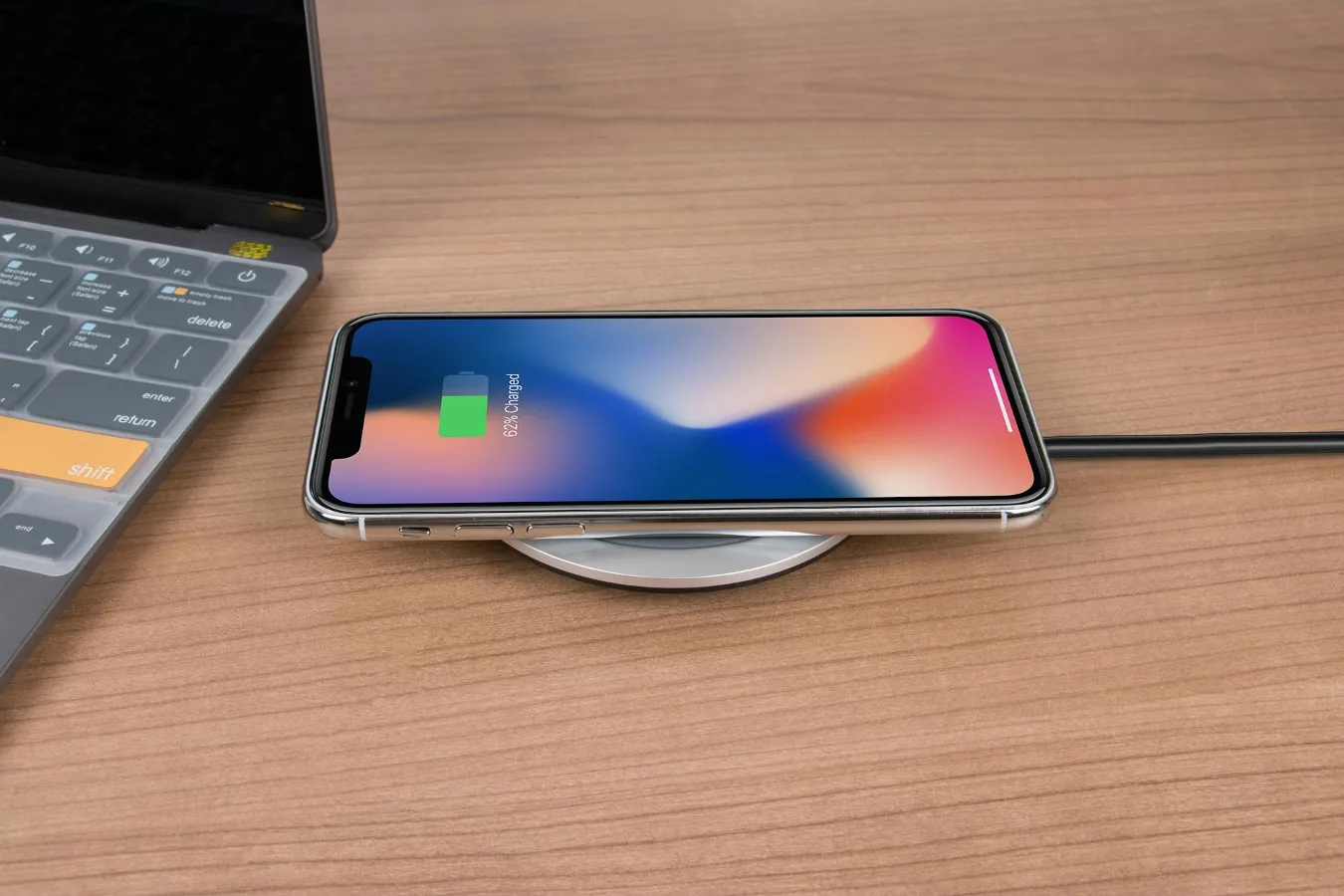
What a clock with wireless charger is best for
A clock with wireless charger is a practical two-in-one accessory for people who want a cleaner bedside table, desk, or guest room setup. It combines timekeeping with a built-in charging surface for compatible phones, so you can keep your essentials in one place instead of spreading them across multiple cables and adapters. wireless charging clock offers more detail on this point. 3 in 1 magnetic wireless charger offers more detail on this point.
The appeal is straightforward: fewer cords, less clutter, and a more organized surface. But the best choice depends on how you actually use your phone at night, how much space you have, and whether the clock’s display and charging area fit your routine. For some people, it is a tidy upgrade. For others, a separate clock and charger may be the more flexible option.
If you are shopping for one, the main question is not just whether it charges a phone. It is whether the clock is easy to read, the charger is compatible with your device, and the overall design works well in the room where it will live.
Who should consider one
This type of product makes the most sense for buyers who want a simple bedside solution. It is especially useful if you prefer a phone to stay within reach overnight, but do not want a tangle of cables on the nightstand. It can also work well in small apartments, dorm rooms, guest bedrooms, and compact home offices where every item needs to earn its place. phone accessories for the bedroom offers more detail on this point.
A clock with wireless charger is also a strong fit if you like a minimal setup. Instead of a separate clock, cable, and charging puck, you get one device that handles a few common tasks. That can make a room feel calmer and more organized, even if the actual footprint is similar to a small alarm clock plus charger combination.
It may be less appealing if you use a thick phone case, charge multiple devices at once, or want your charger to work from an awkward angle. In those cases, a dedicated charging stand, MagSafe-style charger, or multi-device charging dock may be easier to live with.
The main trade-offs to weigh
The biggest trade-off is convenience versus flexibility. A combined clock and charger reduces clutter, but it can also limit how you arrange the space. If the clock’s display is too bright, poorly angled, or difficult to dim, that can become more frustrating than having a separate clock and charger.
Another trade-off is charging versatility. Wireless charging is convenient because you simply set the phone down, but it is not always the fastest or most forgiving method. If your phone is not centered correctly, charging can be inconsistent. Some cases and accessories also interfere with alignment, especially if the charger surface is recessed or the phone needs to sit in a very specific position.
Sound and lighting are easy to overlook during shopping. A clock that looks clean in product photos can still be a poor bedside companion if the display is too bright, the buttons are awkward, or the alarm controls are difficult to manage in the dark. Since this is often a sleep-space product, those small details matter more than they first appear.
Charging compatibility matters more than the headline feature
Wireless charging is not universal in practice, even when a listing makes it sound effortless. The most important detail is whether the charger supports your phone model and the charging standard it uses. Many wireless charging products rely on Qi-compatible charging, but the exact experience can vary depending on the phone, case thickness, and how the charging coil is positioned inside the clock.
Before buying, check whether your phone is supported and whether your case is likely to get in the way. Slim cases are usually easier to live with than bulky protective cases, wallets, ring holders, or magnetic accessories that can shift alignment. If you use an attachment like a grip or pop-style accessory, you may need to remove it before charging.
Also consider whether you need charging for other devices. Some clock models include a USB port in addition to the wireless pad, which can be useful for earbuds or a second device. That added flexibility can be worth it, especially if your nightly routine includes more than one item to power.
Display quality and sleep comfort
Since this product sits close to where you sleep, the clock display deserves as much attention as the charger. A display that is easy to read during the day may still be too bright at night. Look for dimming options, automatic brightness adjustment, or a display that can be turned off when not needed.
Digit style also matters. Large, high-contrast numbers are usually easier to read at a glance, especially in a dark room. If the clock uses smaller characters or a busy layout, it may be harder to check the time without fully waking up.
Some buyers also prefer subtle indicator lights and buttons with a simple layout. The less you need to fumble around in the dark, the better the bedside experience tends to be. This is one of the most overlooked parts of the purchase: a charging clock can be technically useful but still annoying if its display or controls interrupt sleep.
Materials, build, and stability
For a product that may sit next to a bed or on a work desk, build quality affects both appearance and daily use. Materials do not just influence how the clock looks; they influence how stable it feels when you set a phone down, press buttons, or move it during cleaning.
Plastic housings are common and can be perfectly fine if they feel sturdy and the finish looks clean. Softer-touch coatings or textured surfaces may help the clock feel less slippery, though they can show wear differently over time. If the device is meant to blend into a bedroom, a neutral finish often works better than a flashy design that becomes visually distracting.
Stability is especially important for wireless charging. If the device rocks, shifts, or slides when you place the phone on top, charging alignment may suffer. A wider base, low center of gravity, or non-slip feet can make a practical difference even if the product description does not emphasize them.
Layout and space planning for real rooms
One common misconception is that a clock with wireless charger automatically saves space. It can reduce clutter, but the device itself still needs room, and some models are larger than expected once you account for display angle, charging pad placement, and any extra ports or controls.
On a narrow nightstand, the clock may compete with reading glasses, water, earbuds, and a lamp. If your bedside table is already crowded, measure the available space before you buy. Also think about how you reach the clock from bed. A good layout lets you view the time and set the phone down without stretching or knocking into other items.
Desk placement raises different concerns. If the clock sits beside a monitor or laptop, it should not clutter the work area or draw too much attention. A low-profile design may work better for a desktop, while a brighter display may be better suited for a bedroom or guest room where time visibility matters more.
When a separate charger may be the better option
A combined clock-and-charger is not automatically the best choice for every setup. In some cases, separate accessories are easier to adapt over time. If you upgrade phones often, use different devices in different rooms, or prefer a very specific charging angle, a standalone wireless charger gives you more freedom.
Separate pieces can also be easier to replace. If the clock fails, you do not lose your charger. If the charger becomes outdated, the clock still works. That modular approach can feel more practical for buyers who value flexibility over a tidy all-in-one design.
For households with more than one phone type, a charger with broader device support or multiple charging zones may be a smarter fit. A clock with wireless charging is usually a focused bedside solution, not a universal charging station.
Helpful features that are worth considering
Some features add real convenience, while others are mostly cosmetic. The most useful additions are the ones that simplify bedtime and morning routines without making the device harder to use.
- Adjustable brightness: Helps the display stay visible without being disruptive at night.
- Alarm controls: Useful if you want one device to handle both charging and wake-up duties.
- USB output: Handy for charging earbuds, a backup device, or another small accessory.
- Non-slip base: Helps keep the clock stable when placing or removing a phone.
- Clear button layout: Makes it easier to use in low light.
- Simple display design: Usually easier to read quickly from bed or across a desk.
Not every extra feature is worth paying attention to. If the clock already fits your space and charging needs, a more complicated model may only add setup friction. Buyers often benefit more from a clean, dependable layout than from a long list of extras.
Common mistakes shoppers make
Many buyers focus on the wireless charging feature and ignore the rest of the product. That is where disappointment starts. A clock that charges well but has a harsh display, awkward alarm controls, or a bulky footprint can quickly feel like a bad purchase.
Another frequent mistake is assuming every phone will charge the same way. In reality, case thickness, alignment, and phone size can all affect the experience. If your device is heavier or larger, a shallow pad may not hold it as securely as expected.
It is also easy to underestimate lighting. A bright room and a dark bedroom create different needs. A display that looks pleasantly clear in product photos may feel too intense at night unless it includes dimming or a display-off mode.
Finally, do not assume a combined product is better simply because it reduces visible clutter. The best setup is the one that fits your habits, not the one with the fewest visible objects.
Best use cases by buyer type
For minimalist bedrooms: Look for a compact shape, subdued lighting, and a stable charging surface. A clean design matters more here than extra features.
For students and dorm rooms: Convenience and compact size are usually the priority. A combined device can replace multiple small items on a tight nightstand or desk.
For guest rooms: Simplicity is valuable. A clock with wireless charging can make a room feel more welcoming without requiring guests to hunt for a cable.
For home offices: A model with a readable display and reliable charging can help keep a desk organized while still serving as a time reference during work.
For shared spaces: Consider whether the controls are intuitive enough for different users. A simple layout is often more practical than a feature-heavy model.
Smart next steps before you buy
Start by checking your phone’s charging compatibility and your case thickness. Then measure the space where the clock will sit, including clearance for the display angle and any charging ports. After that, decide which matters more to you: a stronger bedside clock experience or a more flexible charging setup.
If your priority is a cleaner nightstand with one easy place to drop your phone, a clock with wireless charger is a strong candidate. If your priority is fast charging, multi-device support, or maximum flexibility, a separate charger may be the safer choice.
The best purchase is usually the one that solves the most common friction in your daily routine. For many buyers, that means a clock that is easy to read, a charger that works with the phone they already own, and a design that disappears into the room instead of demanding attention.
