
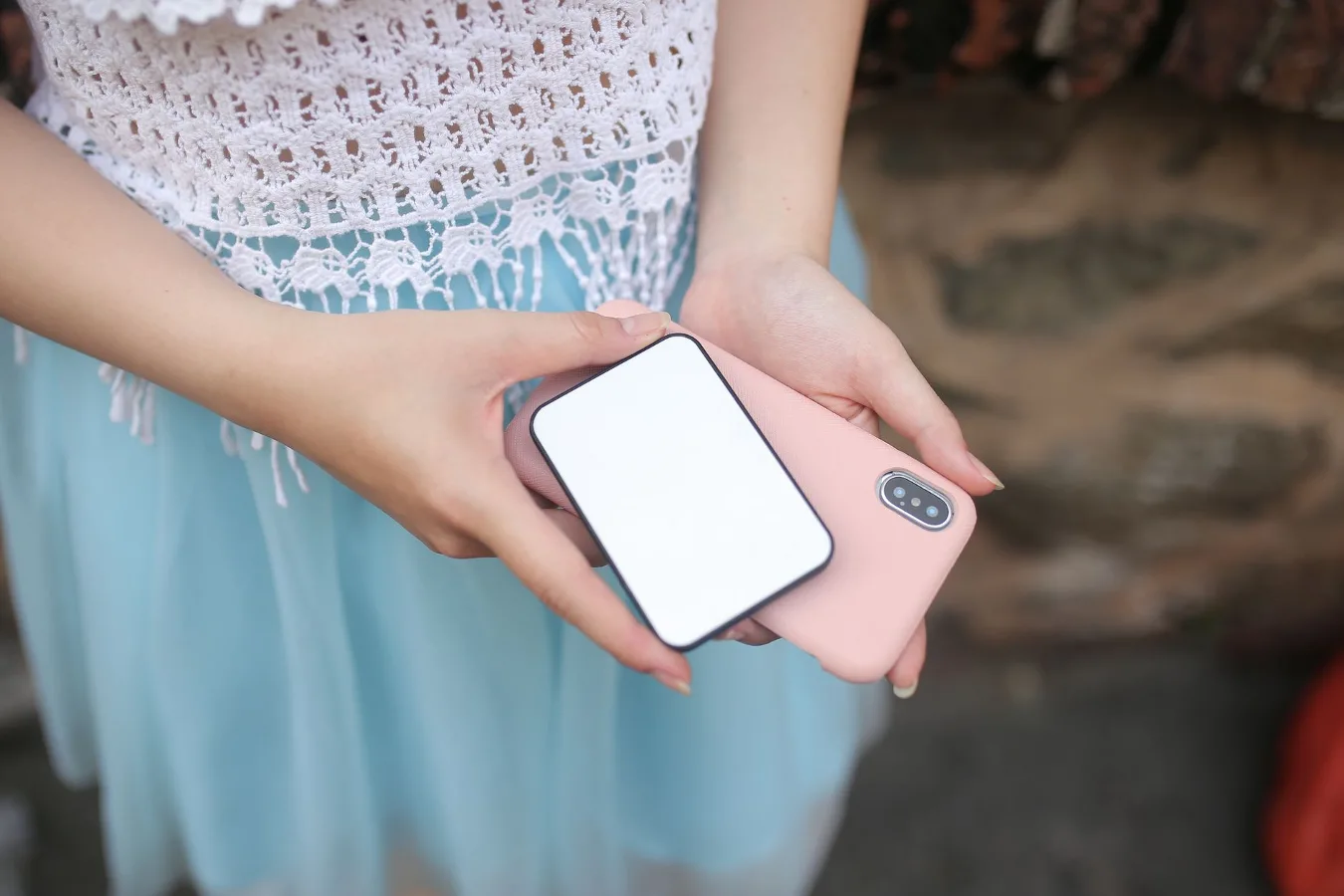
Promotional power banks are branded portable chargers given away or sold as marketing merchandise. They work best when the audience actually uses mobile devices on the go and when the charger itself is practical enough to keep, carry, and reuse. branded power banks offers more detail on this point. best promotional items for mobile users offers more detail on this point.
The right choice depends less on the logo and more on the details: battery capacity, charging speed, size, port selection, compatibility, safety features, and the space available for branding. A power bank that looks good but charges slowly or feels bulky is easy to ignore. A well-chosen one can stay in use for months, keeping your brand in front of the user long after the event or campaign ends.
When promotional power banks make sense
Promotional power banks are a strong fit for audiences that rely on smartphones, earbuds, tablets, or other USB-powered devices throughout the day. That includes trade show attendees, commuters, field teams, students, conference guests, travelers, and clients who spend a lot of time away from outlets. how to choose branded phone accessories offers more detail on this point.
They are especially useful when you want a giveaway that feels more valuable than a basic pen or keychain, but still fits into a broader promotional budget. Because they solve a real problem, they often have better retention than novelty items. People tend to keep charging accessories if they are easy to use and convenient to carry.
They are less effective when the audience is unlikely to need portable charging, or when the event itself does not involve a mobile lifestyle. In those cases, a different branded item may get better use.
Start with the use case, not the imprint
The most common mistake with promotional power banks is treating them like a blank canvas first and a product second. The physical item should match how it will be used.
If the goal is event swag: focus on compact models that are easy to hand out and easy to keep in a bag.
If the goal is employee or client gifting: consider a more polished style with a cleaner finish, broader compatibility, and enough capacity to feel genuinely useful.
If the goal is travel or field use: prioritize portability, durable construction, and a design that can handle regular movement.
If the goal is broad distribution: choose a straightforward model that works for most users without too much explanation.
That order of thinking matters. A power bank with a large imprint area is not necessarily the right one if it is awkward to carry. Likewise, the cheapest option may cost less up front but do little for perceived value.
Step-by-step criteria for choosing the right model
1. Match capacity to the audience’s needs
Capacity is one of the first questions to answer. Promotional power banks are commonly described by battery capacity, but the better question is how much practical use the recipient will get from it.
Lower-capacity units are often better for slim, lightweight giveaways where portability matters most. They are easier to carry and usually more budget-friendly. Higher-capacity units are better when you want the charger to feel substantial and useful for longer outings or heavier device use.
Do not assume bigger is always better. Larger capacity can also mean a heavier and bulkier product, which may reduce the chance that people carry it every day.
2. Check charging compatibility
A promotional power bank should fit the devices your audience actually uses. That means considering whether the unit supports USB-A, USB-C, or wireless charging, and whether it includes the cable or connection type your audience expects.
This is especially important for mobile-first audiences who may use newer smartphones and accessories. A charger that only supports outdated connections can feel less useful, even if the branding looks sharp.
If your audience is mixed, look for a model with flexible output options rather than a single narrow use case.
3. Consider charging speed and convenience
People usually remember whether a branded charger is easy to use. Charging speed, the number of output ports, and the clarity of the indicator lights all affect the experience.
A model that requires awkward setup or charges devices very slowly may still be kept, but it is less likely to become a regular carry item. A simpler, more convenient power bank often delivers better long-term brand exposure because it gets used more often.
Convenience also includes how the product feels in daily life. Smooth edges, easy-to-find buttons, and a straightforward cable setup matter more than many buyers realize.
4. Decide how much brand visibility you want
Branding method should match the style of the item. Some power banks have a larger imprint area, while others look better with subtle decoration. A busy design can make the product feel cluttered, especially on smaller models.
Ask whether the power bank is meant to be a prominent promo item or a more premium branded gift. A bold logo can work well for events and mass giveaways. A more restrained treatment may be better for client-facing gifts or internal use.
One overlooked nuance: the more often the item travels with the user, the more important it becomes that the branding looks clean and durable. A design that feels cheap can work against the intended impression.
5. Review portability and physical design
Power banks live in bags, pockets, desk drawers, car consoles, and laptop sleeves. The shape and weight should match that reality.
Compact models are easier to distribute and easier for recipients to keep nearby. Larger models may deliver more charging utility, but they can be less appealing if they feel like another item to carry.
Surface finish matters too. A matte or textured finish may be more comfortable to hold and less prone to visible wear than a glossy surface, depending on the model. The best choice is the one that fits the expected use environment.
6. Look for safety and reliability cues
For any battery-powered accessory, safety and reliability should be part of the buying decision. You do not need to overcomplicate this, but you should avoid choosing solely on appearance.
Look for clear product documentation, straightforward charging instructions, and basic protections that are commonly associated with quality battery accessories. If a supplier cannot explain how the product should be used or stored, that is a red flag.
Also consider how the product will be distributed and stored before delivery. Promotional power banks should be kept in a way that protects them from damage and confusion with other accessories.
7. Make sure the packaging fits the campaign
Packaging often gets overlooked, yet it changes how the item feels when handed out. Simple packaging works well for mass events. Better presentation may be more appropriate for onboarding kits, executive gifts, or mailers.
Packaging also affects practicality. If the item will be shipped individually, the packaging should protect the unit while remaining easy to open. If it will be handed out on-site, quick access may matter more than presentation.
Benefits that make power banks worth considering
There is a reason promotional power banks remain popular in tech-forward campaigns. They are useful, compact enough to distribute, and easy to tie to a mobile lifestyle.
- High utility: recipients can use them in real situations, which improves the odds that they keep them.
- Longer brand exposure: a reusable charging accessory can stay visible far beyond the initial event.
- Broad appeal: most smartphone users understand the value of backup power.
- Flexible positioning: they can be used for mass promotions, employee gifts, or client appreciation.
- Easy to pair with other items: they fit well into welcome kits, travel bundles, and event packs.
That said, usefulness alone does not guarantee success. A promotional power bank still needs to feel appropriate for the recipient and easy enough to carry that it becomes part of their routine.
Limitations and trade-offs to weigh carefully
Promotional power banks are practical, but they are not the right choice for every campaign. The biggest trade-off is usually between portability and capacity. A small model is easier to hand out and carry, while a larger one may be more useful but less convenient.
Another limitation is compatibility. If your audience uses a wide range of devices, a simple charger may not suit everyone equally well. You may need to choose a model with more flexible connection options or accept that some recipients will use it more than others.
There is also a perception issue. A low-quality power bank can feel less thoughtful than a similarly priced non-electronic gift. Because it is a functional item, recipients tend to notice whether it works well and whether it feels dependable.
Finally, storage and distribution deserve attention. Battery-powered products often need more care in handling than non-electronic swag. That does not make them difficult to use, but it does mean the buying process should be more deliberate.
Examples of good fit by campaign type
Trade shows and conferences
Choose a compact, easy-to-carry model that can be handed out quickly. The item should be simple to understand at a glance. If attendees must read instructions to know whether they want it, the giveaway has already lost momentum.
Client appreciation gifts
A more polished design can make sense here, especially if the power bank is part of a curated gift. The goal is not just visibility but a positive impression. Packaging, finish, and general presentation matter more in this setting.
Employee onboarding
For internal use, practicality usually wins. A dependable charger that works well with everyday phone use and commuting can feel more relevant than a flashy product. Matching it with other tech essentials can make the kit feel cohesive.
Travel or field-team accessories
Focus on portability, dependable charging, and a design that is comfortable to carry every day. The item should fit easily into a backpack, gear bag, or carry-on without adding hassle.
Common mistakes buyers make
- Choosing by price alone: the cheapest option may be the least useful or the least memorable.
- Ignoring device compatibility: a charger that does not match the audience’s phones or cables can be a poor fit.
- Overvaluing imprint size: a larger logo area does not compensate for awkward design or weak utility.
- Picking a bulky model for a mass giveaway: recipients may leave it behind if it feels inconvenient.
- Skipping packaging considerations: presentation and protection both matter, especially for mailed kits.
- Assuming every recipient will use it the same way: some people need backup charging daily, while others rarely use it.
Practical checklist before you place an order
- Identify the audience and how they are most likely to use the power bank.
- Choose a capacity level that balances portability and usefulness.
- Confirm the charging connections and device compatibility.
- Review the imprint area and decide how prominent the branding should be.
- Check the size, weight, and finish for everyday carry.
- Ask how the product should be stored, shipped, and distributed.
- Decide whether the campaign needs basic handout packaging or a more premium presentation.
- Compare whether a power bank is the best fit or whether another branded tech accessory would serve the same goal more effectively.
Alternatives worth considering
If promotional power banks do not match your campaign, there are other phone-related promotional items that can still deliver useful brand exposure.
- Charging cables: lighter, simpler, and easier to distribute in large quantities.
- Wireless charging pads: useful for desk-based users, though less portable.
- Phone stands: practical for desks, video calls, and content viewing.
- Car chargers: useful for commuters who spend time driving.
- Multi-device charging accessories: better for audiences with mixed tech needs.
The right alternative depends on where your audience works, travels, and charges devices. Promotional power banks are strongest when mobility is part of the story.
Choosing the right promotional power bank
The best promotional power bank is the one that your audience will actually carry and use. That usually means a model that matches their devices, feels easy to handle, and fits the tone of your campaign. A compact giveaway for a busy conference crowd may need a different design from a branded gift for employees or clients.
If you focus on real-world usefulness first and branding second, the result is usually stronger. The product feels more thoughtful, the impression lasts longer, and the item is more likely to stay in circulation instead of ending up in a drawer.
