
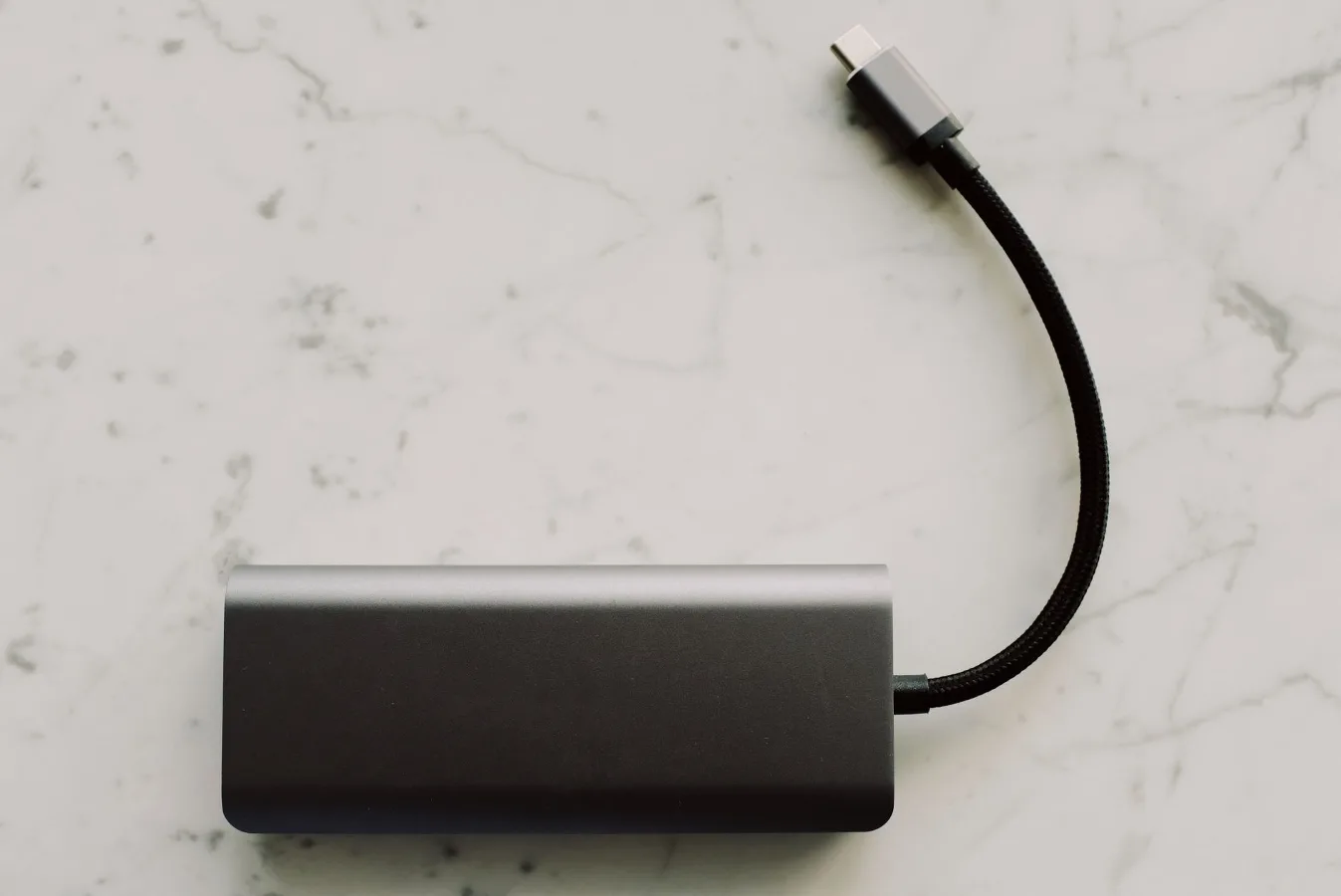
Who a Podoru power bank is for
A Podoru power bank is typically searched by shoppers who want a practical phone charging backup without overcomplicating the decision. That usually means one of three things: you need a small charger for daily carry, a more capable battery for travel, or a wireless option that reduces cable clutter. phone charging accessories explained offers more detail on this point. nitecore power bank offers more detail on this point.
The right choice depends less on the brand name alone and more on how you actually use your phone. A compact model can be ideal for emergency top-ups, while a larger pack makes more sense if you rely on your phone heavily during long commutes, flights, events, or workdays away from an outlet.
If you are comparing Podoru power banks against other portable chargers, focus on fit for use rather than marketing language. Capacity, charging output, size, and device compatibility matter more than a long list of features that may not help your particular phone setup.
What to check before you buy
Before choosing a Podoru power bank, decide how you want to use it. That single step prevents most regret purchases.
Battery capacity
Capacity is the first filter because it affects both size and how many times the power bank can recharge a phone. Higher-capacity models are usually better for travel or multiple devices, but they also tend to be heavier and bulkier. Smaller units are easier to carry, but they are better suited to partial refills rather than repeated full charges.
A common mistake is buying more capacity than you need. If the charger will live in a purse, backpack pocket, or everyday carry pouch, portability may matter more than raw reserve power.
Charging output and speed
Look closely at how the power bank charges devices, not just how much energy it stores. A phone charger can have decent capacity and still feel slow if the output does not match your device’s charging standard. For many shoppers, the useful question is whether it supports the type of charging their phone already uses, especially over USB-C. how to choose a USB-C power bank offers more detail on this point.
Fast charging is helpful, but only if your phone and cable support it. Otherwise, the extra capability may not make a noticeable difference in day-to-day use.
Wired, wireless, or both
Some buyers want a cable-first charger because it is generally more efficient and predictable. Others prefer a wireless or magnetic model for convenience. If you are considering a magnetic Podoru-style charger, make sure the alignment and attachment style suit your phone case and daily habits.
Wireless charging is convenient for quick top-ups, but it can be less efficient than wired charging and may be slower in real-world use. That trade-off is often acceptable for desk use or short trips, but less ideal when you need to maximize every bit of stored battery.
Size, weight, and pocketability
Many buyers overlook the practical constraint that a power bank only helps if you are willing to carry it. A thin, lightweight pack is easier to bring everywhere, but may not fully meet the needs of heavy users. A larger unit may offer more charging reserve, but can become something you leave at home unless you truly need the extra capacity.
For phone users, portability is often the deciding factor. The best power bank is the one you will actually keep with you.
Trade-offs that matter more than the spec sheet
Podoru power bank shoppers often focus on features, but the better buying decisions usually come from understanding trade-offs. Each feature tends to improve one part of the experience while creating a compromise elsewhere.
- More capacity usually means more bulk. That can be worth it for travel, but awkward for daily pocket carry.
- Wireless convenience can reduce efficiency. It is easier to use, but not always the best choice when you need the fastest refill.
- Smaller chargers are easier to keep on hand. They are great for emergencies, but may not cover a full day of heavy phone use.
- Fast charging depends on the whole chain. The phone, cable, and charger all need to support it for the feature to matter.
One overlooked consideration is case compatibility. A magnetic or wireless power bank may work well with one phone case and poorly with another. Thick cases, misaligned magnets, or loose fits can turn a convenient accessory into a frustrating one.
Materials and build quality cues
You do not need a teardown to judge a power bank, but the exterior and layout still tell you a lot about daily usability. A smooth finish may look clean, yet it can be more prone to slipping out of a hand or pocket. A textured body can feel more secure. Rounded corners often make a compact charger easier to carry.
Also check the placement of ports, buttons, and indicators. If the USB-C port is awkwardly positioned or the battery indicator is hard to read, the charger may be annoying to use even if the internal specs are acceptable. That kind of friction matters more than many shoppers expect.
For wireless models, alignment is part of the product design, not just a phone issue. A good magnetic setup should feel stable enough for short-term use without constant repositioning.
Compatibility considerations for iPhone and Android users
A power bank that works well on one phone type may be less convenient on another, so compatibility deserves attention before you buy.
For iPhone users: Many shoppers want a magnetic or wireless option because it keeps the setup simple. That can be practical for commuting, work desks, and short trips. Still, a wired USB-C power bank may be the better choice if you want faster and more efficient charging.
For Android users: Wired charging through USB-C is often the most straightforward route, especially if you already carry a USB-C cable for other devices. If you want wireless charging, confirm that your phone supports it and that the charging style matches your routine.
For mixed-device households: A universal USB-C power bank is often the safest buy because it can support multiple phones and accessories. That flexibility can be more valuable than a design optimized around a single phone ecosystem.
When a Podoru power bank makes sense
This kind of charger usually makes the most sense for shoppers who want a balance of convenience and portability. It can be a good fit if you want:
- a backup charger for daily errands and commuting
- a compact option for a small bag or backpack
- a travel accessory for airports, hotels, and long days away from outlets
- a wireless or magnetic setup for quick top-ups
- a simple charging solution without carrying multiple accessories
It may be less suitable if you need to power several devices at once, recharge a phone many times before recharging the battery pack itself, or rely on the fastest possible wired charging every time.
Common mistakes buyers make
People shopping for a Podoru power bank often make the same avoidable mistakes.
- Buying for the label instead of the use case. A stylish compact charger is not automatically the best choice for long travel days.
- Ignoring charging standards. A power bank can only perform as well as the phone and cable allow.
- Choosing the wrong size. Ultra-compact models are convenient, but may not offer enough reserve battery for heavier users.
- Overlooking case fit. Wireless and magnetic chargers depend heavily on the phone case design.
- Assuming every USB-C port behaves the same. Port type alone does not tell you everything about speed or compatibility.
The most practical approach is to think through a normal week, not your best-case scenario. How often does your phone drop below comfortable battery levels? Do you carry a bag? Are you usually near a wall outlet? Those answers matter more than promotional phrasing.
How to compare Podoru power banks with alternatives
If you are deciding between a Podoru power bank and other portable chargers, compare the basics first. Start with capacity, charging method, portability, and compatibility. Then look at design details such as whether the device feels easy to carry, easy to read, and easy to align.
Alternatives can include slim wired power banks, higher-capacity travel battery packs, or magnetic wireless chargers from other brands. A wired option may be better if you value efficiency and speed. A larger travel battery may be better if you need more reserve power. A magnetic charger may be better if convenience matters more than maximum efficiency.
The right comparison is not “Which is best overall?” but “Which is best for my phone, my bag, and my charging habits?”
Practical next steps before checkout
If you are close to buying a Podoru power bank, use this quick checklist before you commit:
- Confirm your phone’s charging port and wireless charging support.
- Decide whether you need wired charging, wireless charging, or both.
- Choose a capacity that matches your real daily or travel use.
- Check whether the size is comfortable to carry every day.
- Make sure the cable type and charging standard fit your current accessories.
- Consider whether you need a compact emergency backup or a more capable travel pack.
That process will usually reveal whether the model is a smart buy or just a convenient-looking accessory.
FAQ
Is a Podoru power bank good for everyday phone use?
It can be, if the size and charging style fit your routine. Smaller models work well for emergency top-ups, while larger ones are better for heavy phone use or travel.
Should I choose wired or wireless charging?
Wired charging is usually more efficient and predictable. Wireless charging is more convenient, especially for short top-ups, but it may charge more slowly and depend more on case fit.
What matters most when choosing a power bank?
The main factors are capacity, charging output, portability, and compatibility with your phone. Those four details usually matter more than appearance or packaging.
Can one power bank work for both iPhone and Android devices?
Yes, many power banks can work across devices, especially if they use USB-C. Just make sure the charging method and cable support the phones you plan to use.
What is the most common buyer mistake?
Choosing a power bank that looks convenient but does not match real-world use. The most common issues are buying too little capacity, overlooking compatibility, or ignoring how bulky the charger feels to carry.
Choosing the right Podoru power bank for your setup
The best Podoru power bank is the one that fits your phone, your bag, and your habits. If you want simple daily backup, a compact model may be enough. If you travel often or stay away from outlets for long stretches, a more capable battery pack is usually the better call. And if convenience is the priority, a wireless or magnetic option may be worth the trade-off in efficiency.
For shoppers comparing portable chargers, the key is not to chase every feature. Pick the charging style you will actually use, confirm compatibility, and choose the size you are realistically willing to carry. That approach usually leads to a better purchase than focusing on specs alone.
