
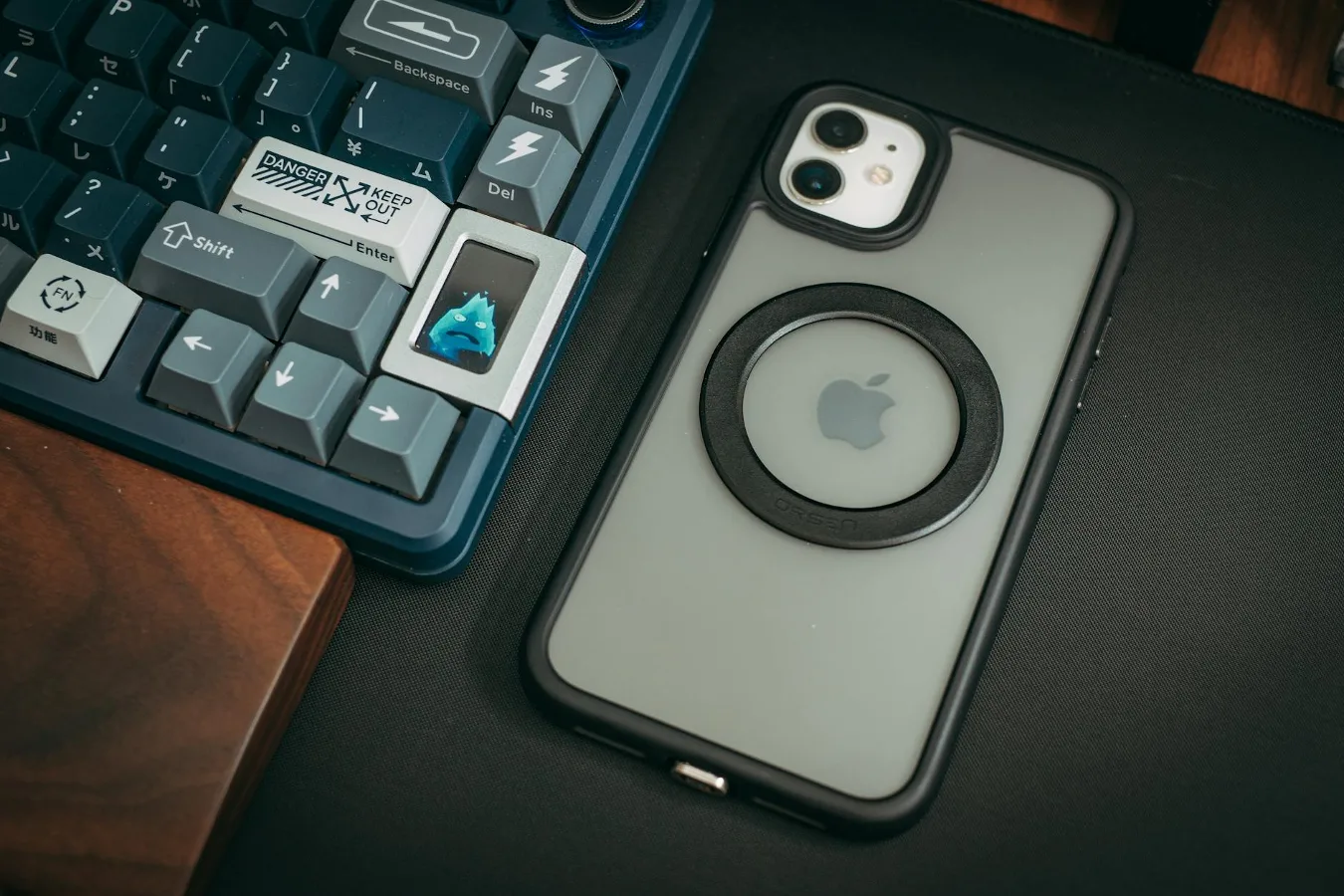
Aesthetic phone cases are best thought of as a blend of style and function: they should suit your visual preferences, fit your phone correctly, and work with the way you actually use the device. A case that looks great in product photos can still be a poor choice if it is slippery, blocks accessories, adds too much bulk, or wears out quickly.
If you are shopping for a case mainly because you want your phone to look more polished, start with the basics: confirm your exact phone model, decide how much protection you need, and choose a finish or material that fits your routine. That approach helps you avoid common regrets, especially with clear cases, slim designer styles, and decorative cases that prioritize appearance over durability. how to pick the right phone case material offers more detail on this point. Polka Dot Phone Case: How to Choose offers more detail on this point.
What makes a phone case aesthetic in practice
“Aesthetic” is a broad label, and that is part of the challenge. For some buyers, it means a clean minimalist case in black, beige, or transparent tones. For others, it means floral prints, soft pastel colors, glossy finishes, mirrored backs, textured patterns, or cases with charms and straps. The look matters, but so does how that look holds up after daily handling.
A case usually feels more thoughtfully designed when it balances four things: color, finish, shape, and proportions. Color sets the tone, while the finish affects how the surface reflects light and how easily it shows fingerprints. Shape matters because thick corners, raised edges, or large camera rings can change the visual profile of the phone. Proportions matter because a case that looks sleek on the shelf may feel bulky in the hand.
One overlooked point is that some of the most visually appealing cases are only attractive until they start collecting scratches, oils, or discoloration. That is especially true for clear cases and glossy plastics. If long-term appearance matters to you, the material choice is just as important as the design itself.
Buyer scenario: which kind of shopper are you?
The best aesthetic phone case depends on what problem you want it to solve. A case can be decorative, protective, grip-friendly, or all three, but rarely excels equally in every area.
If you want the phone to look clean and understated
Minimalist cases are usually the easiest fit. Look for neutral colors, matte finishes, and slim shapes that keep the phone’s original lines visible. Clear cases can also work here, but only if you are comfortable with the possibility of yellowing over time or with showing small scratches more easily.
If you want a style statement
Graphic prints, bold color blocking, mirrored finishes, glitter accents, and textured surfaces can create a stronger visual identity. These are good choices if the phone is part of your outfit or personal style. The trade-off is that more decorative cases can sacrifice grip, add visual clutter, or use finishes that wear unevenly.
If you want aesthetics plus everyday protection
A hybrid case style is often the most practical choice. These cases tend to combine a clean exterior with reinforced edges, raised bezels, and a material mix that improves shock absorption. They may not be the sleekest option, but they usually offer better long-term satisfaction for people who carry their phone everywhere.
If you switch cases often
Choose a design that is easy to remove and reinstall without stretching or cracking. A highly decorative case that is difficult to swap can become annoying quickly, especially if you like matching your phone to different outfits, seasons, or occasions.
Trade-offs you should expect
There is almost always a trade-off between visual appeal and practical performance. Understanding those trade-offs makes the shopping process much less frustrating.
- Thin cases usually preserve the phone’s original shape, but they may offer less drop protection and can wear faster at the corners.
- Thicker protective cases improve impact resistance, but they can look bulkier and may reduce the visual impact of the design.
- Clear cases showcase the phone and any inserts or color accents, but they may show stains, scratches, and yellowing more readily.
- Textured or patterned cases can improve grip and visual interest, but some prints may fade or show edge wear with time.
- Glossy finishes often look striking at first, but fingerprints are more noticeable than on matte surfaces.
A common misconception is that a case that looks “light” or “delicate” is automatically well made. In reality, the feel in hand, the fit around the buttons, and the consistency of the edge molding often tell you more about quality than the design alone.
Material and spec factors that matter most
For aesthetic phone cases, material choices influence both appearance and day-to-day use. The best material is the one that supports the look you want without creating avoidable annoyances.
Silicone and soft-touch materials
These often feel comfortable and give a matte, soft finish that suits minimalist or pastel designs. They can offer decent grip, which helps reduce slips. The downside is that some soft-touch coatings attract lint or may show wear on the edges over time.
Hard shell plastics
Hard shells often support sharper graphics, glossy prints, and slim profiles. They can look crisp and polished, but they may be less forgiving if dropped unless they are paired with internal shock-absorbing layers or reinforced corners.
Clear materials
Clear cases are popular because they let the phone color show through and keep the overall look simple. For buyers focused on aesthetics, the main question is how long that clear finish stays clear. If you prefer the clean look, check whether the case is known for resisting discoloration and whether it has scratch-resistant qualities, though no clear case stays perfect forever.
Faux leather, fabric, and textured finishes
These materials can make a case look more elevated or distinct. They often suit users who want a more mature, fashion-forward look. The trade-off is maintenance: textured surfaces may hold dust differently, and some finishes can show scuffs in visible places.
Metal accents, charms, and decorative elements
These details can enhance the visual appeal, but they should not interfere with wireless charging, MagSafe alignment, or how the phone sits in a pocket or bag. Decorative elements are best when they are secure and proportionate, not loosely attached or overly bulky.
Another practical detail is button feel. A case may look stylish while still being frustrating to use if the volume or side buttons are difficult to press. For everyday convenience, make sure the button cutouts or button covers feel responsive and aligned with your phone model.
Compatibility checks before you buy
Compatibility is one of the biggest reasons people end up disappointed with aesthetic phone cases. A case can look right in photos and still fail on the basics.
- Exact phone model: The difference between similar generations can affect camera cutouts, button placement, and overall fit.
- Camera module clearance: A raised camera bump may need extra protection or a deeper cutout.
- Wireless charging and MagSafe: If you use chargers or magnetic accessories, confirm that the case does not interfere with alignment or charging behavior.
- Screen protection: Raised edges around the display help protect against face-down contact and minor scratches.
- Port access: Charging port size matters if you use cables with wide connectors.
This is where a lot of attractive cases fall short. They may be designed for visual appeal first, then adapted to fit the phone, which can lead to awkward cutouts or too much looseness around the buttons. A polished design is only useful if the case behaves like it belongs on the device.
How to choose based on lifestyle, not just style
For most buyers, the smartest choice is the one that matches the way the phone is actually used throughout the day.
Commuters and frequent travelers
If the phone lives in a crowded bag, pocket, or jacket, prioritize grip, edge protection, and a finish that does not scratch easily. A beautiful case that becomes damaged quickly is rarely satisfying for long.
Students and office users
A balanced slim case often works well here. It keeps the phone visually neat while remaining easy to carry and use during the day. If you move between classes, meetings, and commuting, a case with moderate protection is usually more useful than an ultra-delicate decorative option.
People who use the phone for photos and social content
Consider how the case looks on camera as well as in hand. Colors, reflections, and textures can affect how the phone appears in photos and mirror selfies. A case with a clean silhouette and non-glare finish may be easier to style across different outfits and backgrounds.
People who are hard on their phones
If drops are a realistic concern, choose protection first and aesthetics second. That does not mean settling for an unattractive case. It means looking for one with a streamlined design, reinforced corners, and a finish that still feels visually intentional.
Common mistakes shoppers make
Aesthetic case shopping often goes wrong for predictable reasons. Avoiding these mistakes usually matters more than chasing the trendiest design.
- Choosing by photos alone: Product images rarely show fingerprint visibility, edge texture, or how thick the case feels in the hand.
- Ignoring finish wear: Matte, glossy, metallic, and clear surfaces age differently.
- Overlooking grip: A slippery case can look elegant but be awkward in everyday use.
- Buying the wrong size: Even small model differences can affect fit and camera clearance.
- Assuming decorative equals durable: Visual style does not guarantee structural quality.
- Forgetting accessory compatibility: Cases can interfere with charging stands, car mounts, or magnetic accessories.
A practical nuance: a case that looks slightly less refined in the listing can sometimes be the better purchase if its shape, edge protection, and material choice are more sensible. Long-term satisfaction usually comes from the complete package, not just the front-facing design.
Alternatives if you want the look without full-time commitment
If you like the aesthetic side of phone cases but do not want to commit to one style all the time, there are a few alternatives worth considering.
- Interchangeable cases: Useful if you want different looks for work, travel, and weekends.
- Phone grips and charms: These can personalize a simpler case without changing the whole design.
- Decorative inserts: Some clear cases can be styled with inserts, photos, or printed backers.
- Skin-style wraps: These can change the look of the device while keeping bulk low, though they offer less impact protection than a case.
These options are especially helpful if your style changes often or if you want to avoid buying multiple cases that all serve the same purpose.
How to narrow down the best option
To make the final choice easier, start with three questions: how much protection do I need, what finish do I actually enjoy seeing every day, and how often do I mind replacing the case if it wears out? Those answers usually point you toward a clear category.
If you want the simplest path, use this decision logic: choose the most protective design that still fits your style preference, then refine by material and finish. That approach prevents you from ending up with a beautiful case that becomes frustrating after a week.
For most buyers, the best aesthetic phone case is not the flashiest one. It is the case that looks intentional, feels good in the hand, works with your accessories, and still looks acceptable after normal wear.
Next steps before you add one to cart
Before buying, review the product details carefully and compare them against how you use your phone every day. Confirm the model, check whether the case supports wireless charging or MagSafe if you need it, and read the material description closely so you know whether you are getting a hard shell, a soft-touch finish, or a hybrid build. Ecig Phone Case Buying Guide offers more detail on this point.
Then decide which compromise you are most willing to make. If style is the priority, accept that some finishes need more care. If protection is the priority, accept that the profile may be thicker. If you want a middle ground, look for a case that keeps the design clean while adding practical details like raised edges, better grip, and reliable button coverage.
FAQ
What makes a phone case aesthetic?
An aesthetic phone case usually combines pleasing color, texture, shape, and finish. The most successful designs look intentional without sacrificing basic usability.
Are clear phone cases still aesthetic over time?
They can be, but clear cases are more likely to show scratches, smudges, or yellowing depending on the material. If you like the transparent look, choose one with a finish that is designed for better long-term clarity.
Do aesthetic phone cases protect well?
Some do, but not all. Protection depends on the structure of the case, especially the corners, edges, and raised bezels. A decorative case with minimal structure may protect less than a simpler hybrid case.
Should I choose a slim or protective case?
Choose slim if you value a light feel and sleek appearance more than impact resistance. Choose protective if you carry your phone in busy environments or tend to drop it more often.
Can I use MagSafe accessories with an aesthetic case?
Sometimes, yes. You need to check whether the case is designed to work with magnetic accessories and whether the thickness or material interferes with alignment.
