
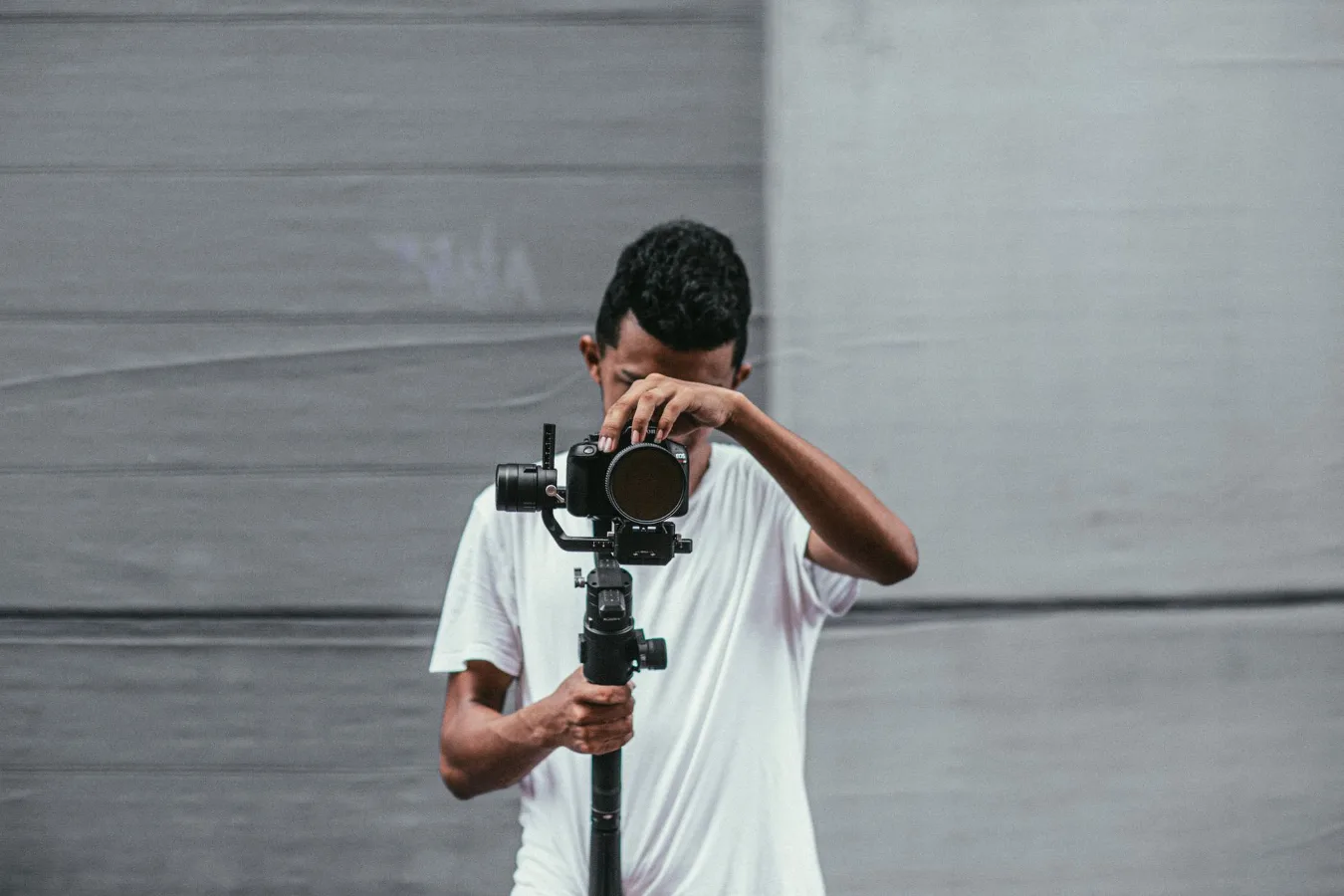
An action camera gimbal is a stabilizing accessory designed to reduce shake and keep footage smoother while you walk, pan, or move through a scene. For buyers, the main question is not just whether a gimbal works, but whether it fits your camera, your shooting style, and your tolerance for extra gear. action camera mounting options offers more detail on this point.
The right choice depends on three things: compatibility, portability, and the kind of motion you want to control. Some users need a compact stabilizer for travel clips or vlogging. Others need a setup that can handle fast movement, uneven terrain, or longer shooting sessions. A gimbal can help, but it also adds size, weight, setup time, and maintenance.
If you are comparing action camera gimbals, start with the camera model you use most often. Many compatibility issues come down to body shape, weight balance, button access, and whether the gimbal supports the camera with or without a protective housing. That single check prevents a lot of buyer regret.
Quick answer: what to look for
The best action camera gimbal is the one that matches your camera’s size and your filming habits. For most buyers, that means looking for reliable stabilization, easy balancing, a secure mount, enough battery life for your typical shoot, and controls that do not get in the way of recording. camera stabilization accessories offers more detail on this point.
If you mainly film casual clips, a lightweight and easy-to-carry stabilizer may matter more than advanced controls. If you film moving subjects, sports, or handheld sequences with frequent direction changes, better motor control and steadier tracking become more important. And if you travel often, size and charging convenience may matter more than extra features.
A common misconception is that any gimbal automatically improves every shot. That is not true. Gimbals are best for controlled movement. They can help with walk-and-talk footage, cinematic pans, and smooth tracking shots, but they are not a cure-all for every kind of shake. Very sudden impacts, aggressive motion, or poorly balanced setups can still look rough.
How action camera gimbals compare
Action camera gimbals sit between simple handheld grips and more complex camera stabilization systems. They offer more smoothing than a basic handle, but they are usually less versatile than larger gimbals designed for mirrorless or DSLR cameras.
| Option | Best for | Trade-off |
|---|---|---|
| Basic handle or grip | Simple carrying and lightweight control | Little to no stabilization |
| Action camera gimbal | Smoother handheld motion and travel video | Adds weight, power needs, and setup time |
| Built-in electronic stabilization | Fast shooting with minimal accessories | Less control over motion style and framing |
For many creators, the decision is not gimbal versus nothing. It is gimbal versus relying on the camera’s internal stabilization. Internal stabilization is easier, but a gimbal can provide a different look, especially if you want deliberate movement rather than just reduced shake.
There is also a practical limitation worth considering: a gimbal can be awkward in crowded spaces, on hikes, or while carrying other gear. If your shooting environment is unpredictable, a smaller stabilizer or even the camera’s built-in stabilization may be more realistic than a full gimbal setup.
What matters most before you buy
Compatibility with your camera
Compatibility is the first filter. Check whether the gimbal is designed for your exact action camera model or for a range of cameras within a certain size and weight class. Even small differences in body shape can affect balance, clamp fit, and access to the screen or controls.
Also check whether the gimbal works with your camera bare or with a housing, frame, or protective case. Many action cameras are used with mounts and protective accessories, and that can change how well the gimbal balances. A setup that looks compatible on paper may still feel cramped in practice. Action Camera Mounts: Choose the Right Setup offers more detail on this point.
Balance and setup effort
Some gimbals are easier to balance than others. This matters more than buyers often expect. If setup feels tedious, the gimbal may stay in your bag when you need it most. A smoother workflow is especially useful for travel, event coverage, and casual filming where you want to shoot quickly.
If you frequently switch between cameras or mounting positions, look for a model with straightforward adjustment points and clear markings. Ease of use can be just as important as stabilization quality for real-world convenience.
Weight and portability
Action camera users often choose these devices for compactness, so the stabilizer should not defeat the point of using a small camera. Heavier gimbals may be more stable in the hand, but they can become tiring during longer sessions and less appealing to carry all day.
Portability matters even more if you hike, travel, or film casually without a dedicated camera bag. A lightweight setup is often the better choice when you need to be ready to shoot quickly.
Battery life and charging convenience
Because gimbals are powered accessories, battery management becomes part of the workflow. If you shoot short clips, battery life may be a minor concern. If you film for extended periods, you will want to think about charging time, battery indicators, and whether the gimbal fits naturally into your charging routine.
A useful question is whether the gimbal battery life matches your camera’s own battery needs. If the stabilizer lasts far longer than the camera, you may not gain much. If it runs out before you finish filming, it becomes a weak link in the setup.
Controls and shooting ergonomics
Buttons, joystick placement, grip shape, and mode switching all affect how natural the gimbal feels in hand. A stabilizer should help you move smoothly, not make you think about the device itself. If the controls are awkward, you may miss moments or spend too much time adjusting settings.
For users who film themselves, easy access to controls can matter more than advanced modes. For users who film action scenes, quick switching between follow modes and locked movement may be more valuable.
When an action camera gimbal makes sense
An action camera gimbal is most useful when your footage depends on smooth handheld motion. That includes walking shots, travel clips, city footage, behind-the-scenes content, and some sports or adventure scenes where you want a more cinematic result.
It can also help if you want more control over framing than built-in stabilization usually provides. With a gimbal, the camera can stay pointed in a direction more deliberately, which can improve storytelling and make moving shots feel less chaotic.
That said, a gimbal is not always the right answer. If you shoot mostly from a tripod, helmet mount, chest mount, or fixed vehicle mount, a gimbal may add more hassle than value. Those use cases already depend on a different kind of stabilization strategy.
Another overlooked consideration is the shooting environment. In tight spaces, rough terrain, rain, dust, or fast-paced activity, a gimbal may be harder to use safely and consistently. The accessory should fit the environment, not just the camera.
Common mistakes to avoid
- Buying before checking compatibility. Action cameras are small, but not all bodies, cases, and mounts fit the same way.
- Ignoring total setup size. A portable camera can become cumbersome once you add a stabilizer, mount, and charging gear.
- Expecting perfect stabilization in every situation. Gimbals improve motion, but they cannot remove every bump, jolt, or impact.
- Overlooking balance and handling. If a gimbal is hard to set up, it may not get used often enough to justify the purchase.
- Forgetting about access to controls. A good fit should still let you start recording, change modes, and monitor framing comfortably.
- Choosing features you will not use. Extra tracking modes or app functions can sound appealing, but simple reliability often matters more.
One practical mistake is assuming that more stabilization is always better. Overly aggressive stabilization can sometimes make footage feel unnatural for certain scenes. If you want a more energetic or immersive style, a slightly looser handheld look may actually suit the content better.
Alternatives worth considering
If you are not sure a gimbal is the right fit, a few alternatives may solve the problem with less complexity.
- Built-in electronic stabilization: Good for quick shooting and minimal gear.
- Handheld grip or mini handle: Helps with control and comfort, even if it does not fully smooth motion.
- Tripod or tabletop support: Best for stationary shots, tutorials, and talking-head clips.
- Chest or helmet mount: Useful for action sports where a mounted perspective matters more than cinematic smoothing.
- Software stabilization in editing: Can help with some footage, though it may crop the frame and cannot fix every issue.
These alternatives matter because the best purchase is not always the most advanced one. If your main issue is fatigue, a grip may help. If your issue is moving perspective, a mount may be more useful. If your issue is brief camera shake, internal stabilization could be enough.
Who should prioritize a gimbal
An action camera gimbal is usually a strong fit for creators who want smoother handheld footage without upgrading to a larger camera system. It can be especially useful for travel video, urban walkthroughs, product b-roll, event coverage, and light vlogging.
It is less compelling for buyers who already rely on mounts, fixed setups, or post-production stabilization. It may also be a poor fit for anyone who values the simplest possible setup above all else. A gimbal is a tool, but it is also one more thing to carry, charge, balance, and protect.
If you are building a small camera kit, think of the gimbal as part of a larger system. The camera, mounts, batteries, cases, and storage all need to work together. That systems view often leads to a better purchase than focusing on stabilization alone.
FAQ
Do action camera gimbals work with every camera?
No. Compatibility depends on camera size, weight, shape, and sometimes whether you use a case or frame. Always check fit before buying.
Is a gimbal better than built-in stabilization?
Not always. A gimbal can offer more controlled smooth motion, but built-in stabilization is simpler and often better for fast, casual shooting.
Can I use a gimbal for action sports?
Sometimes, but it depends on the sport and the shooting conditions. For highly dynamic movement, a mount or a camera’s internal stabilization may be more practical.
What is the biggest mistake first-time buyers make?
They often focus on stabilization quality and overlook compatibility, balance, and how much extra setup the gimbal adds to everyday use.
Should I choose the lightest gimbal available?
Not automatically. Lighter can be easier to carry, but you still need a stable, comfortable setup that matches your camera and the way you shoot.
An action camera gimbal makes the most sense when smoother handheld motion matters enough to justify the extra gear. If it fits your camera, your environment, and your workflow, it can be a useful upgrade. If not, a simpler stabilization option may be the smarter buy.
