
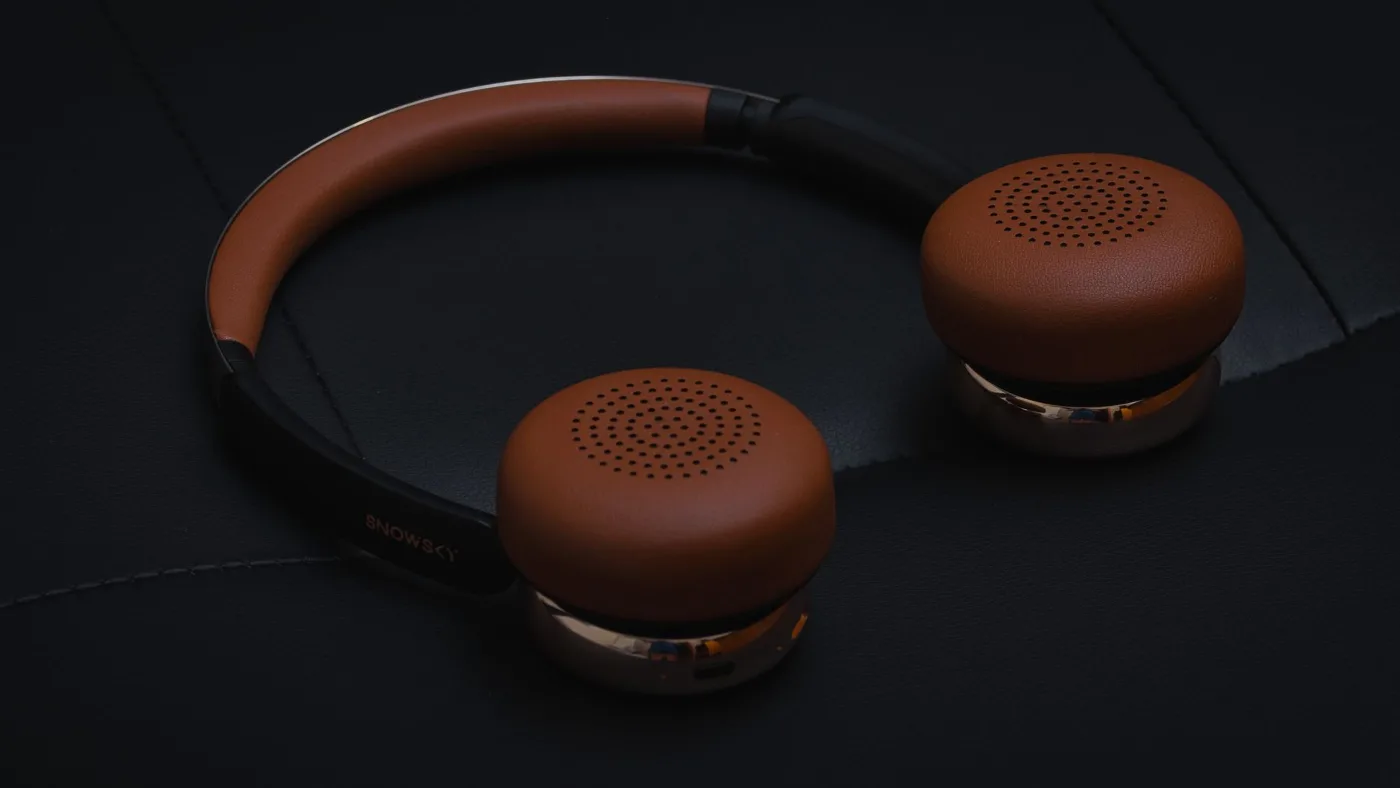
Why choose non-wireless noise cancelling headphones?
Non-wireless noise cancelling headphones are for listeners who want active noise reduction without depending on Bluetooth. They are usually a better fit for people who prefer a direct cable connection, want to avoid pairing issues, or need a reliable option for desks, travel, studio-style listening, or devices that already have a headphone jack. noise cancelling headphones for sensory overload offers more detail on this point.
The key point is simple: noise cancelling is not the same thing as wireless. You can find headphones that cancel ambient sound while still using a wired connection. That matters if you value stable audio, lower latency, broad device compatibility, or fewer charging concerns. It also matters if you are trying to reduce background noise in a plane cabin, shared office, library, or home workspace. wired headphones vs wireless headphones offers more detail on this point.
There is one practical nuance that shoppers often miss: many noise cancelling headphones still need power even if they are wired. In other words, the cable may carry the audio signal, but the noise cancelling circuitry can still require a battery or internal charge. That makes the product category a little more specific than “wired headphones with ANC.”
What to look for first
If you are comparing non-wireless noise cancelling headphones, start with the use case. The best model for a commuter is not always the best one for an office worker, and a travel-friendly pair may not be ideal for long desktop sessions. best headphones for travel offers more detail on this point.
Connection type and device compatibility
Wired noise cancelling headphones commonly connect through a 3.5mm audio plug, though some devices now use USB-C or a dedicated analog adapter. Before buying, check whether your phone, laptop, tablet, airline entertainment system, or desktop interface still supports that connection in the way you need.
This is especially important because some modern devices no longer include a headphone jack. If your setup requires an adapter, make sure it is compatible with your device and that it supports the type of audio output the headphones expect. A wired pair can be very convenient, but only if the connection path is straightforward.
How the noise cancelling is powered
Many active noise cancelling headphones rely on a built-in battery, even when they are used with a cable. That means you may still need to charge them, and some features may behave differently when the battery is low or depleted. If you want a fully passive experience with no charging at all, you will need to verify that the specific model supports audio playback without requiring power for basic use.
This detail is one of the biggest decision points in the category. Shoppers often assume “non-wireless” automatically means “no battery,” but that is not always true. A wired signal path and a powered ANC system are separate things.
Comfort for longer sessions
Because noise cancelling headphones are often worn for extended periods, comfort matters as much as sound control. Look at the headband pressure, earcup depth, pad material, and overall weight. Over-ear designs usually provide the best seal for both comfort and noise reduction, but the fit still needs to suit your head shape.
If you plan to wear them for work or study, a lighter clamp and breathable earpads may be more important than a very dense build. If you travel frequently, a snugger fit and foldable design may be preferable, even if they feel slightly firmer at first.
Noise cancelling vs. passive isolation
Some shoppers focus only on ANC and overlook the physical design of the earcups. That is a mistake. A good seal from the pads can improve isolation before ANC even starts working. In practice, the best results usually come from a combination of active cancellation and passive blocking.
If the earcups do not seal well, the headphones may struggle with speech, air conditioner hum, engine noise, or office chatter. A strong seal is one of the simplest ways to improve real-world performance, and it does not depend on any settings menu.
Practical ways these headphones fit real life
Non-wireless noise cancelling headphones are not just a niche alternative for audio hobbyists. They solve specific problems that many people encounter every day.
- Travel: useful for reducing cabin noise, rolling engines, and general movement around you.
- Office use: helpful for open-plan spaces, shared desks, and conference-heavy workdays.
- Home focus: useful for blocking household noise, appliances, and background conversations.
- Desktop listening: convenient when you want consistent audio without Bluetooth delay or battery management.
- Device simplicity: useful if you prefer a plug-in connection and do not want to manage pairing across multiple devices.
For some buyers, the appeal is not even sound quality first. It is the combination of fewer interruptions, fewer charging decisions, and a more predictable connection. That can be a genuine advantage for daily use.
Where the trade-offs show up
There are good reasons to choose this category, but the limitations are worth understanding before you buy.
Battery dependence may still exist
As mentioned earlier, a wired cable does not guarantee a battery-free experience. If the ANC circuitry needs power, you may still have to charge the headphones regularly. That is manageable for many users, but it changes the ownership experience.
Not every device supports them equally well
Some laptops, phones, audio interfaces, and airline entertainment systems handle wired headphones better than others. A pair that works perfectly with one device may need an adapter or may not deliver all features on another. Compatibility should be checked before purchase, not after.
Feature sets are often simpler
Compared with wireless models, non-wireless options may have fewer smart features, fewer app-based controls, and fewer convenience extras. If you want advanced EQ management, multipoint pairing, or hands-free voice features, a wired ANC model may feel more basic by comparison.
That is not necessarily a weakness. For many buyers, fewer features mean fewer things to troubleshoot. The question is whether you want simplicity or a feature-rich listening experience.
How to compare models without getting distracted by marketing
Shopping for headphones can become confusing quickly, especially because product descriptions often emphasize headline terms while skipping the details that matter. A more practical comparison usually comes down to a few core areas.
1. Seal and comfort
The earcups should sit securely without creating pressure that becomes tiring. A good seal improves noise reduction and can also improve bass consistency. If the pads are too shallow, glasses wearers or people with larger ears may notice comfort issues over time.
2. ANC behavior
Not all noise cancelling sounds the same. Some headphones are better at steady low-frequency noise, while others handle mixed environments more evenly. For example, airplane engines and HVAC noise are easier targets than abrupt voices or sharp sounds. That is a normal limitation of ANC, not a flaw unique to one model.
3. Wired compatibility
Check the input type, included cable length, and whether the headphones still function as expected when connected to your preferred device. If you use a desktop or dedicated audio interface, confirm whether the headphone impedance and connector type fit your setup.
4. Everyday portability
Foldability, case size, and cable management matter more than many buyers expect. If you will commute with the headphones, a bulky design can become annoying even if the sound performance is strong.
5. Control layout
Physical buttons or switches can be easier to manage than touch controls, especially when you are adjusting settings on the move. For wired ANC headphones, a straightforward control layout is often a welcome advantage.
Who should buy them, and who should probably skip them
Non-wireless noise cancelling headphones make the most sense if you want cable-based listening and active noise reduction in one package. They are especially appealing if you regularly use laptops, older audio gear, or devices with dependable analog output.
They are also a smart choice for listeners who dislike Bluetooth lag, prefer a more stable signal, or simply do not want another battery-dependent device in their routine. If your use is mostly stationary, wired ANC can be a very sensible purchase.
On the other hand, if your priority is maximum convenience across phones, tablets, and travel without adapters, a wireless ANC model may fit better. Likewise, if you need a truly power-free setup, you may want to look beyond active noise cancelling and consider well-sealing passive isolation headphones instead.
Alternatives worth considering
If non-wireless noise cancelling headphones are not the perfect match, a few alternatives may solve your problem in a more direct way.
- Passive isolation headphones: a good option if you want to block sound without battery dependence.
- Wireless ANC headphones: better if you want freedom of movement and modern phone compatibility.
- In-ear noise isolating headphones: useful for portability and travel, though fit can be more personal.
- Studio monitoring headphones: worth considering if your priority is neutral wired listening rather than ANC.
The right choice depends less on the category name and more on how you listen. A person commuting with a laptop and a headphone jack has very different needs from someone moving constantly between phone calls, gym sessions, and public transit.
Common mistakes shoppers make
A few errors come up again and again when people buy this kind of headphone.
- Assuming wired means battery-free: many ANC models still need power.
- Ignoring comfort: a strong seal helps, but only if the fit is wearable for long periods.
- Overlooking device compatibility: not every phone or laptop works the same way with a cable.
- Expecting ANC to cancel everything: it is best at steady low-frequency noise, not every sound in a room.
- Choosing based on one feature only: sound control, comfort, and compatibility all matter.
Another overlooked point is maintenance. Earpads and cables are wear items. If you want a pair to last, check whether replacement pads or replacement cables are available, and whether they are easy to source. That kind of long-term practicality matters more than many spec sheets suggest.
A simple buying approach that works
If you want a straightforward way to narrow the options, use this order of priority:
- Confirm the connection type your devices actually support.
- Decide whether you are comfortable with a battery-powered ANC system.
- Check comfort, clamp, and earcup depth.
- Look at portability and cable length for your main use case.
- Compare ANC behavior, keeping expectations realistic about what noise cancelling can and cannot do.
That sequence keeps the purchase grounded in real usage instead of marketing language. It also helps avoid the most common regret: buying a technically impressive pair that does not suit your daily routine.
The practical takeaway
Non-wireless noise cancelling headphones are best understood as a focused tool. They combine the stability of a wired connection with the noise reduction many people want for travel, work, and everyday concentration. The trade-off is that they may still need power, may offer fewer smart features, and may require more attention to compatibility than wireless alternatives.
If you value reliability, lower latency, and a simpler listening setup, they are worth serious consideration. If you want the most convenient all-around option for modern mobile use, a wireless ANC model may be the better fit. The best choice is the one that matches your devices, your routine, and your tolerance for charging and adapters.
