
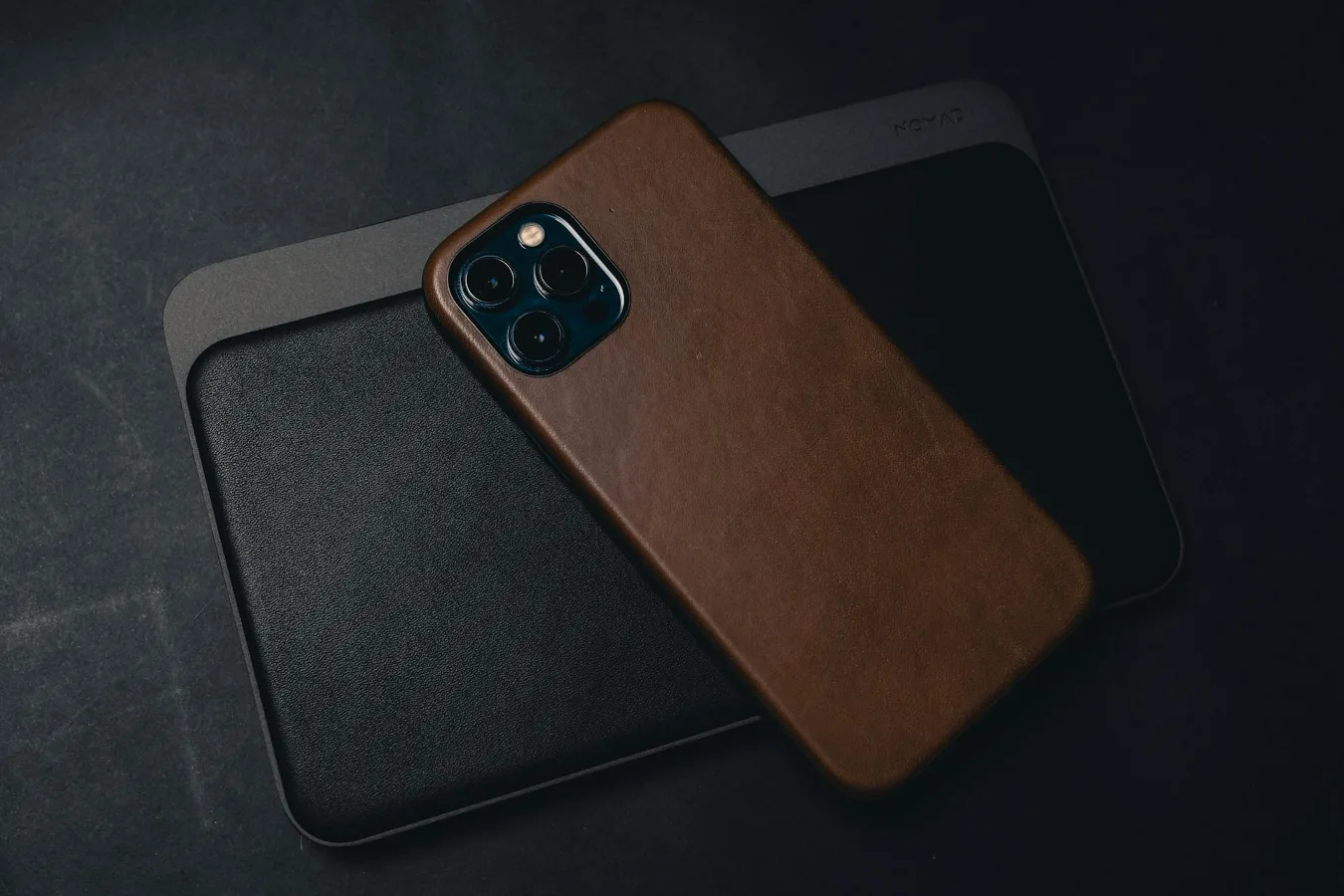
Choosing an iPhone 17 case starts with how you use the phone
The best iPhone 17 phone cases are the ones that match your daily habits, not just your style preferences. A case that feels perfect in a store can become annoying after a week if it adds too much bulk, makes the phone slippery, or interferes with charging and accessories. iphone 14 plus phone case offers more detail on this point.
For most buyers, the main decision is a trade-off between protection and convenience. If you want a case that disappears in your pocket, a slim design may be enough. If your phone often rides in a bag, gets used outdoors, or takes frequent drops, a more protective build is usually the smarter choice. The key is to identify which compromise you can live with.
Because the iPhone 17 phone case market will likely include many styles at launch, the safest approach is to compare cases by function first: protection level, grip, MagSafe support, material, and fit. Style matters too, but it should come after those basics.
The main factors that separate one case from another
Protection level
Protection is the first question, but it is not a single feature. A case can help in different ways: absorbing shock from drops, raising the screen and camera above flat surfaces, or reducing scratch damage from keys and tables. Some cases focus on everyday scuffs, while others are built for more demanding use.
A common mistake is assuming every thick case is automatically better. Extra bulk can improve impact absorption, but only if the design also includes the right edge height, corner structure, and material flexibility. A poorly designed thick case may feel sturdy without offering much practical advantage.
Grip and handling
Many people buy a case because the phone feels too slick without one. Grip matters more than it seems, especially on a larger phone. A case with a textured finish, soft-touch surface, or grippy side rails can reduce accidental slips during one-handed use.
If you tend to use your phone while walking, commuting, or multitasking, grip may matter as much as drop protection. A secure feel often makes a thinner case more usable than a heavy one that is hard to hold.
MagSafe and wireless charging compatibility
MagSafe-compatible cases are worth considering if you use magnetic chargers, stands, wallets, or car mounts. Compatibility is not just about whether the case works; it is also about whether the magnet alignment feels strong enough for your accessories and routine. how MagSafe compatibility affects case choice offers more detail on this point.
Some cases support wireless charging but offer weaker magnetic performance. That difference matters if you rely on accessory attachment. If you use a MagSafe wallet or mount regularly, check whether the case is designed to maintain a secure connection through the material thickness.
Material and finish
Case materials influence grip, appearance, durability, and cleaning. Silicone and TPU often feel softer and more forgiving in the hand. Polycarbonate can keep a case slimmer and more rigid. Hybrid designs combine materials to balance structure and shock absorption.
Clear cases remain popular for people who want to show the phone’s finish, but they may require more care because smudges, scratches, and yellowing can become noticeable over time. If low maintenance matters, a matte or opaque finish is usually easier to live with.
Bulk, pocket feel, and button access
Bulk is one of the most overlooked decision points. A case that offers excellent protection may still frustrate you if it feels too wide, makes pockets tight, or changes the feel of buttons. Button responsiveness is especially important if you use the camera or volume controls often.
Good case design should preserve access to charging ports, speakers, and side buttons without requiring extra effort. If a case seems to fight your normal habits, it usually stops feeling like a good purchase pretty quickly.
Which case style fits which type of user
There is no single best case for every iPhone 17 buyer. The better question is which category fits your routine.
- Slender, minimalist cases work well if you want lighter pocket carry and only need basic scratch protection.
- Rugged cases suit users who want more confidence around drops, commuting, travel, or outdoor use.
- Clear cases are a good fit if you want the phone’s design visible and do not mind doing a little more maintenance.
- Wallet cases can reduce what you carry, but they add thickness and are not ideal for everyone.
- MagSafe-focused cases make the most sense if you already use magnetic accessories or plan to build around them.
A subtle but important nuance: the case that looks best on launch day is not always the one that works best six months later. People who value durability and low upkeep often end up preferring a less flashy design with better materials and more forgiving surfaces.
Practical ways to narrow the options
Start with your highest priority
If protection is your top concern, focus on reinforced corners, raised bezels, and a design that covers vulnerable edges without making the phone excessively bulky. If grip is the main issue, look for texture and shape first. If you use accessories often, prioritize magnetic alignment and charging compatibility.
This helps avoid the common trap of choosing a case based on looks alone. A case can be stylish and still be the wrong fit for your habits.
Check how the case handles the camera and screen
Raised edges around the screen and camera can make a real difference in everyday wear. Even a slight lip helps reduce contact when the phone rests on desks, countertops, or car surfaces. That protection is easy to overlook because it is not obvious at a glance, yet it often matters more than decorative details.
If you use the camera frequently, also pay attention to whether the case frame leaves the lens area exposed to fingerprints, dust, or accidental bumps. Some designs strike a better balance than others.
Think about maintenance
Not every case ages the same way. Clear materials may show discoloration. Soft finishes may attract lint. Textured cases can hold onto dust in seams and corners. If you prefer a low-fuss accessory, choose a finish that matches how much upkeep you are willing to do.
For many buyers, maintenance is the hidden factor that decides whether a case stays on the phone. A case that looks great in a product photo can become frustrating if it needs constant cleaning.
Be realistic about protection claims
Marketing language can make almost any case sound extreme, but real-world usefulness is more modest. A case can reduce risk, not eliminate it. It can cushion everyday bumps, limit scratches, and make accidents less costly, but it cannot make a phone drop-proof.
That distinction matters because it keeps expectations grounded. The best purchase is the case that meaningfully improves your odds without making the phone unpleasant to use.
Common mistakes when buying an iPhone 17 case
- Choosing too much protection: A very rugged case can solve one problem while creating another, like poor pocket comfort or awkward handling.
- Ignoring accessory fit: If you use magnetic chargers, mounts, or wallets, compatibility should be checked before you buy.
- Overlooking button feel: Stiff or mushy buttons can make a case annoying even if the shell itself is well made.
- Buying for appearance only: A design that photographs well may not offer the grip or edge protection you need.
- Forgetting about cleaning and wear: Some materials look sharp at first but require more upkeep than expected.
Another practical mistake is assuming a single case can do everything well. A slim case and a rugged case solve different problems. If your routine changes often, you may actually need two options: one for everyday carry and one for travel or heavier use.
How to decide without overthinking it
A useful way to choose is to rank your priorities in order:
- How much drop protection do you actually need?
- Do you want a slim feel or a more secure grip?
- Will you use MagSafe accessories or wireless charging often?
- Do you prefer clear, matte, textured, or leather-like finishes?
- How much maintenance are you willing to accept?
If your answers point toward lightweight comfort, pick a slim or textured case with decent edge protection. If they point toward security and durability, look for a more rugged design with reinforced corners. If accessories are central to your setup, prioritize magnetic compatibility before anything else.
That decision framework is more reliable than chasing the most feature-packed product. The best iPhone 17 phone case is usually the one that fits your routine with the fewest compromises.
What to expect from different materials
Materials shape the feel of the case as much as the design does. Silicone and TPU tend to improve grip and soften impact, but they can collect lint or show wear differently over time. Hard-shell polycarbonate cases often feel cleaner and slimmer, though they may not be as forgiving in the hand. Hybrid constructions try to combine the strengths of both.
If you prefer a premium look, leather-style or fabric finishes may appeal to you, but those materials often come with care considerations of their own. They can age well or poorly depending on finish quality and how you handle the phone day to day.
The material choice should support your routine, not fight it. A case that feels slippery or fragile in your hand will rarely stay satisfying for long, no matter how good it looks online.
Alternatives worth considering
If you do not want a full case, there are partial-protection options such as screen protection, camera lens protection, or slim skins. These alternatives can keep the phone closer to its original feel, but they offer less real-world shock absorption than a true case.
A skin may suit someone who mainly wants scratch resistance and a better grip without added thickness. A rugged case may suit someone who prioritizes safety over minimalism. The best choice depends on whether you are trying to preserve the phone’s feel, improve everyday handling, or maximize protection.
For many buyers, a case remains the most balanced option because it covers several risks at once. Still, it is useful to know the alternatives so you can decide whether you really need a full cover.
The short version
If you are shopping for iPhone 17 phone cases, focus on the mix of protection, grip, MagSafe compatibility, bulk, and material rather than choosing by appearance alone. Slim cases work best for low-profile everyday use, rugged cases make more sense for tougher environments, and clear cases are for buyers who want visibility with a bit more upkeep. choosing the right iPhone case material offers more detail on this point.
The right case is the one that fits your habits, accessories, and comfort level. Once you decide what matters most, the best option becomes much easier to spot.
