
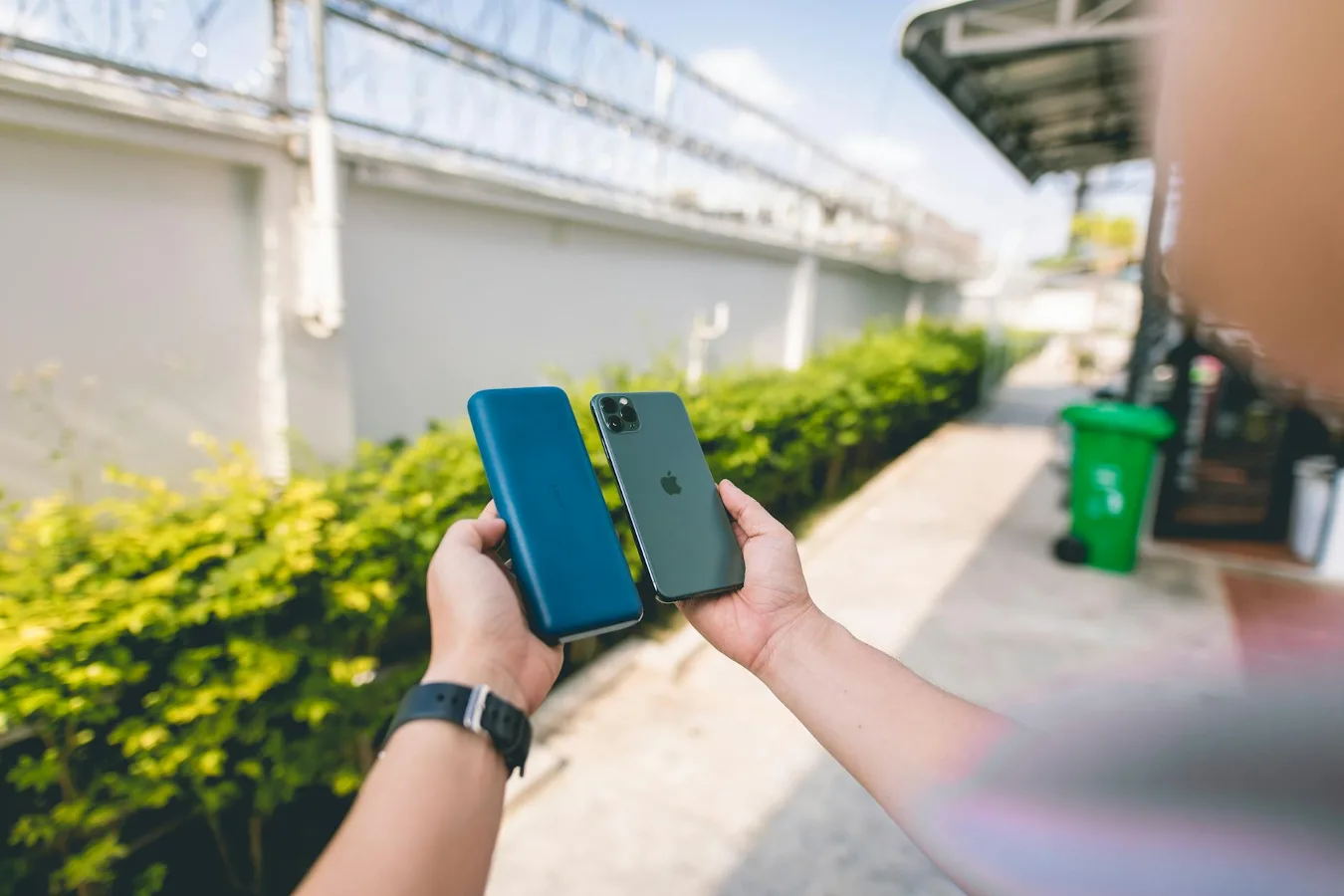
Branded power banks: what they are best for
Branded power banks are portable chargers that carry a company logo, campaign message, or event branding. They are commonly used as promotional giveaways, employee gifts, client gifts, conference swag, and practical retail-style accessories. The appeal is straightforward: they are useful, they travel well, and they keep a brand visible long after the event is over. best phone accessories for travel offers more detail on this point. Best Power Banks for Backpacking offers more detail on this point.
The best branded power banks are not simply the ones with the biggest imprint area or the lowest unit cost. A good choice balances usability, battery capacity, charging speed, portability, and the quality of the branding itself. If a power bank is hard to carry, slow to charge, or incompatible with the phones people actually use, the branding value drops quickly. Best USA OEM and ODM Power Bank Suppliers offers more detail on this point.
For buyers in the U.S. market, the most effective approach is to match the product to the audience. A conference attendee, a field sales team, and a premium client each have different expectations. That is where branded power banks either become a memorable utility item or end up forgotten in a drawer.
Start with the buyer scenario, not the product
The right power bank depends on how it will be used. That sounds obvious, but it is the step most buyers rush past. A promotional item for a trade show has a different job from a branded accessory for staff who travel every week.
Common buyer scenarios
- Events and giveaways: Lightweight, easy-to-distribute models usually work best here. The goal is broad appeal and low friction.
- Employee or team use: Practical charging performance matters more than the lowest price. People notice whether it actually fits their day.
- Client gifts: Finish, packaging, and perceived quality matter more. A more polished design can support the brand message.
- Retail or resale: You need a product that feels competitive against other phone accessories, not just something that accepts a logo.
A common misconception is that any power bank can be branded and used the same way. In practice, the audience changes everything: how much capacity is enough, whether cable types matter, and whether wireless charging is worth the premium.
The trade-offs that matter most
Branded power banks always involve trade-offs. Higher capacity often means more size and weight. Faster charging can mean a higher unit cost or a more specific device compatibility requirement. A more premium case finish may look better, but it can be more vulnerable to scuffs or fingerprints depending on the material.
To choose well, think in pairs rather than absolutes:
- Portability vs. capacity: Smaller models are easier to carry, while larger models are usually better for repeated charging or multi-day use.
- Price vs. perceived value: Lower-cost options may fit giveaways, but the branding has to survive normal use to be effective.
- Simple design vs. feature set: Extra features like wireless charging or integrated cables can help, but they also add complexity and can limit universal appeal.
- Fast charging vs. compatibility: Not every phone or cable setup benefits equally, so output should match the actual audience.
The overlooked consideration is not just what the power bank does, but what the recipient will do with it. A feature that sounds useful on paper may not matter if it adds bulk, requires a special cable, or makes the unit harder to carry in a pocket or small bag.
Material and spec factors to compare
Most branded power banks are judged on a small set of practical factors. These are the ones that typically matter most in a purchasing decision.
Battery capacity
Capacity affects how many times a device can be topped up before the power bank needs recharging. The right level depends on intended use. A compact model may suit light backup charging, while a larger unit is better for travel or heavier phone use. Avoid choosing capacity by number alone; a bulky battery is not a good fit if the audience values portability above all else.
Charging output and ports
Look at how the power bank connects to phones and other devices. USB-C is increasingly important because many newer phones and accessories use it, and some buyers prefer it for both input and output. USB-A still appears on many models, so compatibility is worth checking carefully. If the audience carries mixed devices, a model with flexible port options may be more useful than one with a single connection type.
Wireless charging
Wireless charging can add convenience, especially for desk use or travel. It is not always the best choice for promotional orders, though. Wireless models tend to be bulkier and more selective about device alignment. If the audience expects quick, straightforward charging on the move, a cable-based model may be the better fit.
Charging speed
Speed matters, but only if the rest of the setup supports it. A fast-output power bank is more appealing to users who need a quick top-up between meetings or during travel. Still, speed should be matched with the right cable and device compatibility. A product that advertises speed but is paired with the wrong accessories can disappoint users quickly.
Build quality and casing
The case material affects both appearance and durability. A smooth plastic shell may be economical and easy to print on, while a more refined finish can improve perceived value. Metal or textured finishes can look premium, but they may influence weight and branding placement. The best surface is the one that supports your logo clearly without making the product awkward to use or carry.
Branding area and imprint method
Branding is not just about size. Placement, contrast, and finish affect how legible the logo will be after the product has been handled for a while. A crowded design can weaken the product’s visual identity. Simpler artwork usually works better, especially on smaller charging accessories. If the product will be given away at scale, it is often smarter to prioritize clear, durable branding over a complex decorative layout.
Safety and reliability should not be treated as extras
Because power banks contain rechargeable batteries, buyers should think carefully about safety and reliability. That does not mean every order needs a technical deep dive, but it does mean you should avoid treating the battery as a generic commodity.
Useful questions to ask include whether the unit has overcharge protection, short-circuit protection, and temperature management features. You also want consistent quality from the supplier, especially if the order is intended for a public-facing brand campaign. A product that behaves unpredictably reflects on the brand that put its name on it.
For companies ordering in bulk, reliability matters in a quieter way too. Replacing faulty units, handling complaints, or explaining compatibility problems creates hidden costs that are easy to overlook during procurement. A slightly better product can save time and protect the brand experience later.
How to match the power bank to the audience
A good branded power bank is one people will keep and actually use. That usually means the design should reflect the habits of the intended audience.
- Commuters: Prefer compact, easy-to-store models that fit in a bag or pocket.
- Frequent travelers: Often benefit from higher capacity and multi-device flexibility.
- Office workers: May appreciate desk-friendly charging or wireless convenience.
- Students and event attendees: Often value portability and fast top-up capability over premium finishes.
- Executive gifts: Usually call for a cleaner design, stronger materials, and more polished presentation.
One practical nuance is that the audience’s device mix matters as much as their lifestyle. If many recipients use newer phones with USB-C, a power bank built around older port types may feel dated before the branding even gets noticed.
Common mistakes buyers make
Buying branded power banks can go wrong in ways that are easy to avoid once you know what to watch for.
- Choosing the cheapest item only: The lowest-cost product may save money upfront but create a weak user experience.
- Ignoring cable compatibility: A power bank is only useful if recipients can connect their devices easily.
- Overloading the design: Too much artwork can make the branding harder to read and the product feel cluttered.
- Picking capacity that is too small: A battery that feels underpowered will not be kept for long.
- Forgetting packaging: Presentation matters more for gifts and premium campaigns than many buyers expect.
- Assuming one model fits every audience: Different use cases need different feature sets.
Another common misconception is that more features always mean better value. In promotional products, complexity can work against adoption. The best item is often the one with the fewest obstacles to everyday use.
Alternatives worth considering
Branded power banks are useful, but they are not the only branded phone accessory worth considering. Depending on the campaign, one of these may be a better fit:
- Charging cables: Lower cost and highly practical, especially for broad distribution.
- Wireless charging pads: A better match for desk-based use and premium branding.
- Phone stands or mounts: Useful for office setups, video calls, or content creators.
- Wall chargers: More directly tied to daily charging, though less portable.
- Tech gift sets: Useful when you want a higher perceived value without relying on a single accessory.
If the goal is pure reach at a lower budget, another accessory may outperform a power bank. If the goal is a practical gift people will keep, branded power banks remain one of the strongest options in the phone-accessory category.
How to move from shortlist to order
Once you have narrowed the options, review the product as a real user would. Ask whether it is easy to carry, easy to understand, and likely to work with the phones your audience already owns. Then compare imprint area, finish, packaging, and any order minimums that affect the campaign plan.
A sensible next step is to request samples or detailed product sheets from your supplier so you can confirm the layout, sizing, and branding placement before placing a full order. If you are choosing between several models, rank them by audience fit first and by price second. That usually leads to a more useful final selection.
If this article is part of a broader phone-accessory planning process, it also helps to review related topics such as portable chargers, USB-C accessories, wireless charging options, and other branded mobile essentials before finalizing your lineup.
FAQ
Are branded power banks good for giveaways?
Yes, if the model is easy to carry, compatible with common phones, and simple to use. For giveaways, convenience usually matters more than advanced features.
What is the most important feature to check?
For most buyers, the most important factors are capacity, charging compatibility, and overall portability. The best balance depends on who will receive the item.
Should I choose wired or wireless charging?
Wired charging is usually more universal and straightforward. Wireless charging can be appealing for desk use or premium gifts, but it may not suit every audience.
Do all power banks work with every phone?
No. Compatibility depends on the phone’s charging port, cable type, and in some cases the device’s wireless charging support. Checking this before ordering is essential.
What makes a branded power bank feel premium?
Clean design, a durable casing, clear branding, thoughtful packaging, and practical charging performance all contribute to a more premium impression.
