
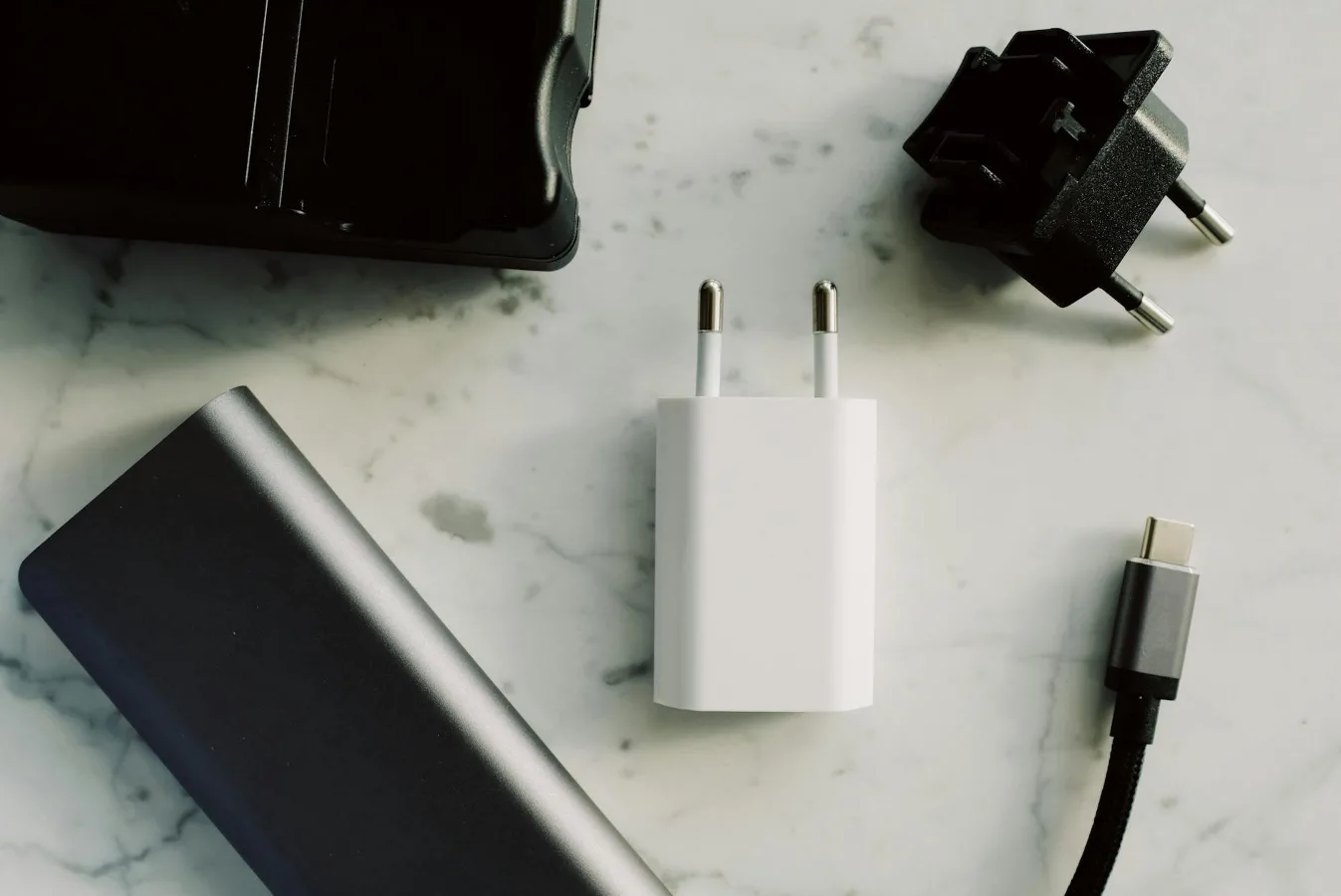
If you’re looking at a Nitecore power bank, you’re probably after the same thing many phone users want: a charger that is compact, practical, and easy to carry without feeling bulky. Nitecore is especially worth considering if portability, USB-C convenience, and everyday backup charging matter more to you than the biggest possible battery in the largest possible shell. how to choose a USB-C charger offers more detail on this point.
The real question is not just whether a Nitecore power bank is “good,” but which kind of user it fits best. Some models are better suited to commuting and light daily top-ups. Others make more sense for travel, long days away from an outlet, or charging more than one device. This guide breaks down the buying factors that actually matter so you can decide whether a Nitecore battery pack fits your phone routine. S50 Power Bank Buying Guide offers more detail on this point.
Who a Nitecore power bank is for
A Nitecore power bank tends to make sense for buyers who value portability, simple charging, and a compact form factor. That usually includes people who want a backup battery for a smartphone, not a heavy-duty power station replacement.
It is a practical choice if you usually need one of these:
- A slim charger for daily carry in a bag or jacket pocket
- Backup power for a phone during travel or long workdays
- A USB-C charging setup that feels current and easy to use
- A charger that does not add much bulk to your phone kit
- A battery pack for occasional top-offs rather than constant multi-device use
That said, compact power banks are always a trade-off. Smaller size usually means less capacity, fewer ports, or less flexibility than a larger brick-style charger. If your phone drains quickly, or you regularly charge several devices at once, a more conventional high-capacity power bank may fit better.
The main trade-off: portability versus capacity
The biggest decision point with any Nitecore power bank is the balance between size and battery capacity. The more pocket-friendly the charger, the more likely you are to give up runtime or charging headroom. That is not a flaw so much as the whole design philosophy.
For phone users, this matters because power banks are often bought with a mental picture of “full charges,” but real-world use is more nuanced. Capacity is only one part of the story. You also need to think about conversion losses, how much energy your phone actually needs, and whether you want one emergency boost or multiple partial top-ups.
A smaller battery pack can be ideal if you mostly need:
- One reliable emergency recharge
- Light daily backup while commuting
- A charger that is easy to toss into a minimalist carry setup
A larger pack may be a better fit if you want:
- Multiple phone charges away from home
- Charging for both a phone and wireless earbuds
- Fewer recharge cycles for the power bank itself
This is one of the most overlooked considerations: a power bank can look “enough” on paper and still feel limiting once you use it in a realistic day. The right choice depends less on brand alone and more on how often you leave home, how much your phone battery gets used, and whether you keep access to wall charging during the day.
Material and build factors that matter more than marketing
With a phone accessory like this, build quality should be judged by how it fits into everyday use, not by styling alone. Nitecore products are often chosen by people who care about compact gear, so the tactile and structural details matter.
Look at these practical factors:
Size and shape
A power bank that is comfortable in a bag can still be awkward in a pocket. A narrower, flatter body is usually easier to carry than a bulky block, especially if you also carry a phone, wallet, and keys.
Weight
Weight affects whether you actually bring the charger with you. A slightly smaller capacity can be worthwhile if it means the battery pack stays in your everyday rotation instead of living in a drawer.
Surface finish and grip
Slippery finishes can be annoying on a desk, in transit, or while plugging in cables. A finish that feels secure in hand is a small detail that can improve day-to-day usability.
Port layout
The placement of USB-C and other ports affects how cleanly the power bank fits into a bag or pocket while charging. Side-mounted ports can be easier in some setups; end-mounted ports may work better in others.
Don’t ignore cable routing either. A compact charger can still feel awkward if the cable bends too sharply or blocks a nearby port.
Charging specs to check before you buy
If you are comparing a Nitecore power bank with other portable chargers, the most useful specs are the ones that affect actual phone charging behavior. Avoid getting distracted by the label alone. Focus on compatibility and output style.
Here are the key spec areas that matter:
- USB-C support: Useful for modern phones and for recharging the power bank itself.
- Power delivery compatibility: Helpful if you want more efficient charging with supported phones.
- Output wattage: Should align with what your phone can accept, not just the biggest number you see.
- Capacity rating: Important, but should be interpreted as usable backup rather than a promise of a fixed number of full charges.
- Number of ports: Matters if you want to charge more than one device or share the charger.
One common misconception is that a larger capacity always means better value. That is not necessarily true for phone users. If you only need one partial recharge most days, a slimmer battery bank can be a smarter fit than a higher-capacity model that you rarely carry because it is too heavy or too large.
Another nuance: charging speed is not just about the power bank. Your phone, cable, and the charging protocol all affect the result. A fast-capable charger can still feel ordinary if the cable or device does not support the same standard.
What matters most for iPhone and Android users
Most buyers searching for a Nitecore power bank are trying to support a smartphone first. For that reason, phone compatibility deserves its own look.
For iPhone users, the most important practical issue is usually USB-C convenience and cable compatibility. If you already rely on USB-C charging accessories at home, a USB-C power bank can reduce clutter and make travel easier. Check that the charging setup matches your phone model and cable type, especially if you use newer charging accessories.
For Android users, compatibility can be broader, but the same rule applies: match the power bank’s output style to your phone’s charging expectations. Many Android phones support some form of fast charging, but not all fast charging behaves the same way.
If you switch between devices, such as a phone plus wireless earbuds or a small tablet, look for a charger that gives you enough flexibility without making the device overly large. That is where compact brands can be attractive, but only if the port mix and output fit your real routine.
When a Nitecore power bank makes the most sense
There are a few buying scenarios where a Nitecore power bank stands out as a sensible option rather than a compromise.
Daily commuting
If you leave home in the morning and return in the evening, a portable charger that takes up little space can be more useful than a large battery you rarely need. A compact power bank is especially appealing if your phone battery is just enough for the day and you want a backup cushion.
Airports, day trips, and conferences
Travel often involves waiting, maps, photos, messaging, and hotspot use, all of which can drain a phone faster than expected. A small battery pack is easier to keep with you through long lines, meetings, or transit time than a bulky charger you may leave in your luggage.
Minimalist carry setups
Some people simply don’t want a heavy charger. If you prefer a slim everyday carry setup, compactness may matter more than maximum capacity. In that case, the convenience of having a charger with you at all can outweigh the benefit of a larger but less portable model.
Where the limitations show up
Even a well-regarded compact power bank has limits. Understanding those limits helps prevent disappointment.
First, smaller capacity means more planning. You may need to top off the charger more often, which matters if you forget to recharge gear regularly.
Second, fewer ports can reduce flexibility. If you often charge a phone and another accessory at the same time, a minimal charger may force you to prioritize.
Third, compact designs are not ideal for heavy users. If your phone gets used for navigation, hotspot sharing, gaming, or long video sessions, you may need more battery than a sleek travel charger can provide.
Fourth, charging performance depends on the whole setup. A good power bank cannot overcome a worn cable, a port issue, or a device that charges differently than you expect.
Alternatives worth considering
A Nitecore power bank is not the only sensible option. The right alternative depends on how you actually charge your devices.
- Larger multi-port power bank: Better if you charge several devices or want more total backup power.
- Magnetic wireless power bank: Convenient for supported phones, though often less efficient than wired charging.
- Wall charger plus cable: Better if you usually have access to outlets and only need quick top-ups at home or work.
- Power bank with built-in cable: Useful if you want to avoid packing an extra cable, though it may be less flexible.
The key is to match the tool to the habit. A compact Nitecore battery pack can be excellent for portability, but a more feature-rich charger may be the smarter buy if your phone use is heavy or unpredictable.
Common mistakes buyers make
People shopping for a Nitecore power bank often make the same mistakes, and most of them come down to overvaluing one spec while ignoring the rest.
- Choosing capacity without thinking about carry habits: A charger is only useful if you bring it.
- Ignoring cable compatibility: The wrong cable can make the whole setup feel slower or less convenient.
- Assuming all fast charging works the same way: Phone charging standards vary, and support is not universal.
- Buying more capacity than needed: Bigger is not always better if portability matters most.
- Overlooking recharge time for the power bank itself: A charger that takes too long to refill can become inconvenient in regular use.
How to narrow down the right model
If you are comparing Nitecore power bank options, start with your real-world use case and work backward from there.
- Identify your main scenario. Is this for commuting, travel, emergency backup, or everyday carry?
- Estimate how much backup you usually need. One partial top-off is a very different need from multiple full charges.
- Check the port setup. Make sure the charging inputs and outputs fit your cables and devices.
- Consider size and weight honestly. The best charger is the one you will actually carry.
- Match the charger to your phone ecosystem. iPhone, Android, earbuds, and tablets all create different needs.
If your priorities are compactness and convenience, you can probably filter your choices quickly. If your priorities are speed, multi-device support, and maximum backup, a different class of power bank may be better.
Next steps before you buy
Before you purchase any Nitecore power bank, compare it against the way you already use your phone. That simple step prevents most buyer regret. Focus on the basics that affect daily convenience: capacity, port type, charging compatibility, size, and whether it fits your carry style. phone charging safety basics offers more detail on this point.
If you want a compact charger for a phone-first setup, Nitecore is worth a close look. If you need a heavier-duty battery for longer trips or multiple devices, use the same criteria to compare it with larger alternatives. The best choice is the one that disappears into your routine and shows up only when you need it.
