
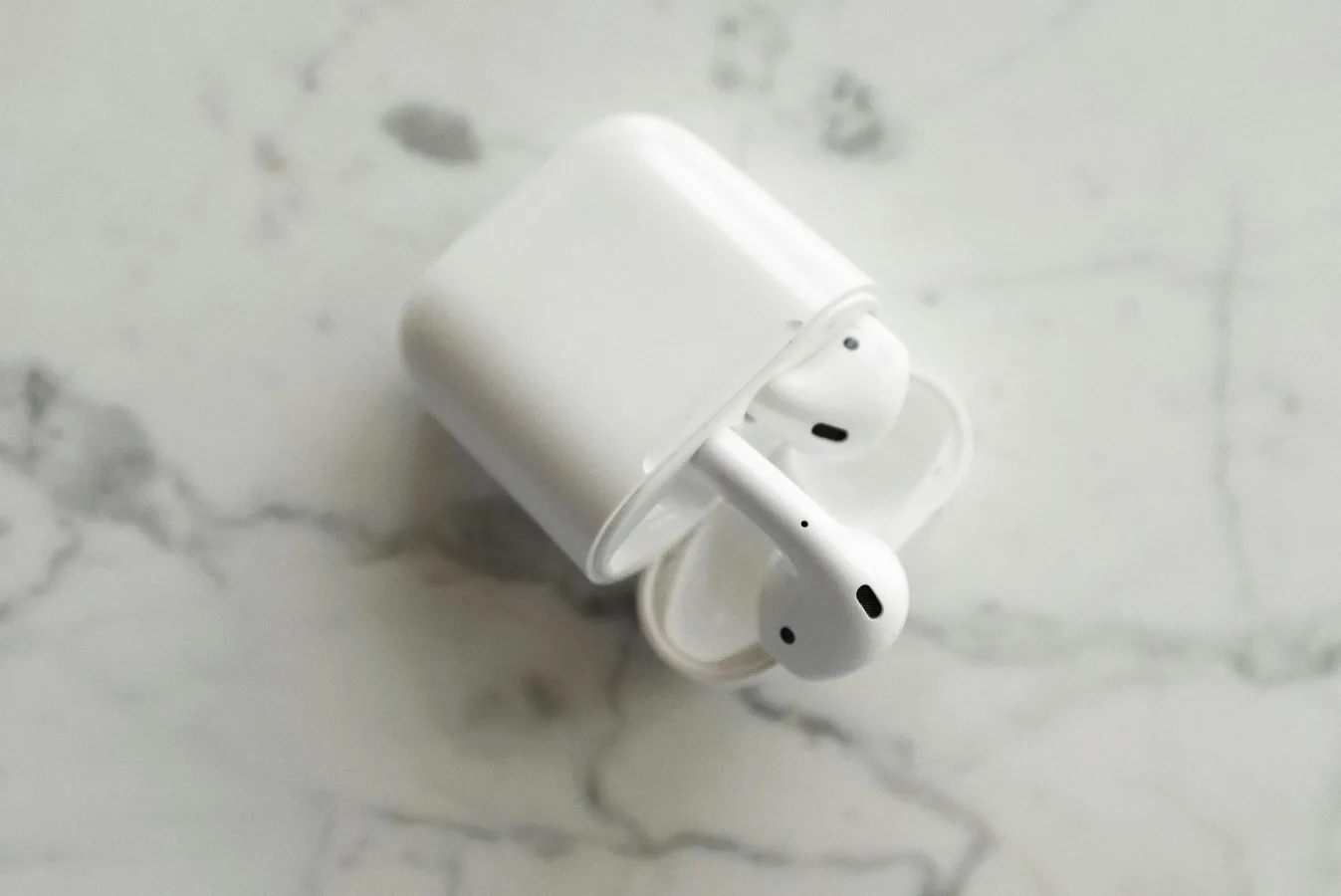
Wireless charging earbuds are true wireless earbuds that can recharge through a compatible wireless charging pad or stand, usually via the charging case. For buyers, that means less cable handling and a simpler daily routine—but only if the case, phone ecosystem, and charging setup work well together.
If you are comparing options, the best wireless charging earbuds are not automatically the ones with the highest battery claim or the most features. The smarter choice depends on case compatibility, fit, controls, call quality, and whether wireless charging is a convenience you will actually use often enough to matter.
Why wireless charging earbuds appeal to phone users
For a lot of people, the appeal is practical rather than flashy. A wireless charging case fits naturally into a desk setup, nightstand, or shared charging area. You can drop the case on a pad without hunting for a cable, and that can be especially helpful if you already charge a phone, watch, or other accessories wirelessly. wireless charging accessories for phones offers more detail on this point.
The bigger benefit is routine. If you tend to recharge accessories in the same place every day, wireless charging can make earbuds easier to keep topped up. That convenience matters most for commuters, hybrid workers, and people who use earbuds in short bursts throughout the day. honda civic hybrid touring wireless charger size 2026 offers more detail on this point.
Still, wireless charging is mainly a convenience feature. It does not automatically improve sound quality, microphone performance, or battery life. Those basics still matter more than the charging method itself.
The key factors that matter most
Charging compatibility
Not every earbud case that supports wireless charging behaves the same way. Some cases work with standard Qi charging pads, while others may charge more slowly or position better on certain stands than on flat pads. If your phone already uses wireless charging, a compatible earbud case can reduce cable clutter. If you do not already own a charging pad, the convenience may be less compelling.
One overlooked detail is case alignment. Small cases can be easy to place slightly off-center on a pad, which may interrupt charging or make it less reliable. Buyers who want a low-friction experience should consider whether the charging case is easy to position and whether the indicator lights are easy to understand.
Fit and stability
Earbud fit affects almost everything: comfort, seal, bass response, passive isolation, and whether the earbuds stay put during walking or workouts. A wireless charging case does not compensate for a poor fit. If the earbuds are uncomfortable or unstable, the charging convenience will not make them a better buy.
Look for multiple ear tip sizes, a shape that suits your ear canal, and a design that feels secure without pressure. For gym use or active commuting, a more stable fit can matter more than extra charging convenience.
Battery behavior
Battery life should be considered in two layers: the earbuds themselves and the charging case. Many buyers focus on the earbud runtime alone, but the case is what turns a small battery into a day-to-day product. A wireless charging case is helpful only if it reliably replenishes the earbuds when you need it.
Be cautious with battery marketing. Runtime depends on volume level, noise cancellation, codec use, microphone activity, and the kind of calls or music playback you do. For practical buying, look for a battery setup that matches your routine rather than chasing the biggest advertised number.
Phone and ecosystem compatibility
Wireless charging earbuds may work well with both iPhone and Android phones, but the surrounding features often differ. Auto-pairing, battery widgets, voice assistant access, codec support, and app controls can vary by platform. If your phone is part of a larger ecosystem, that can influence which earbuds feel seamless.
This is one of the most common misconceptions: buyers sometimes think wireless charging alone makes earbuds equally convenient across all phones. In reality, charging is only one piece. The companion app, Bluetooth stability, and notification behavior may matter just as much.
Controls and app support
Touch controls, button controls, and app customization all affect daily use. Some people prefer simple tap controls; others want the ability to remap gestures, adjust noise modes, or change EQ settings. If the earbuds will be used across calls, music, and podcasts, flexible controls can improve the experience more than a premium charging case does.
An app can also help with firmware updates and fit checks, but it should be treated as a usability bonus rather than a requirement. A good pair should still be straightforward without constant tweaking.
Call quality and microphones
Because many people use earbuds as a phone accessory first, mic quality deserves real attention. Wind handling, background noise reduction, and voice clarity can make a much bigger difference than wireless charging once the earbuds are in daily use. If you plan to take calls in offices, cars, or streets, prioritize microphone behavior over cosmetic features.
Durability and water resistance
For commuting, gym sessions, or occasional outdoor use, look for a design that can handle sweat and light weather exposure. Water resistance is not the same as full protection, and the charging case usually needs gentler handling than the earbuds themselves. If you expect heavy daily use, think about how easily the case will pick up wear, pocket lint, or debris around the charging port and hinge.
When wireless charging is genuinely worth it
Wireless charging makes the most sense if you already use a pad or stand every day, or if you want to keep one less cable on your desk or nightstand. It is also a good fit for people who prefer a tidy charging station and do not want to plug in earbuds separately.
It is less useful if you mostly charge on the go, travel often with a power bank, or want the fastest possible top-up from a cable. In those cases, a USB-C charging case may be the more practical choice, even if it feels less elegant.
Think of wireless charging as a comfort feature. It improves routine, not necessarily performance. If your earbud use is light and occasional, the difference may be modest. If you reach for earbuds every day, the convenience adds up.
Trade-offs to keep in mind
- Convenience vs speed: Wireless charging is easy, but cable charging is often simpler when you need a quick refill.
- Clean setup vs portability: A charging pad works well at home or at a desk, but it may not help much while traveling.
- Feature set vs price: Wireless charging often appears alongside other premium features, which can raise cost without improving fit or sound.
- Compatibility vs simplicity: More ecosystem features can be useful, but they can also create extra setup steps.
- Case size vs pocketability: Larger batteries can be attractive, but they may make the case bulkier in a pocket or small bag.
Another practical nuance: some buyers assume that a wireless charging case removes the need for a cable entirely. In reality, many people still keep a USB-C cable as a backup for travel, faster charging, or situations where a charging pad is not available.
How to compare models without getting distracted
A simple comparison method works better than chasing feature lists. Start with how you will actually use the earbuds most often, then rank the features that affect that use.
- Decide how important wireless charging is to your routine. If it is just a bonus, do not let it outweigh sound, fit, or battery reliability.
- Check the case charging method. Verify whether the case supports standard wireless charging and whether it also supports USB-C.
- Prioritize comfort and seal. Good fit improves both comfort and audio quality.
- Review call and noise features. Pick features that match your environment, not a spec sheet checklist.
- Consider portability. If the case will live in a pocket, size and shape matter more than a few extra features.
If you are shopping for a phone accessory bundle, compatibility with your phone matters as much as the earbuds themselves. A pair that integrates smoothly with your device can feel better to use than a more advanced model that constantly needs manual adjustment. best Bluetooth earbuds for phone use offers more detail on this point.
Practical solutions for common buyer needs
For commuters
Look for a secure fit, dependable controls, and a case that is easy to recharge on a desk or nightstand. Noise isolation or active noise cancellation can be more valuable than extra battery capacity if your commute is noisy.
For students and office users
Comfort, multipoint connection support, and clear microphones may matter more than flashy features. Wireless charging is useful here because earbuds often sit near a laptop, desk lamp, or phone charger for many hours at a time.
For gym and active use
Stability, sweat resistance, and easy cleaning should be the priority. Wireless charging is helpful, but only after the earbuds stay secure during movement and remain comfortable through a workout.
For travelers
Battery case capacity, pocketability, and cable backup options deserve extra attention. Wireless charging can be convenient in hotels or at home, but travel usually rewards flexibility more than elegance.
Common mistakes people make
- Choosing on charging style alone: Wireless charging is useful, but it should not outweigh fit and sound quality.
- Ignoring the case dimensions: A bulky case can be annoying to carry every day.
- Overlooking platform differences: Some features work more smoothly on one phone ecosystem than another.
- Assuming all wireless pads behave the same: Charging reliability can vary depending on placement and pad design.
- Forgetting about backup charging: A USB-C option still matters for travel and quick top-ups.
What to look for if you want the most balanced choice
The best balanced wireless charging earbuds usually combine three things: a comfortable fit, a case that supports both wireless and wired charging, and controls or app features that match your daily habits. That combination is often more useful than premium extras that you may rarely touch.
If you want a purchase that ages well, favor models with straightforward charging behavior, clear status indicators, and good ergonomics. Those are the features that tend to matter long after the novelty of wireless charging wears off.
For many shoppers, the right answer is not the most feature-packed pair. It is the pair that disappears into daily life and makes charging slightly easier without creating new frustrations.
Alternatives worth considering
If wireless charging is not a must-have, standard USB-C earbuds may be the better value. They are often simpler, faster to top up, and less dependent on a separate charging pad. That can be a smarter choice for frequent travelers or anyone who prefers fewer accessories.
Over-ear headphones are another alternative if you care more about comfort, larger drivers, or longer sessions than pocketable convenience. They are not a direct replacement for earbuds, but they may be a better fit for home, office, or long listening sessions.
If you already own a wireless charging pad for your phone, then wireless charging earbuds can fit neatly into that ecosystem. If you do not, the added convenience may be smaller than it first appears.
For phone buyers building a complete accessory setup, wireless charging earbuds make the most sense as part of a broader mobile routine: phone on the charger, earbuds on the pad, cable as backup, and a fit and sound profile that matches real daily use.
