
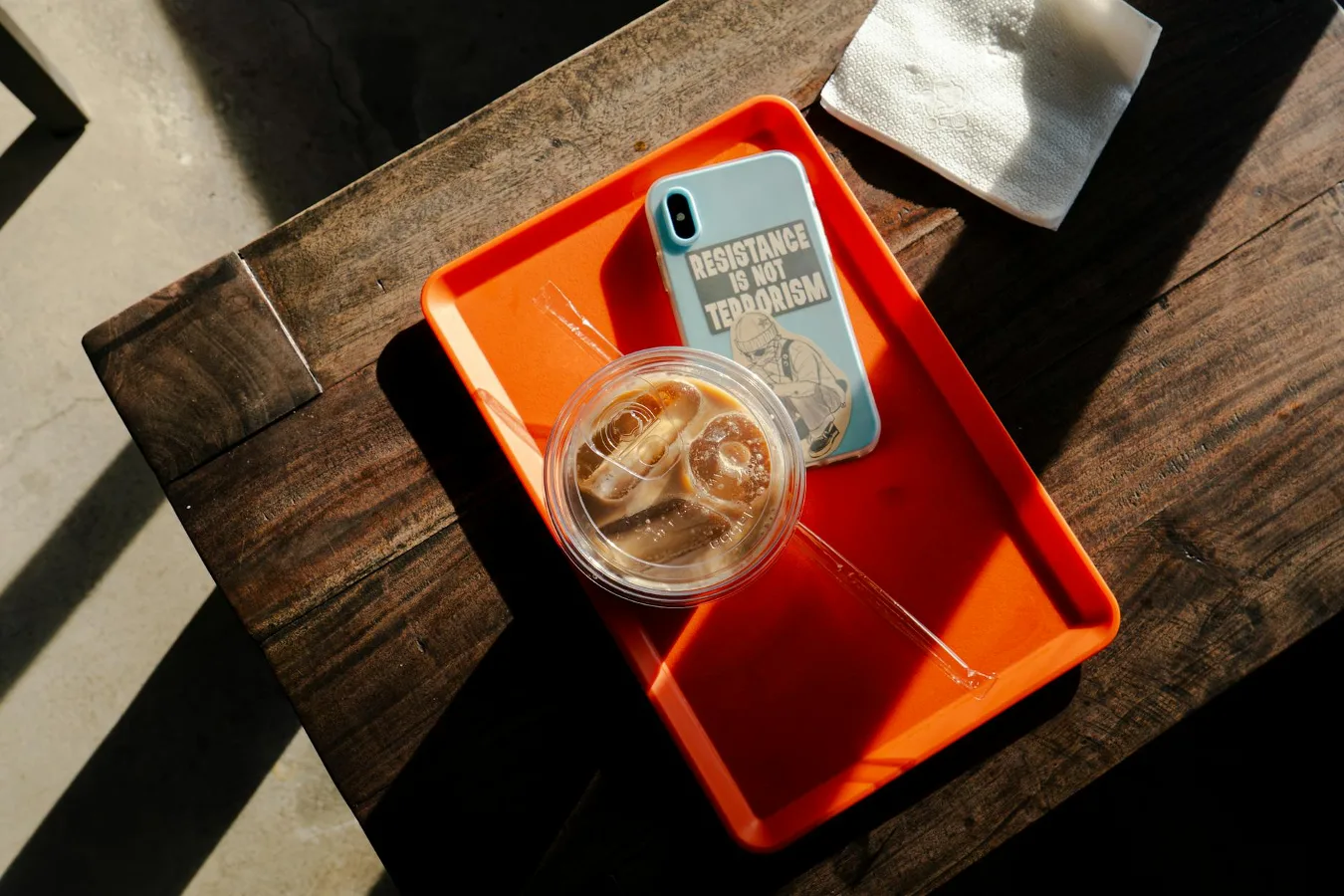
What makes a summer phone case different?
A good summer phone case is not really about a seasonal pattern or a lighter color. It is about how the case behaves in heat, humidity, sweat, sunscreen, sand, and constant outdoor handling. In practical terms, the best summer phone cases are the ones that stay grippy, feel comfortable in warm weather, are easy to clean, and still protect the phone from everyday drops and scuffs. purple phone case offers more detail on this point.
That matters because summer changes how people use their phones. Devices spend more time in hands, pockets, beach bags, cup holders, and outdoor tables. A case that feels fine in an air-conditioned office can become slippery, sticky, or annoying once the temperature rises. So the real question is not just which case looks summery, but which one matches your routine.
If you are shopping for summer phone cases, start with your environment. Beach days, festivals, commuting, road trips, and humid city weather all put different demands on a case. The best choice for one situation can be a poor fit for another.
When summer phone cases matter most
Some people can use the same case all year without a second thought. Others notice problems as soon as the weather turns warm. A summer-specific choice matters most if you often deal with any of the following:
- Sweaty hands that make smooth cases harder to hold
- Humidity that makes tacky or soft-touch finishes feel less pleasant
- Outdoor use around pools, beaches, patios, or parks
- Frequent travel where the phone gets tossed into bags and pockets often
- Long days outside where comfort and grip matter more than a fashion statement
That does not mean you need a special category of case to survive summer. It means you should pay attention to the details that matter more in warm weather than they do in cooler months.
The main criteria that actually affect summer use
For summer phone cases, a few factors matter more than flashy features. If you evaluate these carefully, you can usually narrow down the right style quickly.
Grip
Grip is often the most overlooked summer feature. Smooth glossy shells, overly polished plastics, and some very soft silicone surfaces can become frustrating when your hands are damp or slightly sweaty. A case with a textured sidewall, a matte finish, or a material that offers measured friction is usually easier to live with.
There is a trade-off, though. Very grippy cases can collect lint or feel sticky in a pocket. If you carry your phone in shorts, beach bags, or crossbody pouches, choose a finish that balances traction with easy movement.
Heat tolerance and comfort
Cases do not make a phone immune to heat, but the material and thickness can affect how the phone feels in hand. Thick, fully wrapped rugged cases can feel reassuring, yet they can also trap warmth and add bulk. Thin cases are usually more comfortable in hot weather, but they may provide less impact protection. rugged phone case options offers more detail on this point.
The right middle ground depends on use. If your phone is mostly in a bag or on a table, a slimmer case may be fine. If you are frequently walking around outside, loading equipment, or juggling kids, a bit more protection can be worth the added size.
Ease of cleaning
Summer introduces sunscreen residue, saltwater spray, sand, and dust. A case that looks great on day one can start feeling grimy quickly if the material is difficult to wipe down. Smooth TPU, hard polycarbonate, and certain matte finishes are often easier to clean than textured fabrics or deeply patterned surfaces.
Clear cases deserve special attention here. They can show fingerprints and discoloration more visibly than opaque options. If you want a transparent look, be realistic about maintenance and possible yellowing over time. That is one of the most common misconceptions: a clear case can feel like the lightest, most summery choice, but it is not always the easiest to keep looking fresh.
Compatibility with accessories
If you use wireless charging or magnetic accessories, the case should not interfere with them. MagSafe-compatible cases are especially useful for iPhone users who want a charger, wallet, or car mount to work cleanly without removing the case each time. For Android phones, the relevant issue is often simply whether the case supports wireless charging reliably and does not add unnecessary thickness.
This becomes more important in summer travel. A case that works well with charging stands, magnetic mounts, or power banks is easier to manage when you are moving between car rides, hotels, and outdoor stops.
Protection versus bulk
Many buyers assume they need the most protective case for summer because phones are exposed to more hazards. That is not always true. Protection should match risk. A rugged case is useful if your summer involves hiking, boating, construction work, kids, or frequent drops onto hard surfaces. For light city use, a slimmer case may be more practical and far more pleasant.
The real decision is whether you need impact protection, raised edges for the screen and camera, or just a shell that improves grip and prevents scratches. Summer phone cases are often about avoiding annoyance as much as avoiding damage.
Choosing the right style for your summer routine
Different case styles serve different kinds of summer use. The best option depends less on aesthetics and more on how the phone lives with you day to day.
Thin matte cases
These are a strong choice for people who want a light, easy-to-carry feel. They often provide better grip than glossy cases and stay comfortable in the hand during long outdoor use. They are a sensible middle ground for commuting, errands, and travel.
The limitation is impact protection. Thin cases are rarely the best answer for people who regularly drop phones or spend time around water, sand, or rugged terrain.
Clear cases
Clear cases appeal to buyers who want to show the phone’s finish or keep a clean, minimal look. They can work well for summer if they are made from materials that resist slipping and if you are comfortable with the maintenance they require. clear phone case buying guide offers more detail on this point.
The drawback is that clear cases can reveal wear quickly. Fingerprints, dust, and discoloration are common frustrations, especially in bright summer light. They are attractive, but not always low-maintenance.
Silicone and soft-touch cases
These often feel comfortable and secure in the hand, which is useful in warm weather. They are easy to hold and can make a phone feel less slippery when your hands are damp.
Still, not every silicone case is equal. Some collect lint too easily or feel overly tacky in pockets and bags. If you like this material, look for one that is firm enough to slide in and out of storage without friction becoming annoying.
Rugged protective cases
Rugged cases make sense for travel-heavy or outdoor-heavy summers. They are the most sensible option when your phone is likely to be dropped, bumped, or set down on rough surfaces. Extra-raised edges can also help if the phone sits face-down on picnic tables, patios, or pool chairs.
The compromise is size. These cases are usually heavier, less sleek, and sometimes less comfortable for all-day handheld use in hot weather. If you want rugged protection, choose it for a reason rather than as a default.
Cases with straps, lanyards, or loops
For festivals, sightseeing, theme parks, and travel days, a case that connects to a strap or wrist loop can be genuinely useful. It reduces the chance of drops and makes the phone easier to carry when you are juggling bags, drinks, tickets, or kids’ items.
This is one of the more practical summer considerations that is easy to overlook. A case does not need to be more protective if it is simply less likely to fall in the first place.
A practical checklist before you buy
Use the checklist below to compare summer phone cases without getting distracted by styling alone.
- Does the surface feel secure in warm, slightly sweaty hands?
- Will it clean easily after sunscreen, dust, or beach use?
- Does it work with your charger, mount, or magnetic accessories?
- Is the level of protection appropriate for your daily routine?
- Will the thickness feel comfortable in pockets, bags, or hand carry?
- Are the camera and screen edges raised enough for your habits?
- Does the material match how much upkeep you are willing to do?
- If it is clear, are you comfortable with possible visible wear?
If a case fails two or three of these points, it is probably not the right summer option, even if it looks good in photos.
Common mistakes people make with summer cases
One common mistake is choosing a case only by color. Bright, pastel, or transparent finishes can feel seasonal, but they do not automatically improve usability. In hot weather, function usually matters more than appearance.
Another mistake is buying the slimmest case available without thinking about the rest of the season. If your summer includes crowded transit, outdoor events, or frequent travel, ultra-thin protection may be too fragile for the amount of use it gets.
A third issue is ignoring cleaning. Cases that pick up sunscreen, pocket lint, sand, or dust can look worn quickly. If you hate maintenance, select a material that can be wiped down easily instead of one that relies on staying pristine.
People also underestimate how much their grip changes in humid weather. A case that feels secure in dry air may not feel secure at all once hands are warm and slightly damp. That small comfort issue often becomes the deciding factor in real life.
Examples of matching the case to the situation
These examples can help turn the buying decision into something more concrete.
- For beach weekends: choose a case with easy-clean surfaces, solid grip, and enough protection to handle sand and occasional drops.
- For city commuting: a slim matte case often makes sense because it balances comfort, portability, and everyday protection.
- For festivals and travel: consider a case with a lanyard or strap option so you can carry the phone more securely.
- For outdoor work or active use: rugged protection and raised edges are usually more valuable than a thin profile.
- For style-focused users: a clear or colored case can work well, as long as you accept the maintenance and possible wear.
These are not rules. They are useful shortcuts. The right case is the one that reduces friction in your actual routine.
What summer phone cases should not try to do
It helps to be realistic. A case cannot solve every seasonal issue. It will not make a phone waterproof, it will not stop heat from affecting battery behavior, and it will not keep sand away from every port or opening. A case is part of a larger habits-and-protection strategy, not the whole solution.
That is why the best summer phone cases are usually the ones that support good habits: easier handling, easier cleaning, and enough protection for the way you actually live. If the case encourages you to carry the phone more carefully and comfortably, it is doing its job.
Quick buying guidance
If you want the simplest way to choose, use this rule of thumb:
- Pick slim and grippy if you want comfort and portability.
- Pick clear only if you are comfortable maintaining it.
- Pick rugged if drops and outdoor use are a real concern.
- Pick strap-compatible if you expect crowded events or travel days.
- Pick easy-clean materials if sunscreen, sand, or dust are part of your summer routine.
That approach usually leads to a better fit than shopping by look alone. A summer case should feel like a practical upgrade, not just a seasonal accessory.
Final takeaway
The best summer phone cases combine grip, comfort, easy maintenance, and the right amount of protection for your routine. For some people that means a slim matte shell. For others it means a rugged model, a clear case with realistic upkeep, or a strap-friendly option for travel.
If you choose based on how the case will behave in heat, sweat, and daily outdoor use, you will end up with something that works long after summer ends.
