
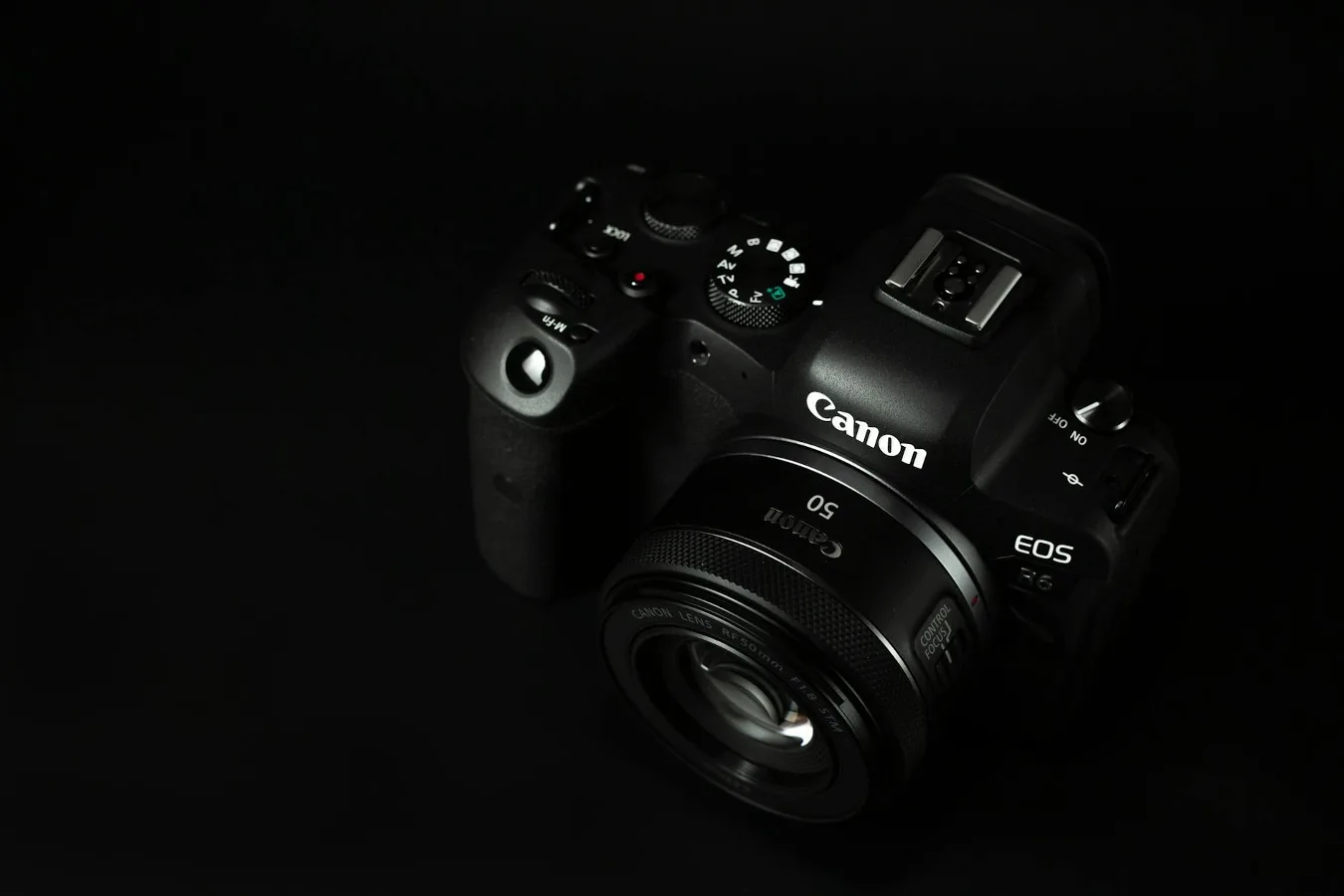
What the Canon M5 is, and who it makes sense for
The Canon M5 mirrorless camera is best understood as a compact APS-C mirrorless body that was built for photographers who wanted a smaller alternative to a DSLR without giving up familiar Canon handling. For the right buyer, that combination is still appealing: a comfortable grip, an electronic viewfinder, a tilting rear screen, and access to Canon EF-M lenses. Canon mirrorless camera buying guide offers more detail on this point. micro four thirds mirrorless camera offers more detail on this point. Best Nikon Mirrorless Camera: Buyer’s Guide offers more detail on this point.
If you are searching for the Canon M5 now, you are usually doing one of three things: comparing it on the used market, trying to decide whether it still holds up for everyday photography, or weighing it against newer mirrorless options. That makes this less of a simple product summary and more of a practical buying decision.
The short version: the Canon M5 can still be a sensible choice if you value compact size, Canon color rendering, and straightforward controls. It is less compelling if you want the broadest native lens roadmap, the most advanced autofocus tracking, or a system with strong long-term upgrade potential.
That trade-off is the real story. The body itself is only one part of the equation; lens access, system support, and how you plan to shoot matter just as much.
The buying scenario: when the Canon M5 fits well
The Canon M5 tends to suit photographers who want a small camera for everyday use, family photos, travel, street shooting, or casual content creation. It also makes sense for someone already comfortable with Canon menus and color but looking for a lighter body than a DSLR.
It is especially practical for buyers who do not need a huge lens ecosystem. If you plan to use a compact zoom, a small prime, or one of Canon’s EF-M lenses that already matches your shooting style, the M5 can be an efficient, easy-to-carry setup.
Another realistic use case is the used-camera shopper who wants a capable stills-focused body at a lower entry cost than many current mirrorless cameras. For that kind of buyer, the question is not whether the M5 is the newest option; it is whether the body, lens choice, and condition align with the actual job.
Where it is less compelling is for buyers building a system from scratch and expecting long-term expansion. A camera body can look like a good deal, but the system behind it is what determines whether you can keep growing with it.
What matters most: body, lens system, and handling
For the Canon M5, the most important evaluation factors are not just image specs. The more useful questions are: how does it handle in hand, how easy is it to focus and shoot, and how comfortable is the lens situation for your needs?
Handling and ergonomics
One of the M5’s strengths is that it feels more like a serious camera than many small mirrorless bodies. That matters if you prefer physical controls, a grip that helps stabilize the camera, and direct access to core settings. For some photographers, that is a bigger advantage than a minor difference in size.
A common mistake is assuming the smallest camera is always the best travel camera. In practice, a body that is too small can be awkward with larger hands or with heavier lenses. The M5’s balance is a meaningful part of its appeal.
Viewfinder and screen use
The electronic viewfinder is one of the features that helps the M5 stay practical for still photography. Some shooters rely on an EVF for composition in bright light, more stable framing, or a more camera-like experience. The tilting rear screen is useful for low-angle work, casual portraits, and everyday framing.
The overlooked nuance here is that screen and viewfinder preferences can change how a camera feels in use more than spec sheets suggest. A camera that is technically capable can still be frustrating if the viewing method does not match your shooting habits.
Lens compatibility
Lens availability is a defining factor for any mirrorless system. The Canon M5 uses the EF-M mount, which means the native lens selection is narrower than what you get with larger, more current ecosystems. That does not automatically make the camera a poor choice, but it does limit flexibility.
If you mainly need a standard zoom, a lightweight prime, or a compact telephoto for occasional use, the lens lineup may be enough. If you want to build a system around specialty glass, many third-party options, or a clear path into a bigger mirrorless ecosystem, you should think carefully before committing.
Some buyers overlook adapter use as a workaround. EF and EF-S lenses can be adapted, which can open up more choices, especially for someone who already owns Canon DSLR lenses. The trade-off is that the overall setup may become larger and less balanced than the compact mirrorless package people usually want in the first place.
Material and spec factors that affect real-world use
For a camera like the Canon M5, the practical spec questions are the ones that affect day-to-day shooting rather than marketing points. Sensor size, autofocus behavior, card support, battery strategy, and file workflow all matter more than a headline feature list once you start using the camera regularly.
Sensor and image quality expectations
The M5’s APS-C sensor gives it a meaningful size advantage over small-sensor compact cameras and many phones. That usually matters most for depth of field control, low-light flexibility, and general image quality potential. But sensor size alone does not guarantee better photos; lens choice and exposure technique still matter.
If you are comparing it with newer cameras, avoid focusing only on resolution. For many real-world uses, color handling, dynamic range, noise performance, and how easily you can get a clean shot in the situation you care about are more important than a single number.
Autofocus and subject type
Autofocus is where expectations need to stay grounded. The Canon M5 can be perfectly adequate for general photography, portraits, travel, and casual motion, but buyers who prioritize fast action, difficult tracking, or highly demanding continuous autofocus should compare carefully with newer bodies.
A practical misconception is that any mirrorless camera automatically performs better than an older DSLR or a simpler compact setup. That is not always true. The type of subject matters, and so does how the camera’s focusing system behaves in the conditions you actually shoot.
Battery and storage habits
Smaller mirrorless cameras often encourage a different shooting routine than DSLRs: more EVF use, more screen use, and more attention to battery management. If you plan long outings, travel days, or event coverage, spare batteries and memory card planning are part of the ownership experience.
That may sound basic, but it is one of the most common real-world constraints buyers forget. A camera that fits comfortably in a bag can still feel limiting if you have not planned for power and storage.
Trade-offs you should weigh before buying
The Canon M5 is attractive precisely because it is not trying to be everything. That focus creates a clean, easy-to-use body, but it also means the trade-offs are real.
- Compactness versus ecosystem depth: the body is small, but the native lens ecosystem is not as broad as more established current mirrorless mounts.
- Familiar handling versus newer tech: it offers a user-friendly Canon experience, but newer models may deliver better autofocus or system longevity.
- Good stills tool versus hybrid priority: it can work for mixed use, but buyers who put video first should compare features carefully.
- Used-market value versus future-proofing: a lower purchase price can be appealing, but long-term system support matters if you plan to expand later.
This is where many shoppers make the wrong call. They compare bodies in isolation and ignore the cost and availability of the lenses they will actually need. A camera body is only the starting point.
Common mistakes when evaluating the Canon M5
One frequent mistake is treating the M5 as if it were a modern all-purpose mirrorless platform. It is better understood as a compact Canon APS-C body with specific strengths and constraints.
Another mistake is assuming that an adapter solves every system concern. Adapters can help with compatibility, but they do not change the size, balance, or convenience of the overall setup. If compactness is the reason you want mirrorless, that matters.
Buyers also sometimes focus too much on the camera body and not enough on the lens they plan to pair with it. With any interchangeable-lens camera, the lens often determines more of the final result than the body does, especially for portraits, indoor shooting, and low light.
Finally, some shoppers compare a used Canon M5 to brand-new cameras without adjusting expectations. A fair comparison should include condition, included accessories, lens availability, and whether the system still matches your long-term needs.
Good alternatives depending on your goal
If the Canon M5 seems close but not quite right, the best alternative depends on what you value most.
- If you want newer autofocus and a more current ecosystem: look at Canon’s newer mirrorless bodies in the RF lineup.
- If you want the smallest possible setup: a compact fixed-lens camera or a smaller mirrorless body may be easier to carry every day.
- If you already own Canon DSLR lenses: an adapted mirrorless route may make more sense than starting with a narrow native lens mount.
- If you want more lens variety from the start: compare systems with broader native lens support and stronger third-party options.
The right alternative depends on whether your priority is portability, autofocus performance, lens choice, or total system value. There is no single best answer for every buyer.
What to check before you buy
If you are considering a Canon M5 today, make the decision based on the whole package, not just the body listing.
- Confirm the lens plan. Know which lens or lenses you would actually use first.
- Check the condition carefully. On the used market, look for signs of wear, sensor issues, button function, screen condition, and battery health.
- Think about mount strategy. Decide whether native EF-M lenses are enough or whether you will rely on adapted Canon glass.
- Match the camera to your shooting style. Portraits, travel, family photos, and general stills are different from sports or demanding action work.
- Compare system growth options. If you expect to add lenses over time, make sure the ecosystem still makes sense for that plan.
This is also a good moment to think about accessories. A spare battery, a comfortable strap, and the right memory card can improve usability more than many shoppers expect.
How to decide whether the Canon M5 is still worth it
The Canon M5 mirrorless camera is worth considering if you want a compact Canon APS-C body, prefer an EVF-equipped camera with familiar handling, and are comfortable working within a limited but usable lens ecosystem. It is less compelling if you want the broadest future upgrade path or the strongest autofocus technology available today.
For used buyers, the M5 can still make sense as a practical photography tool, especially if the price reflects its age and the seller can show a clean condition. For first-time buyers building a long-term system, lens availability and future support should weigh heavily in the decision.
The most balanced way to judge it is simple: if the camera fits your subjects, your lens plan, and your tolerance for system limitations, it can still be a smart purchase. If you are buying it mainly because it is small and familiar, compare it carefully with newer alternatives before you commit.
