
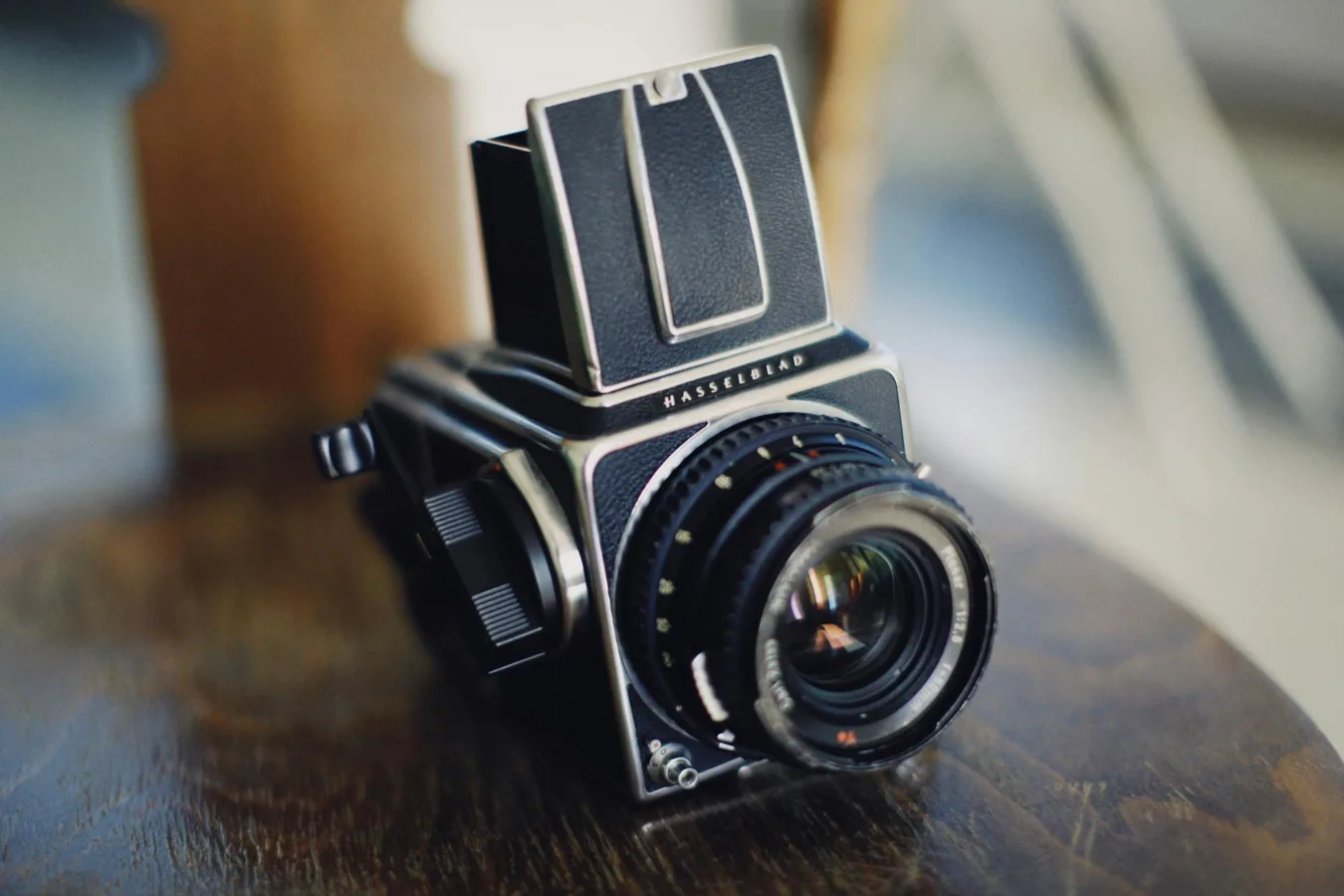
A medium format mirrorless camera is usually the right choice for photographers who want the benefits of a larger sensor in a modern, interchangeable-lens body. The appeal is straightforward: more space for detail, a different rendering style in many situations, and a system built for demanding stills work. The catch is that these cameras are rarely the most practical option for everyone. They tend to cost more, lenses can be a major part of the investment, and the shooting experience is often less forgiving than a full-frame mirrorless setup. medium format mirrorless digital camera offers more detail on this point.
If you are trying to decide whether a medium format mirrorless camera belongs in your kit, the real question is not just image quality. It is whether the entire system fits your subjects, your workflow, your carrying needs, and your budget. That is where many buyers make the wrong call: they focus on sensor size alone and underestimate the importance of lenses, autofocus behavior, handling, and file management.
Why buyers consider medium format mirrorless in the first place
Medium format mirrorless cameras are most appealing to photographers who need image quality that can hold up in large prints, detailed commercial work, controlled portrait sessions, product photography, editorial use, or landscape capture where subtle tonal transitions matter. The larger sensor format can influence depth of field, tonal separation, and the overall feel of a file, though the final result always depends on lighting, lens quality, and technique.
Compared with smaller-sensor mirrorless cameras, these systems often prioritize still-image excellence over speed, video flexibility, or extreme portability. That makes them attractive to buyers who value deliberate shooting and can work within the limits of a more specialized tool.
The key factors that matter before you buy
Sensor size and image quality expectations
Sensor size is the headline feature, but it should be understood in practical terms. A larger sensor can offer more room for detail and may give you a different look in portraits and shallow-depth-of-field work. It can also create larger files, which affects storage, editing speed, and backup habits. If your workflow is already strained by heavy RAW files, a medium format camera may increase that pressure.
Do not assume the largest sensor automatically means the best camera for every job. The overall imaging pipeline matters: lens design, color handling, dynamic range behavior, and how comfortably you can expose and process files are just as important as the sensor itself.
Lenses are part of the decision, not an afterthought
Lens availability is one of the most overlooked considerations in this category. A medium format mirrorless body may look manageable on paper, but the system only makes sense if the lenses you need are available, affordable enough for your budget, and suited to the kind of work you do.
Think through focal lengths before you buy. A portrait photographer may prioritize standard and short telephoto options. A landscape shooter may care more about wide-angle choices and filter compatibility. A commercial photographer may need close-focusing behavior and lens consistency across a set. If the system lacks the focal lengths you rely on, the body alone does not solve the problem.
Autofocus and shooting pace
Autofocus has improved across many mirrorless systems, but medium format cameras are often still chosen for controlled, deliberate shooting rather than fast-action work. If your subjects move unpredictably, or if you need a camera that keeps up with events, sports, children, or wildlife, a medium format body may be the wrong tool.
For portraits, products, architecture, and landscape work, the autofocus ceiling may matter less than consistency, accuracy, and how confidently the camera locks focus in your typical shooting conditions. The point is not to chase the fastest spec; it is to match the focusing behavior to the actual pace of your assignments.
Portability and handling
Mirrorless design can reduce bulk compared with older medium format systems, but these cameras are still often larger, heavier, and more deliberate to use than compact full-frame bodies. Once you add lenses, batteries, and storage, the kit may become something you plan around rather than carry casually.
That matters more than many buyers expect. If you work on location, hike for landscapes, or shoot long events where you stay on your feet for hours, ergonomics and weight can outweigh the appeal of a larger sensor. A camera that feels too large or front-heavy is more than an inconvenience; it can change how often you take it with you.
Workflow, storage, and editing demands
Medium format files can be demanding. Larger images take more space on cards and drives, and they can slow editing on an underpowered computer. If your current workflow is already near its limit, the cost of entry is not just the camera body. It may also include faster storage, more backups, and a computer that can handle bigger files comfortably.
This is an easy detail to miss because it does not show up in the product page. Yet it affects long-term satisfaction just as much as body design does. A camera system should fit the entire production chain from capture to delivery. how to choose a camera system offers more detail on this point.
Budget and long-term value
A medium format mirrorless camera is usually a system purchase, not a one-off item. The body price is only part of the equation. Lenses, batteries, memory cards, accessories, and the possibility of upgrading storage or editing hardware all add to the real cost.
That does not mean the category is poor value. It means value has to be judged against your output. If you regularly produce work where the image quality is visible to clients, editors, or print buyers, the investment may be easier to justify. If you mainly share images on social media or deliver web-sized files, you may not benefit enough from the added expense.
Practical ways to narrow the field
Choose by subject, not by prestige
The most useful way to shop for a medium format mirrorless camera is to start with your subjects and shooting conditions. Portrait photographers usually need flattering rendering, dependable skin tone handling, and lenses that suit typical working distances. Landscape photographers may prioritize dynamic range, weather resistance, and wide-angle options. Product and commercial shooters often need tethering support, resolution, and precise manual control.
If your work spans multiple areas, identify the one that matters most often. A system that is excellent for one genre but awkward for another may still be the right buy if it solves your primary use case.
Prioritize system fit over body specs alone
It is easy to compare cameras by resolution, frame rate, or screen size, but that can lead to a narrow decision. A camera body is only as useful as the supporting system around it. Consider lens roadmap, adapter support if relevant, battery life in real shooting conditions, viewfinder behavior, and how the controls feel when you are working quickly.
One common misconception is that mirrorless automatically means compact and lightweight. With medium format, that assumption often breaks down. The body may be modern, but the overall setup can still be substantial once the lens is mounted.
Think about location work versus controlled environments
Some medium format mirrorless cameras are best suited to controlled environments where lighting, pace, and subject movement are manageable. That includes studio portraiture, tabletop work, architecture, and carefully planned landscape sessions. If your work involves fast transitions, rough weather, travel constraints, or frequent handheld shooting, you need to be more selective. best low light mirrorless camera offers more detail on this point.
Controlled environments make the strengths of the format easier to enjoy. Uncontrolled environments can expose limitations in speed, buffer behavior, autofocus responsiveness, and battery endurance. The better the camera matches your environment, the less likely you are to feel like you are fighting it.
Where medium format mirrorless shines
- Portraiture: Often favored for deliberate, high-quality image rendering and detailed files.
- Landscape work: Useful when detail, tonal depth, and print potential matter most.
- Commercial photography: Helpful for product, fashion, and editorial work where file quality is closely evaluated.
- Studio photography: Strong fit for tethered workflows, controlled lighting, and slower pacing.
- Archival or fine-art output: Relevant when the final image may be delivered at large size or heavily scrutinized.
Where another camera may be the better choice
There are plenty of situations where medium format is more camera than you need. If you shoot weddings, action, documentary work, events, travel, or any situation where speed and adaptability matter more than file character, full-frame or APS-C mirrorless systems may serve you better. They are generally easier to carry, often faster to use, and usually offer a broader mix of lenses and accessories for the price.
Even for image-quality-focused photographers, a high-end full-frame camera can be the smarter purchase if budget limits would otherwise force compromises on lenses or workflow. A well-rounded system with excellent glass often delivers more practical value than a larger sensor paired with the wrong supporting gear.
Common mistakes buyers make
- Buying the body before checking lenses: The lens lineup can determine whether the system actually works for your subjects.
- Ignoring file workflow: Larger files can slow editing and increase storage demands.
- Overestimating portability: A mirrorless body does not guarantee an easy-to-carry medium format kit.
- Choosing for resolution alone: Real-world usability matters more than a spec sheet.
- Assuming it suits every genre: Some medium format systems are excellent for stills but less ideal for fast-paced or mixed-use shooting.
A simple decision framework
If you are still undecided, use this order of questions:
- Do my main subjects genuinely benefit from the larger sensor and high-resolution files?
- Does the lens system cover the focal lengths and shooting style I need?
- Can I handle the files comfortably in my current editing workflow?
- Am I willing to trade some portability and speed for image quality and system character?
- Would a well-chosen full-frame system solve most of the same problems with fewer compromises?
If the answer is yes to the first four and no to the last one, medium format mirrorless may be a strong fit. If several answers are uncertain, the safer move is often to explore smaller-sensor alternatives first.
Useful alternatives to compare against
Before committing, compare medium format mirrorless cameras with high-resolution full-frame mirrorless bodies, especially if you want more flexibility, a larger lens ecosystem, or a lighter kit. Also consider whether a specialized setup, such as a high-resolution body with premium primes, might deliver the quality you need at a lower total cost.
For some photographers, the best value is not the largest sensor. It is the system that makes the fewest compromises across image quality, handling, and day-to-day practicality.
How to buy with confidence
Start by listing your most common assignments and the lenses you would actually use. Then look beyond body marketing and compare the entire system: controls, viewfinder, lens roadmap, weight, file sizes, and how the camera fits into your normal workflow. If possible, evaluate ergonomics carefully, because handling often decides whether a camera feels inspiring or cumbersome after a long day.
A medium format mirrorless camera makes the most sense for buyers who know why they need it. If your work rewards deliberate shooting, careful composition, and high-quality files, the format can be a strong long-term choice. If your needs are broader and more unpredictable, the better move may be a more flexible mirrorless system with fewer compromises.
