
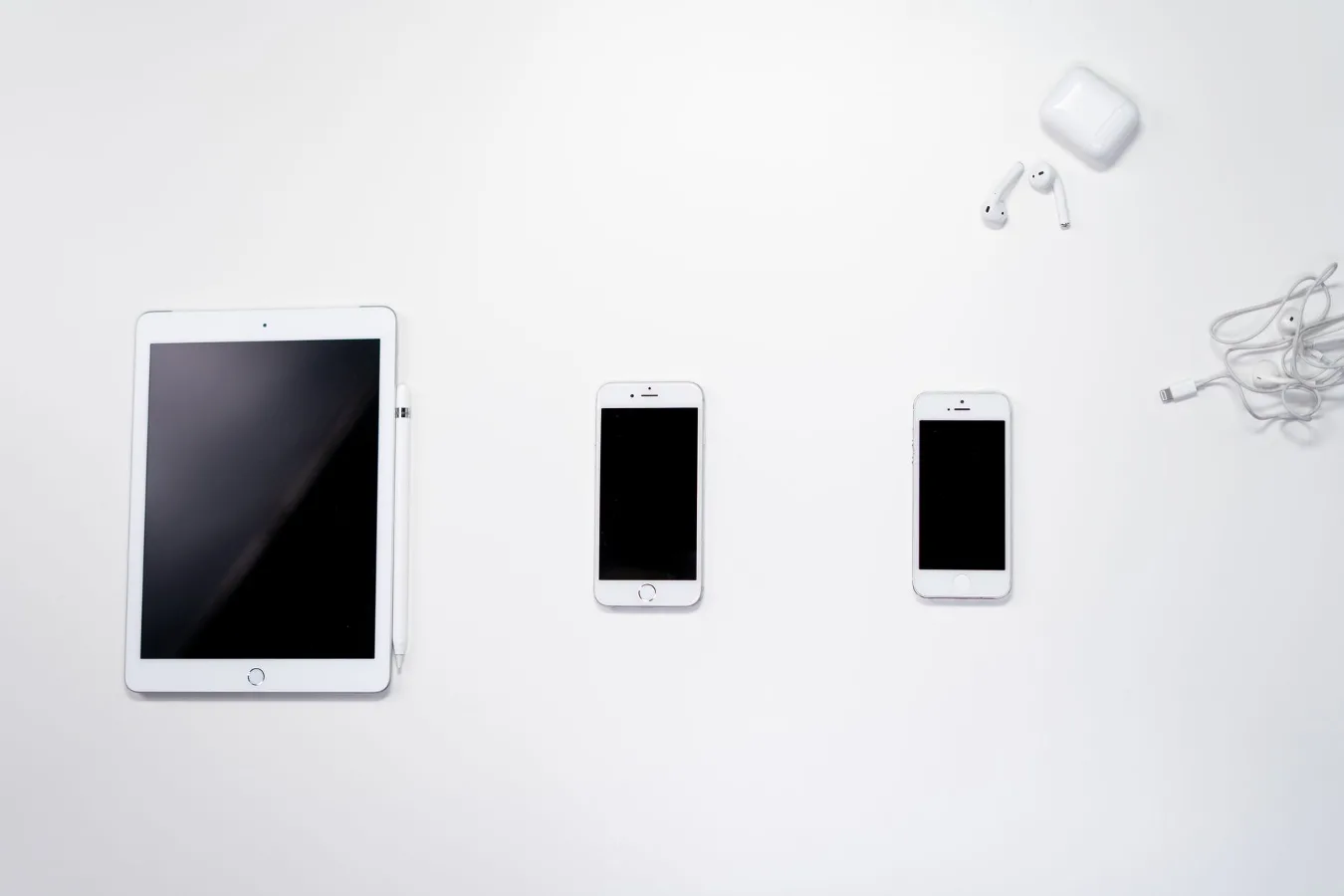
Quick answer: what accessories make the most sense for an iPhone 6?
The most useful iPhone 6 accessories are the ones that solve everyday problems on an older phone: a protective case, a screen protector, a dependable Lightning cable, and a charger that matches your routine. If the phone is still in regular use, a battery case or portable power bank can also be more practical than chasing replacement parts alone.
Because the iPhone 6 is an older model, compatibility matters more than trendy add-ons. Many buyers are looking for basic protection, better charging, or a way to extend the phone’s usable life without spending much. That makes it smart to focus on accessories that are simple, durable, and easy to replace. charging accessories for older iPhones offers more detail on this point.
Best accessory types to prioritize first
If you are only buying a few items, start with the accessories that protect the phone and improve daily reliability. For most people, that means protection, charging, and power management.
1. A case that fits your use case
An iPhone 6 case should do more than look good. The right case depends on how the phone is used: choose the right iPhone case offers more detail on this point.
- Slim cases work well if you want light protection without adding much bulk.
- Rugged cases make more sense if the phone gets dropped often or is used on the go.
- Wallet cases can reduce the number of things you carry, but they are usually thicker.
- Battery cases help if battery life is already limited and charging access is inconsistent.
For an older phone, a case is often less about style and more about preserving function. The main trade-off is simple: more protection usually means more size and weight.
2. A screen protector for scratch control
A screen protector is one of the cheapest ways to reduce daily wear. Tempered glass options usually feel more natural than thin plastic films, but the best choice depends on whether you care most about clarity, touch feel, or low cost.
One overlooked detail is fit around the edges. Older phones like the iPhone 6 can have accessory designs that vary by case style, so a protector that looks universal may still lift at the corners if paired with a bulky case. If you plan to use both, choose products designed to work together.
3. A dependable Lightning cable
Charging cables are the accessory most likely to cause frustration when they wear out or become flaky. For the iPhone 6, look for a cable that is clearly compatible with Lightning devices and long enough for where you actually charge the phone.
Length matters more than many people expect. A short cable can be fine for a desk, but annoying near a bed, couch, or car mount. A longer cable is more flexible, though it may be less tidy for travel or storage.
4. A charger that fits your routine
For wall charging, a basic USB power adapter is usually enough if it is paired with a good cable. For people who move between rooms, workspaces, and cars, a second charger can be more useful than a fancy accessory you rarely use.
When comparing chargers, think about where the phone spends most of its time. A bedside setup, a travel kit, and a car charging setup solve different problems. Buying one accessory that does everything often sounds convenient, but separate accessories can be easier to manage and replace.
5. Portable power when battery life is limited
If the iPhone 6 battery no longer lasts through the day, a power bank or battery case may be more practical than relying on the phone alone. This is especially useful for travel, commuting, or long workdays away from outlets.
A common misconception is that a battery case is always better than a power bank. In reality, the better option depends on how often you need extra power. A power bank can charge more than one device and does not add weight to the phone all day. A battery case is more integrated, but it also makes the phone heavier and bulkier.
How to compare iPhone 6 accessories before buying
The iPhone 6 accessory market is shaped by an obvious reality: the phone is no longer current. That means buyers should pay closer attention to fit, availability, and long-term value instead of assuming any listing will work perfectly.
| What to compare | Why it matters | What to watch for |
|---|---|---|
| Compatibility | Older devices are more sensitive to case shape, port fit, and connector type | iPhone 6-specific sizing, Lightning support, case lip clearance |
| Protection level | Prevents damage from drops and daily wear | Raised edges, reinforced corners, screen coverage |
| Charging reliability | Weak cables and inconsistent adapters are common problems | Clear device compatibility, sturdy connector ends, adequate cable length |
| Bulk and weight | Can affect comfort and pocketability | Case thickness, battery case size, grip |
| Ease of replacement | Older accessories may not be easy to find later | Common standards, simple designs, widely available parts |
Compatibility should be the first filter. An accessory that looks good on a product page can still be inconvenient if it blocks buttons, covers ports awkwardly, or does not work well with another accessory you already use.
Materials and build quality
For cases, materials affect grip, drop resistance, and how quickly the accessory shows wear. Softer materials can feel better in hand, while harder shells may hold their shape longer. For cables, reinforced stress points and sturdy connectors are often more useful than flashy packaging.
For screen protectors, clarity and edge fit matter most. A poorly cut protector is more distracting than helpful, especially on a phone with a smaller display by current standards.
Comfort and day-to-day handling
Accessory comfort is easy to overlook, but it shapes how often you actually enjoy using the phone. A case that makes the device too slippery or too thick can be worse than a lighter option with slightly less protection. The same is true for bulky battery cases and stiff charging cables.
If the phone is used mainly one-handed, choose accessories that preserve button access and grip. If it lives on a desk or in a bag, durability and cable length may matter more than compactness.
Common mistakes to avoid with iPhone 6 accessories
People often make accessory choices based on price alone, but older phones have a few specific traps worth avoiding.
- Buying a case without checking exact fit. Small differences in cutouts can affect button use, charging access, and speaker clearance.
- Choosing cables only by price. Cheap cables are often the first accessory to fail or become inconsistent.
- Ignoring the battery condition. If the phone’s battery is already weak, a new charger will not solve short runtime.
- Mixing incompatible layers. Some cases and screen protectors do not work well together, especially if both are oversized.
- Overbuying niche accessories. Exotic add-ons may be interesting, but basic protection and charging usually deliver more value.
Another practical issue is availability. Since the iPhone 6 is older, some products labeled as compatible may be leftovers from mixed inventory or generic listings. Reading the product details carefully matters more than relying on broad compatibility claims.
What accessories are worth skipping
Not every accessory is a good use of money for an iPhone 6. Decorative add-ons, oversized multi-piece kits, and accessories that solve a problem you do not have can be poor value, especially if the phone is used as a backup device.
For many users, premium extras are less important than reliability. A simple protective case, a good cable, and one dependable charging setup usually cover most needs. If the phone is already nearing the end of its service life, it often makes more sense to keep the accessory list focused and practical.
Best accessory choices by scenario
If the iPhone 6 is your main phone
Prioritize a durable case, a screen protector, and a strong charging setup. If battery performance is poor, consider a power bank or battery case so the phone stays usable through the day.
If it is a backup or travel phone
Keep the setup simple. A basic case, one reliable cable, and a compact charger may be enough. There is less reason to spend on premium protection unless the phone travels a lot or is stored loosely in a bag.
If the phone is used by a child or older family member
Focus on grip, drop protection, and easy charging. Bulky accessories can help with handling, but they should not make buttons hard to reach or the phone difficult to connect to a charger.
If you want the longest practical life from the phone
Combine protection with power management. A quality case helps prevent avoidable damage, while a dependable charging routine reduces friction. This is usually the best balance for older devices that still need to stay functional.
Alternatives if you cannot find the exact accessory you want
Because the iPhone 6 is older, exact-match accessories may not always be easy to find. If that happens, focus on category-level substitutes rather than forcing a poor fit.
- Instead of a specialized case: choose a basic protective case with a proven fit and clear cutouts.
- Instead of a battery case: use a compact power bank and a short cable for easier portability.
- Instead of a premium screen protector: use a straightforward tempered glass option that covers the active display area cleanly.
- Instead of a multi-port charging kit: buy one reliable charger and one backup cable.
This approach is often better for older phones because it reduces the chance of wasting money on accessories that are hard to replace or awkward to use.
Final buying advice
The best iPhone 6 accessories are practical ones: protection for the body and screen, dependable charging gear, and extra power if battery life has become limiting. Start with compatibility, then compare comfort, bulk, and how each accessory fits into your routine. finding the best fit for discontinued phones offers more detail on this point.
For most buyers, the smartest purchase is not the most feature-rich option. It is the accessory that keeps an older phone usable with the fewest compromises. That usually means simple, well-fitting, easy-to-replace essentials rather than a crowded bundle of extras.
