
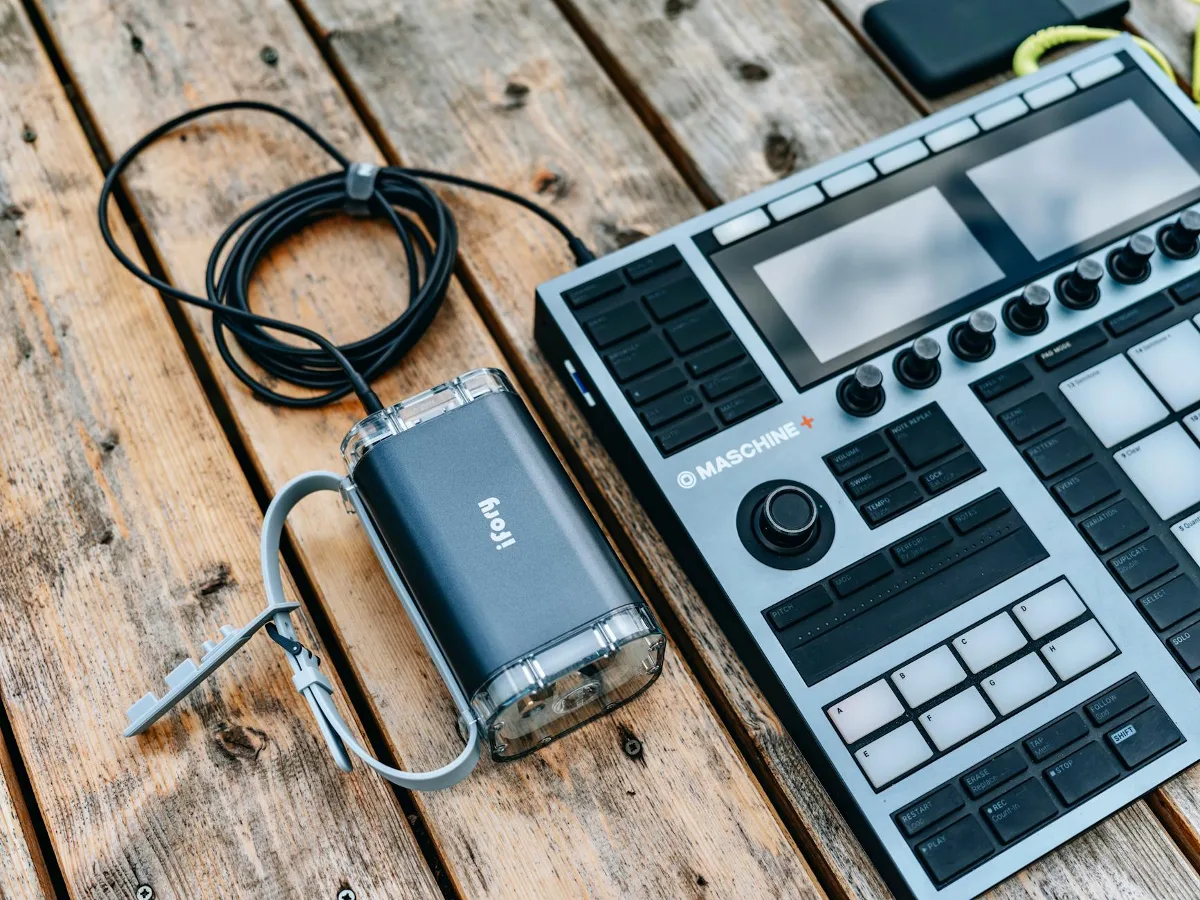
Why a portable power station makes sense for CPAP users
If you use a CPAP machine, a portable power station can provide backup power during outages and a more flexible way to sleep while traveling or camping. The key is not just buying a battery with a big number on the box; it is matching the power station to how your specific CPAP machine is powered. CPAP battery backup options offers more detail on this point. 18650 Charger with Batteries: What to Know offers more detail on this point.
Some CPAP setups can run directly from DC power, while others use an AC adapter that converts wall power before it reaches the machine. That difference affects runtime, efficiency, and the kind of portable power station that makes the most sense. A well-chosen unit can help you keep therapy consistent without relying entirely on campground hookups, hotel outlets, or the grid.
The most common mistake is assuming any power station with an AC outlet will work the same way. For CPAP use, output type, battery size, inverter efficiency, and humidifier settings all matter. Those details can change how practical a portable power station really is for overnight therapy. how to size backup power for a CPAP offers more detail on this point.
What matters most when choosing one
Output compatibility
The first thing to check is whether your CPAP machine can run on AC, DC, or both. Many portable power stations include AC outlets, USB ports, and sometimes DC outputs, but your CPAP may need a specific voltage and connector. If your machine has a manufacturer-approved DC cable, that route is often more efficient than converting battery power to AC and then back again.
Compatibility is more than plug shape. You need to confirm the voltage, amperage, and whether the cable or adapter is designed for your exact model. For users with a newer travel CPAP or a machine with an external power brick, this step is especially important.
Battery capacity and realistic runtime
Battery capacity tells you how much energy is available, but runtime depends on how much your CPAP actually draws. Pressure settings, ramp features, heated tubing, and humidifier use all affect consumption. A machine running without heat will usually be much easier to support than one running a heated humidifier all night.
Look for guidance based on your own setup rather than a generic estimate. Two CPAP users can have very different needs even if they use similar machines. If your goal is to cover one overnight sleep period, build in a margin rather than aiming for a battery that seems just barely sufficient.
Inverter efficiency and conversion losses
Many portable power stations provide AC power through an inverter. That is convenient, but it is not the most efficient path. Each conversion step uses some energy, which means the usable runtime is lower than the battery capacity alone might suggest.
For CPAP users, this often makes DC output attractive when available. A direct DC connection can reduce wasted energy and may extend usable runtime. That said, the best option depends on the power needs of your specific machine and whether the correct cable is available.
Portability and weight
For home backup, size may matter less than runtime. For travel, road trips, or camping, weight and carry comfort become more important. A larger power station may offer better endurance, but it can be awkward to move and may be unnecessary if you only need enough power for one night.
Think about where the power station will live most of the time. A unit that stays near the bed for outage protection has different priorities than one packed into a vehicle for weekend trips. Portability is a real factor, not a bonus feature.
Recharge options
How you recharge the unit matters if you plan to use it repeatedly. Standard wall charging is the simplest option, but some users also want solar charging or vehicle charging. Solar compatibility can be useful for extended outages, yet it only helps if you have enough panel capacity and the right weather conditions.
If you expect to rely on backup power during long grid failures, recharge flexibility is worth close attention. For occasional overnight backup, wall charging may be enough.
Practical ways to match a power station to your CPAP setup
Start with the power draw you actually use
Check your CPAP manual, power adapter label, or manufacturer documentation for the expected power requirements. Then consider your settings. A unit used with humidification and heated tubing can draw far more power than the same machine running in a simpler travel configuration.
If you are not sure how much power you need, think in scenarios rather than perfect numbers. Ask yourself whether you need support for one full night, multiple nights, or only short outages. That question usually narrows the choices quickly.
Decide whether you need AC convenience or DC efficiency
AC output is easy to use because it works with the same power brick you already have. The trade-off is lower efficiency. DC output can be more efficient and may give better runtime, but it requires the right cable and more attention to compatibility.
If you want the simplest setup, AC may be fine. If your priority is getting the most sleep time from one charge, DC is often worth exploring.
Think about humidifier use separately
Humidifiers improve comfort for many CPAP users, but they can be power hungry. Heated tubing can add to the load as well. A common misconception is that a battery rating alone tells the whole story. In practice, comfort features often decide whether a power station is practical overnight or only for short backup use.
Some users choose to disable the humidifier when running on battery power and reserve it for wall power at home. That trade-off may feel less comfortable, but it can dramatically improve runtime.
Consider the noise and sleep environment
Portable power stations are generally quiet compared with gasoline generators, which is one reason they are popular for CPAP backup. Still, fan noise can vary by model and charging state. If the unit will sit near your bed, that matters.
Also consider heat buildup, placement, and cable routing. A battery stored under blankets, in a cramped bag, or against soft materials may be less convenient and may run warmer than expected. Clear airflow and safe placement are part of the decision, not afterthoughts.
Good use cases and where the limits show up
A portable power station is often a strong fit for three situations: home backup during outages, air travel with a compact setup, and camping or road trips where AC power is unreliable. In all three, the big advantage is predictable overnight power without fuel, fumes, or noisy engine-based backup.
That said, the limitations are real. A power station is not infinite backup. Once the battery is drained, you need a charging plan. And if your CPAP setup depends on power-hungry comfort features, runtime can shrink faster than many buyers expect.
Another overlooked consideration is battery aging. Like all rechargeable batteries, portable power stations lose capacity over time. If you are buying one specifically for emergency preparedness, occasional maintenance charging and a realistic replacement horizon matter just as much as initial capacity.
Common mistakes to avoid
- Buying based only on battery size without checking CPAP compatibility.
- Assuming the AC outlet will deliver the same runtime as a direct DC connection.
- Ignoring the power draw of humidifiers and heated tubing.
- Forgetting to confirm the correct cable, connector, or adapter for the machine.
- Choosing a unit that is too heavy or bulky for the way you actually plan to use it.
- Leaving the power station uncharged and assuming it will be ready during an outage.
How to narrow the choice without overbuying
If your main concern is home backup for occasional outages, look for a portable power station with enough capacity to support one sleep session plus some margin, then verify CPAP compatibility before anything else. If you travel often, prioritize portability, straightforward charging, and a direct path to DC use if your machine supports it.
If you camp or expect multi-night use away from the grid, recharge options become more important. Solar compatibility, vehicle charging, and efficient output can make a meaningful difference. In that scenario, a slightly more capable unit can be more practical than a smaller one that works only once.
For users who want the simplest possible setup, an AC outlet and a familiar CPAP adapter may be the least stressful option. For users focused on maximizing runtime, a DC-compatible setup usually deserves a closer look.
Portable power station vs. other CPAP backup options
A portable power station is not the only option for CPAP backup. Dedicated CPAP batteries can be smaller and more specialized. Generator-based backup can offer longer runtime, but it introduces fuel, noise, ventilation, and maintenance concerns that many people do not want in a sleep setup.
For many households, the portable power station sits in the middle: more flexible than a one-device battery pack, easier to live with than a fuel-powered generator, and more useful than a one-off emergency gadget. That balance is why it is often the most practical choice for commercial search intent around CPAP backup power.
When a portable power station is probably the right choice
A portable power station is usually a strong fit if you want quiet backup power, may need to move the unit between home and travel, and want something that can also power phones, lights, or other low-power devices. It is especially appealing if you want a single device that can serve both emergency and travel needs.
If your needs are very specialized, though, a dedicated CPAP battery or a larger home backup system may make more sense. The right answer depends on whether your priority is flexibility, maximum runtime, portability, or simplicity.
FAQ
Can any portable power station run a CPAP machine?
No. The power station has to match your CPAP’s voltage, connector, and power needs. You should also confirm whether you will use AC output or a direct DC cable.
Is AC or DC better for a CPAP on battery power?
DC is often more efficient because it avoids some conversion losses, but AC is simpler and may be easier to use. The best choice depends on your machine and available cables.
Will a CPAP run all night on a portable power station?
It might, but runtime depends on battery capacity, pressure settings, humidifier use, heated tubing, and whether you use AC or DC power. There is no single answer that applies to every setup.
Do I need to turn off the humidifier when using battery power?
Not always, but doing so can reduce power draw and extend runtime. Many users choose to disable heat features during backup use if they want longer overnight support.
Can a portable power station be used for camping with CPAP?
Yes, as long as it is compatible with your machine and you have enough battery capacity for the nights you plan to be away from shore power. Portability and recharge options become especially important for camping use.
