
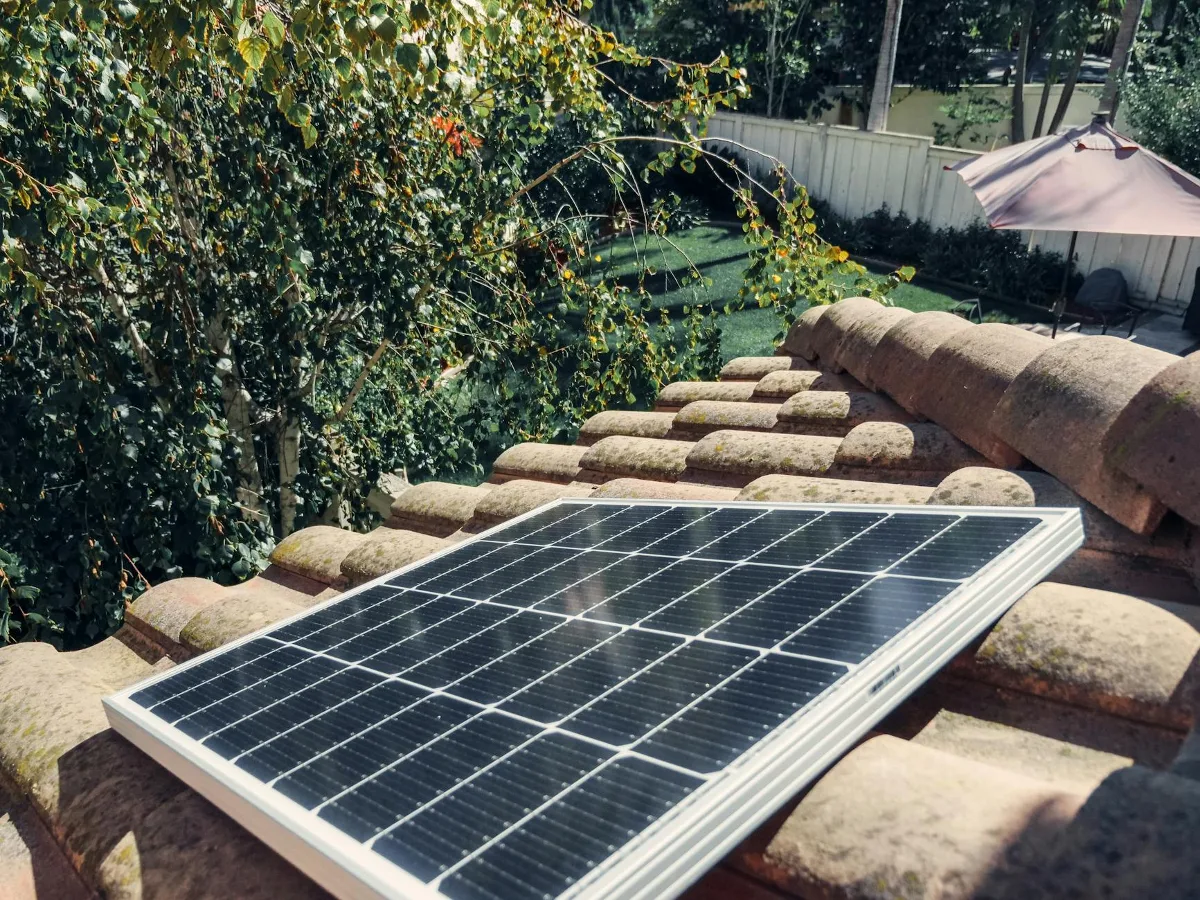
Quick answer: what to look for in a solar battery charger for a 12V battery
A solar battery charger for a 12V battery is usually best understood as a solar panel plus a charge controller, or an all-in-one maintainer designed to keep a 12V battery from slowly draining. The right setup depends on what you are trying to do: maintain a parked car battery, keep an RV house battery ready, or support a battery in a boat, gate opener, shed, or backup system. 12V battery charging basics offers more detail on this point. solar automotive battery charger offers more detail on this point.
If your goal is maintenance charging, look for a charger that matches your battery chemistry, includes a controller that prevents overcharging, and provides enough solar input for the battery’s normal standby losses. If your goal is to recharge a deeply discharged battery, a small solar maintainer may be too limited on its own. Solar charging can work well for topping off and storage use, but it is not always a substitute for shore power or a conventional AC charger.
The biggest buying mistake is treating every “12V solar charger” as if it works the same way. Panel output, controller quality, battery type, and real sunlight conditions all matter more than marketing language on the box.
How to compare your options
For most shoppers, the choice comes down to four practical questions: what battery you have, how the battery is used, how much sun the panel will get, and whether you want simple maintenance or actual charging support.
1) Match the charger to the battery chemistry
Not every 12V battery charges the same way. A charger that is fine for one battery type may be a poor fit for another.
- Flooded lead-acid: common in cars, marine applications, and some deep-cycle systems. These batteries generally tolerate solar maintenance well when charging is controlled properly.
- AGM: sealed and popular for RVs and boats. AGM batteries usually benefit from stable charging voltage and benefit from not being overcharged.
- Gel: more sensitive to charging profile than many buyers expect. Using a charger not intended for gel batteries can shorten service life.
- Lithium 12V batteries: often require a specific charging profile and a controller or charger that is explicitly compatible with lithium battery chemistry.
A common misconception is that “12V” automatically means universal compatibility. Voltage alone does not tell you whether the charger is safe for your battery type.
2) Decide whether you need a maintainer or a charger
This distinction matters more than many shoppers realize. A solar battery maintainer is intended to offset small losses from self-discharge, alarms, clocks, parasitic draws, and storage drain. It is ideal for vehicles or equipment that sit unused for long periods.
A true charger, especially one using a larger solar panel and a capable controller, can contribute meaningful charging current. Even then, solar output changes with weather, season, panel angle, shading, and location. If you need to revive a deeply depleted battery, solar alone may take a long time and may not be the most practical tool.
That difference is easy to miss because many product listings blur the line between charger, maintainer, tender, and trickle charger. In real use, those are not always interchangeable. choosing between PWM and MPPT offers more detail on this point.
3) Look closely at the controller
The controller is the part that prevents the solar panel from pushing voltage into the battery in an uncontrolled way. It is often the difference between a useful setup and a risky one.
- Basic controllers are often enough for small maintenance panels.
- PWM controllers are common in simple setups and can work well when panel and battery voltage are closely matched.
- MPPT controllers can be a better fit when you want better energy harvest from a larger panel or more flexible system design.
For a small 12V battery maintainer, the controller does not need to be complicated, but it does need to be reliable. If the controller is poorly matched to the battery type, the system can undercharge, overcharge, or simply fail to hold the battery at a healthy level.
4) Size the system for the real use case
A small panel may be enough if the battery only needs to offset parasitic drain and occasional self-discharge. If the battery is connected to accessories, security systems, or intermittent loads, a little more solar capacity may be needed.
Outdoor conditions also matter. A charger that works well on a sunny driveway may struggle in partial shade, a covered storage area, or northern winter conditions. If the panel will not see consistent sunlight, choose with margin instead of assuming rated output will always be available.
Another overlooked factor is how often the battery is used. A weekend RV battery, a stored classic car battery, and a backup sump system each have different charging patterns. The best solar charger is the one that matches the battery’s real duty cycle, not just its label.
Common types of solar battery chargers for 12V batteries
Most shoppers will see three broad categories, and each has a different strength.
- Small maintenance panels: simple, portable, and suitable for storage top-off or parasitic draw support. These are often the easiest choice for vehicles that sit.
- Panel-and-controller kits: more flexible and usually better if you want stronger charging support or compatibility control.
- Integrated solar maintainer kits: convenient for users who want a straightforward plug-and-leave solution, especially for cars, boats, and RVs.
Small panels are attractive because they are easy to install, but they are also the most limited. If the battery has meaningful loads or the sun exposure is poor, the setup may only slow discharge rather than fully maintain charge.
What matters most before you buy
If you want a solar battery charger for a 12V battery that actually fits the job, focus on the following decision points.
Battery type compatibility
Confirm whether the charger supports flooded lead-acid, AGM, gel, or lithium batteries. If the product description is vague, that is a warning sign. Battery chemistry should be clearly stated.
Installation style
Some users want a permanent mount on a vehicle roof, dash, or deck. Others want a portable panel that can be moved into sun. A fixed installation is more convenient, but portability can help when parked shade is unavoidable.
Connector and wiring quality
For 12V battery maintenance, the practical details matter: cable length, connector style, fuse protection, and weather resistance. A poor connection can waste much of the benefit of the panel.
Weather exposure
If the charger will live outdoors, check for weather-resistant construction and a mounting approach that fits your environment. A panel used on a marine battery, for example, has different exposure concerns than one used inside a garage near a parked car.
Ease of use
Some setups are truly plug-and-play. Others require panel placement, controller setup, and occasional adjustment. If the battery is in a difficult location, simplicity may be worth more than a slightly more advanced system.
Where solar charging makes sense, and where it does not
Solar is especially useful when a 12V battery sits for long periods and you want to reduce the chance of a dead battery. That makes it practical for:
- seasonal cars and trucks
- RVs in storage
- boats at the dock or on a trailer
- motorcycles and powersports equipment
- gates, pumps, and remote equipment
- backup batteries with low standby drain
Solar is less convincing when the battery must recover quickly from a deep discharge, when the battery is indoors with little light access, or when loads are higher than the panel can reasonably support. In those cases, a wall charger, battery maintainer with AC power, or a larger off-grid charging system may be the better fit.
A helpful rule of thumb is to think of solar as a charge preservation tool first and a full replacement charger second. That framing prevents disappointment and leads to better product choices.
Comparison: the most common solar charging setups
| Setup | Best for | Strengths | Limitations |
|---|---|---|---|
| Small solar maintainer | Storage and standby support | Simple, portable, low effort | Limited output, slow recovery |
| Panel with controller | More flexible 12V systems | Better control, broader compatibility | More parts, more setup decisions |
| Integrated maintainer kit | Easy everyday use | Convenient, compact, user-friendly | May be less adaptable to special cases |
| Larger solar charging system | Off-grid or higher-demand use | Greater capacity and flexibility | More expensive and more complex |
The right choice is usually not the most powerful one. It is the one that matches the battery’s actual role. Oversizing a maintainer can be unnecessary, but undersizing it can leave you with a panel that looks good on paper and does little in practice.
Mistakes to avoid
People often run into the same problems when shopping for a solar battery charger for a 12V battery.
- Ignoring battery chemistry: using the wrong charging profile can reduce battery life.
- Assuming all 12V chargers are interchangeable: voltage is only part of the compatibility picture.
- Expecting a small panel to recover a dead battery quickly: solar maintainers are usually not rescue tools.
- Overlooking parasitic loads: alarms, monitors, and onboard electronics can drain a battery faster than expected.
- Installing the panel in weak sun: shade and poor angle can make a charger seem underpowered.
- Skipping controller quality: the controller protects the battery and affects charging behavior.
- Buying for the label instead of the use case: “car battery,” “RV battery,” and “marine battery” are not identical needs.
One practical nuance is that a charger may appear to work at first, then disappoint over time if it is only barely sized for the application. That is common with seasonal storage and with batteries exposed to continuous small drains.
How to choose a good fit without overbuying
A sensible purchase usually starts with the battery, not the panel. Identify the battery type, the storage conditions, and the amount of sun the panel can realistically see. Then choose the simplest system that can handle the job without pushing the battery beyond its recommended charging profile.
If the battery only needs maintenance, a compact solar maintainer with proper compatibility is often enough. If the system will face variable sunlight, longer cable runs, or mixed usage, step up to a panel-and-controller setup with more control and flexibility. If you are supporting a larger off-grid battery bank, the needs move beyond a basic 12V maintainer and into full solar power system planning.
That distinction helps avoid the most common form of overspending: buying a more complex solar setup than the battery actually needs. It also helps avoid the opposite mistake, which is choosing a cheap panel that cannot keep up with real-world drain.
Practical alternatives if solar is not the best fit
Solar is a strong option in the right environment, but it is not always the most convenient one.
- AC battery maintainer: useful when shore power is available and the battery is stored near an outlet.
- Smart charger: better for recovering a low battery or performing controlled charging indoors.
- Battery disconnect switch: can help reduce parasitic drain on stored equipment, though it does not recharge the battery.
- Full solar charging system: appropriate when you need sustained energy support rather than maintenance only.
These alternatives are worth considering because a solar panel is not automatically the best answer. The best solution depends on access to sunlight, how often the battery is used, and whether you need maintenance, recovery, or ongoing power support.
If you are choosing a solar battery charger for a 12V battery, the safest approach is to match the charger to the battery chemistry, use case, and sunlight conditions first, then judge panel size and features second. That keeps the setup practical, protects battery health, and makes the purchase more likely to do what you actually need.
