
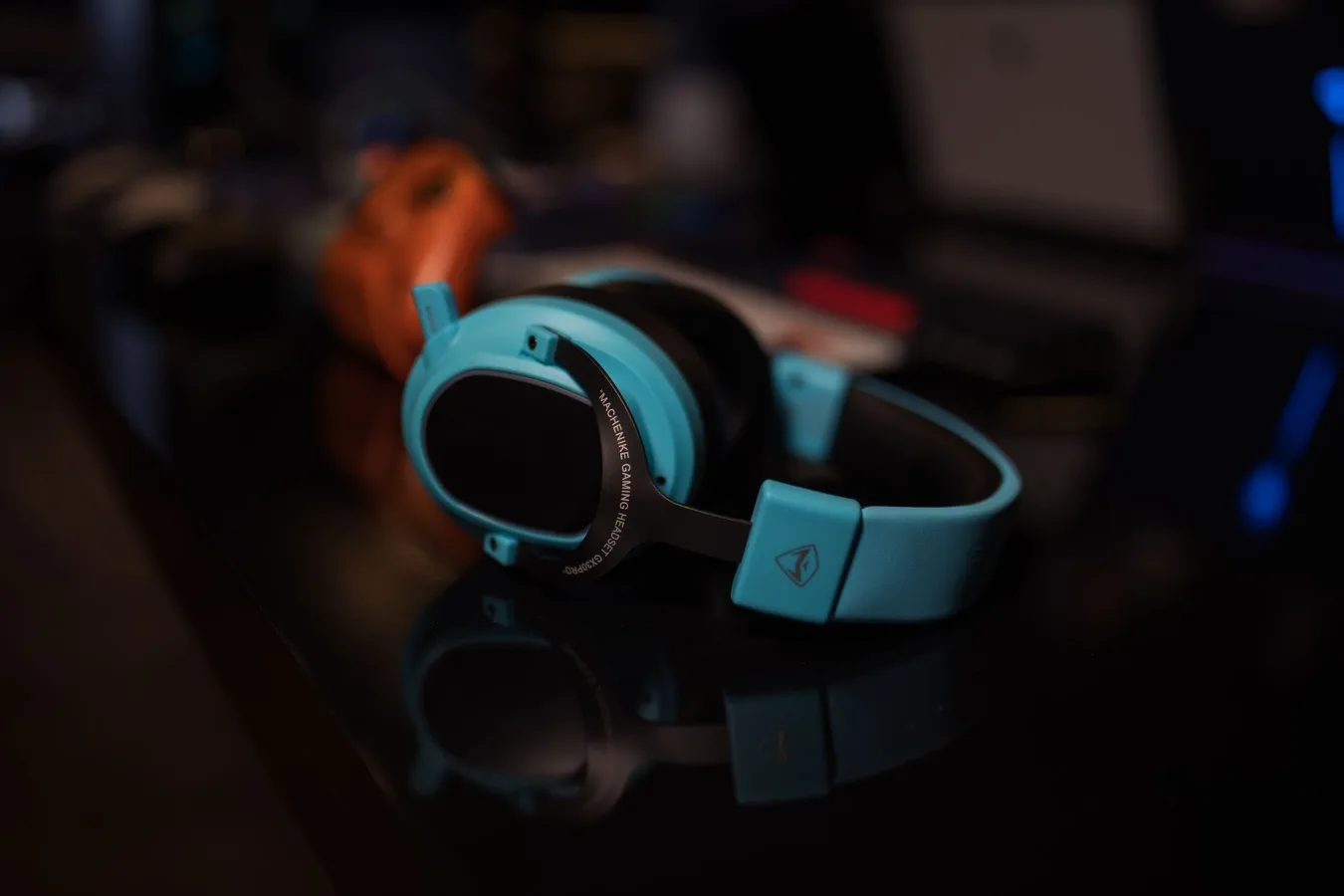
Why a removable mic changes the buying decision
If you want one headset that can move from game chat to music, video calls, and travel, a gaming headset with a removable microphone is often the more flexible choice. The detachable mic lets you keep the headset on your desk or in your bag without the boom getting in the way, while still giving you a dedicated mic when you need voice chat.
That said, removable does not automatically mean better. The right headset still depends on how much you care about voice clarity, comfort, platform compatibility, and whether you prefer a wired or wireless setup. Some removable mics are designed for convenience first. Others are built to stay in place and sound more consistent during long sessions. wired vs wireless audio for gaming offers more detail on this point.
Best fit for different buyer scenarios
A removable microphone makes the most sense if you do not want a headset that only works as a gaming accessory. It is especially useful for players who split time between gaming, school, remote work, and casual listening. Once the mic is off, the headset can feel less bulky and less obviously “gamer” in style. what to look for in a gaming microphone offers more detail on this point.
It also suits people who rarely use voice chat. If you mostly play single-player titles, the microphone may only matter occasionally. In that case, being able to remove it keeps the setup cleaner and reduces the visual clutter around your face when you do not need to speak into a boom mic.
For streamers and competitive players, the story is different. A detachable microphone can still work well, but only if the headset’s voice pickup meets your needs. If you are frequently coordinating in fast-paced matches, the mic’s placement, stability, and noise handling matter more than the convenience of detaching it.
What you gain, and what you give up
The biggest advantage is versatility. A removable mic helps one headset serve multiple roles, which can be appealing if you do not want separate devices for gaming and general listening. It also makes storage easier and can make the headset more comfortable for everyday use.
The trade-off is that detachable systems add a point of failure. A removable port, connector, or locking mechanism has to stay secure over time. If the connection loosens, the microphone can become unreliable or develop handling noise. That does not mean detachable mics are fragile by default, but the design deserves a closer look than a fixed boom.
There is also a common misconception that removable automatically means better audio. The microphone’s actual sound quality depends more on the capsule, placement, and tuning than on whether it can be removed. A fixed mic can outperform a detachable one if the rest of the design is stronger.
Material and build details that matter
Look at the materials around the headband, hinges, ear cups, and mic attachment point. These are the areas that take the most wear in everyday use. A removable mic is only as practical as the hardware holding it in place.
Metal reinforcement can improve durability in stress points, while lighter plastic designs may reduce weight and improve comfort. Neither approach is automatically better. Heavier builds can feel more secure, but they may also become tiring over long sessions. A lighter headset can be easier to wear, though it should still feel stable enough not to shift when you move.
The ear pad material also affects the overall experience. Memory foam can improve seal and comfort for many users, while softer fabric-style pads may breathe better during long sessions. If you wear glasses, pad shape and clamping force can matter as much as mic quality.
Mic attachment style is worth a close look
Not all removable microphones work the same way. Some slide into a port and click into place. Others rely on a simple plug-in connection. The more secure the attachment, the less likely it is to shift during use.
Before buying, consider how often you will attach and remove the mic. If you plan to remove it daily, the connector should feel sturdy and easy to align. If you expect to leave it attached most of the time, the main question becomes whether the headset still feels balanced and comfortable with the boom in place.
It is also worth checking whether the headset can mute or control the mic independently. Some models keep inline or ear-cup controls simple, while others make microphone management more seamless. For gaming and calls, that convenience can matter just as much as the removable design itself.
Compatibility: where many buyers get tripped up
A headset may have a removable microphone and still be a poor fit for your setup if the connection does not match your device. Pay attention to whether it uses USB, a 3.5mm jack, or a wireless transmitter. Each option has different strengths and limitations.
For PC gaming, USB headsets often provide straightforward setup and may include software features. For consoles and mobile devices, 3.5mm compatibility can be easier if you want a simple plug-and-play experience. Wireless models add freedom of movement, but the headset still needs to pair cleanly with your platform and offer the controls you expect. best gaming headsets for different play styles offers more detail on this point.
A practical nuance: some headsets sound and function well on one device but feel less complete on another. A model that works beautifully on PC may lose features on console, or vice versa. If you move between platforms, check not just whether it connects, but which functions carry over.
Sound performance for gaming and everyday use
Since you are shopping for a gaming headset, audio balance matters. A headset tuned for competitive gaming may emphasize footsteps, positional cues, and dialogue clarity. That can be excellent for multiplayer play, but it may make music sound less natural. A more balanced headset can feel better for mixed use, though it may not highlight game detail as aggressively.
Closed-back designs are common in gaming because they help reduce outside noise and keep sound from leaking as much. That can be useful in shared spaces. The trade-off is less natural airflow around the ear, which may affect comfort during very long sessions.
If you play a mix of story-driven games, voice chat, and music, think about which use dominates your routine. The removable microphone adds flexibility, but the headset’s tuning still decides whether it feels specialized or all-purpose.
Comfort is not optional for long sessions
Comfort often decides whether a headset gets used every day or ends up on a shelf. Weight, clamp force, ear pad depth, and headband shape all contribute to the experience. A removable microphone can slightly improve comfort if it reduces front-heavy pressure when the boom is detached, but that depends on the overall design.
People with larger heads, glasses, or sensitivity to ear pressure should pay close attention to fit notes and adjustability. If a headset only feels good for short bursts, it may not be the right choice even if the removable microphone is appealing.
Another overlooked consideration is whether the headset stays comfortable after the mic is removed. Some designs look cleaner without the boom, but the ear cups or controls may still feel awkward for everyday listening. If you want a true dual-use device, the headset should feel natural in both modes.
When a detachable mic is the wrong answer
A removable microphone is not always the best route. If you rely on voice chat daily and want the simplest possible setup, a fixed boom may be more convenient. You remove one variable, and the mic stays exactly where the manufacturer intended it to be.
Detachable designs can also be a weaker fit if you need broadcast-style voice quality. In that case, a separate desktop microphone may be a better investment, with the headset serving only for playback. That setup can sound more polished and often gives you more control over voice capture, though it adds desk clutter and extra cost.
If you already own a good standalone mic, the removable headset microphone may simply be a backup feature. That is still useful, but it changes the decision. You are no longer choosing for microphone quality first; you are choosing for comfort, audio, and flexibility.
Common mistakes to avoid
- Buying for the detachable feature alone and ignoring comfort or tuning.
- Assuming all removable microphones sound the same.
- Overlooking connector type and platform compatibility.
- Choosing a bulky headset that feels worse once the mic is removed.
- Ignoring how secure the mic attachment feels in daily use.
- Forgetting that wireless convenience may trade off battery management.
How to narrow the field
Start with your main use case. If you want one headset for gaming and casual everyday listening, focus on comfort and versatility. If you mostly play competitive multiplayer, prioritize stable mic placement, clear voice pickup, and low-latency connectivity. If you split time between PC and console, compatibility becomes one of the first filters.
Then compare the physical design. Look for a removable microphone that attaches securely and does not make the headset front-heavy. Check whether the ear pads and headband suit long sessions. If possible, examine how the controls are arranged, because easy mute and volume adjustments can improve the day-to-day experience more than small sound differences.
Finally, think about longevity. A headset that is easy to wear, easy to connect, and easy to store will usually feel like a better purchase over time than one with flashy features you rarely use. The removable mic should add convenience, not become the main reason you keep fighting with the headset.
Practical next steps before you buy
Compare at least three models across the same category so you can judge design choices rather than marketing language. Look for clear details on the mic attachment, connector type, platform support, and what controls are built in. If a product page leaves those basics vague, that is a sign to keep researching.
Match the headset to your listening habits. If you want one device for games, calls, and relaxed listening, a gaming headset with a removable microphone can be an efficient middle ground. If your priorities are voice quality above all else, a separate mic and a simpler headset may serve you better.
The best choice is usually the one that fits your actual routine, not the one with the most features. A removable microphone is valuable when it improves flexibility without making the headset harder to wear, harder to connect, or harder to rely on.
