
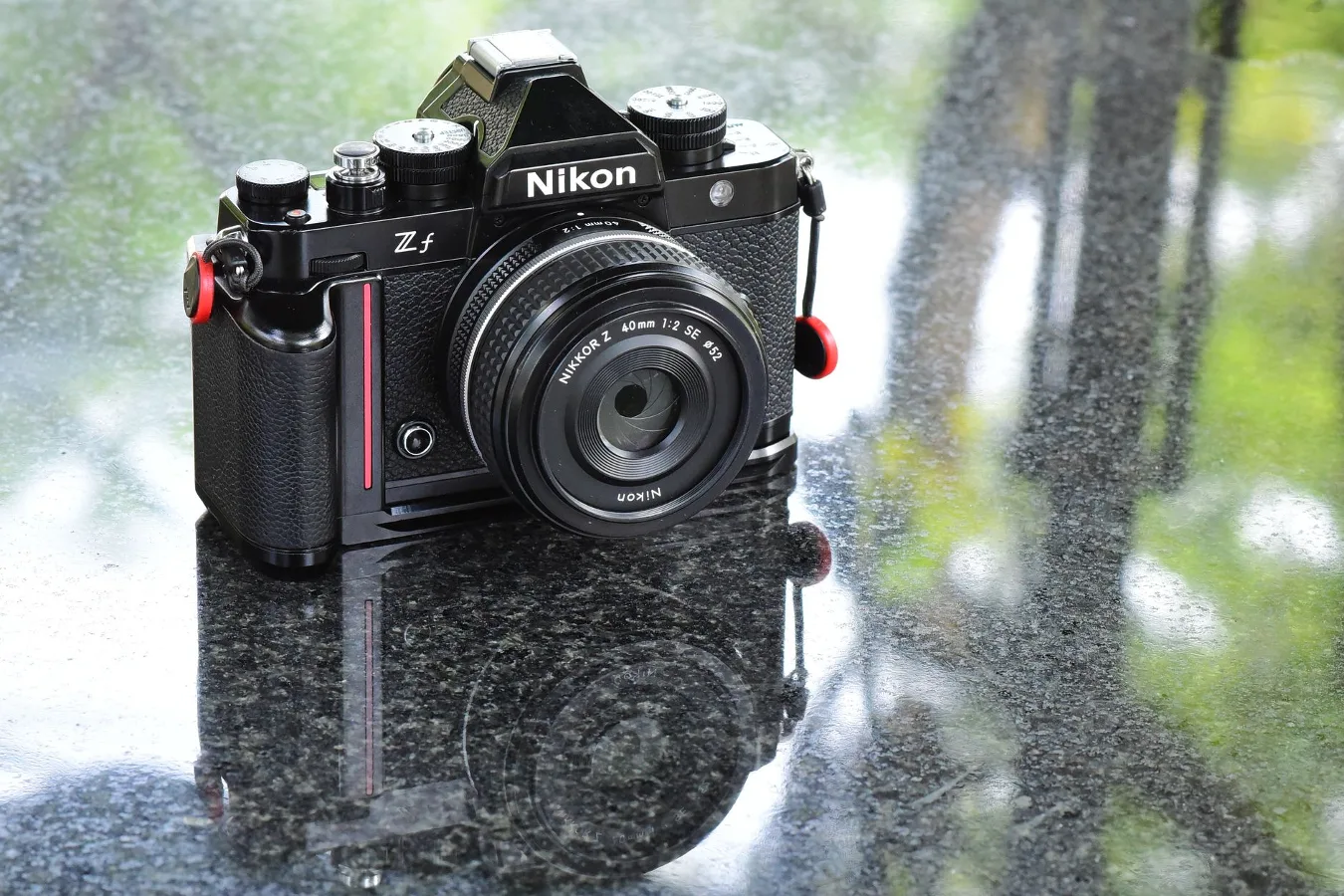
If you want the best Nikon mirrorless camera, the right answer depends on what you shoot, how much gear you want to carry, and whether you care more about stills, video, or a balanced mix of both. Nikon’s mirrorless lineup is strongest when you choose by use case instead of chasing the highest model number. Nikon camera buying guide offers more detail on this point. how to choose a mirrorless camera offers more detail on this point.
For most buyers, the decision comes down to three practical questions: Do you need full-frame or APS-C? How important is autofocus and subject tracking for your work? And do you want a compact body, or are you comfortable with a larger camera if it gives you more control and better lens options?
Start with the real job the camera needs to do
“Best” means something different for a beginner, a travel photographer, a parent shooting family moments, or someone building a serious photo/video kit. A camera can be excellent and still be the wrong choice if it does not match your actual use.
Before comparing bodies, think about the situations that matter most:
- Everyday photography: A lighter, simpler body may be easier to carry and use often.
- Portraits: A full-frame body paired with a good portrait lens often gives more flexibility with depth of field.
- Wildlife or sports: Autofocus behavior, burst handling, and telephoto lens availability matter more than a flashy spec sheet.
- Travel: Size, battery planning, and lens weight can matter more than ultimate image quality.
- Video: Heat management, stabilization, mic input, and menu usability become more important.
A common mistake is buying a body first and only later realizing the lens you need is expensive, heavy, or not available in the focal length you want. With mirrorless systems, the body matters, but the lens ecosystem often decides whether the system feels practical long term.
The main Nikon mirrorless choices, simplified
Nikon’s mirrorless lineup is built around the Z mount, and the most useful split is between full-frame and APS-C models.
Full-frame Nikon Z cameras
Full-frame Nikon mirrorless cameras are usually the better fit if you want the broadest lens compatibility within the Nikon Z ecosystem, stronger low-light headroom, and more room for shallow depth of field. They are often preferred by enthusiasts, portrait shooters, event photographers, and creators who want one body that can grow with them.
The trade-off is cost. Full-frame bodies tend to be more expensive, and the lenses that make them shine can be larger and pricier too. If you are sensitive to weight or just starting out, that matters.
APS-C Nikon Z cameras
APS-C Nikon mirrorless cameras are often the smarter value choice for beginners, travelers, and photographers who want a lighter kit. They can be easier to carry and can pair well with smaller lenses, especially if you are learning photography or mostly shooting everyday subjects.
The downside is less flexibility in low light and fewer full-frame-style options for shallow background blur. That does not make them inferior; it just means they suit different priorities.
Key factors that actually matter
Image quality is not only about resolution
Many shoppers focus on megapixels, but that is only one part of the picture. Sensor size, lens quality, autofocus accuracy, and how you process files all affect final results. A well-chosen APS-C camera with a good lens can produce excellent images for most real-world uses.
If you print large, crop heavily, or want more room to work in demanding lighting, full-frame can be worth the extra size and cost. If your photos mostly live on screens and social platforms, the difference may be less important than convenience and speed.
Autofocus should match your subjects
Nikon’s autofocus systems vary by model, and the right level depends on what you shoot. For portraits, general family use, and street photography, a dependable face and eye detection system is often enough. For action, birds, or fast-moving kids, subject tracking and responsiveness matter much more.
One overlooked point: autofocus “strength” is not just about the camera body. Lens speed, focal length, and how confidently you can keep a subject framed all affect real-world results. A great body paired with the wrong lens can still feel frustrating.
Lens ecosystem and future growth
If you expect to expand later, pay attention to the lenses available for the Z mount. This matters more than many first-time buyers expect. A camera body can be replaced, but lens choices shape the system for years.
Think about whether you need:
- a compact kit zoom for travel and daily use
- a fast prime for portraits or indoor shooting
- a telephoto lens for wildlife, sports, or stage work
- a wide-angle lens for landscapes or architecture
- a macro lens for close-up detail
If the lenses you want are available but outside your budget right now, that is still useful information. A system that lets you start simple and grow gradually is often better than buying too much camera too soon.
Video features deserve a closer look
If you shoot both photos and video, check more than headline resolution claims. Useful video-related factors include stabilization, microphone input, screen articulation, autofocus consistency during movement, and how comfortable the camera is to hold for longer takes.
Many people overestimate how much they need advanced video features. If you mainly record casual clips, family moments, or social content, usability may matter more than cinema-style specs. On the other hand, if you plan to do interviews, tutorials, or hybrid content creation, a body with better video ergonomics can save time and frustration.
Portability and handling affect how often you use it
A camera that feels too heavy or awkward is a camera that stays at home. Grip shape, button layout, menu organization, EVF quality, and screen behavior all influence whether the camera feels natural in daily use.
This is one of the most overlooked decision points. Shoppers often compare technical specifications but ignore handling. Yet a comfortable camera usually gets used more, and that matters more than chasing a slightly better spec on paper.
How to choose the right Nikon mirrorless camera by use case
Best for beginners
Beginners usually benefit from a camera that is simple to learn, easy to carry, and not overly expensive to build around. APS-C Nikon mirrorless models are often a strong starting point because they let you learn composition, exposure, and lens choice without immediately committing to a larger, pricier system.
Look for clear controls, a helpful guided interface if you want one, and reliable autofocus for everyday subjects. A beginner-friendly camera should reduce friction, not create it.
Best for travel
Travel photography favors a body and lens combination that stays manageable over a long day. Size, weight, battery planning, and lens versatility matter as much as image quality. A compact APS-C body or a lighter full-frame setup can be more practical than a larger flagship body.
Also consider whether you prefer a single versatile zoom or a small prime lens kit. A lightweight, flexible setup often gets used more while traveling than a bigger system that feels like a burden.
Best for portraits
Portrait shooters usually want dependable eye detection, pleasing skin tone handling, and lenses that support flattering perspective and background separation. Full-frame Nikon mirrorless cameras are often appealing here because they give more options for controlling depth of field, especially with portrait primes. Nikon Z mount lens options offers more detail on this point.
That said, the lens matters just as much as the body. A modest camera with the right portrait lens can outperform a more expensive body with an ordinary zoom for this kind of work.
Best for wildlife or sports
Fast action calls for subject tracking, responsive controls, and lens reach. In this category, the camera body must work well with telephoto lenses, and the overall kit can become expensive quickly. APS-C can be attractive because the crop factor effectively extends reach, which can be useful for distant subjects.
Still, reach alone is not enough. If you photograph action often, prioritize autofocus confidence, buffer behavior, and how the camera feels during quick framing changes.
Best for video creators
If video is central to your work, prioritize a camera that is comfortable to operate for longer periods and supports the accessories you need. Stabilization, microphone support, external monitoring options, and a screen that works well at different angles are all worth checking.
For hybrid creators, the ideal Nikon mirrorless camera is usually the one that does not force too many compromises in either stills or video. You want a body that fits your editing workflow and your preferred way of shooting, not just one that looks good on a spec list.
Practical buying guidance
If you are choosing among Nikon mirrorless cameras, here is a simple way to narrow the field:
- Decide on sensor size first. Choose full-frame if you want broader lens flexibility and more low-light headroom; choose APS-C if portability and value matter more.
- Match the camera to your main subject. Portraits, travel, action, and video all reward different strengths.
- Budget for lenses, not just the body. A balanced kit usually beats an oversized body paired with a lens you do not really want to carry.
- Check handling and controls. Comfort, menu layout, and button placement affect day-to-day satisfaction.
- Plan for the next lens you will buy. Systems are easier to enjoy when the upgrade path makes sense.
A practical rule: if you are unsure, choose the camera that makes your most common type of photography easier, not the one that looks most advanced.
Common mistakes buyers make
- Buying for specs instead of use: A higher spec sheet does not guarantee a better fit.
- Ignoring lens cost: The camera body may be only part of the real budget.
- Choosing too much camera: A complex body can slow down beginners.
- Choosing too little camera: A stripped-down model can become limiting if your interests grow quickly.
- Overlooking ergonomics: If the camera feels awkward, you may avoid using it.
- Forgetting about storage and batteries: These small accessories matter more than many buyers expect.
Best Nikon mirrorless camera: how to think about the answer
There is no single Nikon mirrorless camera that is the best for everyone. The right choice depends on whether you value portability, image quality, autofocus reliability, lens flexibility, or video performance most.
If you want a simple answer, start here: choose an APS-C Nikon Z camera if you want an easier, more affordable entry point; choose a full-frame Nikon Z camera if you are building a more serious long-term system and are comfortable paying more for the body and lenses.
The smartest purchase is usually the one that fits your photography habits today while leaving room for the way you may shoot six months from now.
Frequently asked questions
Which Nikon mirrorless camera is best for beginners?
Beginners usually do best with an APS-C Nikon mirrorless camera that is lightweight, easy to learn, and affordable to pair with a versatile lens.
Is full-frame worth it for Nikon mirrorless?
Full-frame can be worth it if you want more control over depth of field, stronger low-light flexibility, or a broader long-term system. If portability and budget matter more, APS-C may be the better choice.
Do I need Nikon Z lenses to use a Nikon mirrorless camera?
Nikon Z lenses are the native match for Nikon mirrorless bodies, and they make the most sense for long-term use. Some F-mount lenses can be adapted, but native Z lenses are usually the simpler route.
What matters more: the camera body or the lens?
For many photographers, the lens matters more over time. The body affects handling and features, but the lens has a huge impact on image quality, reach, and shooting style.
Can a Nikon mirrorless camera work for both photos and video?
Yes, many Nikon mirrorless cameras are good hybrid tools. The key is choosing a body whose autofocus, stabilization, screen behavior, and audio options fit your video needs.
