
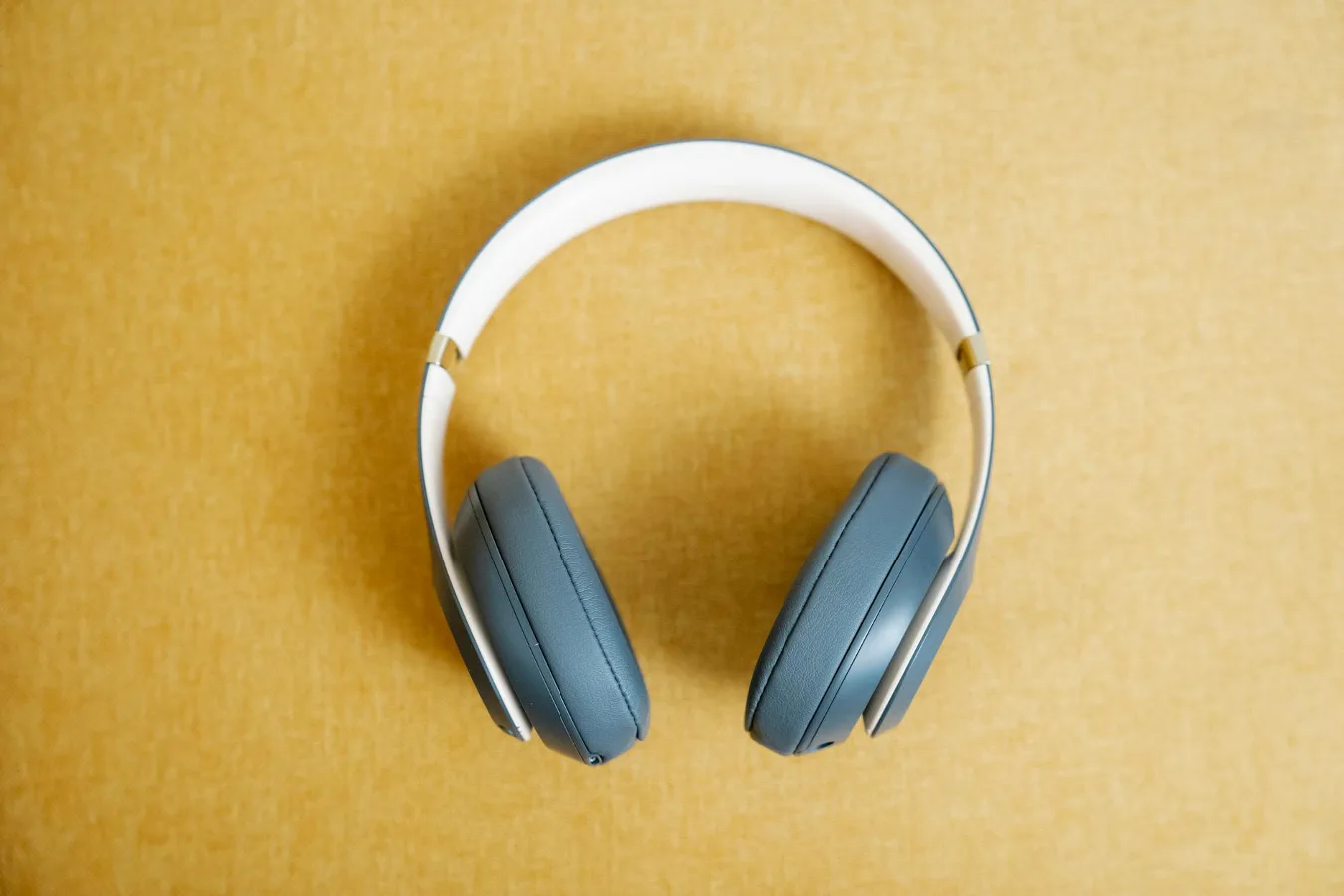
If you are looking for noise cancelling headphones for sensory overload, the main goal is not just quieter audio. It is reducing the amount of unpredictable sound your brain has to sort through, especially in places like public transit, classrooms, open offices, stores, or busy homes.
The best choice depends on what triggers the overload. For some people, strong active noise cancellation helps a lot. For others, comfort, clamp force, or ear pressure matters more than maximum noise reduction. A good pair should make the environment feel more manageable without adding new discomfort.
When noise cancelling headphones matter most
These headphones tend to help most when the problem is background noise, not a single sudden sound. Think engine hum, HVAC noise, crowd chatter, appliance noise, and the general messiness of layered sound. That kind of steady input is often tiring because it never fully disappears.
They are especially useful in places where you cannot control the environment:
- commuting on buses, trains, or airplanes
- open-plan offices and shared workspaces
- grocery stores and shopping centers
- school hallways, cafeterias, and study areas
- busy homes with multiple conversations or appliances running
A common misconception is that noise cancelling headphones make everything silent. They usually do not. They are better at reducing low, steady noise than sharp, sudden sounds. That distinction matters if your sensory overload is triggered by alarms, yelling, clattering dishes, or other abrupt noise spikes.
How to choose the right pair
For sensory overload, the most useful buying criteria are usually different from what matters to a typical music shopper. Sound quality still matters, but comfort and predictability often matter more. Klein Bluetooth Speaker Buying Guide offers more detail on this point.
1) Start with comfort, not features
If you do not enjoy wearing the headphones, you will not use them consistently. Look closely at the headband padding, earcup depth, and overall weight feel. Over-ear designs often work well because they surround the ear instead of pressing directly on it, but not every over-ear model feels good for long sessions.
Pay attention to clamp force. A secure fit helps with passive noise isolation, yet too much pressure can become distracting. If you are sensitive around the jaw, temples, or ears, a gentle but stable fit is usually better than a tight one.
2) Understand active noise cancellation and passive isolation
Active noise cancellation uses microphones and processing to reduce steady ambient sound. Passive noise isolation comes from the physical seal of the earcups or ear tips. For sensory overload, the combination often matters more than either feature alone.
That is why a model with average ANC but a strong seal may feel more useful than a model with aggressive cancellation that fits poorly. Fit can change how much outside sound leaks in, and a poor seal can make even a capable headset feel underwhelming.
3) Check whether the headphones add their own discomfort
Some people are sensitive to more than sound. They may notice heat buildup, pressure on the crown of the head, ear contact, or the sensation of ANC itself. A small amount of processing hiss or pressure-like feeling can be distracting for certain users, even if the headphones are technically reducing noise.
If you are highly sensitive, it helps to prioritize models with adjustable ANC levels or a transparency mode so you can dial the experience up or down depending on the setting.
4) Think about battery life and controls
For people using headphones as part of a sensory regulation routine, easy controls matter. Physical buttons, clear on/off feedback, and a reliable way to lower or raise cancellation can reduce stress. Battery life also matters because a dead headset is not much help during a long commute or school day.
Simple, predictable controls often beat complicated app-dependent features. A companion app can be useful, but it should not be the only way to manage basic listening settings.
5) Match the design to the environment
Not every environment calls for the same type of headphone. For long office sessions, breathability and comfort may matter most. For commuting, stronger noise reduction and portability may matter more. For school or home use, it may be more important that the headphones are easy to remove quickly when you need to hear a person speaking. headphones for crowded places and commuting offers more detail on this point.
Think in terms of use case rather than a single “best” model. The right choice for a train ride may not be the right choice for a noisy classroom.
Step-by-step: how to narrow your options
- Identify the main trigger. Is it constant background noise, sudden noises, crowd chatter, or the feeling of being overstimulated by too many sounds at once?
- Decide where you will use them. Commuting, work, school, travel, and home each create different comfort and noise challenges.
- Choose the fit style. Over-ear models usually provide better isolation and a more enveloping feel, while on-ear or earbuds may feel less bulky for some users.
- Check for adjustable cancellation. Different environments often need different levels of noise reduction.
- Look at comfort details. Headband padding, earcup size, breathable materials, and low pressure points can make a big difference.
- Consider portability. Foldable designs and compact cases help if you plan to carry them daily.
- Review return policies. Sensory comfort is personal. A model that looks ideal on paper may feel wrong after an hour of wear.
Examples of how different users may think about the trade-offs
For a commuter: Stronger ANC and a secure fit may matter most because trains, buses, and stations create constant low-frequency noise. Portability also matters if the headphones need to live in a bag every day.
For a student: Comfort and easy controls may matter more than absolute noise reduction. A headset that is too isolating can make classroom interaction harder, so adjustable cancellation can be helpful.
For office work: Lightweight comfort and all-day wearability may matter more than a very sealed design. If you still need to hear coworkers sometimes, transparency mode can be useful.
For home use: Noise reduction needs may be more variable. If the main issue is appliances, household chatter, or overlapping sound, a comfortable over-ear design with good passive isolation may be enough.
Limitations worth keeping in mind
Noise cancelling headphones are helpful, but they are not a complete solution for every sensory issue. They can reduce the intensity of the environment, yet they do not always solve overstimulation caused by visual clutter, bright lights, social demands, or sudden interruptions.
They can also make some situations less safe if used too aggressively. For example, fully blocking out sound while walking near traffic may not be a good idea. In those cases, lower cancellation or transparency mode may be a better compromise.
Another limitation is fatigue from extended wear. Even a soft, well-padded headset can become tiring after several hours. That is why it helps to think about breaks, fit adjustments, and whether you need one pair for all-day use or a second option for specific environments.
Alternatives that may work better in some situations
Noise cancelling headphones are popular because they are versatile, but they are not always the best fit for every person or setting. Depending on the source of overload, these options may help: best noise cancelling headphones with microphone offers more detail on this point.
- Passive earmuffs or ear defenders for people who want strong physical sound reduction without audio features
- Earbuds with a snug seal for a smaller profile and lighter carry option
- White noise or brown noise playback when the goal is to soften environmental sound rather than block it entirely
- Custom earplugs for users who want passive reduction without over-ear pressure
- Quiet rooms, scheduled breaks, or environmental changes when sound sensitivity is part of a broader overload pattern
A useful decision-making insight: if pressure on the head or ears is a major trigger, a quieter headphone is not automatically a better headphone. In that case, a different form factor may be the more practical fix.
A simple buyer checklist
- Comfortable enough to wear for at least the length of your typical outing
- Enough passive isolation to help even before ANC is turned on
- Adjustable noise cancellation or transparency mode
- Easy, predictable controls
- Fit that does not create pain points on the ears, jaw, or crown
- Portable enough for your routine
- Compatible with the places you will use it most
- Return policy that gives you a realistic chance to judge comfort
Common mistakes to avoid
One mistake is choosing based only on brand reputation or noise reduction claims. For sensory overload, comfort and fit often matter just as much as cancellation strength.
Another is assuming one type of headphone works for every situation. A model that is great on a plane may feel too isolating at work. A lightweight model that feels comfortable all day may not reduce enough noise on a subway platform.
People also often overlook how much their own sensory profile affects the decision. If pressure, texture, heat, or enclosure are part of your discomfort, those factors deserve as much attention as the audio side.
What a good choice usually looks like
The best noise cancelling headphones for sensory overload usually do three things well: they reduce the sounds that drain your attention, they feel comfortable enough to keep on, and they give you enough control to adjust the experience as conditions change.
If you want a practical rule of thumb, prioritize the environment you struggle with most, then judge the headphones by comfort, fit, and flexibility before focusing on extras. That approach is more likely to lead to something you will actually use when overload starts building.
For many buyers, the right answer is not the strongest cancellation available. It is the pair that makes daily life noticeably calmer without creating a new source of discomfort.
