
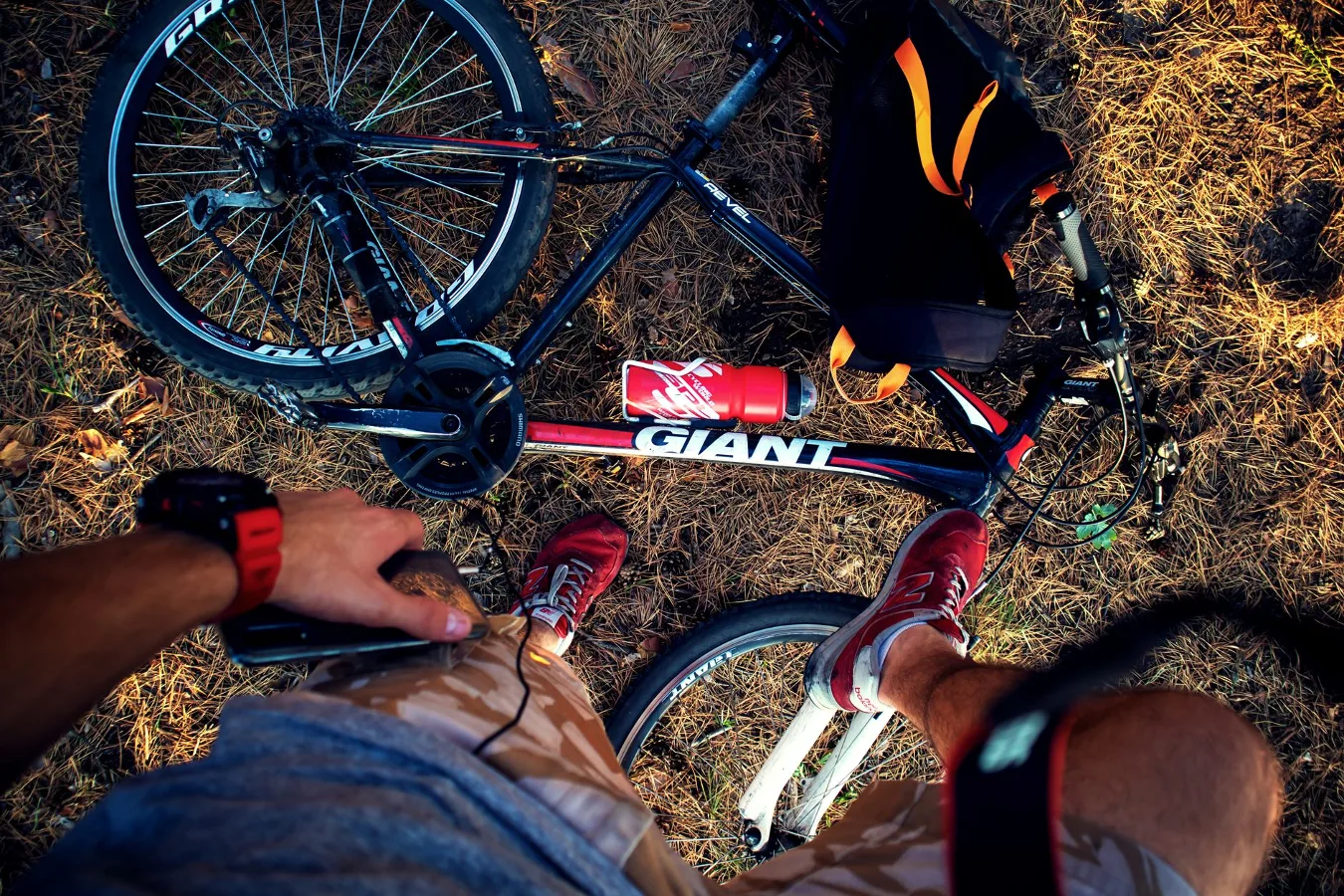
A bike Bluetooth speaker is worth considering if you want audio on rides without relying on headphones. The right choice should stay secure on rough pavement, handle weather exposure, and remain usable at the volume levels that make sense outdoors.
The best fit depends less on brand hype and more on how you ride. A commuter on bike paths may want a compact speaker with easy controls and quick mounting, while a trail rider may care more about sturdiness and weather resistance. If you use an e-bike, you may also need a setup that stays stable at higher cruising speeds and over more varied terrain.
When a bike Bluetooth speaker makes sense
A bike speaker is most useful when you want ambient audio rather than private listening. That usually means spoken navigation, podcasts, low-key music, or ride-time background sound. It can also be a practical choice for riders who find earbuds distracting or uncomfortable.
That said, a speaker is not automatically the safest or most practical solution in every situation. In busy traffic, a loud speaker can become a distraction for you and everyone around you. On shared paths, many riders prefer lower volume or no audio at all. The key decision is whether you want sound that enhances awareness without turning the ride into a listening session.
Step-by-step criteria to evaluate
1. Start with the riding environment
Your usual riding conditions should drive most of the decision. Smooth city streets place different demands on a speaker than gravel paths, wet commutes, or long weekend rides. The more vibration, bumps, and exposure your bike sees, the more important secure mounting and weather resistance become.
If your rides are short and predictable, a lighter speaker with basic protection may be enough. If your route changes often or includes rougher surfaces, prioritize a design that resists shifting, rattling, or slipping out of place.
2. Check how the speaker mounts or carries
Mounting is one of the most overlooked parts of buying a bike Bluetooth speaker. A speaker can sound fine in the hand and still be frustrating on a bike if it does not attach securely. Look for a mounting method that matches your handlebars, stem, basket, or frame bag setup.
Some speakers use dedicated brackets, while others rely on straps, clips, or integrated loops. Simpler attachment can be convenient, but it may not be ideal if you ride on rough surfaces. Before buying, think about whether the speaker will stay put when the bike vibrates, brakes suddenly, or hits uneven pavement.
3. Consider weather resistance honestly
Outdoor audio gear faces more than just occasional drizzle. Road spray, dust, humidity, and unexpected rain can all affect a bike speaker over time. Weather resistance matters even for fair-weather riders because a small amount of moisture can still creep in during normal use.
Do not assume that a speaker labeled for outdoor use is automatically suitable for every condition. Check the manufacturer’s guidance for splashes, rain, and storage. If you regularly leave a speaker on the bike between stops, weather resistance becomes more important than if you remove and store it each time.
4. Balance sound output with real-world listening
Outdoor listening is different from listening in a room. Wind, traffic noise, tire noise, and road vibration all make it harder to hear detail. That is why a speaker that sounds full indoors may feel underpowered outside.
Still, more volume is not always the answer. A louder speaker can sound harsher at close range and may be unnecessary on quieter bike paths. The better question is whether the speaker produces clear mids and voices at a practical riding volume. For many cyclists, clarity matters more than bass.
5. Review battery life in the context of your rides
Battery life should be judged against your actual use pattern. A long weekend tour has different needs than a 20-minute commute. If you mostly ride for short trips, portability and quick charging may matter more than headline runtime. If you plan to use the speaker for longer outings, endurance becomes more important.
Also consider how often you want to recharge it. A speaker that requires frequent charging can become annoying quickly, especially if it is part of a daily ride routine. Think beyond the number on the box and ask whether the charging cycle fits your habits.
6. Pay attention to controls and usability
Controls should be easy to operate while standing still, because reaching for small buttons while moving is not ideal. Large, tactile controls are usually better for cycling use than tiny, flush buttons that are hard to find by feel.
Convenience features can matter, but only if they stay simple. A speaker with a complicated app or layered control scheme may be less appealing on a bike than a more straightforward model. If you need quick access to play, pause, and volume, prioritize clarity over extra features.
Practical examples of different rider needs
Daily commuter
A commuter often needs quick setup, reliable mounting, and enough sound for traffic-calmed routes or bike lanes. The best choice is usually compact, easy to remove, and resistant to minor weather exposure. A commuter may also prefer a speaker that works well for spoken audio and navigation prompts rather than music alone.
Recreational rider
For casual rides, comfort and convenience may outweigh maximum ruggedness. A recreational rider may not need a highly specialized mount if rides are short and predictable. In that case, a lightweight speaker with simple controls and moderate weather protection can be enough.
Trail or mixed-surface rider
If your route includes bumps, dust, or faster descents, stability becomes a bigger priority. A loose speaker can be annoying at best and a hazard at worst. For this kind of use, a secure attachment method and a more rugged enclosure usually matter more than extra features.
E-bike rider
E-bike riders often travel faster and farther, so audio can get lost more easily in wind and road noise. That makes placement and clarity especially important. A speaker that is too quiet or too exposed to wind may underperform even if it seems fine at lower speeds.
What buyers often overlook
One common misconception is that a bike Bluetooth speaker only needs to be loud. In practice, stability, durability, and ease of control often matter more. A loud speaker that rattles, shifts, or dies quickly is less useful than a quieter one that stays secure and easy to manage.
Another overlooked factor is how the speaker interacts with the bike itself. Frame material, handlebar shape, accessory mounts, and space around cables can all affect fit. A model that works well on one bike may be awkward on another, especially if you use a basket, front bag, or handlebar-mounted phone holder.
Finally, think about storage. If you need to remove the speaker whenever you park, the best option is one you can detach and reattach without hassle. A setup that is easy at home but fiddly on the street can become less appealing over time.
Common mistakes to avoid
- Buying a speaker based on indoor sound quality alone.
- Ignoring how securely it attaches to the bike.
- Assuming water resistance means full waterproof protection.
- Choosing a model with controls that are hard to use while riding.
- Expecting a small speaker to overpower heavy wind and traffic noise.
- Forgetting to check whether the size works with your handlebars or other accessories.
- Leaving the speaker exposed to weather when it is not designed for that level of use.
Safer and more practical alternatives
A bike Bluetooth speaker is not the only way to listen while riding. Some riders prefer bone-conduction headphones because they leave the ears more open, though they still require careful attention to local laws and road conditions. Others rely on a phone mounted on the bike for navigation prompts only, which avoids extra equipment and keeps audio use minimal.
If your main goal is motivation rather than full-time listening, a smaller speaker used selectively may be the better compromise. If your main concern is awareness, skipping audio entirely during busy rides can be the most practical choice.
Quick checklist before you buy
- Does the speaker match your typical riding environment?
- Will it mount securely on your bike?
- Is the weather protection appropriate for your conditions?
- Can you hear voices clearly at a reasonable outdoor volume?
- Are the controls simple enough to use quickly?
- Does the battery life fit your commute or ride length?
- Is the speaker easy to remove, store, and recharge?
- Will it work with your handlebars, bag, basket, or frame layout?
How to narrow the choice
If you want a bike Bluetooth speaker for short urban rides, prioritize compact size, easy mounting, and clear voice playback. If you ride longer distances or in less predictable conditions, put more weight on weather resistance, battery endurance, and sturdier attachment. If you mainly want background music at low volume, a simpler model may be all you need.
The best purchase is rarely the most feature-packed one. It is the speaker that fits your bike, your route, and your tolerance for setup and maintenance. In that sense, the smartest choice is usually the one that solves the practical annoyances first.
For readers building a broader audio setup, a bike Bluetooth speaker is just one part of a wider portable audio category. Related topics such as compact outdoor speakers, travel-friendly Bluetooth speakers, and weather-resistant audio gear can help you compare options before settling on the right format for your rides. best portable speakers for outdoor use offers more detail on this point. Best ATV Bluetooth Speaker: Buyer Guide offers more detail on this point. how to choose a Bluetooth speaker for travel offers more detail on this point.
