
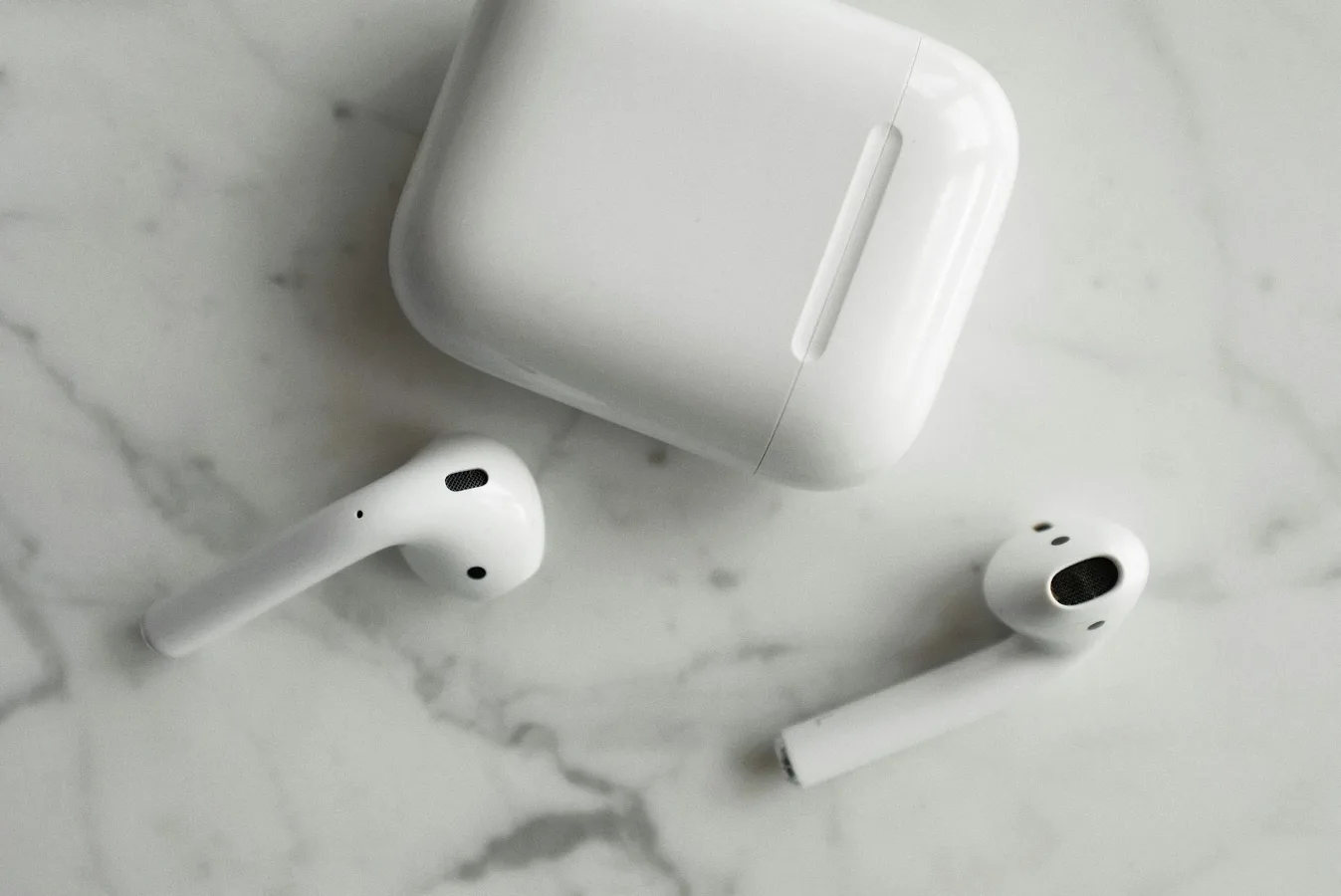
Wireless charging earbuds are true wireless earbuds that can recharge in a compatible case without a cable. For most buyers, the appeal is convenience: you drop the case onto a wireless charging pad, and the earbuds recharge along with it. But the best choice is not just about charging style. Fit, battery life, sound quality, noise cancellation, and case size all matter just as much. true wireless earbuds buying guide offers more detail on this point.
If you are shopping specifically for wireless charging earbuds, the key question is simple: do you want wireless charging because it fits your routine, or because it is the only feature that matters? In practice, it is usually one convenience factor among several. A great pair should still be comfortable, easy to control, reliable on calls, and practical for your daily use. Bluetooth Speaker for TV: A Practical Guide offers more detail on this point. Vintage Bluetooth Speaker Buying Guide offers more detail on this point.
What wireless charging earbuds actually are
Most products described this way are true wireless earbuds that come with a charging case supporting wireless charging, usually through a Qi-compatible pad. The earbuds themselves do not charge directly on a pad; the case does the work. That distinction matters, because it affects how you use them day to day. If the case supports both wireless charging and USB-C, you get more flexibility. If it supports only wireless charging, you may be giving up convenience in other situations, especially while traveling.
For many buyers, the phrase wireless charging earbuds can suggest the earbuds charge without any case at all. That is rarely how the category works. The case is still central to battery life, storage, and portability, so it should be evaluated as part of the package rather than as an accessory.
The factors that matter most
Charging compatibility
The first practical question is whether the case works with the charging method you already use. Qi wireless charging is common, but not universal in behavior. Some cases line up easily on a pad, while others are more finicky about placement. If you already keep a charging pad on your desk or nightstand, wireless charging may feel seamless. If you rarely use one, the feature may not add much value.
Also consider whether the case still includes a wired option. A USB-C port is useful for backup charging, faster top-ups in a pinch, and travel situations where a pad is inconvenient. A case that supports both methods tends to be the most flexible choice.
Battery life and case capacity
Wireless charging is about convenience, but battery life determines how often you actually need to recharge. Look at the whole system: how long the earbuds last on a single charge, how much reserve the case provides, and whether the charging case itself drains quickly. A case with wireless charging is only useful if it still gives you enough total runtime for your routine.
If you commute, work long shifts, or use earbuds for travel, case capacity may matter more than the charging method. A smaller case can be easier to carry but may require more frequent charging. A larger case can add runtime, but it may also take up more pocket space.
Fit and comfort
Comfort is one of the biggest reasons earbuds get returned or ignored after the first week. Even the best charging setup will not compensate for an earbud that slips out, creates pressure, or feels fatiguing after an hour. Look for ear tips in multiple sizes, and pay attention to whether the design is shaped for a secure seal or a more open fit.
The right fit affects more than comfort. It also influences bass response, passive isolation, and how well active noise cancellation works. A poor seal can make otherwise capable earbuds sound thin or less immersive. This is an easy detail to overlook when focusing on battery and charging features.
Sound profile and listening use
Different earbuds emphasize different sound signatures. Some lean toward stronger bass, others toward a more balanced presentation. If you listen to podcasts, calls, and spoken-word content, clarity may matter more than a boosted low end. If you listen to bass-heavy genres, a different tuning may suit you better.
Do not assume wireless charging means premium sound. Charging convenience and audio quality are separate decisions. The safest approach is to choose the sound profile that fits your listening habits first, then narrow down charging features second.
Call quality and microphones
If you use earbuds for meetings or phone calls, microphone performance deserves real attention. Wind handling, background noise reduction, and voice clarity can vary widely between models. In busy environments, some earbuds sound much more natural than others.
People often buy earbuds for music and later discover they spend most of their time on calls. If that sounds familiar, prioritize call quality instead of treating it as a bonus feature.
Controls and everyday convenience
Touch controls, physical buttons, voice assistant access, and app-based customization all change how a pair feels to use. Touch controls can be sleek, but they are not always the easiest to trigger accurately. Physical buttons may feel more dependable for workouts or one-handed use. The best option depends on where and how you wear them.
App support can be useful if you want EQ adjustments, control remapping, or firmware updates. It can also be unnecessary clutter if you want a simple, no-fuss listening experience. A good buyer should decide whether they want customization or simplicity.
Practical benefits of wireless charging
The main benefit is reduced friction. You are less likely to deal with tangled cables or search for the right charger at the end of the day. For desk users, a wireless charging pad can make it easier to keep earbuds topped up between uses. For bedside charging, it can be even more convenient because the case has a fixed home.
Wireless charging can also help if you regularly rotate between multiple devices that already use the same charging standard. In that setup, earbuds become part of a broader charging routine instead of a separate exception.
That said, the convenience is real but modest. Wireless charging is usually slower and less efficient than plugging in a cable. If speed matters more than convenience, wired charging may still be the better everyday choice.
Limitations to keep in mind
Wireless charging earbuds are not automatically better than standard true wireless earbuds. The feature adds convenience, but it can also add cost or complexity. Some cases are bulkier because of the charging hardware. Some are more sensitive to placement on a pad. And some users simply never end up using the wireless option often enough to justify paying extra for it.
There is also a common misconception that wireless charging is more modern, therefore better across the board. In reality, it is just one part of the purchase decision. A well-designed wired-charging case can be more practical for travel, faster for emergency top-ups, and simpler to replace if something goes wrong.
How to choose the right pair
If you want the easiest path to a good decision, start with your main use case.
- For commuting: prioritize a secure fit, decent noise isolation, and a case that fits comfortably in a pocket.
- For office use: focus on call quality, comfort for long sessions, and a wireless charging case that works well on a desk.
- For workouts: look for sweat resistance, stable fit, and controls that are easy to use with movement.
- For travel: choose strong battery life, USB-C backup charging, and a case that is compact but not awkward to handle.
- For casual home use: convenience may matter more, so wireless charging and simple controls can be especially appealing.
Once your use case is clear, compare the trade-offs. A pair with excellent wireless charging convenience may not have the strongest battery life. A very compact case may be easy to carry but less generous with total runtime. A feature-rich app may be useful, but only if you plan to use it.
Common mistakes buyers make
One mistake is choosing based on charging convenience alone. Another is assuming every wireless charging case performs the same way. A third is overlooking the case size, which matters more than many product pages suggest. If you carry earbuds every day, a bulky case can become annoying quickly.
People also sometimes ignore ear tip fit and focus only on technical features. That is a problem because fit affects comfort, sound, and noise isolation all at once. If the seal is poor, the earbuds may never feel worth using, no matter how convenient the charging method is.
Another overlooked issue is charging flexibility. A model that supports wireless charging but lacks a practical wired backup can be less convenient than it first appears. For most shoppers, dual charging support is the safer bet.
Alternatives worth considering
If you are not sure wireless charging is necessary, standard true wireless earbuds with USB-C charging may be the smarter value choice. You still get portability and a compact case, without paying for a feature you may not use often.
On the other hand, if you want more battery life and better isolation, over-ear headphones may fit your needs better than earbuds. They are less pocketable, but they can be more comfortable for long sessions. That makes them a worthwhile alternative for work-from-home users or frequent travelers who do not need the smallest form factor.
For buyers who prioritize simplicity above all else, a basic wired set may still make sense in specific situations. But for most people comparing modern portable audio options, true wireless earbuds with a charging case offer the best mix of convenience and mobility.
A sensible way to narrow the field
If you want wireless charging earbuds that will actually feel worth owning, look for a balance of comfort, battery life, charging flexibility, and dependable controls. Wireless charging should make the earbuds easier to live with, not become the only reason to choose them.
The strongest purchase is usually the one that fits your routine with the fewest compromises. If you charge on a pad already, use earbuds for daily commutes, and want a cleaner desk or nightstand setup, the feature is genuinely useful. If you mostly need long battery life and quick top-ups on the go, a good wired-charging case may be the better practical choice.
Either way, the smartest comparison starts with how you listen, where you charge, and how often you plan to carry the case. That is what separates a convenient pair of earbuds from one that simply looks convenient on paper.
