
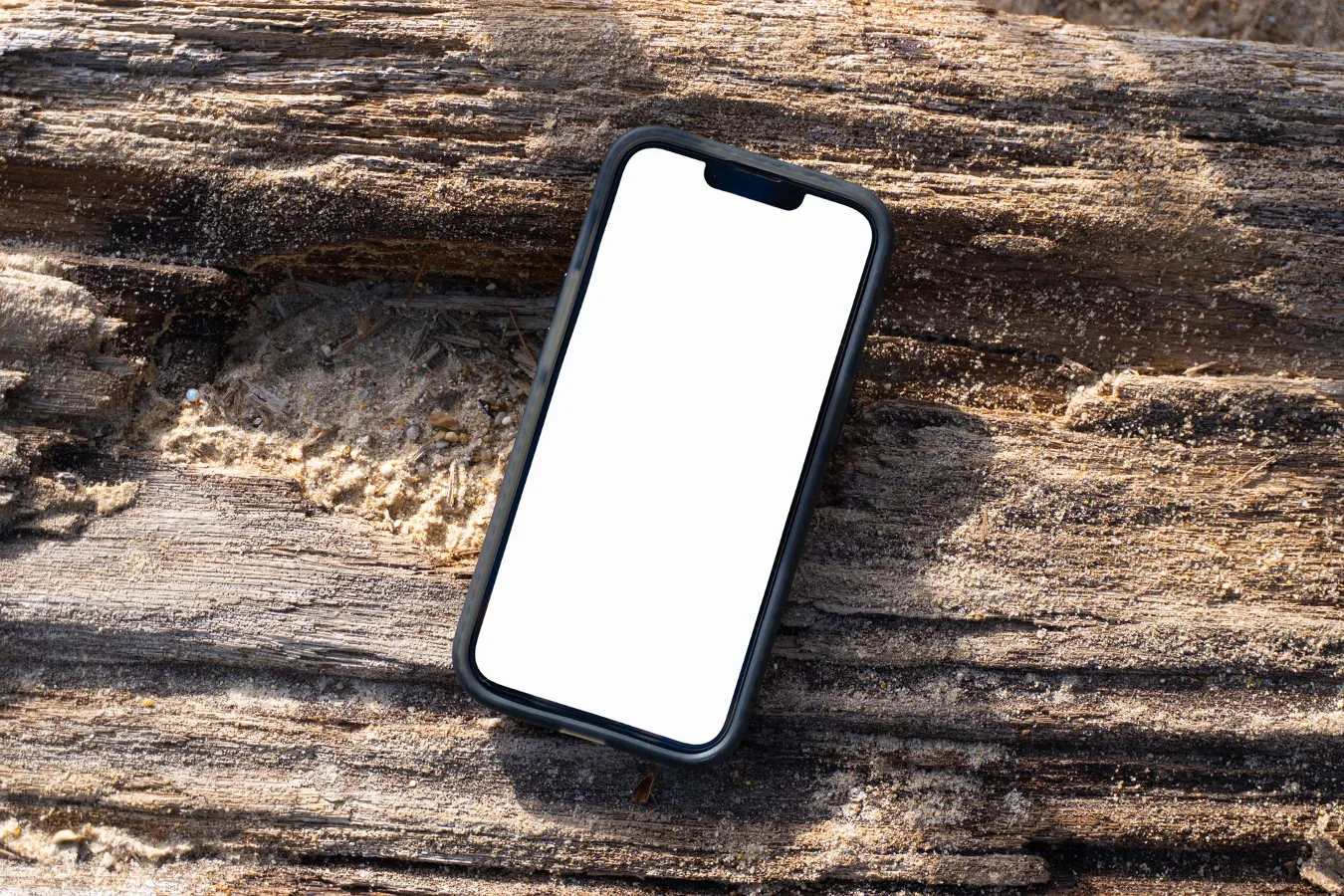
An iPhone 13 Pro Max phone case should do more than cover the phone. The best choice depends on how much protection you need, whether you use MagSafe accessories, how the phone feels in your hand, and how often you put it in pockets, bags, or a car mount. how to choose a MagSafe-compatible case offers more detail on this point. Best Camo Phone Case: How to Choose offers more detail on this point.
Because the iPhone 13 Pro Max is a large, premium phone, the wrong case can make it feel bulky, slippery, or awkward to use. The right one should fit the device cleanly, protect the screen and camera, and support the features you rely on most.
When an iPhone 13 Pro Max case matters most
Not every buyer needs the same type of case. A light shell may be enough if you mostly use the phone at home or keep it in a padded bag. If you commute, travel often, or work in environments where the phone gets handled a lot, stronger protection becomes more useful. Tortoise Shell Phone Case Guide offers more detail on this point.
A case matters most in these situations:
- You drop your phone often or use it one-handed.
- You keep your phone in a pocket with keys, coins, or other items.
- You use MagSafe chargers, mounts, or wallets and want them to stay compatible.
- You prefer a better grip than the bare phone provides.
- You want to reduce wear on the phone’s frame and camera area over time.
A common misconception is that any case labeled “protective” is equally suited to real-world use. In practice, protection depends on the combination of material, raised edges, corner design, and how the case fits the device.
Start with the case style that fits your routine
The right starting point is less about appearance and more about how you use the phone day to day. Different case styles solve different problems, and each one carries trade-offs.
Slim cases
Slim cases are a good fit if you want to preserve the phone’s shape and keep it comfortable in hand or pocket. They usually add modest bulk while offering basic scratch resistance and some minor impact help.
They are best for users who value a clean profile and do not want the phone to feel oversized. The limitation is obvious: slimmer cases usually provide less cushioning if the phone hits a hard surface.
Rugged cases
Rugged cases are designed for more demanding use. They typically use layered construction, reinforced corners, and deeper lip protection around the screen and camera. If your phone is exposed to more accidental knocks, this is often the safer direction.
The trade-off is bulk. Rugged cases can make the iPhone 13 Pro Max feel noticeably larger, especially for smaller hands or frequent pocket carry.
Clear cases
Clear cases appeal to buyers who want to show off the phone’s finish while still adding protection. They can work well for everyday use, especially if you prefer a lighter look.
The overlooked issue is long-term appearance. Some clear cases can show wear, scratches, or discoloration over time, so the finish may not stay pristine forever.
Leather and faux-leather cases
These cases are often chosen for a more refined feel and better hand grip than hard plastic. They can be a comfortable middle ground for office use or everyday carry.
The main consideration is care. Surface wear, scuffs, and texture changes are part of normal use, so they suit buyers who are comfortable with a lived-in look.
Wallet cases
Wallet cases combine phone protection with card storage. They can reduce what you carry, which is convenient for quick errands or minimal setups.
But they also add thickness and can make wireless charging, MagSafe accessories, or quick camera access less convenient depending on the design.
Step-by-step criteria to compare before buying
When shopping for an iPhone 13 Pro Max phone case, compare the factors that affect daily use first. These are the details that usually determine whether a case feels right or becomes annoying after a week.
- Confirm compatibility first. Make sure the case is made specifically for the iPhone 13 Pro Max. The camera layout, size, and button positions must line up correctly.
- Decide how much protection you actually need. If you mainly want scratch resistance, a slim case may be enough. If you want greater reassurance against drops, look for reinforced corners and raised edges.
- Check grip. A slippery case defeats one of the main reasons people buy a case in the first place. Textured sides, soft-touch finishes, and better contouring can improve handling.
- Look at camera and screen lip design. Raised edges help keep glass from contacting flat surfaces when the phone is set down.
- Confirm MagSafe or wireless charging support. If you use magnetic chargers or accessories, the case should not interfere with them. Some thicker designs reduce convenience here.
- Think about pocketability. The iPhone 13 Pro Max is already large. A bulky case can make it harder to carry comfortably.
- Consider button feel and cutout quality. Good cases should not make the power or volume buttons hard to press, and port openings should be clean and usable.
- Weigh long-term maintenance. Some materials show fingerprints, discoloration, or surface wear more quickly than others.
Material choices and what they change
Material affects not only the look of the case but also grip, durability, and upkeep. Many buyers focus on style first, then discover the feel in hand matters more.
| Material | What it usually offers | Main trade-off |
|---|---|---|
| Silicone or soft-touch materials | Better grip, comfortable feel, easier handling | Can attract lint and may show wear over time |
| Hard polycarbonate | Clean shape, slim profile, solid scratch resistance | Can feel slick if the design lacks texture |
| TPU or flexible blends | Good balance of flexibility and everyday protection | May yellow or age differently depending on finish |
| Leather | Refined feel and often good hand comfort | Requires more care and develops surface wear |
| Hybrid construction | Balanced protection with layered impact handling | Often adds more bulk than simple shells |
Material choice is one of the most practical decisions in the buying process. A case that looks premium but feels slippery may be less useful than a simpler option that stays secure in the hand.
Protection details that are easy to overlook
Many shoppers compare only the case shape and finish, but the smaller design details can matter just as much.
Corner reinforcement
Corners absorb a lot of impact during drops. Reinforced corners can improve protection without necessarily turning the whole case into a bulky shell.
Raised camera protection
The iPhone 13 Pro Max camera bump deserves attention. A case with a raised lip around the camera area helps reduce contact when the phone is placed on flat surfaces.
Screen lip
A slight edge around the front can help protect the display when the phone is laid face down. This does not replace a screen protector, but it adds another layer of practical protection.
Button response
A well-designed case should preserve a responsive feel for side buttons. If the buttons feel vague or stiff, the case may be frustrating to use long term.
The real-world constraint here is that more protection usually means more thickness. The goal is not maximum protection at any cost; it is the right amount of protection for how you carry and use the phone.
MagSafe and wireless charging considerations
For many buyers, MagSafe compatibility is a deciding factor. If you use magnetic chargers, mounts, or wallets, the case should work smoothly with those accessories rather than fighting them.
Some cases are built specifically around magnetic alignment, while others may still allow wireless charging but feel less secure with magnetic accessories. If you rely on a car mount or bedside charger, that difference matters.
A practical nuance: thicker cases can sometimes work fine for charging but feel less dependable with accessory attachment. If MagSafe is part of your routine, treat it as a core requirement rather than a nice extra.
Clear cases: useful, but not always low-maintenance
Clear cases are popular because they keep the phone visible, but they are not always the easiest style to maintain. They may pick up fingerprints, fine scratches, and general wear more quickly than opaque finishes.
If you want a clear case, consider whether you care more about appearance on day one or appearance after months of use. That distinction often determines satisfaction more than the brand name does.
Clear cases also tend to vary in how they handle yellowing, rigidity, and grip. A buyer who wants a clean, subtle look may be happy with one; someone who wants low maintenance may prefer a textured or solid-color case.
Common mistakes buyers make
People often end up disappointed for reasons that have little to do with the phone itself.
- Choosing by color alone. A case can look good but still feel slippery or too bulky.
- Ignoring pocket size and hand comfort. The iPhone 13 Pro Max is large, so thickness matters more than many buyers expect.
- Assuming all “rugged” cases are equally protective. Design details matter more than labels.
- Forgetting accessory compatibility. A case that blocks MagSafe usefulness can become annoying fast.
- Skipping grip considerations. A secure hold often matters more than a heavy-looking shell.
- Overlooking camera and screen lips. These details affect day-to-day wear, not just drop scenarios.
A simple checklist for choosing the right case
If you want to narrow your options quickly, use this checklist before buying:
- Does it fit the iPhone 13 Pro Max specifically?
- Does it support the accessories you use, especially MagSafe?
- Is the grip comfortable enough for one-handed use?
- Does it add the right level of protection for your routine?
- Are the screen and camera edges raised enough for everyday placement?
- Will the bulk still work in your pockets, bag, or mount?
- Does the material suit your maintenance preferences?
If the answer to most of those questions is yes, you are probably looking at a case that will remain useful after the novelty wears off.
Best-fit recommendations by use case
Different buyers should prioritize different features. The best iPhone 13 Pro Max phone case for one person may be a poor match for another.
- For everyday minimalists: choose a slim case with good grip and basic raised edges.
- For commuters and travelers: prioritize dependable protection, reinforced corners, and solid accessory compatibility.
- For MagSafe users: make magnetic alignment and charging performance a top requirement.
- For style-focused buyers: consider leather, refined matte finishes, or a clean clear case if maintenance is not a concern.
- For people who drop phones often: a sturdier hybrid or rugged case is usually the safer choice.
- For minimal carry setups: a wallet case can replace a separate card holder, but only if the added thickness works for you.
The best choice is not the most expensive one or the most protective one. It is the case that matches your habits without creating new annoyances.
Final buying takeaway
If you want the simplest way to choose an iPhone 13 Pro Max phone case, start with your biggest priority: grip, protection, MagSafe compatibility, or a slimmer profile. Then narrow the field by material, thickness, and long-term maintenance.
A case is a small purchase that can affect how the phone feels every day. That is why the best buyer decision is usually the one that balances comfort, protection, and accessory support instead of focusing on appearance alone.
