
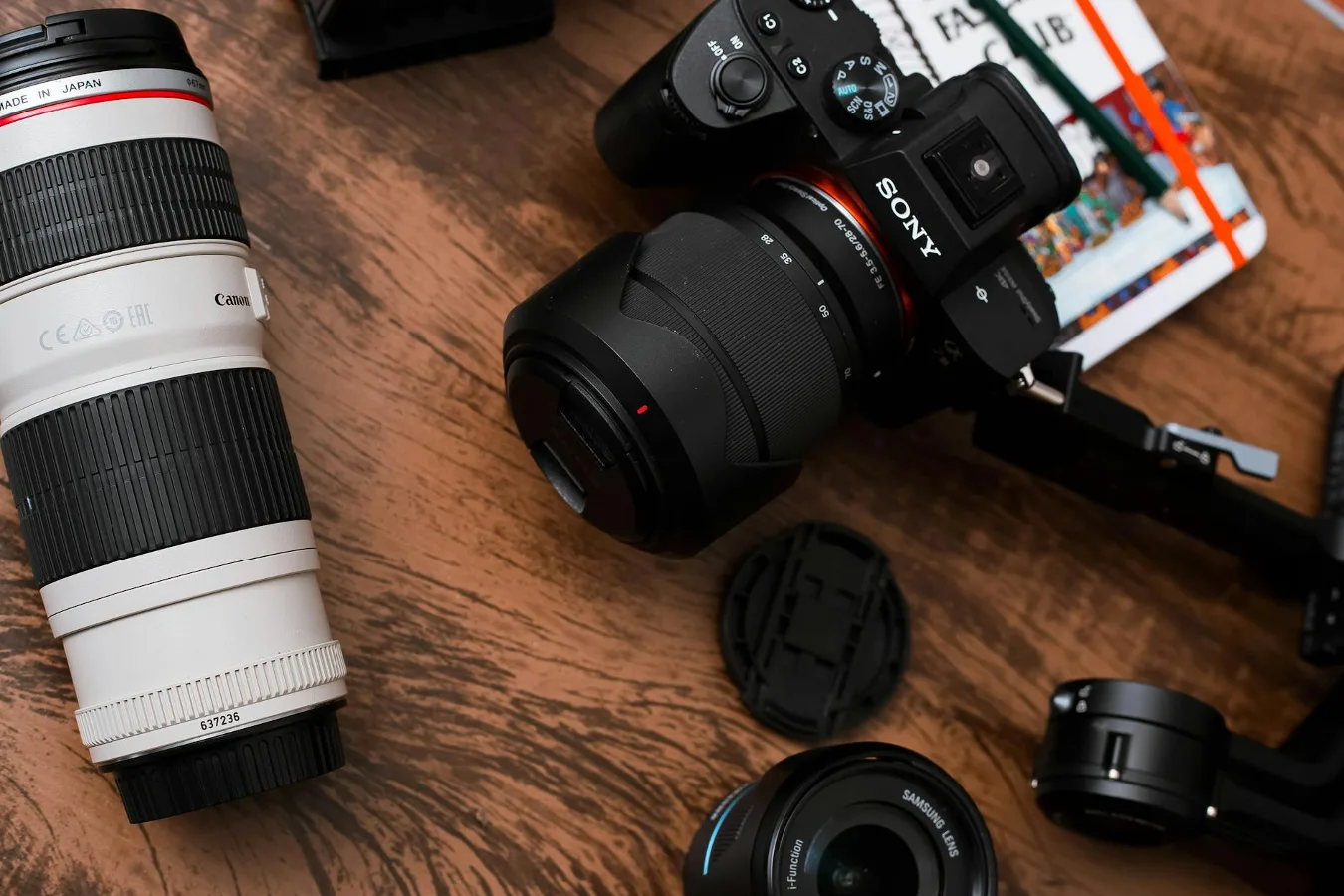
If you are choosing between the Sony A6000 and A5100, the short answer is simple: pick the A6000 if you want the more flexible all-around camera, and pick the A5100 if you want a smaller, simpler body with a flip-up screen and no built-in viewfinder. Both are APS-C mirrorless cameras in Sony’s E-mount system, so they can use the same general lens ecosystem, but they solve different problems. Sony mirrorless camera buying guide offers more detail on this point. Best Fujifilm Mirrorless Camera: Buying Guide offers more detail on this point. what to know before buying a used camera offers more detail on this point.
The A6000 is usually the better choice for photographers who want stronger handling, a more traditional camera layout, and a clearer path as their skills grow. The A5100 makes more sense for casual users who value compact size, easy selfies, and straightforward point-and-shoot-style operation with interchangeable lenses.
When the difference really matters
These two cameras can look close on paper because they come from the same generation and share a similar sensor class. In practice, the buying decision comes down less to raw image quality and more to how you plan to shoot.
The A6000 tends to appeal to people who want a camera they can learn with over time. The built-in electronic viewfinder helps in bright light, the body gives you more direct control, and the extra physical camera presence makes it feel closer to a traditional photography tool. That matters if you expect to use the camera for travel, street photography, family events, or everyday stills where you want faster access to settings.
The A5100 is more compact and less intimidating. If you mainly shoot casually, like carrying a smaller body in a bag, or want a camera that feels less bulky than the A6000, it has a real advantage. The trade-off is that the smaller body removes some of the things serious photographers rely on, especially the viewfinder and more confident handling.
The core trade-off in plain English
- Choose the A6000 if you care about handling, composition through a viewfinder, and a more versatile long-term camera body.
- Choose the A5100 if portability, simplicity, and a smaller grip matter more than direct control.
- Do not choose only by sensor reputation; the body design and usability differences matter more than many shoppers expect.
A common misconception is that these cameras are interchangeable because they are both Sony mirrorless models. They are not. The lens mount may be shared, but the day-to-day experience is different enough that one can feel right and the other awkward depending on the user.
Step-by-step criteria to compare them
1. Decide how you will compose photos
If you prefer looking through a viewfinder, the A6000 has a clear advantage. A built-in electronic viewfinder is especially helpful outdoors, in harsh sunlight, and in situations where arm’s-length screen shooting feels unstable.
If you mainly frame shots from the rear screen, or if you like selfie-style composition, the A5100’s screen design may suit you better. This is a practical difference, not a small feature. Many buyers underestimate how often they will miss a viewfinder once they start using the camera regularly.
2. Consider the kind of control you want
The A6000 gives you a more enthusiast-friendly layout. That usually means faster access to settings, a body that feels easier to balance with larger lenses, and less dependence on menu diving for routine adjustments.
The A5100 is more stripped down. For some users, that is a benefit because there is less to learn at first. For others, it becomes a limitation once they want more control over exposure, focusing behavior, or shooting style.
3. Think about how often you will shoot in motion
If you photograph children, pets, street scenes, or casual action, the A6000 is generally the safer pick because its body design is better suited to quick reactions and more confident handheld shooting. Autofocus performance can matter a lot here, but ergonomics matter too; a camera that is easier to hold steady is often easier to use well.
The A5100 can still handle everyday moving subjects, but its simpler body makes it less comfortable when you want to work quickly for longer periods.
4. Match the camera to your lens plans
Because both cameras use Sony E-mount lenses, the body choice should be tied to your lens strategy. If you plan to stay small, the A5100 can pair well with compact prime lenses. If you expect to use zooms, larger primes, or grow into a more varied kit, the A6000’s handling tends to suit that progression better.
This is one of the most overlooked considerations in the A6000 vs A5100 decision: the camera body is only part of the system. A small body can become awkward with a larger lens, while a slightly larger body can feel much more balanced.
Feature-by-feature comparison that actually helps
| Decision factor | Sony A6000 | Sony A5100 |
|---|---|---|
| Handling | More traditional, better for confident grip and direct control | Smaller, lighter, simpler to carry |
| Composition | Built-in electronic viewfinder | Rear-screen shooting only |
| Portability | Compact, but less minimal | More compact and pocket-friendly in a bag |
| Learning curve | Better for users who want room to grow | Better for users who want simplicity |
| Lens system | Shares Sony E-mount compatibility | Shares Sony E-mount compatibility |
| Best fit | General photography, travel, family, learning manual control | Casual shooting, lightweight carry, screen-first use |
That table hides an important nuance: the better camera is not the one with the most features, but the one that matches your shooting habits. A camera that feels easy in your hand will usually get used more often than one that looks better on a spec sheet.
Who should lean toward the A6000
The A6000 is the stronger choice if you want a camera that works well as a primary stills body. It is a better fit for photographers who care about framing through a viewfinder, want a more conventional mirrorless experience, or expect to build a lens collection over time.
It also makes more sense if you are moving up from a phone or compact camera and want a real step into interchangeable-lens photography without immediately feeling boxed in. The body gives you a better sense of control, and that can make the learning process smoother.
For many buyers, the A6000 also feels like the safer used-camera purchase because its design is more broadly comfortable for different shooting styles. That does not mean every used unit is in great condition, only that the body style has wider appeal.
Who should lean toward the A5100
The A5100 is the better match if you value portability above all else. It is the more discreet option and may be easier to carry for casual outings, family trips, or everyday snapshots where you do not want a larger body hanging around your neck.
It also suits people who are comfortable composing on the rear screen and do not feel a need for a viewfinder. If you mainly take photos in good light, shoot social content casually, or want a light body for a small prime lens, the A5100 can be a sensible choice.
The trade-off is that it asks more of your shooting style. If you discover that you want faster access to settings, better stability in bright light, or a more balanced feel with bigger lenses, the A5100 can start to feel limiting sooner than the A6000.
What buyers often overlook
One of the most common mistakes is focusing only on image quality and ignoring the body experience. The sensor family is only one part of the equation. In real use, the way a camera handles, how you compose, and how easy it is to keep using it for an hour or more can matter just as much.
Another overlooked point is lens balance. A compact body may seem ideal until you mount a lens that makes the setup front-heavy. That is where the A6000’s more substantial grip can be surprisingly valuable.
Battery expectations also matter. Mirrorless cameras generally demand more from batteries than many buyers expect, especially if you lean on the rear screen heavily. If you choose the A5100 and plan to use the screen for everything, you may want to think more carefully about battery management and spare batteries than a first-time buyer might assume.
Practical examples of the right choice
If you want one camera for learning photography
Choose the A6000. It gives you a more complete camera experience without becoming overly complicated. That makes it easier to practice exposure, framing, and lens choice while still staying approachable.
If you want a lightweight camera for trips and casual days
Choose the A5100 if you are comfortable with screen-based shooting and want the smallest possible body in this comparison. It is easier to carry and less visually intrusive.
If you plan to use longer lenses later
Choose the A6000. The extra body presence helps once lenses get larger, and that matters more than people expect when they start moving beyond a basic kit zoom.
If you mainly want simple family snapshots
Either can work, but the A5100 is attractive if you want something compact and easy. The A6000 is better if you want a camera that still feels practical as your needs grow.
A quick checklist before you buy
- Do you want a built-in viewfinder?
- Will you mostly compose on the rear screen?
- Do you expect to use the camera often enough that grip and button layout matter?
- Are you likely to use compact lenses only, or do you want room for larger glass later?
- Do you want a camera that feels more like a beginner-friendly tool or a more complete enthusiast body?
- Are you buying used, and if so, does the body condition and shutter wear look consistent with the seller’s description?
If most of your answers point toward direct control, viewfinder use, and future growth, the A6000 is the safer fit. If they point toward light carry, casual use, and screen-first shooting, the A5100 deserves serious consideration.
Alternatives worth considering
If neither camera feels quite right, the broader Sony E-mount lineup gives you room to adjust your priorities. Some buyers step up to a newer A6000-series body for improved usability, while others decide they actually want a different style of camera entirely, such as a more modern mirrorless model with a touchscreen interface or a more advanced autofocus system.
There is also a practical alternative that many shoppers overlook: a used body from a different generation paired with a better lens. In many cases, a modest body plus a strong lens will be more satisfying than choosing the slightly more feature-rich body and leaving yourself with a weak lens kit.
The simplest decision rule
If you want the more balanced, more flexible, more future-proof option between the two, buy the Sony A6000. If you want the smaller, simpler body and you know you are comfortable shooting from the screen, buy the Sony A5100.
That is the cleanest way to think about this comparison: the A6000 is the better general-purpose camera, while the A5100 is the more minimal one. Neither choice is wrong. The better pick is the one that matches how you actually take photos, not how you imagine you might use the camera someday.
