
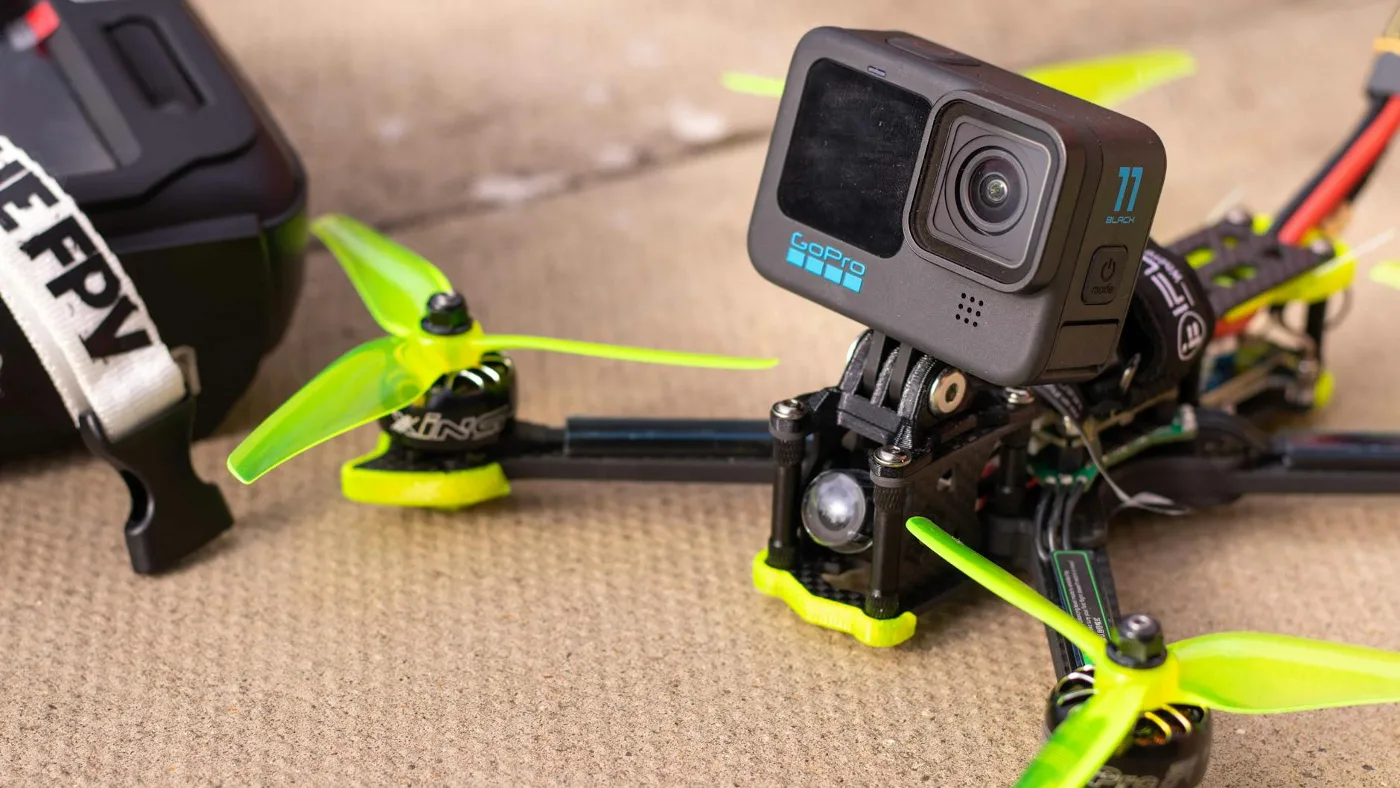
Action camera mounts are the hardware that determines where your camera sits, how securely it stays put, and what kind of footage you can realistically get from it. If you are comparing mounts for biking, travel, motorsports, water sports, or general use, the best choice usually comes down to four things: compatibility, stability, angle control, and how the mount fits the activity. how to choose a camera mount offers more detail on this point. How to Choose an Action Camera Mount offers more detail on this point.
A mount that works well in one situation can be frustrating in another. A helmet mount may give you an immersive point of view, while a chest mount may feel steadier and easier to frame. A suction mount can be convenient on the right surface, but it is not a universal solution. The goal is not to find the “best” action camera mount overall. It is to match the mount to your camera, your activity, and the kind of footage you actually want.
What action camera mounts are really for
At a basic level, action camera mounts solve two problems: holding the camera securely and placing it at the right angle. That sounds simple, but the real value is in how much control the mount gives you over the shot.
Some mounts are built for first-person footage. Others are better for a wider perspective that shows your body, hands, or equipment. Some prioritize fast setup. Others focus on a low profile or stronger grip in rough conditions. Once you see mounts as tools for specific filming situations rather than generic accessories, choosing becomes much easier.
The key factors that matter most
Compatibility with your camera
The first check is whether the mount fits your camera model or its mounting system. Many action cameras use a similar two-prong style interface, but not every brand or accessory ecosystem works the same way. Adapters may be needed, especially if you are mixing older accessories with a newer camera body.
Compatibility also includes the camera’s size, weight, and any protective case you plan to use. A mount that seems sturdy on paper may become awkward once a larger enclosure is attached. If your camera includes built-in mounting fingers, that can simplify the setup. If not, you may need a frame, adapter, or dedicated plate.
Stability and movement control
Stability is about more than whether the camera falls off. A mount can be secure and still produce shaky, unusable footage if it flexes too much, vibrates on rough surfaces, or shifts during movement.
For high-vibration activities like cycling, off-road riding, or motorsports, look for mounts that sit tightly against the surface and reduce unwanted play. For walking or casual handheld setups, stability may matter less than comfort and adjustability. In some cases, a mount with a little flexibility is useful because it absorbs minor bumps without changing position constantly.
Viewing angle and framing
Mount choice strongly affects composition. A chest mount usually captures a lower, more centered view of what you are doing, while a helmet mount follows your head movement more directly. A handlebar mount gives a fixed perspective that can feel clean and predictable, but it may not show your body position or facial reactions.
Think about what you want the viewer to see. If you want immersive point-of-view footage, head or helmet placement can make sense. If you want to show equipment, terrain, or hand control, a chest or bar-mounted position may be better. If you need a more cinematic angle, an adjustable arm or tripod-style setup may give you better framing control.
Mounting surface and environment
The environment matters as much as the camera. Smooth glass, painted metal, textured plastics, fabric straps, curved helmets, bicycle frames, dashboards, and wet surfaces all behave differently. A suction cup mount can be useful on a clean, smooth surface, but it is not the right answer for every vehicle or weather condition. Adhesive mounts can be very convenient, but surface prep matters and removal can be less forgiving.
Water, dust, heat, cold, and repeated vibration all affect how well a mount holds up over time. If your use case involves outdoor sports or variable weather, choose materials and attachment methods that make sense for that environment instead of picking the most flexible-looking option.
Ease of adjustment
A mount that is hard to aim often leads to bad footage. Small adjustments matter because action cameras typically have wide lenses, and a slight change in tilt can completely alter the shot. Look for mounts that make it easy to reposition the camera without rebuilding the whole setup. action camera setup basics offers more detail on this point.
This matters especially if you switch between activities. A mount with a quick-release system, ball joint, or simple tilt adjustment can save time. Just remember that more adjustment points can also introduce more places where the setup may loosen if the hardware is not tightened correctly.
Common action camera mount types and what they suit best
Helmet mounts
Helmet mounts are popular for immersive, point-of-view footage. They track your line of sight well, which makes them useful for skiing, riding, climbing, and other activities where head direction closely matches what you want to capture.
They are not perfect for every situation. Head movement can make footage more active than some viewers prefer, and certain helmets have limited flat surfaces for secure attachment. You should also consider comfort, airflow, and whether the mount affects helmet fit or balance.
Chest mounts
Chest mounts are often chosen for a steadier view of the action. Because the camera sits lower and closer to the center of your body, the footage can feel more controlled than a helmet-mounted angle. Many users like chest mounts for biking, skiing, fishing, and hands-on activities where the camera should show equipment and movement.
The main trade-off is that the angle is less dynamic than a head-mounted view. A chest mount may also miss some of what you are looking at directly. For some activities, that is an advantage; for others, it is a limitation.
Handlebar and frame mounts
These mounts are useful when you want the camera attached to a bike, scooter, or similar equipment. The shot stays fixed relative to the vehicle, which can create a clean, stable perspective when the mount is secure and the terrain is manageable.
The limitation is vibration and impact. Rough terrain can create more shake than users expect, so mount placement and tightening matter. A mount clamped too loosely will shift, and a mount attached to a flexing surface may transmit more movement than intended.
Adhesive mounts
Adhesive mounts are convenient when you need a low-profile setup on a smooth, suitable surface. They are commonly used on helmets, vehicles, surfboards in some setups, and other gear where drilling or clamping is not practical.
The practical nuance here is surface preparation. Clean, dry, properly cured adhesive bonds matter a lot. The common mistake is assuming an adhesive mount is ready for immediate heavy use just because it sticks at first. Weather, texture, and heat can all affect reliability.
Suction cup mounts
Suction cup mounts are valued for flexibility and repositioning. They can be useful on smooth, nonporous surfaces and are often chosen when a temporary camera position is needed.
The limitation is that suction depends on surface quality and careful setup. If the surface is uneven, dirty, or not suited to suction, the mount is not a good choice. For that reason, many people reserve suction mounts for controlled environments rather than relying on them for every type of filming.
Tripod-style and grip mounts
These are useful for tabletop shooting, travel, self-recording, and light content creation. They are less specialized than sport-specific mounts, which makes them handy if you want one accessory that can adapt to multiple situations.
The trade-off is that they may not be ideal for high-impact activity. They are better for controlled environments, behind-the-scenes shots, and general versatility than for aggressive movement.
How to choose the right mount for your use case
The fastest way to narrow your options is to start with the activity, then work backward to the mount type.
- For cycling: consider helmet, chest, and handlebar mounts depending on whether you want a rider’s view, a body-centered angle, or a fixed bike perspective.
- For motorsports: look closely at secure attachment, surface suitability, and vibration control.
- For skiing or snowboarding: glove-friendly adjustments, cold-weather reliability, and visibility matter.
- For travel and casual filming: compact grip mounts and tripod-style options may be more practical than sport-specific gear.
- For water use: choose hardware and attachment methods that are appropriate for wet conditions and easy to manage while wearing gloves or moving quickly.
If you are unsure, pick the mount that best matches your most common scenario, not the one that sounds most versatile. Many buyers try to force one accessory to cover every use case, then end up with a setup that is mediocre across all of them.
Practical trade-offs to expect
Every mount choice involves trade-offs. A secure mount may be bulkier. A low-profile option may be less adjustable. A flexible mount may be easier to use but less rigid under stress. A specialized sport mount may perform well in one environment but feel restrictive elsewhere.
Another overlooked consideration is the interaction between the mount and the camera’s own features. Wider lenses, image stabilization, and horizon leveling can all change how a mounted shot looks. A mount that seemed fine in theory may not deliver the framing you wanted once stabilization crops into the image or the angle shifts during motion.
That is why it helps to think in terms of the final footage, not just the hardware. The best mount is the one that gives you the shot you want with the least amount of compromise.
Common mistakes to avoid
- Choosing by price alone: the cheapest option can cost more later if it fails to hold the camera securely or is awkward to use.
- Ignoring compatibility: not every camera body, case, or adapter fits every mount cleanly.
- Overlooking surface prep: adhesive and suction mounts need the right conditions to work properly.
- Forgetting about vibration: a mount can feel solid in your hand and still produce poor results in motion.
- Buying for every scenario at once: one mount rarely does everything equally well.
- Not testing the angle before committing: a small alignment issue can ruin the framing of an entire shoot.
Practical setup tips
Before you rely on a mount for a trip or event, do a short test run. Check how the camera sits, whether the view is blocked, and whether the mount shifts when the activity starts. A quick test can reveal more than a product description ever will.
Keep an eye on the small details too. Straps should be comfortable and snug without pinching. Clamps should be tightened according to the accessory design. Adhesive surfaces should be clean and fully prepared. If the mount uses multiple pieces, make sure all connectors are seated properly before use.
It also helps to carry a backup plan. A spare adhesive pad, adapter, or alternate mounting location can save a shoot if your first choice does not work as expected.
When a different accessory may be the better choice
Sometimes the best answer is not a traditional mount at all. A handheld grip may be better if you want flexible framing and you are not in a high-impact environment. A tripod can be more useful for talking-head clips, static scenes, or travel shots. A clamp-style accessory may solve a mounting problem that a helmet or chest mount cannot.
If your needs change often, a modular setup may be more useful than a single dedicated mount. That lets you pair adapters, extension arms, and quick-release pieces in ways that fit different jobs without buying a separate rig for everything.
FAQs about action camera mounts
Which action camera mount is best for beginners?
For many beginners, a chest mount or a simple tripod-style grip is easier to manage than more specialized options. The best choice depends on whether you want a moving point-of-view shot or a more controlled setup.
Are adhesive mounts safe for long-term use?
They can be, if they are matched to the right surface and installed carefully. The key variables are surface cleanliness, environmental conditions, and whether the mount is being used within its intended limits.
Do I need a different mount for each activity?
Not always, but activity-specific mounts usually work better than trying to make one accessory do everything. A small set of mounts often gives better results than a single universal option.
Why does my footage still look shaky with a secure mount?
A secure mount prevents slipping, but it does not eliminate vibration or motion transfer. The camera position, surface flex, and activity type all influence how stable the footage looks.
What should I check before buying an action camera mount?
Start with camera compatibility, then look at the activity, the mounting surface, and the type of footage you want. Comfort, adjustability, and weather resistance matter too if you will use the mount often.
Choosing the right mount with fewer regrets
The best action camera mounts are the ones that fit your camera and your use case without adding unnecessary hassle. Focus on compatibility first, then weigh stability, angle control, and how the mount behaves in the conditions where you actually shoot.
If you are comparing several options, the most useful question is simple: what kind of footage do you want, and what environment will the mount face? Answer that clearly, and the right choice becomes much easier to spot. For most buyers, the smartest setup is not the most elaborate one. It is the one that stays secure, frames well, and makes filming feel effortless enough that you actually use it.
