
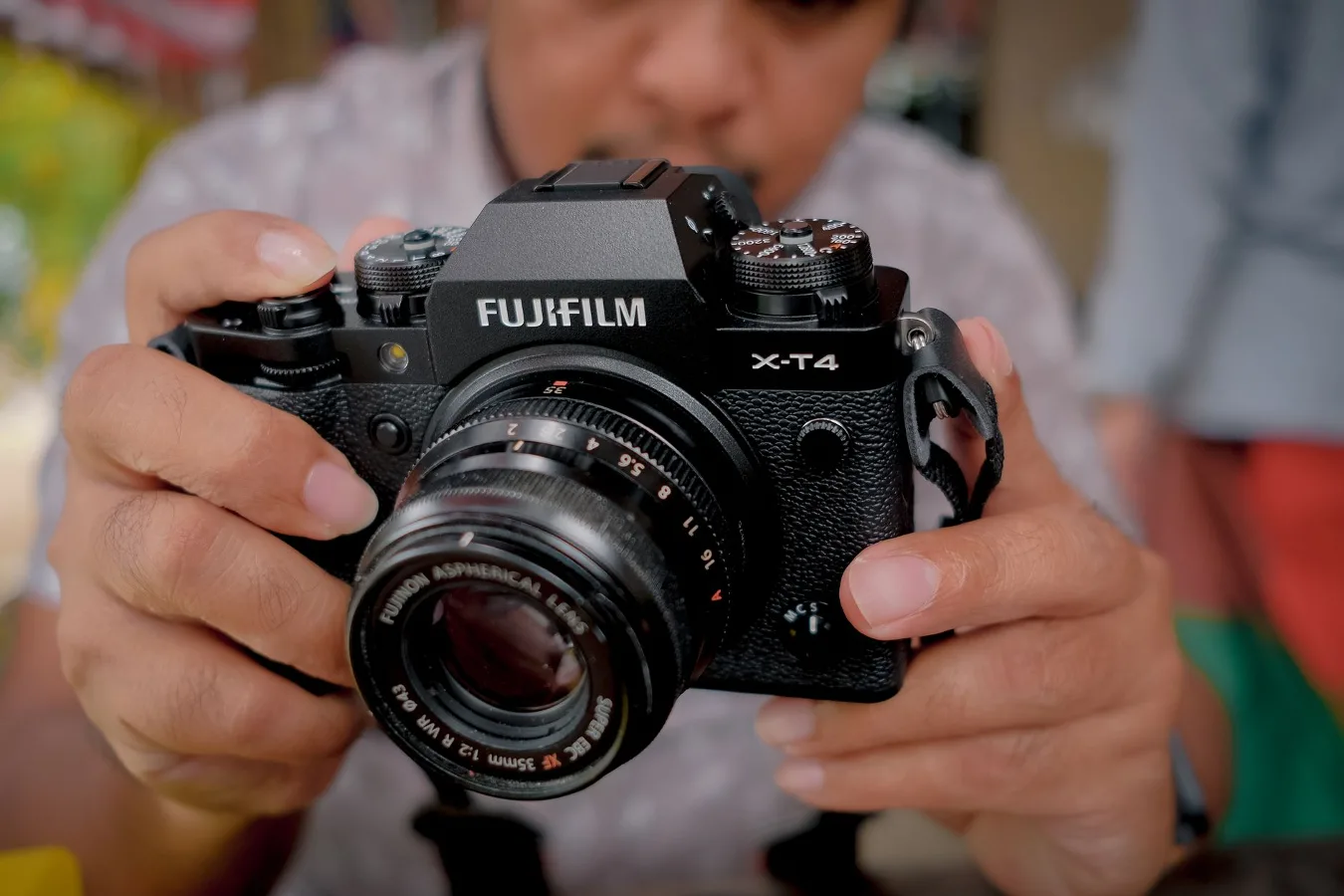
The short answer: which Fujifilm mirrorless camera fits best?
The best Fujifilm mirrorless camera depends on what you value most. If you want a balanced all-around body, look at Fujifilm’s X-series models that combine strong stills performance, reliable autofocus, and access to the X-mount lens system. If you want a compact travel camera, a smaller body with a pancake or lightweight zoom lens may matter more than high-end controls. If you shoot video, the right choice shifts toward better stabilization, more robust recording options, and easier handling for longer clips. camera autofocus basics offers more detail on this point.
For most buyers, the smartest approach is not to chase the newest model. Instead, match the camera to your shooting style: beginners usually benefit from simple controls and good JPEG output, enthusiasts often want a more tactile body and greater customization, and hybrid creators should prioritize video features and ergonomics alongside image quality.
What matters most in a Fujifilm mirrorless camera
Fujifilm cameras are popular because they offer a distinct shooting experience: physical dials, strong color rendering, and a lens ecosystem built around the X-mount. But the best model for one person can be the wrong fit for another. Before comparing bodies, focus on the features that actually affect your day-to-day use.
Sensor size and image character
Most Fujifilm mirrorless cameras use an APS-C sensor. That matters because APS-C keeps the system relatively compact while still delivering excellent image quality for everyday photography, travel, portraits, and content creation. The practical trade-off is that you are buying into a smaller system than full-frame, which may influence low-light expectations, depth of field, and lens selection. For many users, though, the size and price balance is the bigger advantage. rangefinder style mirrorless cameras offers more detail on this point. APS-C vs full-frame cameras offers more detail on this point.
Autofocus and subject tracking
Autofocus is one of the most important factors if you photograph people, pets, events, or moving subjects. A camera can have a beautiful sensor and still feel frustrating if it misses focus often. Fujifilm’s newer bodies generally offer stronger subject detection and better tracking than older models, but performance can vary by generation and price tier. If autofocus reliability matters to you, avoid choosing solely on design or retro styling.
Controls and handling
One reason people choose Fujifilm is the tactile control layout. Manual dials can make exposure feel intuitive, especially for photographers who like to learn the basics properly. That said, not everyone enjoys that approach. Some users prefer deeper grip, a more modern mode-dial layout, or a body that feels easier to use with larger lenses. Handling becomes especially important if you plan to carry the camera all day or shoot one-handed.
Video features
If you want one camera for both photos and video, check more than resolution. Look at recording limits, stabilization, heat management, microphone input options, screen articulation, and how easy the camera is to use while recording. A camera with attractive stills performance may still be a poor choice for video if the interface is awkward or the body lacks the tools you need for monitoring sound and framing.
Lens ecosystem
The body is only half the story. The X-mount lens lineup strongly shapes the long-term value of a Fujifilm system. A compact body paired with a large lens can lose its portability advantage quickly, while the right lens can make even a modest camera feel much more capable. This is one of the most overlooked considerations for first-time buyers: the best Fujifilm mirrorless camera is often the one that works with the lens you can actually afford and carry.
Step-by-step: how to choose the right Fujifilm model
Instead of comparing every camera spec line by line, use a practical sequence. This keeps the decision grounded in real use rather than spec-sheet shopping.
- Start with your main subject. Are you shooting family, travel, portraits, street scenes, products, or video? The subject determines how much you need from autofocus, stabilization, and lens choice.
- Decide how much size matters. If portability is a priority, favor a smaller body and compact prime lens. If you use larger zooms, grip and balance matter more than overall footprint.
- Choose your control style. If you enjoy direct shutter, ISO, and exposure compensation dials, Fujifilm’s classic layout may suit you well. If you want speed and simplicity, look for a body that feels easy in automatic and semi-automatic modes.
- Check video requirements. If you only clip occasional family moments, a basic hybrid camera may be enough. If you plan to create content regularly, prioritize better video ergonomics and the inputs you need.
- Compare lens costs, not only body prices. Some systems feel affordable until you add the lens you actually want. A lower-cost body can become expensive if the lens lineup pushes you toward options that exceed your budget.
- Think about upgrade path. If you may later want better glass, a second body, or a more specialized setup, choose a camera that fits the direction you are likely to grow into.
Common Fujifilm buying scenarios
Different photographers tend to need different strengths. These examples can help narrow the field without forcing one camera to do everything.
For beginners who want good results quickly
A beginner-friendly Fujifilm camera should be easy to understand, forgiving in auto modes, and comfortable to hold. Strong JPEG color and simple controls help new users start shooting with less friction. A common mistake is buying a body that looks charming but feels confusing in daily use. If you are still learning aperture, shutter speed, and ISO, the best camera is often the one that makes those settings easier to grasp.
For travel and everyday carry
Travel buyers usually care about weight, battery planning, and lens compactness as much as image quality. A smaller X-series body paired with a lightweight prime can be a far better travel companion than a heavier kit with features you rarely use. The practical trade-off is that very small bodies can feel cramped with larger hands or longer lenses, so comfort still matters.
For portraits and people photography
Portrait shooters often value pleasant color, good eye detection, and lenses that render backgrounds attractively. Fujifilm is well suited to this style, but the lens choice may matter even more than the body. A portrait setup should feel comfortable to hold and quick enough to keep up with real interaction. If your subjects move a lot, autofocus reliability becomes just as important as image rendering.
For video and hybrid creators
If video is a meaningful part of your work, focus on usability over headline specs. A camera that overheats less easily, handles longer recording sessions more gracefully, and offers the right audio and monitoring tools will be more useful than one that simply lists impressive resolution. Also consider how the camera feels on a tripod or gimbal. Good video tools are only helpful if the body is practical in the way you shoot.
Fujifilm strengths worth paying attention to
Fujifilm has a few traits that consistently shape buyer interest. These are not just marketing talking points; they influence how the camera feels to use.
- Film simulations: Many users appreciate the ready-to-share look of Fujifilm JPEG color profiles, especially for casual photography and social content.
- Physical dials: Exposure control can feel more deliberate and educational than menu-driven systems.
- X-mount lens range: The ecosystem covers compact primes, standard zooms, portrait lenses, and more specialized options.
- Compact APS-C bodies: Many Fujifilm cameras stay relatively portable without sacrificing versatility.
- Strong stills-first identity: These cameras often appeal to photographers who want a satisfying still-image experience first, with video as a secondary priority.
Those strengths are real, but they come with limits. Not every Fujifilm body is equally advanced for autofocus or video, and not every user enjoys the retro control style. That is why model selection matters so much.
Where buyers often go wrong
Several mistakes come up again and again when people shop for the best Fujifilm mirrorless camera.
- Choosing by appearance alone. Fujifilm bodies are attractive, but styling should not outrank handling or feature fit.
- Ignoring lens size. A compact camera can feel front-heavy or awkward once you mount the wrong lens.
- Overestimating the need for the newest model. Newer can be better, but not always by enough to justify the extra cost for your use case.
- Underestimating video needs. Hybrid creators often realize too late that a stills-focused body does not match their workflow.
- Forgetting ergonomics. Small bodies are portable, but they are not ideal for everyone, especially with larger hands.
A useful mindset is to treat the camera as a system. Body, lens, grip, battery routine, and storage workflow all affect the experience.
A practical checklist before you buy
Use this quick checklist to narrow your choice without getting lost in model numbers.
- Does the camera fit your main subject: travel, portraits, street, family, or video?
- Do you prefer a compact body or a deeper grip?
- Will you mostly shoot stills, video, or both?
- Are you comfortable with Fujifilm’s manual control style?
- Which lenses are available within your budget?
- Do you need strong autofocus for moving subjects?
- Will the camera still feel convenient after you add a lens and accessories?
- Does the learning curve match your experience level?
If you can answer those questions honestly, the shortlist usually becomes much smaller. That is a good sign.
Best Fujifilm mirrorless camera: how to think about the final choice
There is no single best Fujifilm mirrorless camera for every buyer. The right choice is the one that matches your most common shooting situation, not the one with the most impressive feature list. For some people, that means a compact body for everyday carry. For others, it means a better grip, more reliable autofocus, or stronger video support. For many photographers, the best value comes from choosing a well-balanced body and putting the savings into a lens that suits the subject you shoot most.
If you are deciding between two models, compare them on the factors that will affect your experience every week: handling, autofocus, lens compatibility, and whether the camera still feels right once it is in a bag. That approach will usually lead to a better long-term purchase than chasing the newest release or the most appealing design.
FAQ
Is Fujifilm a good choice for beginners?
Yes, especially if you want a camera that encourages learning through physical controls and produces attractive JPEGs. The main challenge is that the interface may feel more manual than some beginner-oriented systems.
Are Fujifilm mirrorless cameras good for video?
Some are, but video performance varies by model. If video is important, look closely at stabilization, heat handling, audio input options, and screen flexibility instead of assuming every Fujifilm body is equally suited to filming.
What is the biggest advantage of Fujifilm cameras?
For many buyers, it is the combination of compact APS-C bodies, strong lens options, and a shooting experience that feels more hands-on than many rivals. The film simulations are also a major draw for people who want appealing JPEGs.
Should I buy the camera body first or the lens first?
For most users, the body and lens should be planned together. A good lens often changes the image quality and shooting experience more than moving up one body tier.
Which Fujifilm camera is best for travel?
The best travel choice is usually a compact body with a small prime or lightweight zoom. Portability, comfort, and lens size matter more than chasing the most advanced feature set.
