
A 1000W portable power station is a practical middle-ground option for people who want quiet, rechargeable backup power without moving to a full home battery system or a gas generator. The watt rating matters because it tells you how much power the unit can deliver at one time, which helps you judge whether it can run a coffee maker, a fan, a laptop setup, a TV, a router, or other small appliances and electronics. Portable Power Station for E-Bike Buyers offers more detail on this point.
The catch is that 1000W does not tell the whole story. A power station’s usefulness also depends on battery capacity, outlet types, surge handling, recharge speed, weight, and whether it supports solar input. If you are shopping for one, the best choice is usually the model that matches your real use case rather than the highest number on the spec sheet.
Quick answer: what a 1000W portable power station is good for
A 1000W portable power station is best for moderate loads and short-to-medium backup needs. It is usually a strong fit for mobile workstations, camping, tailgating, road trips, apartment emergency kits, and keeping core electronics running during an outage. best portable power stations for backup use offers more detail on this point.
For many buyers, the key question is not simply whether it has 1000W of output, but whether it can handle the devices you plan to use at the same time. That means looking at the combined wattage of your gear, whether any appliance has a startup surge, and how long you expect the station to last between charges.
As a rule of thumb, this class of power station is often more useful for laptops, monitors, routers, lights, portable fans, cameras, CPAP devices, and small kitchen appliances than for high-draw heating tools or large appliances. It can be a smart alternative to a generator when noise, fumes, and storage simplicity matter more than long runtime.
How to compare 1000W power stations
Two products can both be labeled 1000W and still perform very differently in day-to-day use. The following comparison points matter more than the headline watt number.
1. Battery capacity
Wattage describes output. Capacity describes how much energy the battery stores. A 1000W rating does not tell you how long the station will run your gear. A higher-capacity unit can power the same device for longer, even if the output rating is identical.
This is the most common misconception with portable power stations. Buyers often focus on whether the station can deliver 1000W, then discover that runtime is the limiting factor. If you plan to power only small electronics, capacity may matter more than peak output.
2. Surge or peak output
Some devices need extra power for a brief moment when they start. That startup demand is called surge power or peak output. If you want to run anything with a motor or compressor, such as certain fans, pumps, or compact appliances, surge handling can matter as much as the rated wattage.
Look for clear manufacturer guidance on continuous output and peak output rather than assuming the 1000W label covers every situation.
3. Outlet mix and port layout
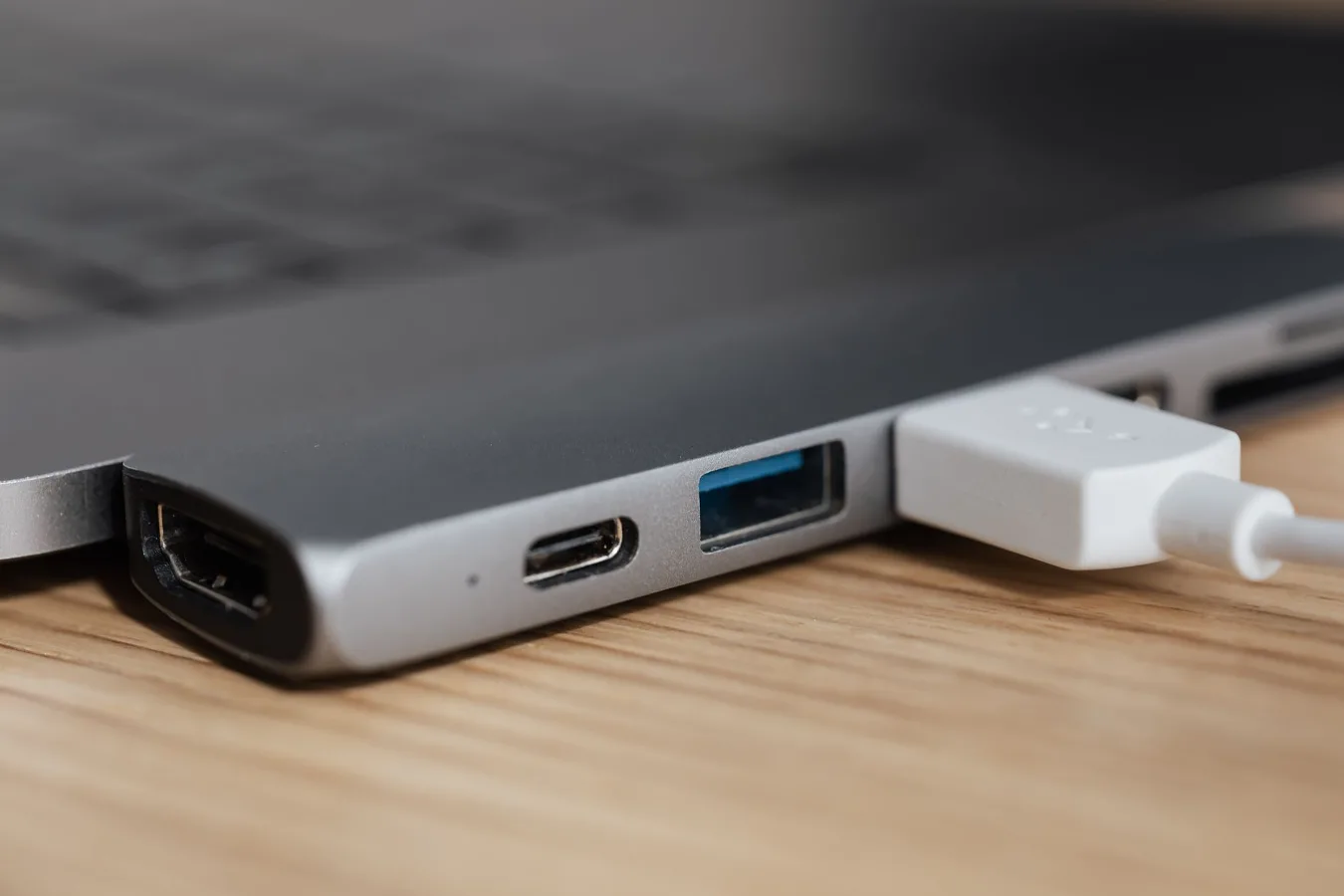
The best 1000W portable power station for one person may be wrong for another simply because of the ports. Consider how many AC outlets, USB-A ports, USB-C ports, and DC outputs you need. Some setups are better served by a stronger AC section; others rely mostly on USB-C for phones, tablets, and laptops.
Port placement matters too. If plugs crowd each other or block adjacent outlets, a unit that looks flexible on paper can become annoying in real use.
4. Recharge speed and input options
Recharge time can shape whether a power station feels ready for emergencies or merely useful for occasional outings. Many buyers overlook this and focus only on output. A unit that recharges quickly from wall power, car power, or solar input is usually more practical than one that is slow but technically capable.
If you plan to rely on solar, make sure the model supports the panel setup you actually want to use. Compatibility between panel voltage, connector type, and the station’s charge controller is essential.
5. Weight and portability
A 1000W portable power station is often still heavy enough that portability deserves real attention. If you will carry it from a car to a campsite, move it around an apartment, or store it on a shelf, weight and handle design matter.
There is a trade-off here: larger battery capacity often means better runtime but less convenience. The right balance depends on whether you value mobility more than backup duration.
6. Battery chemistry and cycle life
Many shoppers compare battery chemistry only in broad terms, but it can influence long-term value and storage habits. Different chemistries have different trade-offs in longevity, weight, cost, and temperature tolerance. Rather than choosing by chemistry alone, think about how often you will use the unit and how long you want it to remain useful.
If the power station will sit unused most of the year for emergency readiness, ease of storage and battery maintenance become more important than flashy output claims.
7. Noise and indoor suitability
One of the main advantages of a portable power station over a gas generator is quiet operation. That makes it more suitable for indoor use, apartments, shared spaces, and nighttime backup. Still, not every unit is equally silent in practice, especially while charging or under heavier loads if cooling fans kick on.
If noise sensitivity is a priority, read product details carefully and pay attention to fan behavior, not just the absence of exhaust.
What a 1000W portable power station can realistically power
This category is often best for electronics and modest appliances. Typical use cases include:
- Phones, tablets, and e-readers
- Laptops and compact desktop setups
- Wi-Fi routers and modems
- LED lighting
- Portable fans
- Small CPAP setups, where compatible
- Camera gear and drone batteries
- Small kitchen appliances with manageable power draw
What it may not be ideal for includes high-wattage heating devices, large refrigerators for long runtimes, space heaters, hair dryers, and other appliances with heavy continuous draw. Even if a 1000W unit can start certain devices, the battery may drain too quickly to make the setup worthwhile.
A useful way to think about this category is as a power management tool rather than an all-purpose replacement for wall power. It keeps essential things running, but it does not eliminate the need to prioritize loads.
Best use cases for U.S. buyers
For the U.S. market, a 1000W portable power station fits several common scenarios well.
Emergency home backup
During short outages, it can keep communication and lighting online. That includes a phone, router, laptop, and a few lights, which may be enough to preserve comfort and connectivity while you wait for utility service to return.
Camping and overlanding
Campers often value a quiet station that can run small electronics without fuel storage or engine noise. For this use, port mix and recharge options often matter more than raw wattage.
Apartment and condo living
People without space for a generator may prefer a compact unit for backup power, especially where open-flame fuel storage or engine noise is impractical.
Mobile work and content creation
Remote workers, photographers, and creators may use one to keep a laptop, monitor, lights, and accessories powered in places where outlets are limited.
Common mistakes to avoid
Buying by watt rating alone
Wattage is only one part of the story. Capacity, surge rating, and outlet type can matter more depending on your devices. A 1000W label does not guarantee good runtime or broad compatibility.
Ignoring startup surge
Some appliances draw more power when starting than when running. If you skip this detail, you may end up with a station that technically meets the continuous watt requirement but still fails in practice.
Assuming all USB-C ports are equal
USB-C implementation varies. If you plan to charge a laptop over USB-C, check whether the port supports the power delivery level your device expects. Not every USB-C port is suitable for every laptop.
Overestimating whole-house backup capability
A 1000W portable power station is not a substitute for a full home backup system. It is more accurate to treat it as a targeted backup tool for select devices.
Forgetting recharge planning
If the unit takes too long to refill, its usefulness during repeated outages or multi-day trips drops quickly. A power station that cannot be recharged efficiently may leave you rationing power more than using it.
Overlooking storage and maintenance needs
Even though these units are simpler than fuel-based generators, they still need sensible storage. Read the storage instructions, keep it in a suitable temperature range, and check charge levels periodically if it will sit unused for long periods.
When a 1000W portable power station is the right choice
This category makes sense if you want a balance of portability, quiet operation, and enough output for everyday electronics and light appliances. It is especially compelling if you need a backup device that can live in a closet, ride in a trunk, or move between home and travel use without much hassle.
It is also a good fit if you prefer rechargeable power over fuel storage, or if you want a unit that can be paired with solar panels for more flexible off-grid charging.
If your priority is running a refrigerator for extended periods, powering heat-producing appliances, or supporting a large home setup, you may need a higher-capacity system. In that case, a 1000W model might still serve as a secondary backup, but not as your main power source.
Practical alternatives to consider
If you are not sure a 1000W unit is the best match, the main alternatives are straightforward.
- Smaller portable power stations if you only need to charge phones, tablets, and a laptop occasionally.
- Larger-capacity power stations if runtime matters more than portability.
- Gas generators if you need longer backup time and higher output, and can handle noise, fuel, and outdoor-only use.
- Home battery systems if you want seamless backup for more circuits and are planning a more permanent installation.
The right choice depends on whether your main concern is convenience, runtime, portability, or overall backup depth.
FAQ
What can a 1000W portable power station run?
It can usually run or charge phones, laptops, lights, routers, fans, and other modest electronics. Some small appliances may also work, but runtime and surge demand matter.
Is 1000W enough for home backup?
It can be enough for essential electronics and short outages, but not for powering an entire home. Think of it as selective backup, not whole-home coverage.
Can I use solar panels with a 1000W portable power station?
Many models support solar input, but compatibility depends on the station’s input limits, connector type, and the panel setup. Always check those details before buying. solar generator buying guide offers more detail on this point.
Is a 1000W portable power station better than a generator?
It depends on the use case. A power station is quieter, cleaner, and easier to store. A generator usually offers longer runtime and higher output, but with more noise and maintenance.
What should I check before buying one?
Focus on battery capacity, continuous and surge output, port selection, recharge speed, solar compatibility, weight, and how well the unit matches the devices you actually plan to power.
