
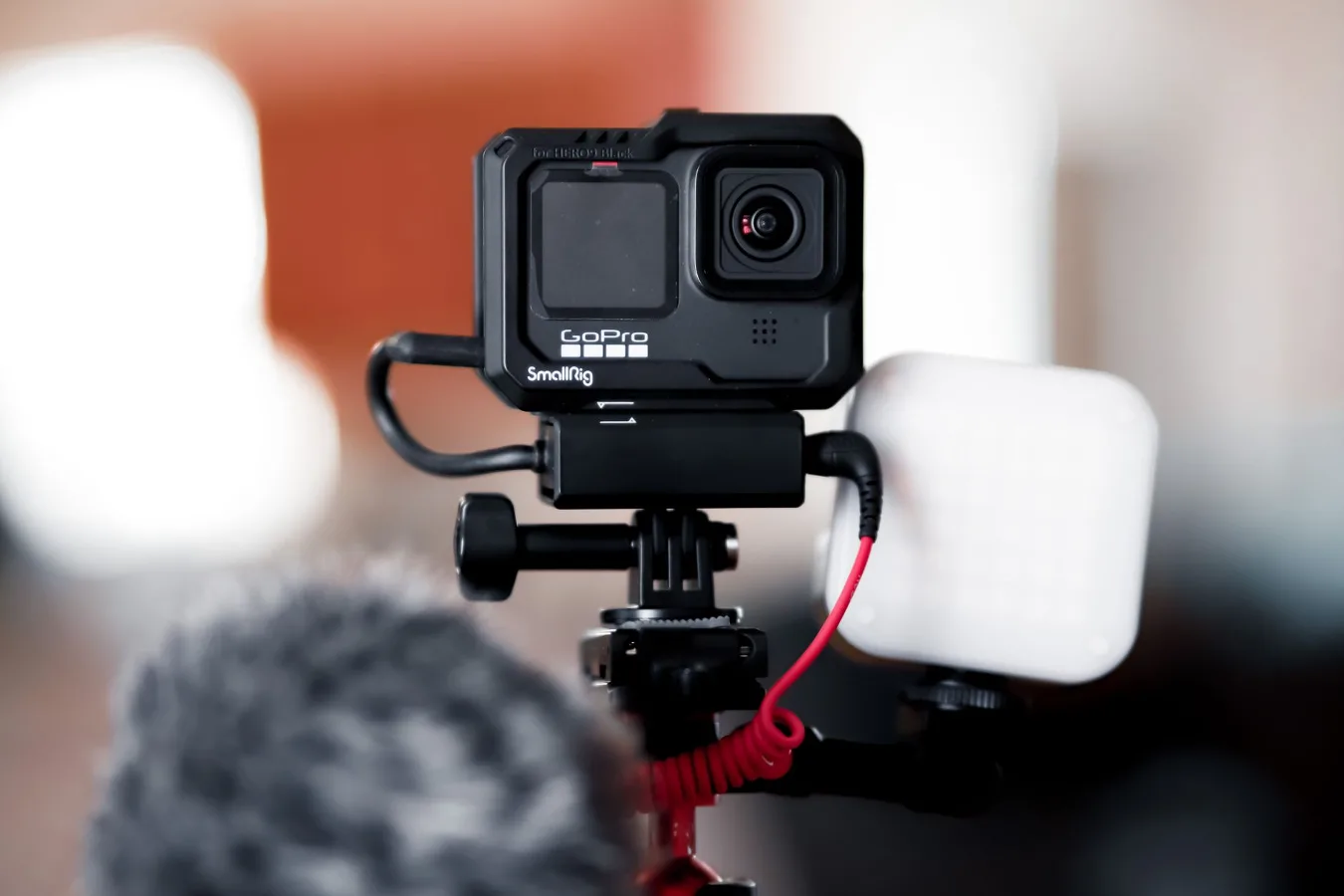
Why an action camera microphone attachment matters
An action camera can capture fast, hands-free footage, but its built-in microphone is often the weak point. If you want clearer voice recording for vlogs, tutorials, ride-alongs, or any clip where spoken audio matters, an action camera microphone attachment is the practical upgrade to look at first. Action Camera Flashlight Buyer Guide offers more detail on this point.
The right attachment does more than add a mic port. It can improve compatibility with external microphones, help manage wind noise, and make a small camera more flexible for different shooting styles. The wrong one, though, can add bulk, create mounting problems, or fail to work with your camera’s input and power needs.
For most buyers, the decision comes down to a few questions: does your camera support external audio at all, what type of microphone do you want to use, and how much size or complexity are you willing to accept for better sound?
Start with compatibility, not features
The most common mistake is shopping for a microphone attachment before confirming camera compatibility. Action cameras vary a lot in how they handle audio. Some accept a dedicated adapter from the camera brand. Others use USB-C audio accessories. Some rely on a media mod, audio module, or an accessory cage. A few work best with wireless audio through a separate receiver setup.
Before buying anything, check three basics:
- Audio input type: USB-C, 3.5mm mic input, proprietary adapter, or wireless receiver support.
- Power and passthrough behavior: whether the camera can charge while using the mic accessory.
- Mounting clearance: whether the attachment blocks the camera’s doors, screen, tripod mount, or housing.
Compatibility is especially important because action camera setups are often used in motion. A solution that works on a desk may be awkward on a helmet, handlebar, chest mount, or handheld grip. action camera head mount offers more detail on this point.
What to look for in an action camera microphone attachment
1. The microphone connection type
Different attachments solve different problems. Some simply let you connect a wired external microphone. Others are designed around a specific ecosystem and add a microphone port, HDMI out, or accessory mounting points. A wireless setup, by contrast, may use a receiver that connects through the camera’s adapter or accessory port.
The right connection type depends on how you shoot. A wired lavalier is usually simpler for stationary or talking-head work. A compact shotgun mic can be better if you want a more directional pickup from just outside the frame. Wireless systems are useful when movement matters, but they can introduce more setup steps and another battery to manage.
2. Size and mounting profile
Action cameras are valued for being small, rugged, and easy to mount. A microphone attachment can quickly change that balance. Some add-ons are slim and sit close to the body. Others create a more modular setup that is better suited to a cage, handle, or rig than to bare-camera mounting. Action Camera Body Mount Guide offers more detail on this point.
Think through where the camera will live most of the time. A low-profile attachment may be preferable for helmets, bikes, and handheld action. A larger modular accessory can make sense for studio-style filming or travel vlogging, where compactness matters less than audio control.
3. Wind noise handling
Wind is one of the biggest challenges in outdoor action footage. Even a good mic can sound poor if it is exposed to airflow. That is why wind protection is not a bonus feature; it is often the difference between usable and unusable audio.
Look for an attachment system that allows proper wind reduction, whether through a furry windscreen, foam cover, sheltered mic placement, or a design that keeps the mic out of direct airflow. If you shoot on a bike, board, boat, or trail, wind protection should rank near the top of your buying checklist.
4. Ease of use in the field
An action camera accessory should make shooting easier, not slow you down. If you constantly need to remove mounts, open panels, or rebuild the setup just to connect audio, you may stop using it. Simple locking mechanisms, quick access to controls, and clear cable routing matter more than many product listings suggest.
Ease of use also includes how the microphone cable behaves. A stiff or overly long cable can interfere with mounts, rub against gear, or pick up handling noise. A cleaner, shorter routing path usually works better for action setups.
5. Durability and weather exposure
Action cameras are often used in environments where dust, moisture, sweat, and vibration are part of the job. A microphone attachment should match that reality. Even if the mic itself is not weatherproof, the overall setup should be stable enough to handle movement without shifting, rattling, or coming loose.
If you plan to use the camera outdoors often, consider whether the accessory plays well with protective cases, cages, or mounts that shield the camera body. Some setups work well in fair weather but become cumbersome once you add a case or have to protect ports from the elements.
Choosing the right type of microphone attachment
Wired lavalier setups
A lavalier is one of the simplest ways to improve voice capture. It clips near the speaker and focuses on speech rather than the room. For creators who speak directly to camera, this can be a clean, practical choice.
The trade-off is that wires can be annoying in active shooting. If you are moving a lot, a cable may snag, show in frame, or limit where the microphone can sit. Wired lavs work best when the camera is relatively stable and the speaker stays close to the lens.
Compact shotgun microphones
A small shotgun mic can be a strong option when you want directional audio without placing a mic on clothing. This can be useful for interviews, commentary, or handheld recording. The microphone is usually mounted on or near the camera, which keeps the setup tidy.
The limitation is distance. A camera-mounted mic is still farther from the voice than a lavalier, so it may not isolate speech as well in noisy places. It can also pick up more ambient sound if the speaker moves away from the camera.
Wireless microphone systems
Wireless setups are attractive because they reduce cable clutter and make movement easier. They are often a strong fit for action camera users who alternate between walking, talking, and filming in changing positions.
The trade-offs are battery management, pairing steps, and more components to keep track of. Wireless audio can be extremely convenient, but it is not the simplest option. If your shooting is mostly straightforward and stationary, wireless may add complexity you do not need.
Brand-specific modules and adapters
Some action camera ecosystems rely on manufacturer accessories or modular expansion parts to enable external audio. These can be convenient if they integrate cleanly with the camera body and controls. They may also preserve a compact, purpose-built feel better than generic add-ons.
The drawback is lock-in. Brand-specific solutions may work very well within one camera family but not transfer to your next upgrade. If you plan to switch cameras often, consider whether a more universal microphone solution would be easier to reuse.
Practical buying criteria that actually matter
| Factor | Why it matters | What to look for |
|---|---|---|
| Compatibility | Prevents wasted purchases and setup frustration | Camera model support, connector type, adapter requirements |
| Mounting design | Determines how usable the setup feels in motion | Low-profile fit, secure attachment, cable management |
| Wind reduction | Critical for outdoor audio clarity | Windscreen support, sheltered mic placement |
| Port access | Affects charging and day-to-day convenience | Clear access to battery doors, media doors, and ports |
| Rig flexibility | Helps the setup adapt to different shoots | Cold shoe, cage compatibility, simple reconfiguration |
That table may look straightforward, but these factors interact. A small attachment with poor port access can be more frustrating than a larger one that is easier to live with. Likewise, a highly compact mic setup may be less useful than a slightly bulkier one if the latter handles wind better and mounts more securely.
Common mistakes buyers make
- Buying for the microphone before the camera: the camera must support the connection cleanly.
- Ignoring wind protection: outdoor audio often fails because of airflow, not microphone quality.
- Overlooking cable strain: cables that pull on the mount can create noise or loosen over time.
- Choosing too much complexity: a setup that needs constant adjustment is less likely to be used.
- Assuming all adapters are interchangeable: proprietary accessories may not work across brands or generations.
- Forgetting about mounting context: helmet, chest, handlebar, and handheld setups all behave differently.
A less obvious mistake is focusing only on “audio quality” and ignoring workflow. For action camera users, a good workflow matters almost as much as sound. If the attachment makes the camera harder to mount, charge, or swap between shots, it may slow you down enough to outweigh the audio upgrade.
Practical solutions for common shooting styles
For vlogging and talking-to-camera clips
If your main goal is clear speech, prioritize a setup that keeps the microphone close to the mouth and protects it from wind. A wired lavalier or compact wireless mic can make sense here. If you want a cleaner camera rig, a small shotgun mic may be the better visual fit, but it usually needs more attention to distance and ambient noise.
For biking, skating, and other fast movement
Movement-heavy shooting puts extra pressure on attachment security and wind handling. A low-profile setup is usually the safest starting point. Overly bulky rigs can catch air, shake loose, or interfere with the mount. In these cases, the best microphone attachment is often the one that stays stable and survives real-world motion, even if it is not the most elaborate option.
For travel and lightweight carry
Travel shooters usually want one system that does not require a full rig bag. A compact adapter or minimalist microphone solution is often more practical than a multi-piece setup. Look for something that can be packed quickly and attached without a long setup routine.
For interviews and controlled scenes
Controlled shooting opens the door to more flexible audio choices. You may benefit from a shotgun mic on a cage, a wireless receiver, or a lavalier set. In this situation, convenience can matter less than consistency and voice clarity.
How to decide what to buy
If you are unsure which action camera microphone attachment is right for you, use this simple decision path:
- Confirm your camera’s audio support. Check whether it accepts USB-C audio, a brand-specific adapter, or another input method.
- Match the mic style to your shooting. Lav for speech, shotgun for directional pickup, wireless for movement.
- Check the mounting footprint. Make sure the accessory will not block doors, screens, or the mounts you already use.
- Prioritize wind control if you shoot outdoors. This matters more than many buyers expect.
- Keep the setup simple enough to use often. The best accessory is the one you will actually carry and mount.
If two options seem close, favor the one that integrates more cleanly with your current setup. Extra compatibility and a smaller learning curve usually beat a feature list that sounds impressive but does not fit your filming habits.
When a microphone attachment may not be the best answer
An external microphone is not always the right first upgrade. If your footage is mostly action-only with little spoken audio, a microphone attachment may add clutter without much payoff. If you need to record voices at a distance or in very windy conditions, a different recording setup may be more suitable than relying on a camera-mounted mic alone.
Some creators also discover that better audio comes from moving the microphone off the camera entirely. A lavalier, wireless transmitter, or separate audio recorder can be easier to place properly than a mic attached directly to the camera body. The trade-off is more gear, but sometimes that is the better solution for clarity and control.
What to remember before you buy
An action camera microphone attachment is worth considering when audio matters as much as video. The best choice is rarely the most expensive or the most feature-packed. It is the one that fits your camera, your mounting style, and the way you actually shoot.
Start with compatibility, then weigh wind protection, size, and ease of use. If you keep those priorities in order, you are much more likely to end up with a setup that improves real-world footage instead of just adding another accessory to manage.
