
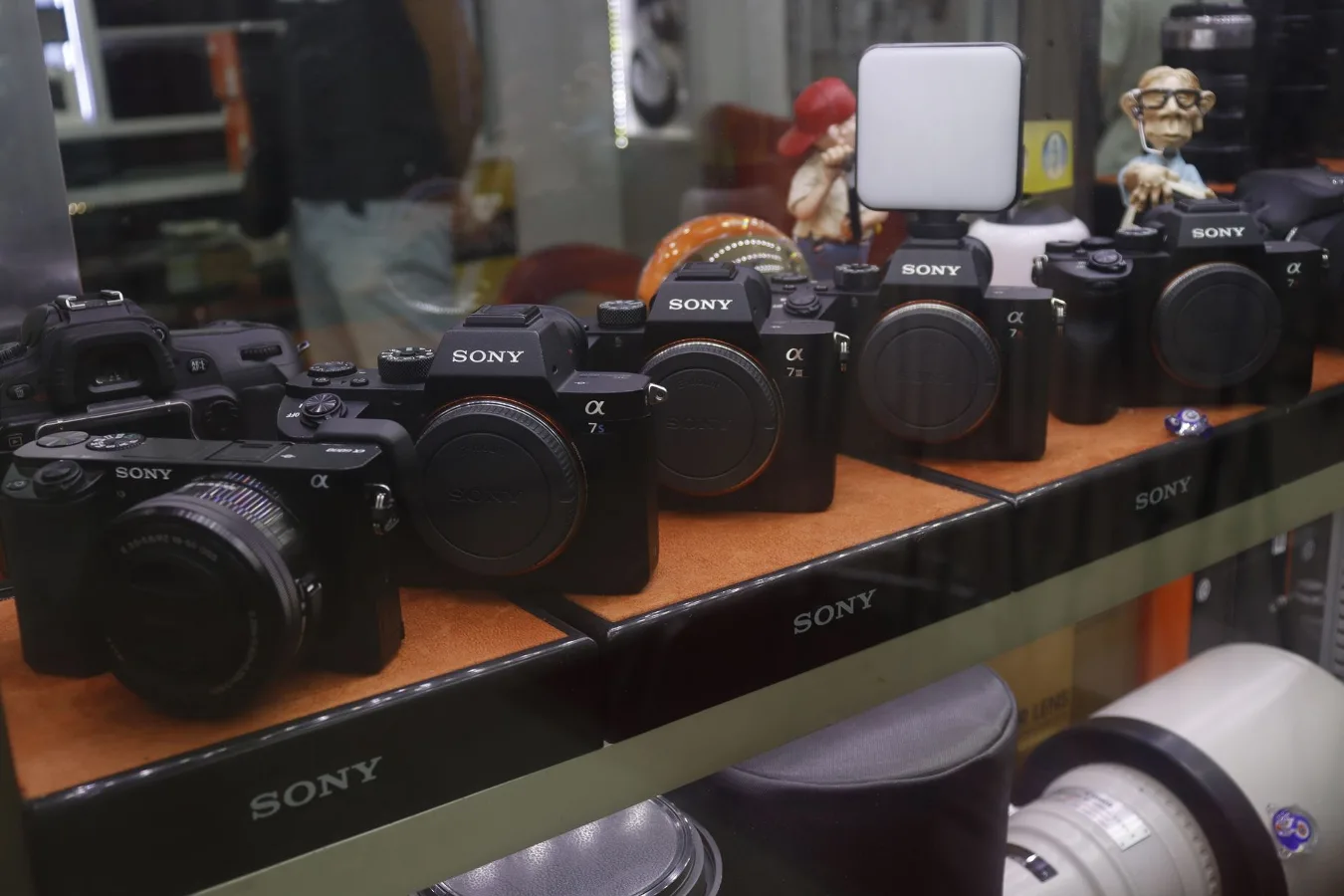
Choosing between Sony mirrorless camera vs Canon mirrorless usually comes down to how you shoot, not which brand is universally better. Sony tends to appeal to buyers who want a deep lens ecosystem, strong autofocus options, and a system that is widely used for hybrid photo-and-video work. Canon often attracts photographers who prioritize comfortable handling, straightforward color output, and an intuitive shooting experience. sony mirrorless camera a6000 vs a5100 offers more detail on this point. Sony mirrorless autofocus performance offers more detail on this point.
If you are trying to decide between the two, start with your main use case: portraits, travel, wildlife, events, content creation, or filmmaking. The best system is the one that gives you the right lens choices, controls, and workflow support over time.
Why this comparison matters
Mirrorless camera bodies are only part of the decision. Once you pick a system, you are also choosing a lens mount, accessory ecosystem, menu logic, and upgrade path. That makes the Sony versus Canon question bigger than a single camera model.
A common mistake is comparing only one body to another body and ignoring the system around it. A camera that looks slightly weaker on paper may still be the better choice if its lenses, grip, viewfinder behavior, or video features fit your work better. Likewise, a strong spec sheet does not help much if the camera feels awkward in your hands or the lens lineup does not match your budget.
Where Sony usually stands out
Sony mirrorless cameras are often chosen by photographers and creators who want flexibility across different shooting styles. The system has long been associated with strong autofocus, especially for fast action, eye detection, and subject tracking across many models.
Another major advantage is lens variety. The Sony E-mount ecosystem includes native options from Sony and third-party lens makers, which gives buyers a wide range of choices for different budgets and specialties. That matters if you want to start with one lens and expand later without changing systems.
Sony is also frequently considered by hybrid shooters. Many users looking for a camera that can move between stills and video appreciate the brand’s broad range of models and the depth of accessories, cages, gimbals, and lenses built around the platform.
Potential trade-offs with Sony
Sony’s strengths do not make it the best fit for everyone. Some photographers find the menu structure less intuitive than Canon’s, especially if they are new to mirrorless cameras or switching from a DSLR.
Ergonomics can also be a deciding factor. Smaller bodies may be great for portability, but users with larger hands or heavier lenses may prefer the feel of Canon bodies. Comfort matters more than it seems, especially if you shoot for long sessions or carry the camera all day.
Another practical point is that a broad lens ecosystem can also be overwhelming. More options are helpful, but they can make the buying process feel less straightforward for beginners.
Where Canon usually stands out
Canon mirrorless cameras are often praised for their user-friendly handling and familiar control layout. For many photographers, the appeal is simple: the camera feels easy to pick up and use without a long adjustment period.
Canon also has a strong reputation for color rendering that many users find pleasing straight out of camera. While color is subjective and always adjustable in post-processing, this can reduce the amount of editing needed for casual shooters, families, and content creators who want dependable results quickly.
For people moving from Canon DSLR systems, the transition to Canon mirrorless can feel smoother. That continuity can matter if you already own Canon lenses, accessories, or muscle memory built around Canon controls.
Potential trade-offs with Canon
Canon’s mirrorless ecosystem is highly capable, but buyers should still think carefully about lens availability, cost, and how quickly they plan to grow into the system. Some users are drawn to Canon bodies for the interface, then discover that the lenses they want may shape the budget more than the camera body itself. mirrorless camera lenses for beginners offers more detail on this point.
Another limitation is that the “best” Canon choice can vary a lot depending on whether you are looking at entry-level APS-C models, midrange full-frame bodies, or higher-end hybrid cameras. A single label like “Canon mirrorless” covers a wide spread of needs.
The factors that should drive your decision
Autofocus and subject tracking
If you shoot moving subjects, autofocus should be one of the first things you compare. Sony is widely known for autofocus sophistication across many models, which can be especially useful for action, wildlife, sports, and fast-paced video work. Canon is also strong in autofocus and subject detection, and many users find its behavior highly dependable in real shooting conditions.
The practical question is not just which system has better autofocus in general, but which one tracks the subjects you care about most. A portrait shooter, a bird photographer, and a YouTube creator will care about different autofocus behaviors.
Lens ecosystem and long-term value
Lenses often determine how satisfied you are with a system over several years. Sony’s E-mount has a very broad range of native and third-party lenses, which can help you build a kit at different price points. Canon’s RF system has grown quickly and offers strong native options, but buyers should compare the specific focal lengths and price ranges they need.
Think about your likely path forward. If you plan to start with one or two lenses and expand later, the breadth of the mount matters. If you only need a compact, focused kit, the exact lenses available for your preferred focal lengths may matter more than the overall size of the ecosystem.
Ergonomics and controls
Handling is personal, but it should not be treated as a minor detail. Button placement, grip depth, rear dial behavior, and menu clarity all affect how quickly you can react in the field.
Canon often wins on ease of use for photographers who value a more guided feel. Sony often appeals to users who want extensive customization. If you enjoy building your own control setup, Sony may feel efficient. If you prefer a camera that feels straightforward from the start, Canon may be more comfortable.
Video features and hybrid shooting
For video-focused buyers, both brands offer strong mirrorless options, but the workflow may differ. Sony has long been a favorite for creators who need flexible video-centric tools and a large ecosystem of support gear. Canon also offers compelling hybrid cameras with strong autofocus and attractive color, which can reduce friction for content creators who want dependable talking-head video, travel clips, or social content.
The right choice depends on whether you are balancing video with still photography or building a video-first kit. Also consider heat management, recording limits, stabilization, mic support, and the lenses you want to use for your typical shooting distance.
Size, weight, and portability
Mirrorless systems are often chosen because they can be lighter than older DSLR kits, but there are still meaningful differences among body shapes and lenses. A compact body paired with a large zoom can still feel heavy in a bag or on a strap.
If you travel frequently, carry the camera all day, or shoot casually in public spaces, portability may matter as much as performance. Sony’s system often gives buyers a very broad spread of compact body and lens choices. Canon also offers portable options, but the real-world carry experience depends on the exact combination you build.
Battery life, accessories, and workflow
Battery performance, memory card choices, charging options, and accessory availability may not be the headline specs, but they influence everyday use. A system that fits your workflow can save time and frustration during shoots.
Before buying, think about whether you need dual card slots, USB-C charging, external microphone support, or a specific style of cage and grip. These details can make one system much more practical than another for your work.
Who should choose Sony mirrorless
Sony is often the better fit for buyers who want a flexible system with a huge lens selection and strong autofocus across a wide range of models. It can be especially appealing for:
- hybrid shooters who split time between photos and video
- creators who want a broad third-party lens market
- wildlife, sports, or action photographers who value tracking behavior
- users who like custom button layouts and deeper control over settings
- buyers who want to expand gradually across different budget levels
That said, Sony is not automatically the best choice for every beginner. If you value a simpler learning curve or prefer a camera that feels especially natural in hand right away, you may find Canon more approachable.
Who should choose Canon mirrorless
Canon is often a strong match for buyers who want a camera that feels intuitive, comfortable, and dependable from the start. It can be especially appealing for:
- beginners who want a friendly learning curve
- portrait and family photographers who value pleasing color and easy operation
- current Canon users who want to keep familiar handling and lens continuity
- travelers who want a balanced mix of usability and image quality
- hybrid shooters who prefer a simpler, more streamlined working experience
Canon can also make sense for buyers who do not want to spend a lot of time comparing a huge number of third-party lenses. A more curated decision path can be a real advantage if you prefer clarity over endless options.
Common mistakes buyers make
One of the most common mistakes is buying the body first and thinking about lenses later. With mirrorless systems, the lens often shapes your results more than the camera body. A modest body with the right lens can outperform a more expensive body paired with the wrong lens for your use case.
Another mistake is ignoring ergonomics. A camera that looks excellent online may not be comfortable for your hand size, shooting style, or preferred lens weight. If possible, handle both systems before deciding.
Buyers also sometimes overfocus on one feature, such as autofocus or video resolution, while overlooking basics like grip comfort, menu clarity, and battery workflow. These are the details that affect how often you enjoy using the camera.
A final misconception is that one brand is inherently better for all photographers. Sony and Canon both make capable mirrorless systems. The best choice depends on whether your priorities lean toward ecosystem breadth, ease of use, compactness, color preference, or a particular shooting style.
A practical way to decide
If you are still torn between Sony mirrorless camera vs Canon mirrorless, use this order of evaluation:
- Choose your main subject type: people, travel, action, video, or mixed use.
- Identify the lenses you would want first, not just the body.
- Compare the handling and menu layout if you can try both.
- Check accessory needs such as mic input, stabilization, and card slots.
- Think about how the system can grow with you over time.
That approach keeps the decision grounded in actual use rather than spec-sheet comparison alone. For many buyers, the right answer becomes clearer once the lens path and ergonomic fit are considered together.
Choosing the better system for your situation
If your priority is maximum flexibility, a wide lens ecosystem, and a system that is especially popular with hybrid creators, Sony is often the stronger starting point. If your priority is comfort, ease of use, and a familiar shooting experience with strong color and intuitive controls, Canon may be the better match.
Neither system is a universal winner. The better choice is the one that fits the way you shoot now and the way you expect to shoot later. That is the real long-term value in a mirrorless system: not just what the body can do today, but how well the entire platform supports your photography and video plans over time.
