
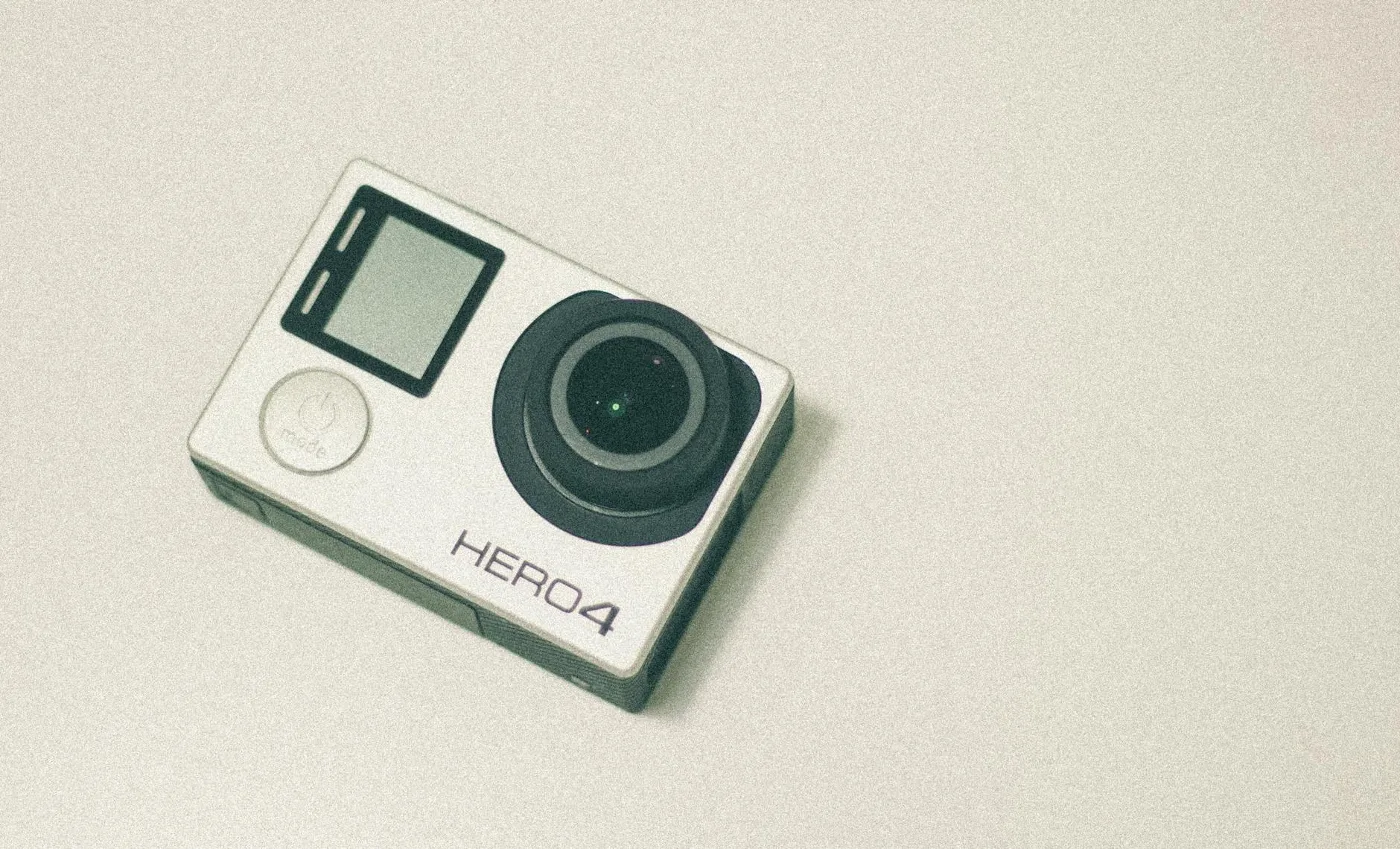
If you are looking for a mount for action camera GoPro use, the right choice usually comes down to one question: where and how will you shoot? A helmet mount, chest harness, handlebar clamp, suction cup, tripod adapter, or adhesive base all solve different problems. The best mount is the one that fits your activity, stays secure, and places the camera where the shot actually works. head mount for action camera offers more detail on this point. action camera tripod offers more detail on this point.
That sounds simple, but mounting is where many GoPro setups go wrong. A camera can be fully charged and ready to record, yet still produce poor footage if the mount vibrates too much, shifts during movement, or blocks the angle you wanted. For buyers, the goal is not just to attach the camera. It is to match the mount to the job.
Start with the kind of footage you want
The first decision is not brand or price. It is perspective. Different mounts create different results, and that affects both video quality and comfort.
- POV footage: Helmet and head mounts place the viewer close to your line of sight.
- Chest-level footage: Chest mounts often feel more stable and show your hands, handlebars, or gear.
- Static shots: Tripods and clamps work better when the camera should stay fixed.
- Vehicle or equipment shots: Suction cups, adhesive bases, and specialty clamps are built for mounted action.
If your main use is biking, skiing, motorcycling, fishing, travel, or vlogging, the best mount changes with the activity. A mount that feels perfect on a trail may be awkward in a car or on a boat. That is why “best” is really a question of use case.
Key factors that matter before you buy
Compatibility
GoPro cameras are widely supported, but compatibility still matters. Some mounts are designed for GoPro’s standard mounting fingers, while others need a tripod adapter or a specific quick-release system. If you use third-party accessories, check whether the mount works with your camera housing, frame, or direct mount setup. GoPro accessories guide offers more detail on this point.
Compatibility also affects accessories around the mount. For example, a helmet mount may be fine on its own, but it may not work well with a microphone setup, external battery pack, or a protective cage. The more accessories you plan to stack, the more careful you need to be about fit and balance.
Security and vibration control
A secure mount is more important than a flashy one. If the camera shifts during movement, the footage can tilt, bounce, or become unusable. For fast action, look for a mount with solid locking hardware, strong adhesive if needed, and a shape that hugs the surface rather than relying on friction alone.
Vibration control is especially important on handlebars, vehicles, and some tool or equipment mounts. A rigid mount can transmit a lot of shake directly into the camera. In those cases, a steadier attachment point or a mount designed for motion-heavy use may be more useful than a simple universal clamp.
Comfort and wearability
Body-mounted options are convenient because they keep your hands free, but comfort matters more than many buyers expect. A chest harness can feel secure for longer sessions, yet it may be too bulky under certain jackets or in warm weather. A helmet mount can provide a clean perspective, but weight and placement can become noticeable over time.
If you plan to wear a mount for long periods, look at how it distributes weight, whether straps are adjustable, and whether the camera position interferes with your movement or safety gear.
Angle and framing
Not every mount produces a useful angle automatically. Some naturally point too high, too low, or too close to the subject. The mount should give you enough adjustment to frame the shot without forcing a complicated setup.
This is an overlooked point for many first-time buyers: the best footage often depends less on the mount type itself and more on whether the mount can be adjusted cleanly after installation. A rigid mount with limited tilt can be frustrating even if it feels sturdy.
Surface type and installation method
Where the mount attaches is just as important as what it attaches to. Smooth surfaces support suction cups and adhesive bases better than textured ones. Rounded tubes work well with handlebar and roll-bar clamps. Fabric-based body mounts depend on strap tension and fit.
Before buying, think about whether the mounting surface is permanent, temporary, clean, curved, rough, or exposed to moisture. That answer usually narrows the field quickly.
Common mount types and what they are best for
Helmet mounts
Helmet mounts are popular for POV footage in cycling, skiing, riding, and similar activities. They can create a direct, immersive viewpoint, but they are not always the most stable option. Depending on the helmet shape and mount placement, they may feel top-heavy or slightly off-balance.
They are a strong option when you want the camera near your line of sight, but they are not ideal for every sport or every helmet design. Always consider whether the helmet surface gives the adhesive or strap enough secure contact.
Chest mounts
Chest mounts are a practical choice when you want a stable view of the action in front of you. They are often preferred for activities where hand movement matters, such as biking, climbing, or mechanics-style filming. The perspective is lower than a helmet mount, but often easier to watch because it feels more grounded.
One limitation is that chest mounts can be bulky and may not be comfortable with every outfit or protective layer. They can also block some of the surrounding environment if the camera angle is too low.
Handlebar and tube mounts
These are useful for bicycles, motorcycles, carts, and equipment with round tubing. They keep the camera attached to the vehicle or object rather than your body, which can produce a steadier and more repeatable shot.
The main trade-off is vibration. If the surface moves a lot, the footage may pick up more shake than expected. A well-fitted clamp helps, but the quality of the attachment point matters just as much.
Suction cup mounts
Suction cup mounts are often used for vehicles and smooth surfaces. They are convenient because they can be repositioned without permanent adhesive, which makes them useful for flexible shooting setups.
The limitation is straightforward: they depend on a suitable smooth surface and proper installation. If the surface is dirty, curved in the wrong way, or not maintained well, the attachment becomes less reliable.
Adhesive mounts
Adhesive mounts are a common option for helmets, boards, and other surfaces where a semi-permanent attachment makes sense. They can be compact and low-profile, which is useful when you want a cleaner setup.
The trade-off is that placement matters a lot. Once applied, the mount is not always easy to move without replacing the adhesive. That makes planning important, especially for curved surfaces.
Tripods and clamps
For stationary filming, interviews, desk setups, travel clips, and time-lapse work, tripod-style support or clamp mounts often make more sense than sport-specific hardware. They give you a controlled frame and work well when you want to set the camera down and walk away.
These are not the first choice for active sports, but they are extremely useful for general content creation. A tripod adapter can also expand what your GoPro can connect to, which makes it one of the most versatile accessories to own.
How to choose the right mount for your use case
If you are buying one mount and want the most practical choice, start with the activity you do most often:
- Biking: chest mounts, handlebar clamps, and helmet mounts are the common starting points.
- Motorcycling: helmet mounts, chin mounts where compatible, and secure vehicle mounts are typical options.
- Skiing or snowboarding: helmet or chest mounts are usually the easiest to manage.
- Travel and vlogging: small tripods, clamps, and quick-release systems are more flexible.
- Vehicle footage: suction cups or adhesive mounts are often the most practical.
- Hands-free outdoor filming: chest, wrist, or backpack-strap-style mounts may fit better than rigid options.
If your needs span more than one activity, a modular setup is often better than a single specialized mount. For example, a quick-release base plus a few different attachment types can give you more flexibility than buying several unrelated mounts.
What buyers often overlook
One of the biggest mistakes is focusing only on attachment type and ignoring the filming angle. A mount may be secure but still give you footage that is too low, too narrow, or too distracting. Another common issue is assuming all accessories fit all GoPro setups the same way. Small differences in frames, cases, or quick-release hardware can affect how the final setup works.
Another practical nuance is safety. A mount that seems fine in a parking lot may be a poor choice once speed, wind, impact, or moisture enter the picture. For outdoor or high-motion use, the mount should stay secure even when conditions are not ideal. That is where sturdy hardware and sensible placement matter more than convenience alone.
There is also a comfort trade-off with body mounts. The more securely a mount is strapped down, the more you may notice it during long sessions. If you plan to wear it for hours, comfort should weigh nearly as much as stability.
Practical solutions for common buying situations
If you want the simplest all-purpose setup
Look for a mount package that includes a few mounting styles rather than a single specialized piece. A quick-release base, a tripod adapter, and one body or tube mount can cover a lot of everyday use without overcomplicating your kit.
If you care most about stable footage
Choose a mount that fits tightly to the surface or body area and keeps the camera as close as possible to the anchor point. Avoid loose adapters and check whether the mount has a secure locking mechanism. For many users, a chest mount or a well-designed clamp will feel steadier than a more exposed setup.
If you need flexibility
Quick-release compatibility matters. It allows you to move the camera between tripod use, handheld use, and action mounting without rebuilding the entire rig each time. This is a strong choice for creators who film in multiple environments.
If you are trying to keep the setup compact
Low-profile adhesive mounts and smaller direct-to-camera mounts can reduce bulk. That can be helpful for helmets, boards, or travel kits where size and snag risk matter.
Common mistakes to avoid
- Buying a mount without checking whether it fits your camera or adapter setup.
- Using the wrong mount for the surface texture or shape.
- Prioritizing looks over stability and adjustability.
- Ignoring how much vibration the setup will receive in real use.
- Choosing a body mount that is uncomfortable to wear for more than a short session.
- Assuming one mount can handle every activity equally well.
FAQ
What is the best mount for a GoPro action camera?
The best mount depends on the activity. Chest mounts are popular for stable POV footage, helmet mounts work well for a head-level perspective, and suction cup or clamp mounts are better for vehicles and stationary setups.
Can I use one mount for multiple GoPro activities?
Sometimes, but it is usually better to have a small set of mounts for different situations. A quick-release setup or a universal tripod adapter can make a single camera more versatile across activities.
Do I need adhesive mounts or removable mounts?
Use adhesive mounts when you want a low-profile, semi-permanent attachment on a suitable surface. Choose removable mounts when you need flexibility, repositioning, or a setup that changes often.
Are chest mounts better than helmet mounts?
Neither is universally better. Chest mounts usually feel steadier and show more of the action in front of you, while helmet mounts create a more direct POV perspective. The right choice depends on the shot you want.
What should I check before buying a GoPro mount?
Check compatibility, mounting surface, security, adjustability, comfort, and whether the angle will actually work for your activity. Those factors matter more than style alone.
Choosing the right mount with less guesswork
If you are shopping for a mount for action camera GoPro use, the smartest approach is to start with the shooting angle, then narrow by surface, comfort, and security. That sequence helps you avoid buying a mount that looks useful but fails in practice. For most buyers, the best option is not the most popular one. It is the one that fits the way you film.
For a broader setup, it also helps to think about how the mount fits into your larger camera kit. A single good mount can be useful, but a flexible system built around a few compatible accessories often gives better long-term value and fewer setup headaches.
