
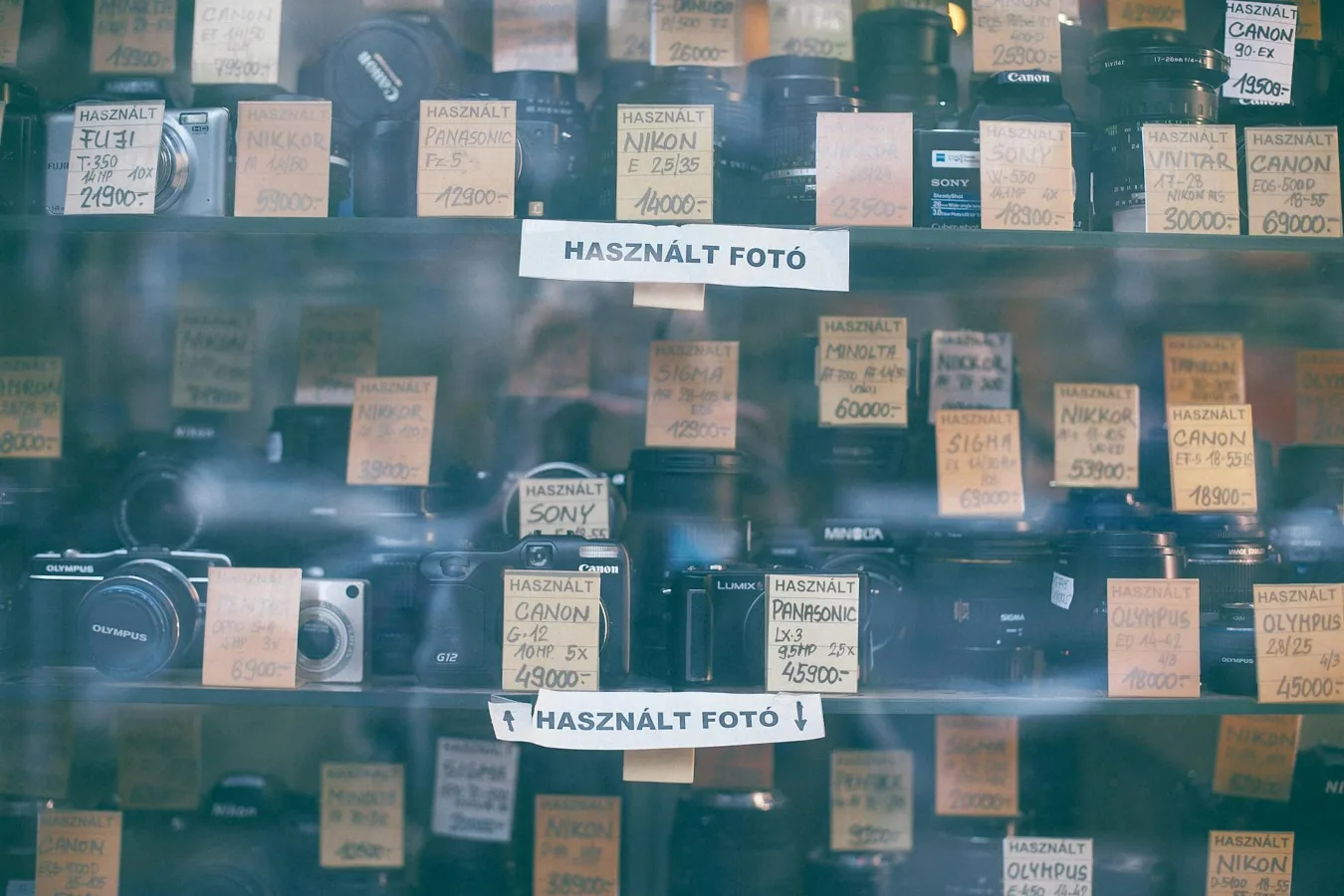
Why buy second hand mirrorless at all?
If you want strong image quality without paying full retail, a used mirrorless camera is often the smartest place to start. The mirrorless market moves quickly, which means many bodies from just a few years ago still deliver very capable autofocus, good video options, and solid low-light performance for everyday photography. used camera buying checklist offers more detail on this point.
The real advantage is value. A well-chosen used camera can leave more of your budget for a better lens, extra battery, memory cards, or lighting. That matters because a camera body is only part of the system. For many buyers, the best second hand mirrorless camera is not the newest model, but the one that fits the lens ecosystem, handling, and features they will actually use. best mirrorless camera under $1000 offers more detail on this point. how to inspect a camera body offers more detail on this point.
There is one catch: used camera shopping rewards careful checking. Cosmetic wear is usually harmless, but hidden issues such as sensor damage, sticky buttons, weak batteries, or a neglected mount can turn a bargain into a headache. The goal is to buy a camera with known trade-offs, not an unknown problem.
The short answer: what makes the best used mirrorless camera
The best second hand mirrorless camera is usually one that balances condition, lens support, and usability rather than simply offering the lowest price. A strong option should have a clean sensor, responsive controls, a battery that still holds a practical charge, and access to lenses you can afford.
For most buyers, the best choice is a camera that matches the type of shooting they plan to do most often. That might mean an APS-C body for travel and everyday use, a full-frame body for shallow depth of field and low-light flexibility, or an older model with dependable basics if the price is right. Used camera value depends as much on system costs as on the body itself.
What to check before you buy
1. Sensor condition and image quality
The sensor is the most important part to inspect because it directly affects image quality. Ask whether the sensor has scratches, fungus, oil spots, or visible damage. A few dust specks are common and usually cleanable. More serious issues are not.
If possible, review sample photos from the seller at different apertures. Dust often becomes more obvious when the lens is stopped down. If you are buying in person, bring a memory card and take a test shot of a plain bright surface to look for marks, banding, or dead pixels.
2. Shutter wear and mechanical condition
Some mirrorless cameras use electronic shutters often, but many still have a mechanical shutter mechanism that can wear with use. Shutter count can be a useful clue, but it should not be treated as the only sign of condition. A lower count does not guarantee careful handling, and a higher count does not automatically mean trouble if the camera has been maintained well.
Focus on how the camera behaves. Listen for inconsistent sounds, lag, or missed exposures. Check whether the shutter fires cleanly at different speeds and whether the camera responds consistently in burst mode.
3. Battery health and charging setup
Battery condition matters more than many buyers expect. Older mirrorless bodies can drain quickly, and a tired battery shortens shooting sessions even if everything else works. Ask whether the original battery is included and whether third-party replacements have been used.
Also check the charging method. Some models charge in-camera over USB, while others rely on an external charger. Neither is better in every case, but the setup should fit how you plan to use the camera. Travel photographers often prefer easy USB charging, while studio users may not mind carrying a charger.
4. Lens mount compatibility
One overlooked factor is the lens system itself. A mirrorless body is only as useful as the lenses available for that mount. Before buying, check whether native lenses are affordable and available in the focal lengths you need. This is especially important if you are considering an older or less common mount.
Adapters can expand compatibility, but they are not a universal solution. Autofocus performance, stabilization behavior, and lens communication may vary depending on the adapter and the lens. If you need a simple, reliable setup, native lenses are usually the safer path.
5. Autofocus behavior and shooting style
Mirrorless cameras differ a lot in autofocus tracking, eye detection, subject recognition, and manual focus assistance. A body that feels fast for still subjects may be less satisfying for action, wildlife, or event work. Match the autofocus strengths of the camera to your actual use case.
If you shoot portraits, eye detection may matter most. If you shoot sports or kids, tracking consistency matters more. For landscapes and product work, autofocus speed is less critical than handling, image quality, and lens options.
6. Grip, buttons, and menu logic
Used cameras often reveal their real value in day-to-day handling. A compact body may be easy to carry but cramped with larger lenses. A larger body may feel more stable but less travel-friendly. Button layout and menu systems also matter because a camera that is awkward to configure tends to get used less.
This is a practical issue, not a luxury one. If the grip is too small or the controls feel confusing, the camera can become frustrating even if the specs look excellent on paper.
7. Signs of hard use or poor storage
Look for dents near the corners, worn port covers, loose battery doors, corrosion in the terminals, and signs of moisture exposure. A camera stored in a humid environment may develop internal problems that are not obvious at first glance. Fungus can also affect lenses, so if a bundle includes glass, inspect the optics carefully.
Cosmetic wear alone is not a deal breaker. Heavy wear combined with missing accessories, poor seller communication, or vague answers is a warning sign.
Buying used: body only or kit lens?
There is no single right answer. A body-only purchase can be better if you already know which lens system you want to invest in. That approach gives you more control over image quality and often avoids ending up with a mediocre kit zoom you will outgrow quickly.
A body plus kit lens can make sense for beginners who want an immediate all-in-one setup. The lens may not be exceptional, but it can be a practical way to start shooting while you learn what focal lengths you prefer. The trade-off is that bundled kits sometimes hide the cost of a weak lens in what looks like a convenient package.
If you are buying used for the first time, consider whether the kit lens is genuinely useful for your goals. A modest body paired with one decent lens is often better than a slightly newer body paired with a lens you will soon replace.
Refurbished vs used vs open-box
These terms are often used loosely, so it helps to separate them.
- Used usually means the item has had a previous owner and may show normal wear.
- Refurbished typically means it has been inspected, repaired if needed, and resold through a seller or service channel.
- Open-box generally means the product was opened or lightly handled but not heavily used.
Refurbished gear can be appealing if you want a bit more confidence, but the exact meaning depends on the seller. Read the warranty terms, return policy, and condition grading carefully. A used camera from a reputable seller with a return window may be a safer choice than a vague refurbished listing with little detail.
How to match the camera to your needs
For beginners
Look for a camera that is easy to understand, not one packed with features you may never touch. A clean menu system, good autofocus, a usable kit lens, and solid battery life usually matter more than advanced video features. Beginners often do better with a camera that encourages learning rather than one that demands constant setup.
For travel
Compact size, light weight, and decent battery efficiency matter most. A smaller body can be easier to carry all day, but make sure the grip is still comfortable. If you plan to use zoom lenses, check that the combined size will still feel manageable in a bag.
For portraits
Eye autofocus, skin tone rendering, and access to fast prime lenses are useful. A used body that supports affordable portrait lenses may be a better buy than a more expensive body with a weak native lens lineup.
For video
Video buyers should look beyond resolution labels. Heat management, microphone input, autofocus reliability during motion, and stabilization are often more important than a headline feature. Older bodies may still be good for casual video, but check whether the ports and recording limits fit your workflow.
Common mistakes people make
- Chasing the newest model instead of the right lens system. The body matters, but lenses shape long-term satisfaction.
- Ignoring battery cost. A camera with worn batteries may need extra spending right away.
- Skipping a test shot. A quick photo can reveal problems that photos of the body do not show.
- Overlooking accessories. Missing chargers, caps, straps, or cards can add hidden cost.
- Assuming every low-shutter camera is a safe buy. Storage, handling, and repair history still matter.
- Choosing a mount with expensive lenses. A cheap body is less attractive if every lens you want costs far more than expected.
Practical ways to reduce risk
If you are shopping online, prioritize listings with clear photos of the actual camera, not stock images. Look for a seller who describes cosmetic wear honestly and responds to questions about shutter count, battery condition, included accessories, and return options.
If you are buying locally, meet in a place where you can test the camera calmly. Bring a memory card, check the display, confirm autofocus works, inspect the mount, and fire a few frames. A careful five-minute test is often enough to rule out obvious problems.
It also helps to compare the total cost, not just the body price. Add up the lens you will need, the batteries, charger, and any adapter or memory card. A slightly more expensive body can actually be the better value if it comes with accessories you would have to buy anyway.
When a used mirrorless camera is not the best choice
Used mirrorless is not ideal for every buyer. If you need a long warranty, simple support, or a no-surprises setup for professional work, buying new may be worth the extra cost. The same is true if you need a very specific feature set and cannot afford compromises in autofocus, stabilization, or lens selection.
It can also be a poor fit if you are unsure which type of photography you enjoy. In that case, a more affordable new entry-level model or even a good smartphone workflow may be a better starting point than committing to an older camera system too quickly.
Decision guide: what to prioritize first
| Priority | What to look for | Why it matters |
|---|---|---|
| First | Lens system and budget | Long-term usefulness depends on affordable lenses |
| Second | Sensor and body condition | Hidden damage can erase any savings |
| Third | Battery and accessories | Missing or weak essentials raise the true cost |
| Fourth | Autofocus and handling | The camera should fit how you shoot |
| Fifth | Warranty or return policy | Protection matters more on used gear than on new purchases |
FAQ
Is it safe to buy a second hand mirrorless camera?
Yes, as long as you inspect the condition carefully and buy from a seller with clear photos, honest descriptions, and a reasonable return policy when possible. The safest purchases are usually the ones with the most transparent history.
Should I care about shutter count on a mirrorless camera?
It can be useful, but it should not be the only factor. Shutter count gives a rough sense of use, yet condition, storage, and overall handling are just as important.
Is a used camera body better than a used lens?
That depends on the system and the seller, but lenses often hold their usefulness longer than camera bodies. If you can only upgrade one part of the kit, a good lens may deliver more lasting value.
What is the biggest mistake first-time used camera buyers make?
The most common mistake is buying a body without checking whether the lens ecosystem fits their budget and shooting style. A camera body that looks like a deal can become expensive if the lenses are limited or overpriced.
Is refurbished always better than used?
Not always. Refurbished can offer more reassurance, but only if the seller is reputable and the warranty or return terms are clear. A carefully described used camera from a trustworthy seller can be the better choice.
Choosing the best second hand mirrorless camera for you
The best second hand mirrorless camera is the one that gives you a reliable path into a lens system you can afford, with enough room to grow. Start with the use case, then narrow by condition, lens availability, and handling. That order usually leads to a better purchase than chasing specs alone.
If you keep the focus on practical value, a used mirrorless body can be one of the smartest camera buys available. The key is to treat it like a system purchase, not just a body purchase. That mindset helps you avoid the hidden costs and choose gear that stays useful long after the excitement of the deal fades.
