
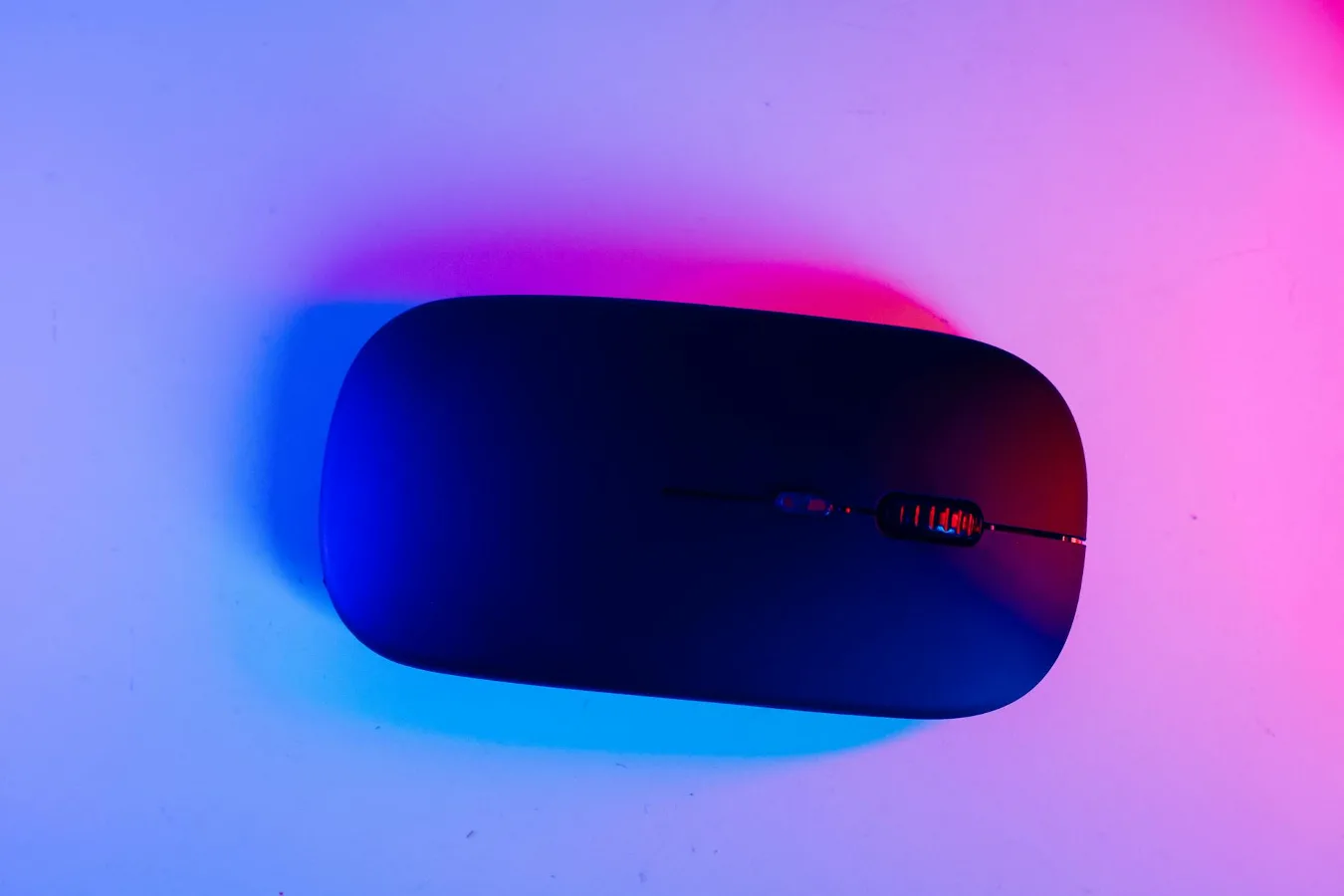
The CyberPowerPC Gaming Optical Mouse Elite M1-131 is best understood as a straightforward gaming mouse for people who want a simple, no-fuss peripheral rather than a feature-heavy accessory. If you are shopping for a replacement mouse, building a budget PC setup, or just trying to understand whether this model fits your use case, the key question is not whether it looks like a gaming mouse, but whether its basic design matches how you work and play. gaming mouse basics offers more detail on this point.
For many buyers, the appeal of a mouse like the Elite M1-131 is its practicality. It is typically relevant to users who want an optical sensor, a familiar button layout, and a gaming-oriented shape without needing to manage software-heavy customization or advanced features. That can be a strength, but it also means this kind of mouse may not satisfy users who want precise competitive control, extensive macro options, or a highly tuned ergonomic fit.
Who this mouse is likely for
The CyberPowerPC Gaming Optical Mouse Elite M1-131 makes the most sense for a few common buyer scenarios. It is often a good fit for someone who needs an affordable everyday mouse for a desktop PC, especially if gaming is part of the mix but not the only use. It can also suit users who prefer a plug-and-play device and do not want to spend time configuring software profiles.
This kind of mouse is also worth considering if you are assembling a starter gaming setup. New PC users often want peripherals that are easy to connect, easy to understand, and easy to replace later if their needs change. A basic gaming mouse can fill that role well. It is usually less intimidating than a more advanced mouse with adjustable weights, replaceable shells, or a complex companion app.
That said, simpler hardware comes with limits. If you play fast-paced competitive shooters, rely on multi-button productivity workflows, or need a mouse shaped for a very specific grip style, you may outgrow an entry-level model quickly. The better question is whether you need versatility and simplicity now, or more specialized control and customization later.
What matters most before buying
With a mouse like this, the most useful evaluation factors are not flashy features. The practical questions are more grounded: how it feels in the hand, how it connects, how it tracks, and whether it suits your desk setup. A gaming mouse can look aggressive and still be a poor fit if the shape does not suit your grip or the button layout feels cramped.
Shape and comfort
Mouse shape affects comfort more than many buyers expect. A mouse can work perfectly on paper and still feel awkward after an hour of use if the hump height, button slope, or side contour does not match your hand. For a gaming mouse in the Elite M1-131 category, look closely at whether the design seems better suited to palm grip, claw grip, or a more relaxed fingertip style. best claw grip gaming mouse offers more detail on this point.
If you share the computer with other people, a middle-ground shape can be useful because it is easier for multiple hand sizes to tolerate. If the mouse will be used for long sessions, comfort matters more than visual styling. A well-placed thumb rest or slightly taller shell can make daily use feel much better, even if the difference seems minor at first glance.
Sensor behavior and pointer control
As an optical mouse, the most relevant question is how smoothly and consistently it tracks on your desk surface or mouse pad. Optical sensors are a standard choice for general PC use because they usually provide dependable tracking on common surfaces when paired with a suitable pad. For everyday gaming and general productivity, that reliability matters more than marketing language.
Still, not every optical sensor behaves the same way in real use. Surface compatibility, lift-off behavior, and pointer feel can influence whether the mouse feels responsive or slightly off. If your desk is glossy, uneven, or visually busy, a mouse pad may improve tracking consistency and reduce frustration.
Button layout and simplicity
Many buyers underestimate how much they care about button placement until they start using the mouse daily. A practical layout should let you reach the main buttons and scroll wheel comfortably without accidental clicks. Extra side buttons can be useful for games and shortcuts, but only if they are positioned well enough to press on purpose.
The common mistake is assuming more buttons always mean a better gaming mouse. In reality, extra controls are only an advantage if you will use them regularly. For some users, a clean two-button design with a scroll wheel is easier to live with because it reduces clutter and avoids accidental inputs.
Trade-offs to think through
Entry-level gaming mice often sit in a useful middle zone: better tailored to gaming than a generic office mouse, but not as flexible as enthusiast models. That trade-off is not a flaw if you understand it upfront. The point of a mouse like the CyberPowerPC Gaming Optical Mouse Elite M1-131 is usually convenience, accessibility, and enough gaming functionality for casual or general use.
The main limitation is customization. Buyers looking for adjustable DPI stages, detailed macro programming, weight tuning, or extensive software profiles may find a simpler mouse restrictive. Likewise, if your goal is to match a specific gaming genre with specialized sensitivity settings and multiple onboard profiles, a basic model may feel less adaptable over time.
Another trade-off is long-term upgrade potential. A mouse that does one thing well can be a smart purchase, but it may not scale with a more demanding setup. If you anticipate moving into competitive gaming, content creation, or productivity tasks that benefit from advanced shortcuts, it can make sense to buy at a higher tier now instead of replacing the mouse later.
Material and build factors that matter in daily use
For a device like this, build quality is less about luxury materials and more about practical durability. The shell finish should be comfortable enough to hold during longer sessions, and the buttons should feel stable rather than loose or overly mushy. Cable strain relief matters too if the mouse is wired, because the cable is one of the most common failure points on budget peripherals.
Surface finish can also affect grip. A smoother coating may feel clean and simple, but it can become slippery if your hands get warm during extended use. A more textured finish may improve control, though it can also collect dust more visibly. These are small details, but they shape how the mouse feels after repeated use.
Weight is another practical consideration. Heavier mice can feel sturdy and steady for general desktop tasks, while lighter mice may move more freely for gaming. Neither is universally better. The right feel depends on whether you prioritize control, speed, or a balanced everyday experience.
Wired convenience versus flexibility
If the Elite M1-131 is a wired mouse, that brings a clear benefit: no battery management. You can plug it in and use it without worrying about charging cycles, sleep modes, or connection drops. For many office-and-gaming hybrid users, that reliability is a major advantage.
The drawback is desk movement. Wired mice can feel slightly more restrictive, especially on compact setups or when the cable drags against the desk edge. A mouse bungee can help, but that is an extra accessory some buyers do not want. If you value an uncluttered desk or frequently move your mouse around your workspace, wireless may be the more comfortable choice.
How to judge whether it fits your setup
Before buying, match the mouse to your actual environment, not just your wishlist. A desktop setup with a mouse pad, standard USB access, and moderate gaming use is usually a straightforward fit. A laptop user who moves between locations may care more about portability and cable management. A shared family computer may need something durable and easy for different users to handle.
Compatibility is usually simple with modern PC hardware, but simple does not mean irrelevant. Check that your system has the appropriate USB connection, and think about whether the mouse will be used on Windows, a gaming laptop, or a work machine with restricted software permissions. A mouse that depends on extra configuration software may be less convenient in locked-down environments.
Surface choice matters as well. If you are using bare wood, glass, or a reflective desk finish, optical performance may be less predictable. A basic mouse pad is often the easiest fix and can improve comfort at the same time.
Common mistakes buyers make
One of the biggest mistakes is buying a gaming mouse for its appearance alone. Aggressive styling does not guarantee better tracking, better comfort, or better control. Another common mistake is assuming that a low-cost gaming mouse automatically suits gaming better than a well-designed everyday mouse. Shape and sensor behavior matter more than label alone.
Buyers also tend to overlook hand size and grip style. A mouse that feels fine in a quick photo can feel bulky, cramped, or oddly angled after real use. If possible, compare the dimensions and button positions with a mouse you already like. If you cannot test it in person, use the shape as the main filter rather than the product name.
Finally, some users buy an entry-level mouse expecting it to cover every future need. That is rarely the best approach. A simpler model is most valuable when your needs are modest and clearly defined. If your workflow or game library is likely to become more demanding, it may be smarter to treat this as a starter accessory rather than a long-term endgame device.
Alternatives worth considering
If the CyberPowerPC Gaming Optical Mouse Elite M1-131 seems too basic, the most natural alternatives fall into a few categories. A standard office mouse may be better if your priority is comfort and general productivity rather than gaming styling. A midrange gaming mouse may be a better choice if you want more programmable buttons, better sensor tuning, or a more refined shape.
There is also a middle path: look for a simple wired gaming mouse from a mainstream peripheral brand if you want broader support, more documented features, or easier comparison shopping. On the other hand, if your main goal is a clean desk and fewer cables, a wireless mouse may be worth the added maintenance of charging or battery replacement.
The right alternative depends on what problem you are trying to solve. If the problem is merely replacing a basic mouse quickly, a straightforward model can be enough. If the real issue is discomfort, limited control, or a need for multiple shortcuts, a more specialized option is likely the better investment.
What to do next
Start by identifying how you use your mouse most often. If you mostly browse, work, and play casual games, a simple gaming optical mouse may be entirely adequate. If you spend long hours at the computer, comfort and button placement should carry more weight than visual design. If you are trying to upgrade your setup gradually, think about whether this mouse is a temporary stepping stone or a device you expect to keep for a while. how to choose a computer mouse offers more detail on this point.
Then compare it against three practical benchmarks: grip comfort, connection type, and surface compatibility. Those factors are more useful than vague claims about performance. If the mouse fits your hand, works cleanly on your desk, and gives you the control you need without extra complications, it has probably earned its place in your setup.
For shoppers searching specifically for the CyberPowerPC Gaming Optical Mouse Elite M1-131, the best approach is simple: treat it as a functional, entry-oriented gaming peripheral and judge it by everyday usability. That mindset makes it much easier to decide whether it is a sensible buy or whether you should move up to a more specialized mouse instead.
