
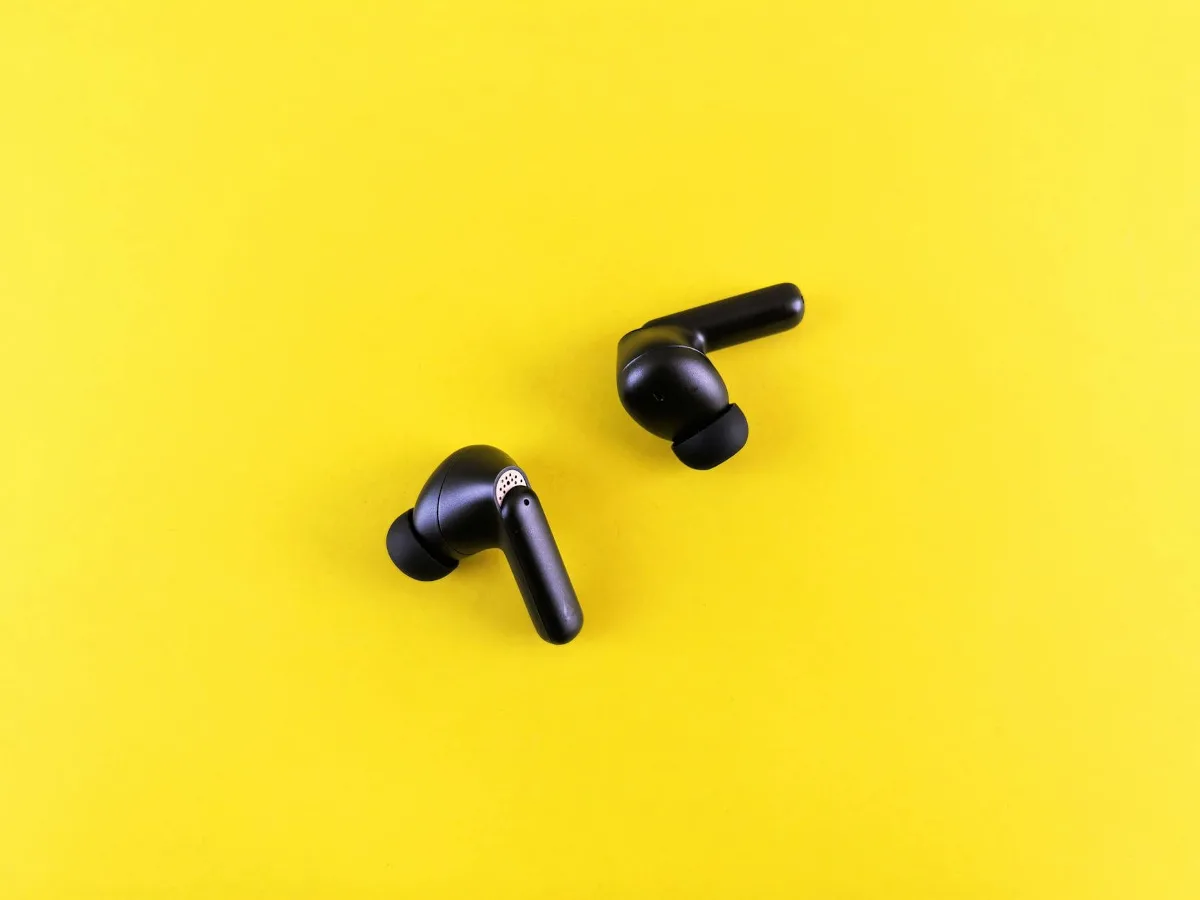
If you’re searching for iLive truly wireless earbuds, you’re usually trying to answer a practical question: are they a sensible everyday buy, and what should you check before choosing a pair? The short answer is that they can make sense for casual listening, commuting, workouts, or as a budget-friendly backup set—but the value depends on fit, battery expectations, controls, and how well they match your devices and habits. budget wireless earbuds for everyday use offers more detail on this point. altec lansing wireless earbuds offers more detail on this point. how to choose earbuds that fit properly offers more detail on this point.
This guide focuses on the decision factors that matter most before buying. Instead of repeating product-style claims, it breaks down where truly wireless earbuds are useful, where they can be limiting, and how to decide whether iLive is the right fit for your needs.
What matters most with iLive truly wireless earbuds
With any truly wireless earbud, the real buying decision is rarely just about sound. Since each earbud operates independently and charges in a compact case, you’re also evaluating portability, ease of pairing, comfort, call quality, and how often you’re willing to recharge.
For iLive truly wireless earbuds specifically, the most useful way to think about them is as a convenience-first audio option. That makes them appealing for people who want simple wireless listening without moving up to a more expensive tier of earbuds. The trade-off is that convenience-focused models usually require more careful attention to fit and feature expectations.
Fit and comfort decide more than most shoppers expect
Earbud fit is one of the most overlooked parts of the buying process. If the buds do not seal well or sit comfortably, the listening experience can suffer even if the sound profile is acceptable. Poor fit can also make earbuds feel less secure during walking, commuting, or exercise.
When evaluating iLive truly wireless earbuds, pay attention to how the ear tips sit, whether the shape looks likely to stay stable in your ears, and whether the design seems better suited to short sessions or all-day wear. A comfortable earbud is not just a luxury; it affects bass response, passive noise blocking, and how often you feel the need to adjust them.
One common misconception is that a wireless earbud with a compact shape will automatically be comfortable. In reality, ear shape varies a lot. A design that disappears for one listener may create pressure points for another. If you are sensitive to in-ear pressure, comfort should be treated as a primary filter rather than an afterthought.
Battery life and charging habits shape the experience
Truly wireless earbuds are only as convenient as their charging routine. The earbuds themselves are small, which is great for portability, but it also means you rely on the charging case more often than you would with larger headphones.
Before buying iLive truly wireless earbuds, think about how you actually listen. If you use earbuds in short bursts throughout the day, a charging case may feel effortless. If you plan to wear them for long sessions, battery management becomes much more important. You’ll want to understand how often the earbuds need to go back into the case and whether that routine fits your lifestyle.
A practical nuance: many buyers focus on the earbuds and ignore the case. Yet for truly wireless models, the case is part of the product experience. It affects portability, storage safety, and how easily the earbuds can be recharged between uses. If you often leave home without carrying extra accessories, a dependable case matters a great deal.
Sound quality should be judged by use case, not hype
For casual listeners, sound quality is best measured against the kind of audio you listen to most. Podcasts, audiobooks, background music, and video calls do not all demand the same tuning. A pair of earbuds that sounds perfectly fine for spoken-word content may feel less satisfying with music that depends on deeper bass or more separation.
With budget-oriented earbuds like iLive’s, a realistic approach helps. Look for balanced expectations rather than chasing premium performance cues that may not be the point of the product. If you mostly want clear speech, easy wireless playback, and a compact form factor, these earbuds may fit your needs better than a more elaborate option. If you are highly focused on detailed soundstage, strong active noise cancellation, or audiophile-level refinement, you may need to look higher up the market.
Sound preferences are personal, but a useful decision framework is simple: prioritize clarity for calls and spoken content, fit for bass consistency, and comfort for long listening sessions. Those three factors usually matter more in daily use than spec-sheet language.
Controls, pairing, and everyday convenience
Ease of use is one of the main reasons shoppers choose truly wireless earbuds in the first place. If the pairing process is smooth, the controls are intuitive, and the earbuds reconnect reliably, they become much easier to live with. If any of those steps feel clumsy, the convenience advantage disappears quickly.
When reviewing iLive truly wireless earbuds as a purchase option, consider how you plan to use them day to day:
- Phone calls: You’ll want controls that make it easy to answer or end calls without fumbling.
- Commuting: Quick reconnect behavior matters more than fancy features.
- Workouts: Controls should be easy to reach, and the fit should stay stable during movement.
- Casual music listening: Simplicity and comfort may matter more than advanced customization.
A common mistake is assuming all Bluetooth earbuds behave the same. Connection stability can vary based on the source device, environment, and even how consistently the earbuds are stored and recharged. If you switch between a phone, tablet, and laptop, convenience can depend on how predictable the pairing process feels across devices.
Call quality and microphone expectations
Many shoppers buy wireless earbuds for music and discover later that voice calls are a bigger part of their use. That makes microphone quality an important consideration, especially if you take calls on the move or use earbuds for frequent online meetings.
With iLive truly wireless earbuds, it is wise to think of call quality in practical terms. If you mostly take occasional calls in quieter settings, a basic microphone setup may be enough. If you need dependable voice pickup in noisy streets, open offices, or while traveling, you may want to compare more carefully against alternatives that emphasize call performance.
Wind, traffic, and background noise are real-world constraints that can affect nearly any budget earbud. For that reason, shoppers should not rely only on product category labels. The better question is whether the earbuds fit the environments where you actually talk.
Where iLive earbuds can be a smart fit
iLive truly wireless earbuds are most appealing when the goal is straightforward: you want a wireless listening solution that is portable, easy to carry, and suitable for everyday casual use. They can make sense if you need:
- a backup pair for commuting or travel
- a compact set for podcasts and streaming audio
- an entry point into truly wireless listening
- a simple option for gym bags, office drawers, or small spaces
- an affordable way to replace wired earbuds
They are less compelling if your priority list is built around premium ANC, advanced app support, high-end codecs, or highly tuned audiophile sound. That does not make them a bad choice. It simply means they serve a different buyer profile.
Limits to keep in mind before you buy
Budget earbuds often involve trade-offs, and it is better to acknowledge them before purchase than to be surprised later. The most common limitations are usually found in one or more of these areas:
- Fit variability: comfort and seal can vary significantly from person to person.
- Feature depth: some convenience features may be simpler than on higher-end models.
- Noise handling: passive isolation depends heavily on fit, and advanced noise cancellation is not guaranteed.
- Microphone performance: calls may be fine in quiet spaces but less reliable in noisy environments.
- Long-session comfort: some earbud shapes are better for shorter listening periods than all-day wear.
This is the real trade-off of a budget-friendly truly wireless category. You are often paying for compact convenience first, with refinement and advanced functionality coming second.
How to choose the right pair for your situation
If you are trying to decide whether to buy iLive truly wireless earbuds, use your own habits as the filter. That makes the decision more accurate than comparing features in isolation.
Choose them if you value simplicity
These earbuds are a reasonable fit if you want straightforward Bluetooth audio, small carrying size, and a low-friction daily routine. They also make sense if you are buying for casual use rather than critical listening.
Look elsewhere if you need specific extras
If you need strong noise cancellation, multipoint convenience, richer sound customization, or call performance that holds up in loud settings, it is worth comparing a wider range of earbuds before buying. In that case, the right move is not to dismiss iLive outright, but to be honest about what you need most.
Pay attention to device compatibility
Bluetooth earbuds are generally easy to connect, but not all devices behave identically. Older phones, crowded wireless environments, and mixed-device households can all introduce friction. If you use multiple devices throughout the day, check whether the earbuds fit your workflow rather than assuming every switch will feel seamless.
Alternatives worth considering
Sometimes the best answer to the question is not a different earbud model, but a different format. If in-ear wireless buds do not suit your ears or listening habits, consider these alternatives:
- Wireless neckband headphones: useful if you want fewer pieces to manage and less concern about losing individual earbuds.
- Over-ear headphones: a better option for longer sessions, larger ear cups, and often more comfortable passive isolation.
- Wired earbuds: still practical for users who want fewer charging concerns and a simpler connection.
These options are not automatically better. They simply solve different problems. A truly wireless earbud is usually the most portable choice, but portability is not always the same thing as comfort or call performance.
Common mistakes buyers make
A few avoidable mistakes come up again and again with truly wireless earbuds:
- Buying on convenience alone: portability matters, but so does fit.
- Ignoring the main use case: music, podcasts, and calls can place different demands on earbuds.
- Overlooking the charging case: the case is part of everyday usability.
- Expecting premium features by default: not every budget earbud is built for advanced noise control or extensive customization.
- Forgetting about comfort over time: a pair that feels fine for five minutes may not feel fine for an hour.
These mistakes usually happen when the search starts with the product name instead of the listening habit. A better approach is to define your daily use first, then see whether the earbuds fit that scenario.
Decision guidance for buyers
If you want a simple recommendation framework, use this:
- Start with comfort. If the shape looks unsuitable or you are sensitive to in-ear pressure, move cautiously.
- Match the earbuds to your listening habits. Casual music and podcasts have different needs than calls or workouts.
- Consider the charging routine. Make sure the case-and-earbud cycle fits your day.
- Check how much feature depth you truly need. If your priorities are basic wireless playback and portability, simpler may be better.
- Compare alternatives only after defining the use case. That keeps the choice grounded in real needs instead of spec comparisons alone.
For many shoppers, iLive truly wireless earbuds are best viewed as a practical entry point or backup option rather than a feature-heavy premium purchase. That is not a weakness if the product matches the job. The right earbud is the one that fits your ears, your routine, and your expectations without creating friction every time you use it.
If you are choosing between multiple wireless audio options in the Audio cluster, the most useful next step is to compare them by fit, battery routine, and real-world convenience rather than by name alone. That is usually where the best value becomes clear.
