
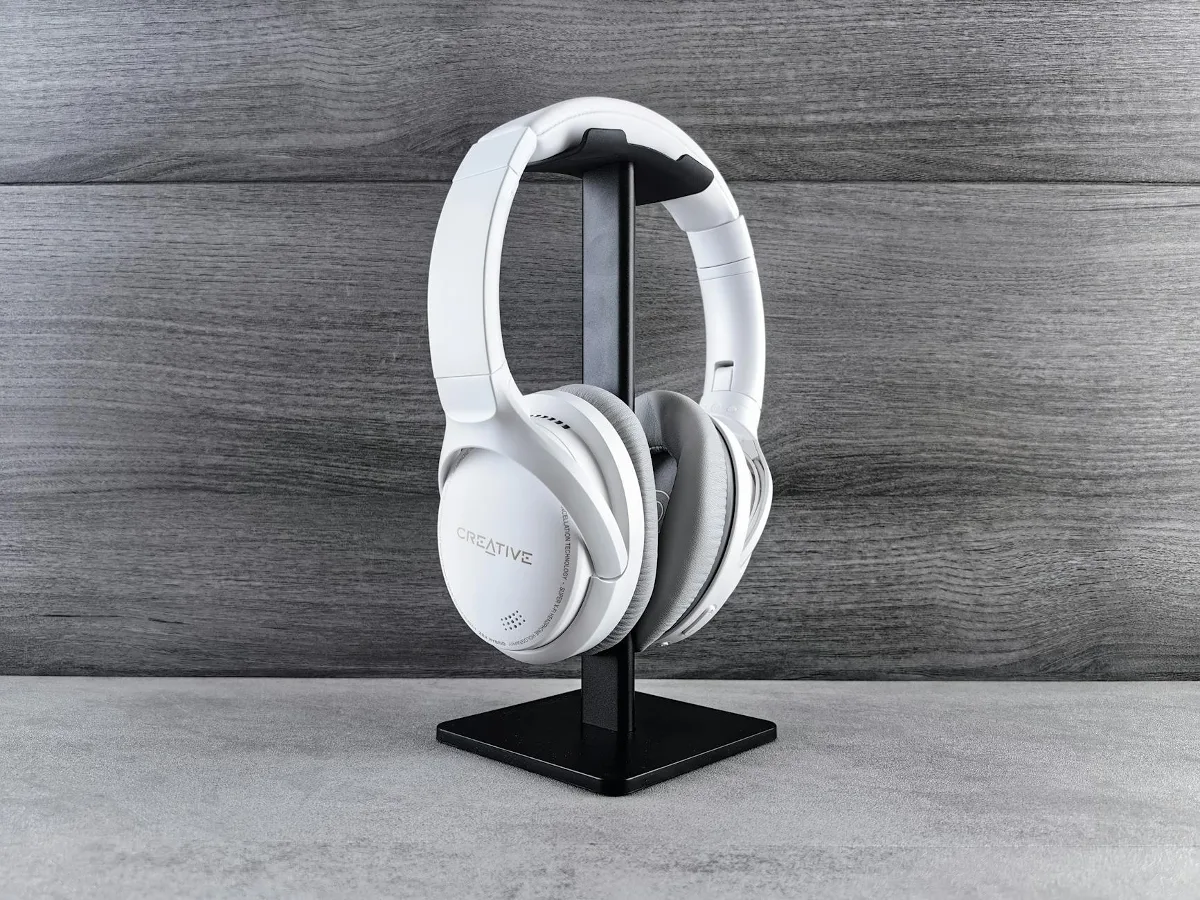
Quick answer: what Tagry hybrid active noise cancelling headphones are for
If you’re searching for Tagry hybrid active noise cancelling headphones, you’re likely trying to figure out whether they make sense for everyday listening, commuting, calls, or travel. The short answer: these are the kind of headphones shoppers usually consider when they want wireless convenience, over-ear comfort, and noise reduction in one package. wireless headphone buying guide offers more detail on this point. choosing headphones for calls offers more detail on this point. plantronics noise cancelling headphones offers more detail on this point.
Hybrid ANC means the headphones are designed to reduce outside sound using both external and internal microphones, rather than relying on one method alone. That does not make them “silent,” and it does not mean every type of noise disappears equally well. But it does make them a practical option for people who want a quieter listening space without moving into premium territory.
The real question is not just whether they cancel noise, but whether they fit your routine. For some listeners, the biggest value is cutting down low-frequency sounds such as engine rumble, HVAC noise, or general background chatter. For others, comfort, battery expectations, microphone quality, and Bluetooth stability matter more than noise cancellation alone.
If you are comparing Tagry hybrid ANC headphones to other wireless models, focus on use-case fit first. A headphone that feels right for commuting may not be the best choice for long meetings or all-day office wear.
What “hybrid ANC” actually tells you
The phrase hybrid active noise cancelling is useful, but it can also be misunderstood. In practice, it signals a more advanced ANC setup than simple single-microphone noise reduction. Hybrid ANC typically uses microphones on both the outside and inside of the earcup to monitor noise and adjust cancellation more effectively.
That matters because different types of noise behave differently. Steady sounds are generally easier to reduce than sudden, sharp noises. A hybrid system is often chosen to improve coverage across a wider range of everyday conditions, such as airplanes, trains, open offices, and household noise.
Still, ANC should be viewed as a tool, not a miracle feature. Noise cancellation is strongest when the headphones fit well and seal properly around the ears. If the fit is loose or the earcups sit awkwardly, even a capable ANC system can feel underwhelming.
This is one of the overlooked considerations people miss: fit can affect perceived ANC performance as much as the electronics do. A well-sealed over-ear headphone often sounds cleaner and quieter than a better-specified model that sits poorly on your head.
How Tagry hybrid ANC headphones usually fit into the market
Without leaning on assumptions about a specific model’s specs, the most sensible way to think about Tagry hybrid ANC headphones is as a value-oriented wireless over-ear option. That places them in a crowded category with plenty of overlap: commuter headphones, office headphones, casual music headphones, and travel headphones all sit in the same lane.
For shoppers, that means the decision usually comes down to a handful of practical questions:
- Do you want stronger noise reduction or more natural openness?
- Will you wear them for short sessions or several hours at a time?
- Are calls as important as music playback?
- Do you care more about portability or a roomier fit?
- Will you use them mostly at home, at work, or on the go?
That last question is especially important. Some headphones look versatile on paper but feel too bulky for commuting, while others pack easily but sacrifice earcup size or long-wear comfort. A hybrid ANC model often aims to balance those trade-offs, not eliminate them.
What to compare before buying
To judge Tagry hybrid active noise cancelling headphones fairly, compare the features that affect daily use rather than getting distracted by headline buzzwords. The most relevant factors for this kind of product are comfort, noise control, Bluetooth behavior, call quality, portability, and battery management.
Comfort and wearability
Over-ear ANC headphones live or die by comfort. If the headband presses too hard, or the earcups trap heat, even good sound can become tiring. Look closely at ear cushion depth, headband padding, and how adjustable the frame appears.
Comfort also depends on clamping force, which is rarely emphasized in marketing but matters a lot in real use. Too much clamp can cause pressure during long listening sessions; too little can weaken the seal and reduce passive noise isolation.
Noise cancellation versus passive isolation
Hybrid ANC gets most of the attention, but the physical earcup seal does a lot of work too. This is where passive noise isolation comes in. A headphone with a decent seal can reduce some ambient noise even before ANC is switched on.
That distinction matters if you plan to use the headphones in variable environments. Passive isolation helps with many midrange sounds, while ANC is usually more helpful against low, steady noise. Together, they create the quieter experience people are actually buying.
Bluetooth stability and everyday convenience
Wireless headphones should connect reliably and stay connected without frequent frustration. Pairing speed, range, and stability matter more than many shoppers expect, especially if you switch between a laptop and phone during the day.
If you work across multiple devices, check whether the headphones support multipoint Bluetooth or whether switching devices requires manual reconnection. That detail can influence convenience more than an extra sound mode.
Call quality and microphone behavior
Many shoppers assume ANC headphones are primarily for music, but call quality is just as important for remote work and casual phone use. Microphone placement, background-noise handling, and voice clarity all affect whether the headphones feel practical outside of entertainment.
Because these headphones are marketed for everyday use, it is worth remembering that call performance can be very different from music playback. A model can sound pleasant for streaming while still being only average for voice calls in noisy spaces.
Battery expectations and charging habits
Wireless ANC headphones depend on battery life in a way wired models do not. Even if a set offers generous runtime, that number only helps if you charge it consistently and avoid draining it to zero often.
For buyers, the practical question is not simply “how long does it last?” but “how often will I need to think about charging?” If you travel frequently or use headphones for work, a model with predictable battery habits is easier to live with than one that demands constant attention.
Portability and storage
Foldability, case fit, and overall bulk can matter more than expected. A headphone that sounds decent but takes up too much space may stay at home instead of going with you. For commuters, students, and travelers, portability is not a bonus feature; it is part of the use case.
Where Tagry hybrid ANC headphones make sense
These headphones are most compelling if you want a flexible all-rounder rather than a specialized audio tool. That typically includes people who listen to music or podcasts while commuting, working at a desk, or moving between rooms and meetings.
They can also make sense if you want a quieter listening environment without paying for an ultra-premium model. That does not guarantee they will outperform every rival, but it does suggest the feature set is aimed at broad everyday usefulness.
Common use cases include:
- Commuting: reducing train, bus, or traffic noise
- Office work: softening distracting background sound
- Study sessions: helping create a focused listening bubble
- Travel: making long flights or layovers more comfortable
- Home listening: keeping podcasts, music, and calls more private
The strongest fit is usually a listener who wants convenience first and audiophile-level tuning second. If your priority is very detailed sound staging or highly specific tuning preferences, you may want to compare more specialized headphones as well.
Where the trade-offs usually show up
With hybrid ANC headphones, the trade-offs tend to appear in predictable places. Stronger features in one area often mean compromises in another, and that is normal in this category.
Noise control versus openness: A tighter seal and stronger ANC can make the outside world feel more distant, but some listeners find that sensation less natural. If you prefer awareness of your surroundings, ANC may feel overly isolating in quieter settings.
Comfort versus stability: A softer fit can feel luxurious at first, but a looser fit may not hold the seal as well. A firmer fit may secure the cups better, though it can feel more tiring over time.
Portability versus earcup size: Larger earcups often improve comfort and isolation, but they can make the headphones more cumbersome to carry.
Feature count versus simplicity: More modes and buttons can be helpful, but they can also create a learning curve. Some buyers prefer a headphone that is easy to power on, pair, and use without digging through settings.
This is where many shoppers make a common mistake: they compare product pages as if more features automatically mean a better everyday experience. In reality, the best choice is the one that matches your habits.
Mistakes to avoid when buying hybrid ANC headphones
Buying noise cancelling headphones is easy to overcomplicate, but a few mistakes show up repeatedly.
- Assuming ANC solves all noise: it helps most with steady background sound, not every sound source.
- Ignoring fit: comfort and seal affect both noise isolation and long-term satisfaction.
- Overlooking call use: some headphones are better for music than meetings.
- Choosing by battery claims alone: charging habits and real routine matter more than a spec sheet headline.
- Forgetting portability: a bulky design can be a dealbreaker for commuting or travel.
- Expecting one headphone to be perfect for every setting: office, gym, plane, and home use often call for different priorities.
A particularly practical nuance: if you mainly listen in quiet rooms, you may not need the strongest ANC available. In that situation, comfort and sound quality may matter more than noise cancellation depth.
How to think about alternatives
If Tagry hybrid active noise cancelling headphones are on your shortlist, it helps to compare them against other categories, not just other brands.
Standard wireless headphones: These may be a better fit if you want lighter weight, simpler operation, or don’t care much about ANC.
On-ear headphones: More compact, but they usually offer less isolation and can feel less stable for long sessions.
True wireless earbuds: Smaller and easier to carry, though some listeners prefer over-ear comfort and the fuller feel of larger drivers.
Premium ANC headphones: Worth considering if your priority is top-tier noise cancellation, advanced app support, or more refined call handling.
The right comparison depends on what problem you are solving. If your main challenge is distraction on the subway, hybrid ANC makes sense. If your main priority is ultra-light portability, earbuds may be the more practical alternative.
A simple buying checklist
If you want a fast way to judge whether these headphones fit your needs, use a simple checklist before buying:
- Will you wear them long enough that comfort matters every day?
- Do you need ANC mainly for commuting, travel, or office noise?
- Are calls an important part of your routine?
- Do you prefer over-ear isolation over smaller, more portable audio gear?
- Will you be switching between devices often?
- Do you want a simple headset or one with more flexible controls and modes?
If you can answer those questions clearly, it becomes much easier to know whether Tagry hybrid ANC headphones are a sensible choice or just a generic-looking option in a crowded category.
Who should look elsewhere
These headphones may not be the best match if you are very sensitive to headband pressure, if you need true pocket-sized portability, or if you want a highly specialized listening profile. They also may not be the ideal choice if you require a very specific professional microphone setup for frequent voice work.
That does not make them a bad option; it simply means the category has limits. Hybrid ANC headphones are built for balance. If your needs are extreme in one direction, a more specialized product may serve you better.
For most shoppers, the best approach is to treat them as a practical everyday audio purchase rather than a performance-first statement piece. That mindset leads to better decisions and fewer disappointments.
