
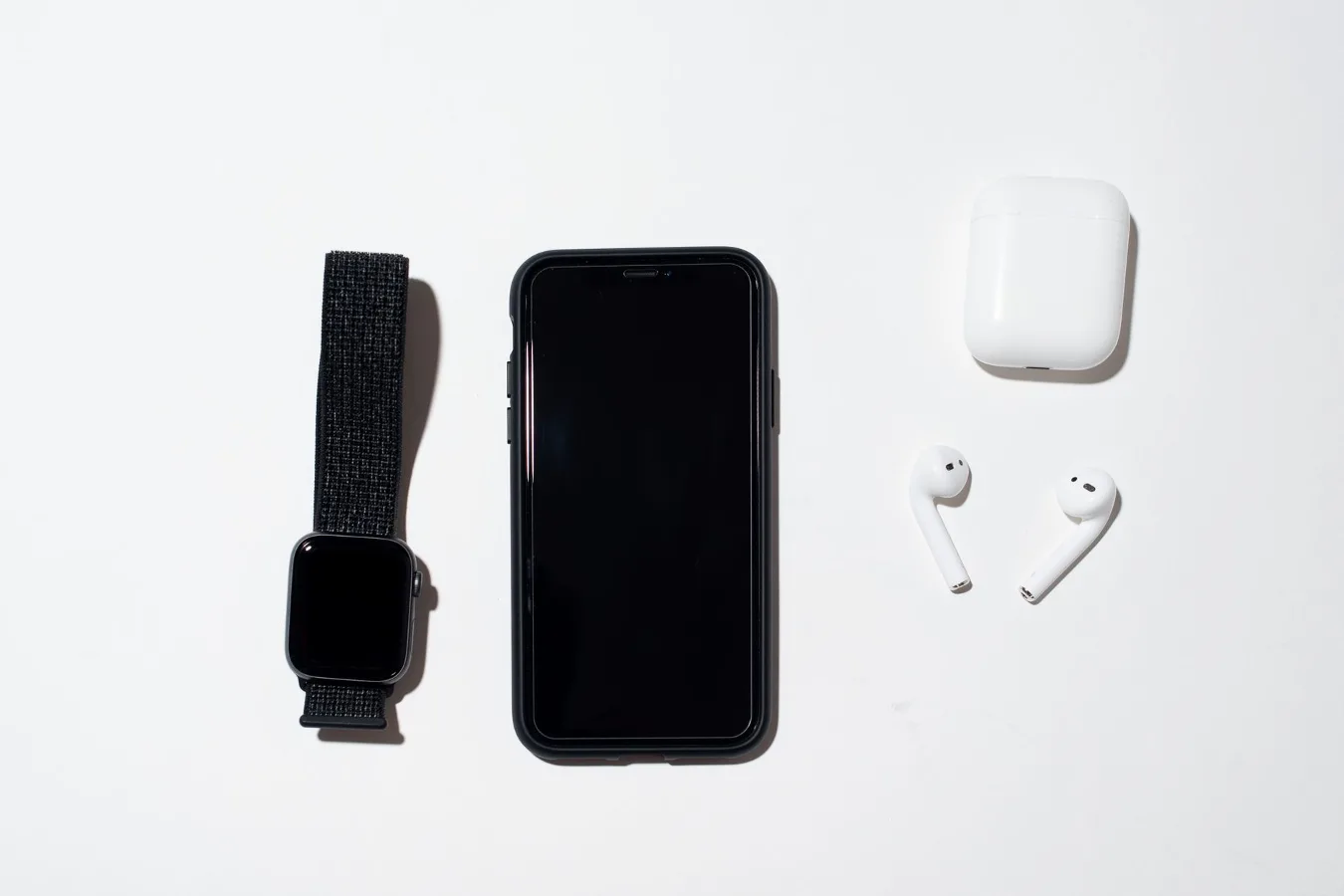
TWS wireless earbuds with case are the true wireless option most people mean when they shop for compact everyday audio. The earbuds connect over Bluetooth, and the case does two jobs: it stores them safely and recharges them between uses. how to choose wireless earbuds offers more detail on this point.
If you are comparing models, the case is not just an accessory. It affects how portable the earbuds are, how often you need to recharge, and how easy they are to keep in a bag, pocket, or desk drawer. The best choice depends less on brand hype and more on fit, battery behavior, controls, and how you actually listen day to day.
What makes TWS earbuds with a case different
TWS stands for true wireless stereo, which means there is no cable connecting the left and right earbuds. That gives them a very clean, compact design, but it also creates a practical dependency: the case becomes part of the product, not an optional extra.
For buyers, that changes the decision. You are not only choosing earbuds; you are choosing a charging system, a storage solution, and a portability format. If the case is bulky, awkward to open, or weak on battery storage, the whole experience can feel less convenient even if the earbuds themselves sound fine.
Key factors that matter most
Fit and stability
Fit is usually the first thing that determines whether a pair is usable. Even a well-reviewed model can disappoint if the ear tips do not sit securely. A stable fit improves comfort, helps with passive noise isolation, and reduces the chance of one earbud loosening during walking, commuting, or light exercise. earbud fit and comfort guide offers more detail on this point. Best Noise Cancelling Headphones With Mic offers more detail on this point.
Look for a design that includes multiple ear tip sizes if you need flexibility. Small differences in nozzle shape, earbud weight, and stem design can change how secure the earbuds feel. A common mistake is focusing on sound features first and fit second, even though a poor fit can make any sound profile less enjoyable.
Battery life and the role of the case
With TWS earbuds, battery life should be considered in two layers: the earbuds themselves and the charging case. The earbuds determine how long you can listen in a single session. The case determines how many times you can top them up before you need to recharge the whole setup.
That makes the case especially important for commuters, travelers, and people who forget to charge accessories regularly. A stronger case battery can add real convenience, but only if it is paired with a case you are willing to carry. Some larger cases offer more power, but they may be less pocket-friendly.
One overlooked trade-off is that a bigger case may improve battery backup while making the earbuds less appealing for minimal carry. If you prefer a jeans-pocket fit or a tiny sling bag, a compact case may be the better long-term choice even if it needs charging more often.
Charging method and convenience
Most modern cases use USB-C, which is the most practical option for shared charging setups. If you already charge a phone, tablet, or laptop with USB-C, the same cable can simplify daily use. Some cases also support wireless charging, which can be convenient if you already own a compatible charging pad.
Convenience, however, depends on behavior as much as hardware. Wireless charging is not automatically better for everyone. If you mainly recharge on a desk, the cable may be faster and more predictable. If your charging habits are more scattered, wireless support can feel useful.
Controls and everyday interaction
Controls shape the daily experience more than many shoppers expect. Touch controls can look modern and clean, but they may also be sensitive to accidental taps. Button-style controls are sometimes easier to use with gloves or in wet conditions, though they can feel less seamless.
Think about the actions you actually use: play and pause, skipping tracks, answering calls, volume control, and activating voice assistants. If a model requires too many taps for basic tasks, the convenience of true wireless design can be offset by friction during use.
Call quality and microphones
For many buyers, earbuds are not just for music. They are used for work calls, quick voice notes, and video meetings. Microphone performance is therefore a real decision factor, especially in busy streets, open offices, or shared homes.
Even when a product listing mentions multiple microphones or noise reduction, the real question is whether it fits your environment. A quieter room places fewer demands on the mic system than a train platform or a windy sidewalk. Buyers who rely on calls should treat microphone quality as a separate priority rather than an afterthought.
Noise isolation versus active noise cancellation
Passive noise isolation comes from the ear tip seal. Active noise cancellation, often shortened to ANC, uses electronics to reduce certain background sounds. These features serve different purposes, and not every pair needs both to be useful.
If you mainly listen in quieter places, a good seal may be enough. If you commute frequently or spend time around constant engine noise, ANC can be worth considering. Still, ANC is not a universal upgrade. It can add cost, affect battery life, and may be less important than comfort for some users.
How the case affects real-world use
The case is often treated as a battery box, but it influences daily habits in several subtle ways. A case with a secure lid helps protect the earbuds from dust and pocket debris. A case with strong magnets or clear earbud alignment can make it easier to drop the earbuds in quickly without checking each time.
Case shape also matters. A flat, rounded case is easier to carry in a pocket, while a taller case may fit better in a bag. Some users prefer a textured finish for grip. Others care more about hinge quality and how confidently the case opens and closes over time.
A practical nuance that gets overlooked: the case is where the earbuds spend most of their life. If the case is flimsy or awkward, you are likely to notice that every day, even if the earbuds themselves are good.
Choosing by use case
For commuting and travel
If you listen on trains, buses, or flights, prioritize portability, battery backup, and a secure seal. A compact case is easier to carry through the day, while ANC can help reduce steady background noise. Quick pairing and easy controls also matter because commuting tends to involve more interruptions.
Travel buyers should also consider how easy the case is to recharge from common sources. USB-C is useful, and a long-lasting case battery can reduce how often you need to hunt for a charger.
For work and calls
For office use or remote meetings, microphone quality, comfort, and stable Bluetooth connection deserve more attention than flashy extras. If you wear earbuds for long stretches, pressure buildup or tip fatigue can become more noticeable than sound quality differences.
A balanced tuning can also help if you move between calls, podcasts, and background music throughout the day. Extremely bass-heavy models may be fun for casual listening but less ideal for spoken content.
For workouts and active use
Exercise-oriented buyers should focus on secure fit, sweat resistance, and simple controls. A case is still important, but if the earbuds do not stay in place, the rest of the feature set matters less. Look for a design that feels stable during motion and does not need frequent readjustment.
For active use, a smaller case can be more convenient to tuck away in a gym bag or jacket pocket. However, if you work out often and use the earbuds for long sessions, the case battery should still be able to keep up with repeat top-ups.
For casual everyday listening
If you mainly use earbuds at home, on errands, or for podcasts, comfort and simplicity usually matter more than top-tier specs. A pair that pairs quickly, fits well, and charges without fuss can be more satisfying than a feature-heavy option with controls you never use.
This is where many buyers overcomplicate the decision. The best everyday model is often the one that disappears into your routine instead of demanding attention.
Common drawbacks to keep in mind
TWS wireless earbuds with a case are convenient, but they are not perfect for everyone. The small size makes them easy to misplace. The batteries in both the earbuds and the case are finite, so long-term battery health becomes part of ownership. And because the earbuds are separate pieces, one side can be lost or damaged more easily than with wired or neckband styles.
There is also a trade-off in repairability. Compact wireless audio products can be harder to service than larger headphones. For buyers who value longevity and simplicity above all else, over-ear headphones or wired earbuds may still make more sense.
Alternatives worth considering
If you are unsure whether TWS earbuds are the right fit, compare them with a few practical alternatives.
- Over-ear wireless headphones offer larger ear cups, usually better comfort for long sessions, and less concern about losing a single earbud.
- Neckband earbuds can be useful for people who want wireless listening without relying on a charging case for every outing.
- Wired earbuds remain a simple choice if you want no charging, no case, and minimal maintenance.
Each alternative solves a different problem. TWS earbuds with a case win on compactness and portability, but other formats can be better for comfort, longevity, or simplicity.
How to narrow the choice without overbuying
A smart purchase starts with your routine, not with feature lists. Ask where you will use the earbuds most, how often you are willing to charge them, and whether you care more about travel convenience or all-day listening.
- Start with fit. If the earbuds do not feel secure, skip them.
- Match the case to your carry style. Pocket-friendly matters if you travel light.
- Decide whether ANC is truly useful. Quiet environments may not justify the extra cost.
- Check controls for ease of use. Simple, reliable controls often age better than gimmicks.
- Think about calls and work use. A good microphone matters if you speak often.
- Consider battery habits honestly. A larger case is only useful if you will tolerate the added size.
That sequence tends to produce better choices than starting with color, brand recognition, or a long feature checklist.
What usually separates a good pair from a frustrating one
Two models can look similar on paper and feel very different in daily use. The stronger option is usually the one with a comfortable seal, dependable pairing, a case that is easy to handle, and controls that make sense without needing a manual.
Frustration often starts when one small detail is overlooked. A slightly awkward case, a tip that never quite fits, or controls that misfire can make a product feel less polished than its specifications suggest. That is why the case should be part of the evaluation, not an afterthought.
For shoppers looking at TWS wireless earbuds with case, the best decision is rarely the loudest spec sheet. It is the pair that fits your ears, supports your routine, and stays convenient after the novelty wears off.
